Complete Guide to Sparkling Wine
From Champagne to Prosecco, learn about sparkling wine. Understand production methods, sweetness levels, and when to pop open the bubbles.
Characteristics
- Contains dissolved carbon dioxide creating bubbles
- Traditional method creates finest, longest-lasting bubbles
- Ranges from bone-dry (Brut Nature) to sweet (Doux)
- High acidity balances sweetness and richness
- Best served very cold in flute or tulip glasses
Popular Grape Varieties
Food Pairings
- Oysters and caviar
- Fried foods
- Sushi and sashimi
- Celebration desserts
Serving Temperature
40-45°F (4-7°C)
The Science of Bubbles
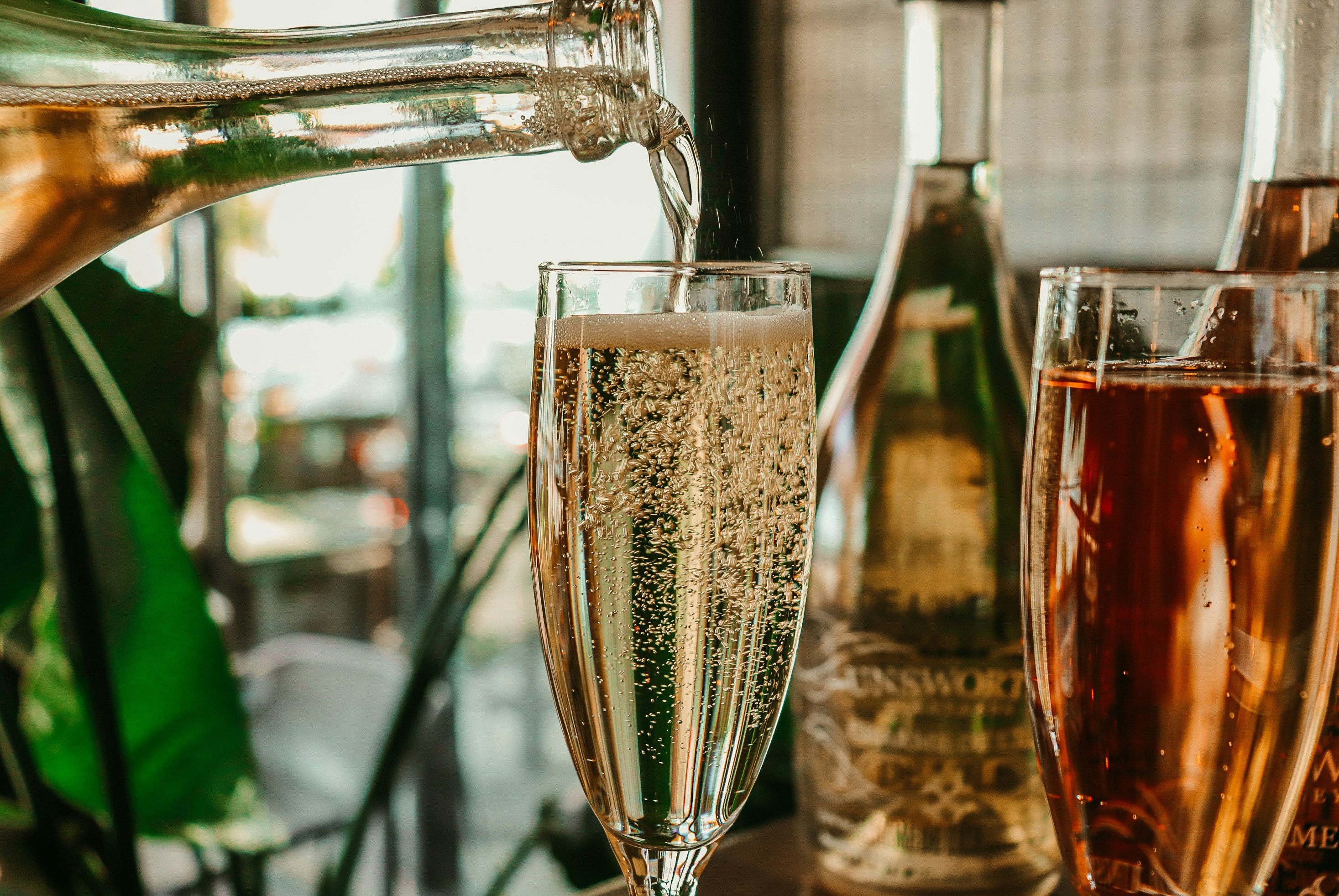
Sparkling wine contains dissolved carbon dioxide, creating the bubbles we love. How those bubbles get there determines the style and quality of the wine.
Production Methods
Traditional Method (Methode Champenoise)
Used for: Champagne, Cava, Cremant, quality sparklings
- Make base wine
- Add yeast and sugar to bottle
- Second fermentation creates bubbles
- Age on lees (dead yeast) for complexity
- Riddling and disgorgement remove yeast
- Add dosage (sugar solution) to balance
Results: Fine, persistent bubbles; complex, toasty flavors
Tank Method (Charmat)
Used for: Prosecco, most affordable sparklings
Second fermentation happens in large tanks, not individual bottles. Faster and cheaper than traditional method.
Results: Larger, frothier bubbles; fresh, fruity character
Carbonation
Used for: Very inexpensive sparklings
CO2 is simply injected into wine. No complexity from fermentation.
Sparkling Wine Styles
Champagne
The gold standard from France. Complex, toasty, age-worthy.
Prosecco
Italian, fresh and fruity. Made from Glera grape. Best served young.
Cava
Spanish traditional method sparkler. Often excellent value.
Cremant
French sparkling wines from regions outside Champagne. Great quality/value.
Understanding Sweetness Levels
From driest to sweetest:
- Brut Nature: 0-3 g/L sugar
- Extra Brut: 0-6 g/L
- Brut: 0-12 g/L (most common)
- Extra Dry: 12-17 g/L
- Dry/Sec: 17-32 g/L
- Demi-Sec: 32-50 g/L
- Doux: 50+ g/L
Serving Sparkling Wine
- Temperature: 40-45°F (cold)
- Glassware: Flute preserves bubbles; tulip releases aromas
- Opening: Twist the bottle, not the cork; aim away from faces
Food Pairing
Sparkling wine pairs brilliantly with:
- Oysters and caviar
- Fried foods (acidity cuts through fat)
- Sushi and sashimi
- Brunch dishes
Pro tip: Sparkling wine’s acidity makes it more versatile than you might think.
Celebrate with Sommo
Use Sommo to explore sparkling wines beyond Champagne and discover hidden gems from around the world.