Natural Wine Guide
Everything you need to know about natural wine - minimal intervention, indigenous yeasts, low sulfites, and why this movement is transforming winemaking.
Characteristics
- Made with minimal or no chemical intervention in vineyard and cellar
- Fermented with indigenous (wild) yeasts rather than commercial strains
- Little to no added sulfites, preserving raw, living character
- Often unfiltered and unfined, resulting in hazy or cloudy appearance
- Flavors can range from vibrant and fruity to funky and complex
Popular Grape Varieties
Food Pairings
- Charcuterie and cured meats
- Artisan cheeses
- Farm-to-table vegetable dishes
- Casual pizza and flatbreads
Serving Temperature
55-60°F (13-16°C)
What Is Natural Wine?
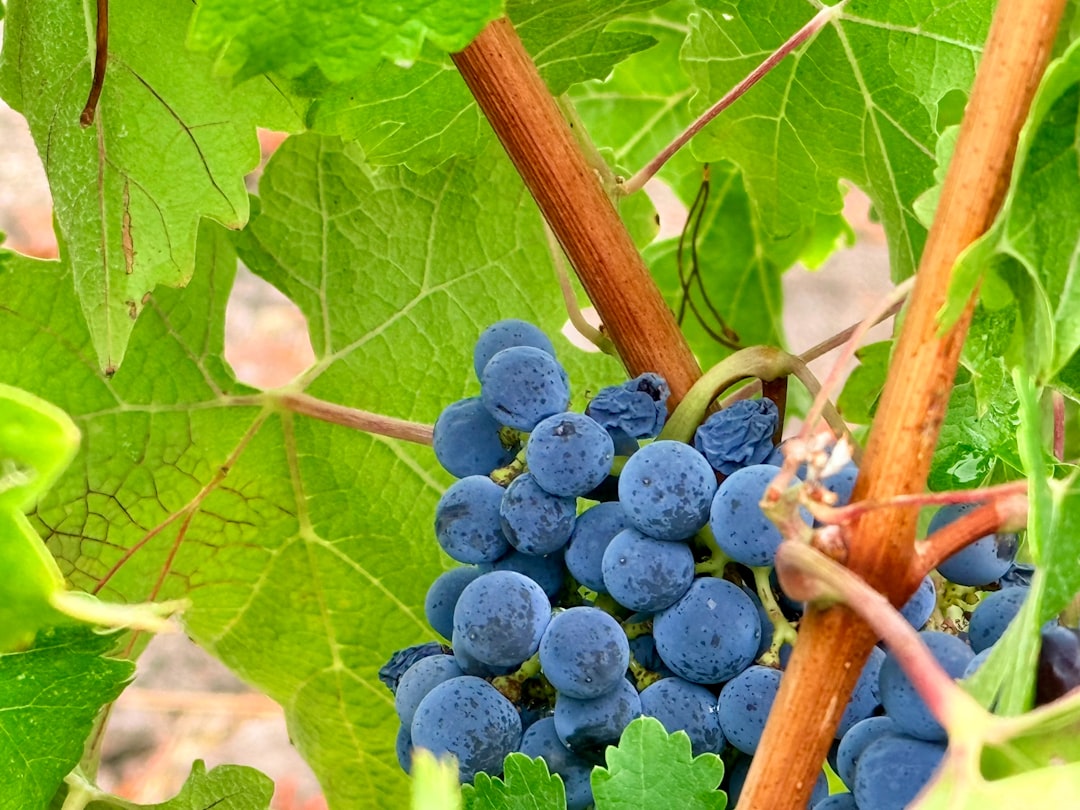
Natural wine is both the oldest and newest idea in winemaking. At its core, the concept is deceptively simple: grow grapes organically or biodynamically, harvest by hand, ferment with the wild yeasts naturally present on the grape skins and in the cellar, and bottle the wine with minimal or no added sulfites and no other additives. No commercial yeasts, no enzymes, no fining agents, no acid adjustments, no added sugar, no reverse osmosis, no micro-oxygenation – none of the dozens of interventions permitted in conventional winemaking.
The result is wine in its most unmediated form: a direct expression of grape, place, vintage, and the invisible community of microorganisms that transform juice into wine. For its advocates, natural wine represents a return to authenticity and a rejection of the industrial homogenization that has come to dominate much of global wine production. For its critics, it can be unpredictable, occasionally flawed, and frustratingly inconsistent. The truth, as with most things, lies somewhere in between.
How Natural Wine Is Made
In the Vineyard
Natural winemaking begins with farming. Virtually all natural wine producers farm organically or biodynamically, avoiding synthetic pesticides, herbicides, and fertilizers. Many go further, practicing biodiversity-focused agriculture that encourages cover crops, companion planting, and healthy soil ecosystems. The goal is to grow the healthiest possible grapes so that they arrive at the cellar with a diverse and active population of native yeasts and bacteria ready to conduct fermentation.
Hand harvesting is the norm, allowing careful selection of fruit and gentle handling that avoids premature oxidation or microbial contamination.
In the Cellar
The cellar is where natural wine diverges most dramatically from conventional winemaking:
Indigenous yeast fermentation – Rather than inoculating with predictable commercial yeast strains, natural winemakers allow the wild yeasts present on grape skins and in the cellar environment to initiate and conduct fermentation. This process is slower, less predictable, and more complex than commercial yeast fermentation, often producing a wider range of aromatic compounds and flavors.
No additives – Natural winemakers avoid the 70-plus additives and processing aids permitted in conventional winemaking. This means no added tannin powder, no commercial enzymes, no fining agents like egg whites or bentonite, no acidification or de-acidification, and no added sugar (chaptalization).
Minimal or no sulfites – This is perhaps the most debated aspect of natural wine. Sulfur dioxide (SO2) has been used as a preservative in wine for centuries, and most conventional wines contain between 50 and 200 parts per million. Natural winemakers either add no sulfites at all or use only a tiny amount at bottling (typically under 30 ppm). This means the wines are more alive and dynamic but also more vulnerable to spoilage and oxidation.
No filtration or fining – Many natural wines are bottled without filtering or fining, resulting in wines that may appear hazy or cloudy. This is not a flaw but a stylistic choice that preserves the wine’s full texture and microbial complexity.
What Natural Wine Tastes Like
Natural wines defy easy generalization because they span every color, grape variety, and region. However, certain characteristics appear frequently:
- Vibrancy and freshness – The best natural wines have a crackling energy and liveliness that can feel electric on the palate
- Funkiness – Wild yeast fermentation and the absence of sulfites can produce aromas described as barnyard, cider, kombucha, or farmhouse cheese – funky notes that are prized by fans and off-putting to some newcomers
- Fruit purity – When well-made, natural wines often display remarkably pure, unadorned fruit character without the overlay of oak or winemaking technique
- Slight effervescence – Many natural wines retain a gentle prickle of residual CO2 from fermentation, adding freshness and texture
- Variability – Because natural wines are living, changing products, they can taste different from bottle to bottle and evolve rapidly once opened
The Spectrum of Natural Wine
It is important to understand that natural wine exists on a spectrum rather than as a rigid category:
Strict Natural
No sulfites added at any stage. Truly zero-intervention winemaking. These wines are the most expressive and the most polarizing, with a short drinking window and high bottle variation.
Low-Intervention with Minimal Sulfites
A small amount of SO2 added at bottling (typically 10-30 ppm) to provide stability. This represents the majority of what is sold as natural wine and offers a balance between authenticity and reliability.
Organic and Biodynamic
Certified organic or biodynamic wines that may still use commercial yeasts or higher sulfite levels. While not strictly “natural” by the purist definition, these wines share the commitment to chemical-free farming and environmental stewardship.
Key Producers and Regions
Natural wine thrives in certain regions and among certain communities:
- Loire Valley, France – The spiritual heartland of French natural wine, with pioneers like Marcel Lapierre (Beaujolais), Thierry Puzelat, and Nicolas Joly (biodynamics)
- Beaujolais, France – The Gamay grape lends itself beautifully to natural winemaking, producing juicy, aromatic, low-tannin reds
- Jura, France – Pierre Overnoy and his disciples have made this small eastern French region a natural wine pilgrimage site, known for oxidative whites and distinctive vin jaune
- Georgia – The birthplace of wine culture, where qvevri (clay amphora) winemaking has been practiced continuously for 8,000 years, producing distinctive amber wines
- Italy – Producers like Frank Cornelissen (Sicily), Radikon (Friuli), and Emidio Pepe (Abruzzo) have made Italy a natural wine powerhouse
- Australia – A thriving new-wave natural wine scene centered in Adelaide Hills and the Yarra Valley
The Debate: Authenticity vs. Consistency
Natural wine remains one of the most debated topics in the wine world. Supporters argue that conventional winemaking has become too industrial, too homogenized, and too reliant on technology, producing wines that taste more of technique than of terroir. They point to the vibrancy, complexity, and sheer drinkability of the best natural wines as proof that less intervention leads to more interesting wine.
Critics counter that some natural wines are simply flawed – that volatile acidity, mouse taint, and excessive oxidation are not expressions of terroir but defects that winemakers should prevent. They argue that moderate, judicious use of sulfites and other tools is not antithetical to quality but essential to it.
The most thoughtful voices on both sides acknowledge that the natural wine movement has had an overwhelmingly positive impact on the broader wine industry, pushing all winemakers toward more sustainable farming, gentler cellar practices, and greater transparency about ingredients and processes.
Serving and Enjoying Natural Wine
- Temperature – Serve slightly cooler than you might a conventional wine of the same color. Reds benefit from a light chill (55-60°F), and whites should not be too cold or the aromatics will shut down
- Decanting – If a wine smells funky on opening, decanting for 20-30 minutes often allows initial volatile aromas to dissipate, revealing the fruit and complexity underneath
- Timing – Many natural wines are best consumed within a few years of release, though some age beautifully
- Open mind – Approach natural wine without preconceptions. Not every bottle will match your expectations, but the best will surprise and delight you
Explore Natural Wine with Sommo
Use the Sommo app to scan natural wines and learn about the producer, grape varieties, and winemaking philosophy behind each bottle. Whether you are a natural wine devotee or exploring the category for the first time, Sommo provides the context to understand and appreciate these distinctive, living wines.
Discover more wines like this
Scan labels, journal your favourites, and learn what makes each style unique.