South Africa is one of the wine world’s great undiscovered treasures. The Cape Winelands, clustered around Cape Town at the southern tip of the continent, offer dramatic mountain scenery, diverse soils, and a wine culture that stretches back more than three centuries. Yet for all its quality and heritage, South Africa rarely commands the attention it deserves, which means the value on offer is exceptional.
The Cape Winelands
South African wine production is almost entirely concentrated in the Western Cape. The region benefits from a Mediterranean climate moderated by two oceans: the cold Benguela Current sweeping up from Antarctica along the Atlantic coast, and the warmer Indian Ocean to the east. This interplay of temperature and wind creates a variety of microclimates that allow a remarkable range of wine styles.
Key Sub-Regions
Stellenbosch is the heartland of South African fine wine. Nestled between mountain ranges with varied granite and sandstone soils, it produces the country’s most celebrated reds, particularly Cabernet Sauvignon and Bordeaux-style blends. Estates such as Kanonkop and Meerlust have built international reputations over decades.
Franschhoek takes its name from the French Huguenots who settled here in the late 17th century. The narrow valley, sheltered by dramatic peaks, suits both whites and reds. The food and wine culture here is among the most refined in the country.
Swartland is where the energy is right now. Driven by a generation of progressive, often natural-leaning producers, this drier, inland region grows Rhone varieties alongside old bush-vine Chenin Blanc on decomposed granite and schist soils. It is the spiritual home of the Cape’s new wave.
Walker Bay, near the coastal town of Hermanus, is one of the cooler parts of the Cape, making it well suited to Pinot Noir and Chardonnay. The sea-facing vineyards here would not look out of place in Burgundy.
Constantia, on the slopes of Table Mountain just outside Cape Town, is historically the oldest wine-producing area in the country. Famous in the 18th century for its sweet Muscat wines, it now produces elegant Sauvignon Blanc and red blends in a cool, maritime style.
Key Grape Varieties
Chenin Blanc is the most planted white grape in South Africa, where it is also known as Steen. In the wrong hands it produces oceans of neutral, forgettable wine. In the right hands, particularly from old bush vines in Swartland and Stellenbosch, it delivers wines of extraordinary complexity: waxy, honeyed, and mineral, capable of ageing for a decade or more.
Pinotage is the country’s own grape, a crossing of Pinot Noir and Cinsault created in 1925. For years it had a mixed reputation, associated with rustic, rubbery reds. Modern winemaking has transformed the variety, and the finest examples show plummy, spicy character with genuine finesse. Kanonkop’s Pinotage remains the benchmark.
Cabernet Sauvignon thrives in Stellenbosch, producing structured reds with cassis, cedar, and firm tannins. Bordeaux-style blends incorporating Merlot, Cabernet Franc, and Petit Verdot are increasingly the most sought-after wines in this category.
Syrah has found a natural home in Swartland and Stellenbosch, producing peppery, olive-scented reds that sit stylistically between the Northern Rhone and Australia’s McLaren Vale.
Wine Styles and Food Pairings
The Cape’s range of styles is wider than most casual wine drinkers realise. Old-vine Chenin Blanc pairs beautifully with grilled fish, Cape Malay curry, and aged hard cheeses. Stellenbosch Cabernet and Bordeaux blends suit lamb, game, and slow-cooked beef. Pinotage, with its earthy richness, works well alongside braai (South African barbecue) and mushroom dishes. Walker Bay Pinot Noir complements duck and salmon.
Why South Africa Remains Underrated
Despite producing wines that regularly compete with equivalents from Napa, Bordeaux, and Burgundy, South African wines rarely achieve equivalent prices. The reasons are partly historical and partly a matter of market access, but for the consumer, this is an opportunity. There are benchmark-quality Chenin Blancs and Cabernets available for a fraction of the cost of comparable European or Californian bottles.
The other reason to pay attention now is the generational shift underway. Young producers are revisiting old vineyard sites, working with minimal intervention, and bringing a spirit of curiosity to varieties and regions that had previously been overlooked.
Tips for Exploring
Start with an old-vine Chenin Blanc from Swartland or Stellenbosch to understand what this variety can do at its best. Then explore Pinotage from a serious producer such as Kanonkop or Simonsig. For Cabernet, look to the Helderberg sub-region of Stellenbosch. If cool-climate wines appeal, seek out Walker Bay Pinot Noir or Constantia Sauvignon Blanc.
Explore with Sommo
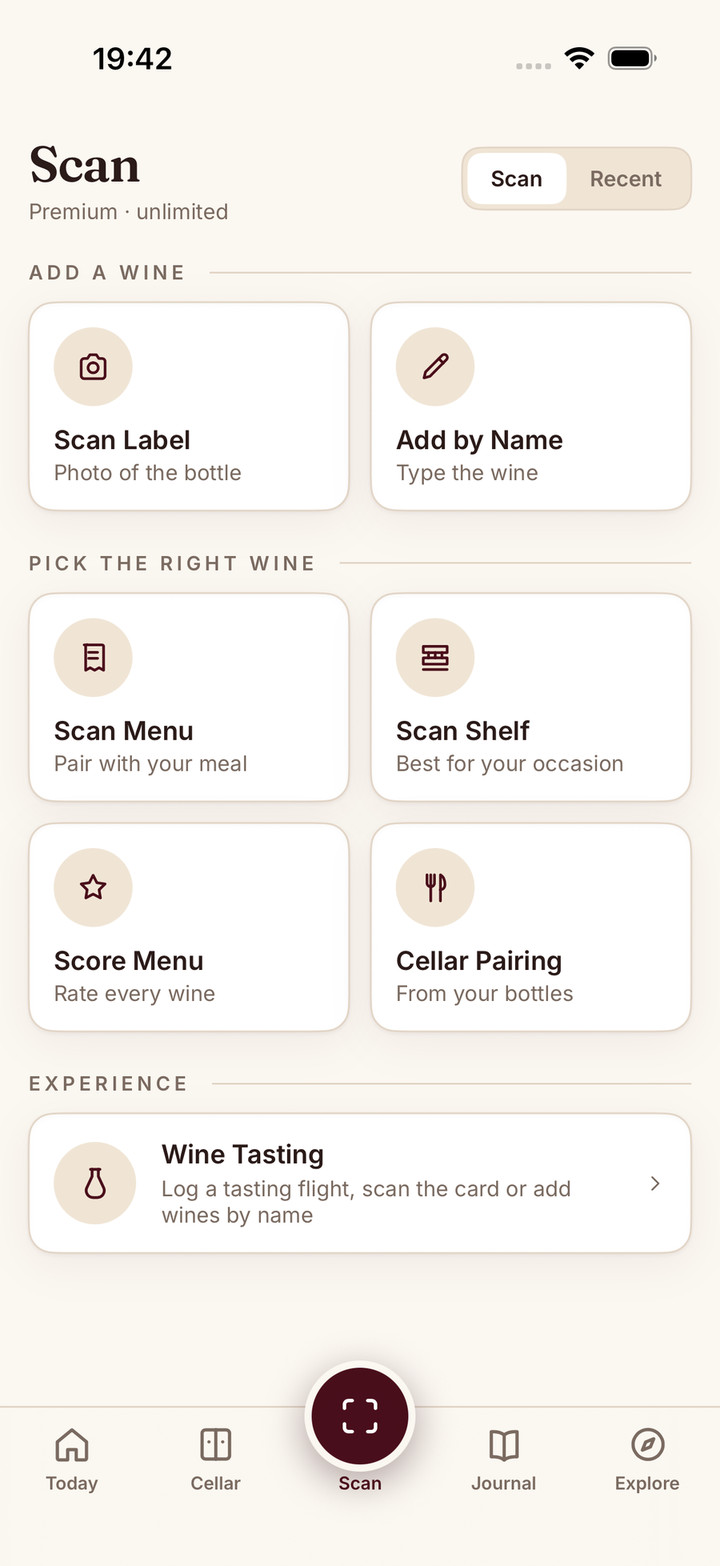
The Sommo app makes navigating South Africa’s rapidly evolving wine scene straightforward. Scan any bottle from the Cape Winelands to get instant tasting notes, producer background, food pairing suggestions, and an honest quality assessment. Whether you are browsing a restaurant wine list or standing in a bottle shop, Sommo helps you make confident choices and discover the South African wines that are genuinely worth your attention.
Download Sommo and start exploring the Cape Winelands today.
Key grapes.
Notable wines.
- Kanonkop Pinotage
- Meerlust Rubicon
- Sadie Family Palladius (Chenin Blanc blend)
- Eben Sadie Columella (Syrah blend)
Highlights.
- Stellenbosch: South Africa's Cabernet heartland with decades of fine wine heritage
- Swartland: Exciting new-wave producers and ancient bush-vine Chenin Blanc
- Franschhoek: Elegant valley wines and one of the Cape's finest food scenes
- Pinotage: South Africa's unique crossing of Pinot Noir and Cinsault