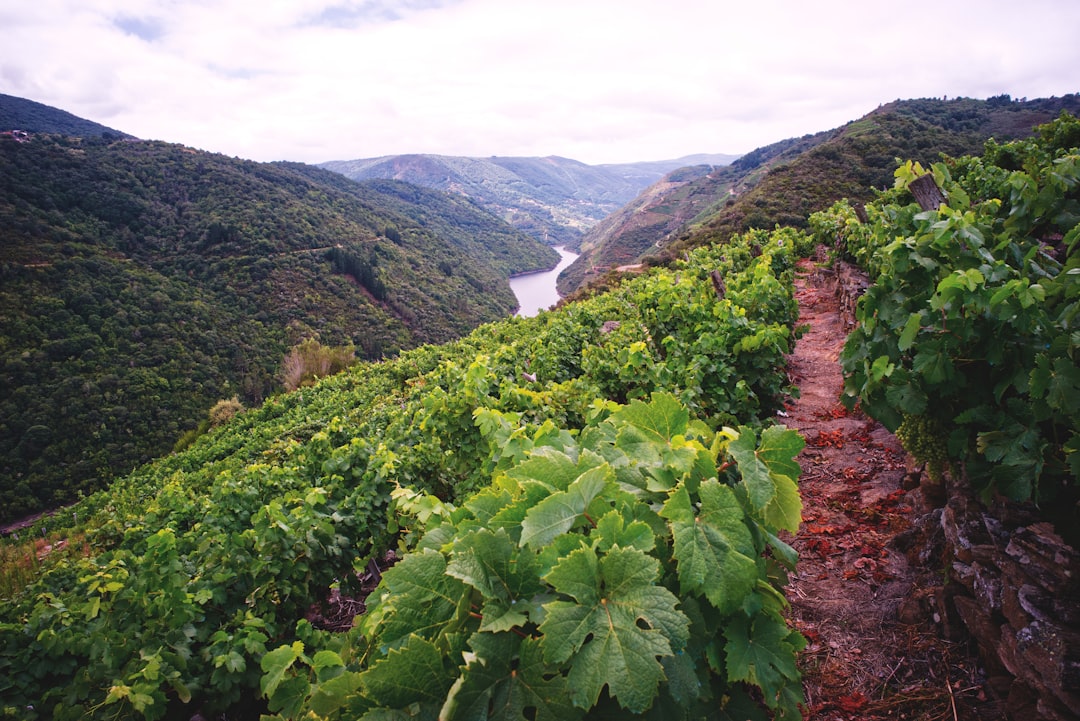
Ribera del Duero Wine Region Guide
Discover Ribera del Duero, Spain's premier region for powerful Tempranillo wines. Learn about Vega Sicilia, Tinto Fino, and high-altitude winemaking.
Key Grapes
Climate
Extreme continental climate at 700-1,000 meters elevation with scorching summers, freezing winters, and dramatic diurnal temperature variation
Notable Wines
- Vega Sicilia Unico
- Pingus
- Pesquera
- Emilio Moro
Highlights
- Spain's second most famous wine region after Rioja
- Extreme continental climate with massive day-night temperature swings
- Tempranillo known locally as Tinto Fino or Tinta del Pais
- Produces some of Spain's most age-worthy and structured red wines
Ribera del Duero stands as Spain’s most powerful and prestigious red wine region alongside Rioja, producing Tempranillo wines of extraordinary concentration, structure, and aging potential. Located on the high central plateau of Castilla y Leon, this remarkable region stretches along 115 kilometers of the Duero River at elevations between 700 and 1,000 meters above sea level. Where Rioja is often celebrated for its elegant, oak-driven refinement, Ribera del Duero is prized for its sheer intensity, muscle, and depth – a region that produces some of Spain’s most collectible and age-worthy wines.
The Land and Its Extremes
Ribera del Duero’s defining feature is its extreme continental climate. Situated on the vast Meseta Central, the region experiences some of the most dramatic temperature swings in European viticulture. Summer days regularly exceed 40 degrees Celsius, while nights can drop below 15 degrees, creating a diurnal variation of 25 degrees or more. Winters are brutally cold, with temperatures plunging well below freezing, while the growing season is short and intense.
This climatic extremity is precisely what gives Ribera del Duero wines their character. The scorching daytime heat concentrates sugars and develops deep, ripe fruit flavors, while the cold nights preserve acidity and freshness that prevent the wines from becoming jammy or flabby. The result is wines that combine New World generosity with Old World structure – bold and fruit-forward, yet structured, fresh, and built for aging.
The soils are predominantly limestone and clay, with patches of sand and gravel along the river terraces. Higher-altitude vineyards on chalky limestone produce wines of particular elegance and minerality, while lower clay-rich sites yield more powerful, concentrated expressions.
Tinto Fino: Tempranillo by Another Name
The dominant grape variety is Tempranillo, known locally as Tinto Fino or Tinta del Pais. While genetically identical to the Tempranillo grown in Rioja, the grape expresses itself very differently in Ribera del Duero’s extreme conditions. Here, Tinto Fino produces smaller berries with thicker skins, resulting in wines with more color, more tannin, and more concentration than typical Rioja Tempranillo. The flavors lean toward dark fruit – blackberry, black cherry, and plum – rather than the red fruit character more common in Rioja, with undertones of espresso, dark chocolate, leather, and aromatic herbs.
While Tinto Fino dominates, some producers blend in small amounts of Cabernet Sauvignon, Merlot, or Malbec, a tradition established by Vega Sicilia over a century ago. These international varieties can add complexity and aromatic lift, though the finest wines are increasingly pure Tinto Fino expressions from old, low-yielding vines.
Understanding Ribera del Duero Classifications
Like Rioja, Ribera del Duero uses aging classifications to indicate wine style:
- Joven (or Roble) – Young wines with little or no oak aging, emphasizing fresh fruit
- Crianza – Minimum 24 months aging, with at least 12 months in oak barrels
- Reserva – Minimum 36 months aging, with at least 12 months in oak
- Gran Reserva – Minimum 60 months aging, with at least 24 months in oak, made only in exceptional vintages
The best producers, however, often transcend these classifications, creating proprietary wines that age far longer than the minimums require and command prices among Spain’s highest.
Legendary Estates
Ribera del Duero is home to some of the most iconic names in Spanish wine:
- Vega Sicilia – Founded in 1864, Spain’s most prestigious wine estate. Their flagship Unico, a blend of Tinto Fino with small amounts of Cabernet Sauvignon, is aged for a minimum of ten years before release, producing wines of haunting complexity that can evolve for half a century. The estate’s second wine, Valbuena 5, is itself considered among Spain’s finest reds.
- Dominio de Pingus – Created by Danish winemaker Peter Sisseck in 1995, Pingus rapidly became Spain’s most expensive wine, a pure old-vine Tinto Fino of extraordinary concentration and richness that draws comparison to Bordeaux’s Petrus.
- Bodegas Alejandro Fernandez (Pesquera) – The estate that put modern Ribera del Duero on the map in the 1980s, producing rich, traditional-style Tinto Fino wines that Robert Parker famously called “Spain’s Petrus.”
- Emilio Moro – Three generations of family winemaking, producing powerful yet accessible Tempranillo wines from old vines, including the exceptional Malleolus range.
- Bodegas Aalto – Founded by former Vega Sicilia winemaker Mariano Garcia, producing concentrated, modern-style wines from old-vine fruit sourced across the region.
Why Ribera del Duero Matters for Wine Lovers
If Rioja introduced the world to Spanish Tempranillo, Ribera del Duero revealed its full potential for power and grandeur. The region demonstrates that Tempranillo can produce wines of Bordeaux-like structure and aging potential when pushed to its limits by extreme climate and altitude. For wine lovers who enjoy bold, concentrated reds with firm tannins and dark fruit character, Ribera del Duero offers a compelling alternative to Napa Cabernet or Barossa Shiraz, often at more accessible prices for the quality delivered.
The region also tells a fascinating story of transformation. Just fifty years ago, Ribera del Duero was virtually unknown outside Spain, with only Vega Sicilia carrying international renown. Today it is firmly established among Europe’s great red wine regions, a testament to what visionary winemakers can achieve when they recognize the potential in extreme terroir.
Explore Ribera del Duero with Sommo
Use the Sommo app to scan Ribera del Duero wines and unlock detailed information about producers, aging classifications, and vintage quality. Whether you are discovering an entry-level Roble or cellaring a Gran Reserva, Sommo helps you navigate this powerful and exciting Spanish wine region.
Explore this region in the app
Track wines by region, build your tasting map, and never forget a great discovery.