Priorat Wine Region Guide
Discover Spain's most prestigious wine region outside Rioja, producing powerful, mineral-driven wines from ancient slate terraces in Catalonia.
Key Grapes
Climate
Extreme continental Mediterranean with hot days, cool nights, and very low rainfall
Notable Wines
- Alvaro Palacios L'Ermita
- Clos Mogador
- Clos Erasmus
- Mas Doix Costers de Vinyes Velles
Highlights
- Spain's only DOCa besides Rioja
- Unique llicorella slate soils
- Ancient Garnacha vines over 80 years old
- Renaissance region reborn in the 1980s
Priorat is a wine region reborn. Located in the rugged mountains of Catalonia, this ancient winemaking area was nearly abandoned before a group of pioneering winemakers recognized its potential in the 1980s. Today, Priorat holds DOCa status (Spain’s highest classification, shared only with Rioja) and produces some of the country’s most sought-after and expensive wines from dramatic terraced vineyards.
The Llicorella Secret
Priorat’s extraordinary character comes from its unique llicorella soils - dark slate and quartz that force vines to struggle for survival. In this harsh terrain, vines produce tiny yields of intensely concentrated grapes. The llicorella also imparts a distinctive mineral signature that defines great Priorat wines, giving them an almost metallic, stony quality that is instantly recognizable.
A Renaissance Region
By the 1970s, Priorat was nearly extinct as a wine region. Then, in 1989, a group of visionaries including Rene Barbier and Alvaro Palacios arrived and recognized the potential in the abandoned terraces. Their “Clos” wines - Clos Mogador, Clos Erasmus, Clos Dofi, and others - put Priorat on the world wine map and sparked a complete transformation of the region.
Terroir and Climate
Priorat’s challenging environment produces wines of remarkable intensity:
- Extreme elevation - Vineyards from 100 to 700 meters
- Dramatic slopes - Terraces carved into mountainsides
- Continental climate - Hot days, cool nights, low rainfall
- Old vines - Many parcels over 80-100 years old
Key Grape Varieties
Priorat’s wines are typically blends featuring:
- Garnacha (Grenache) - The region’s traditional variety, old vines produce magic
- Carinena (Carignan) - Adds structure and dark fruit
- Cabernet Sauvignon - Often blended for complexity
- Syrah - Used in some modern blends
- Garnacha Blanca - For rare but excellent white wines
The Priorat Style
Great Priorat wines share distinctive characteristics:
- Deep, inky color
- Aromas of black fruit, herbs, and minerals
- Powerful but elegant structure
- Distinctive slate minerality on the finish
- Remarkable aging potential
Notable Producers
Priorat’s small production makes many wines highly allocated:
- Alvaro Palacios - L’Ermita is among Spain’s greatest wines
- Clos Mogador - Rene Barbier’s legendary estate
- Clos Erasmus - Daphne Glorian’s benchmark wine
- Mas Doix - Family estate producing exceptional wines
- Terroir al Limit - Natural winemaking pioneer
Visiting Priorat
Priorat offers a dramatic, off-the-beaten-path wine experience. The steep, winding roads lead through spectacular mountain scenery to tiny villages where time seems to have stopped. Winery visits require advance appointments due to small productions, but the experience of tasting these wines in their birthplace is unforgettable.
Experience the intensity of Priorat with Sommo - scan any label to discover producer stories, vineyard details, and expert tasting notes.
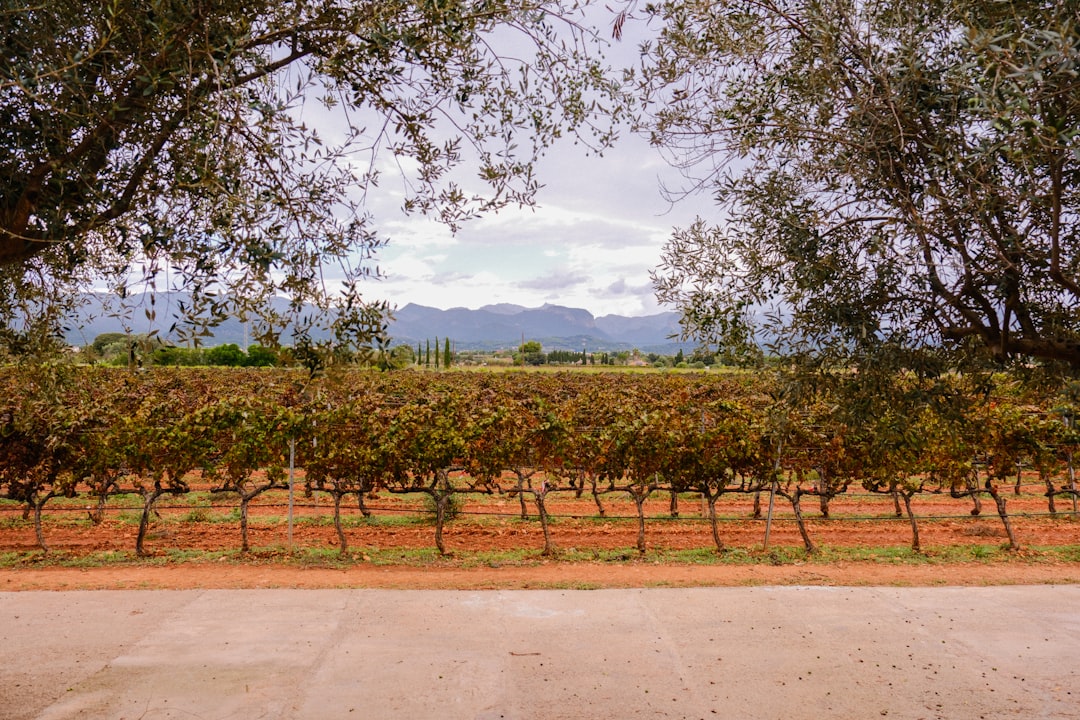
Photo by Alexis Presa on Unsplash