Portugal Wine Region Guide: Douro, Vinho Verde, Alentejo, and Beyond
Explore Portugal's diverse wine regions -- from the terraced Douro Valley and Port wine to crisp Vinho Verde and bold Alentejo reds. A complete guide to Portuguese wine.
Key Grapes
Climate
Diverse — cool Atlantic in the northwest, extreme continental in the Douro interior, and warm Mediterranean in the Alentejo south
Notable Wines
- Niepoort Batuta (Douro)
- Quinta do Vale Meao (Douro)
- Herdade do Esporao Reserva (Alentejo)
- Taylor's Vintage Port
- Quinta do Crasto Reserva (Douro)
- Soalheiro Alvarinho (Vinho Verde)
Highlights
- Douro Valley: UNESCO World Heritage terraced vineyards and birthplace of Port wine
- Vinho Verde: Crisp, refreshing Atlantic whites from Alvarinho and Loureiro
- Alentejo: Generous, sun-drenched reds offering outstanding value
- Over 250 indigenous grape varieties found nowhere else
Portugal punches well above its weight. A narrow Atlantic strip with a winemaking tradition stretching back over two thousand years, it is home to more indigenous grape varieties than any other European country and produces some of the continent’s most distinctive and undervalued wines. For too long known primarily for Port, Portugal has emerged as one of the most exciting wine countries in the world, offering remarkable quality at prices that make neighbouring France and Spain look expensive.
The Douro Valley
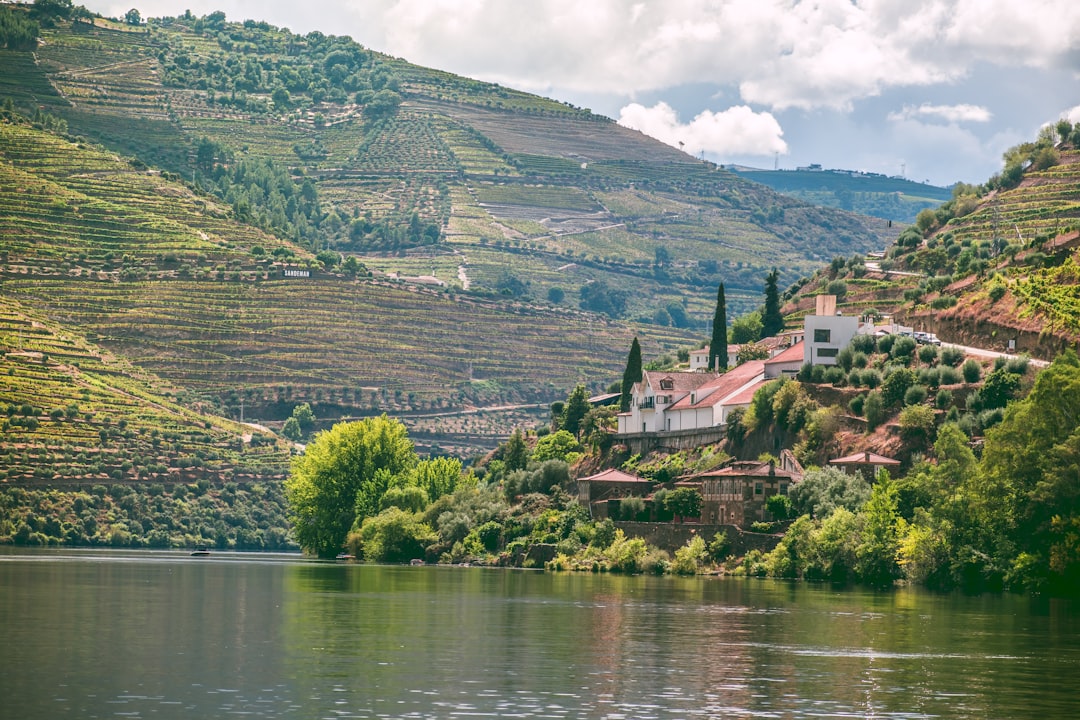
The Douro Valley is the heart of Portuguese wine. Carved into the hillsides of northern Portugal, its UNESCO World Heritage terraced vineyards are among the most dramatic landscapes in all of winemaking. The region is defined by its extremes: baking summers, freezing winters, and schist soils so hard that vines must force their roots deep into fractured rock to survive.
The Douro is the birthplace of Port wine, but the real story of the past three decades is the rise of its dry reds. Producers like Niepoort, Quinta do Vale Meao, and Quinta do Crasto are making structured, complex wines from blends of Touriga Nacional, Touriga Franca, Tinta Roriz (Tempranillo), and Tinta Barroca. These wines combine dark fruit intensity with a mineral backbone drawn from the ancient schist, and the best of them age as gracefully as top Bordeaux at a fraction of the price.
The Douro also produces exceptional dry whites from Rabigato, Viosinho, and Gouveio, offering freshness and complexity that surprise anyone expecting only reds and Port from this sun-soaked landscape.
Port Wine
No guide to Portugal is complete without Port. Produced exclusively in the Douro and aged in the lodges of Vila Nova de Gaia, Port is one of the world’s great fortified wines. The key styles span a broad range:
Ruby and Reserve Port: Fresh, fruit-driven styles aged in large vessels to preserve colour and vibrancy. The entry point, and an excellent introduction.
Tawny Port: Aged in small oak casks (pipes), developing nutty, caramel, and dried-fruit character. Ten-, twenty-, and forty-year-old Tawnies are among the most elegant fortified wines made anywhere.
Late Bottled Vintage (LBV): Single-vintage wines offering structure and depth at an accessible price. LBV is the reliable sweet spot between everyday Ports and top-tier bottlings.
Vintage Port: Declared only in the finest years, these are the pinnacle – tannic, intense, and built to age for decades. Vintage Port from houses like Taylor’s, Fonseca, and Quinta do Noval can improve for fifty years or more.
Vinho Verde
Portugal’s northwest corner produces Vinho Verde, one of the country’s most distinctive and refreshing wine styles. The name means “green wine,” referring not to colour but to youth – these wines are made to drink young and fresh. The region is lush, rainy, and green, a stark contrast to the scorched Douro just inland.
Traditional Vinho Verde is light, slightly effervescent, and bracingly acidic, often with just nine or ten per cent alcohol. Modern producers, however, are showing that the region’s granite soils and Atlantic influence can produce serious single-varietal wines from Alvarinho (known as Albarino across the border in Spain), Loureiro, and Avesso. The sub-region of Moncao e Melgaco, close to the Spanish frontier, produces Alvarinho of genuine depth and aging potential.
Alentejo
South of Lisbon, the Alentejo is Portugal’s warm, sun-drenched heartland – vast cork-oak plains and golden wheat fields stretching to the horizon. This is Portugal’s answer to the New World: generous, fruit-forward reds that are accessible on release and deliver outstanding value.
The key grapes here are Aragonez (Tempranillo), Trincadeira, Alicante Bouschet, and Touriga Nacional. Wines from top producers like Herdade do Esporao, Quinta do Mouro, and Cortes de Cima offer ripe dark fruit, supple tannins, and a warmth that reflects the landscape. The Alentejo has also become a centre for natural and organic winemaking, with producers taking advantage of the dry climate that naturally reduces disease pressure.
Dao and Bairrada
Central Portugal’s Dao region, ringed by granite mountains, produces elegant, restrained reds that contrast sharply with the Alentejo’s exuberance. Touriga Nacional is the star here, producing wines of aromatic complexity and fine-grained tannin that reward patience. Dao reds are often described as Portugal’s answer to Burgundy for their subtlety and terroir expression.
Neighbouring Bairrada is the home of the Baga grape, which produces tannic, age-worthy reds that can be challenging in youth but magnificent with a decade or more in bottle. Luis Pato and Filipa Pato have done much to demonstrate Baga’s potential to the wider world.
Lisboa and Setubal
The Lisboa (formerly Estremadura) region north of the capital is one of Portugal’s best-kept secrets for value. Atlantic-influenced vineyards produce fresh, aromatic whites and juicy reds at prices that make them some of Europe’s greatest bargains.
The Setubal Peninsula, south of Lisbon, is famous for Moscatel de Setubal, a luscious fortified Muscat, and increasingly for serious dry reds from the Palmela appellation.
Why Portugal Matters Now
Portugal offers something increasingly rare in the wine world: genuine character at fair prices. With over 250 native grape varieties, a range of climates from Atlantic cool to Mediterranean warmth, and a new generation of ambitious winemakers, it is producing wines that are unlike anything else. Whether you are exploring a crisp Vinho Verde on a summer afternoon, a structured Douro red with dinner, or a forty-year-old Tawny Port after, Portugal rewards curiosity.
Explore Portuguese Wine with Sommo
Scan any Portuguese wine label with the Sommo app to identify the region, grape varieties, and producer instantly. Dive deeper into the Douro Valley or explore how Touriga Nacional expresses itself across Portugal’s diverse terroirs. Whether you are new to Portuguese wine or building on existing knowledge, Sommo helps you navigate one of Europe’s most exciting wine countries with confidence.