Piedmont, nestled in northwestern Italy at the foot of the Alps, represents the pinnacle of Italian winemaking. This noble region produces some of the world’s most sought-after wines, including the legendary Barolo and Barbaresco from the Nebbiolo grape. With a rich gastronomic heritage that includes white truffles, hazelnuts, and exceptional cuisine, Piedmont offers an unparalleled wine and food experience. For broader context on Italian wine, see our top 10 Italian wine regions beyond Tuscany post and the wine regions that punch above their weight 2026 post.
The Land of Nebbiolo
Nebbiolo is Piedmont’s noble grape, producing wines of extraordinary complexity, power, and longevity. Named for the nebbia (fog) that blankets the vineyards during harvest, this late-ripening variety requires the best hillside exposures to reach full maturity. In skilled hands, Nebbiolo produces wines that combine haunting aromatics with formidable structure.
Barolo: The King of Wines
Barolo is often called “the wine of kings, the king of wines.” Produced in eleven communes south of Alba, this DOCG wine must be aged at least 38 months, with Riserva requiring 62 months. Great Barolo offers:
- Pale garnet color that deepens with age
- Aromas of roses, tar, dried herbs, and cherries
- Firm tannins that soften over decades
- Remarkable aging potential - often 20-50+ years
Barbaresco: The Queen
Barbaresco, Barolo’s more approachable sibling, comes from four communes around the town of the same name. While sharing Barolo’s grape and general character, Barbaresco is typically more perfumed, earlier maturing, and slightly lighter in body, though still capable of great aging.
Beyond the Big Two
Piedmont offers tremendous diversity beyond its flagship wines:
- Barbera d’Asti/Alba - Fruity, high-acid reds for everyday enjoyment
- Dolcetto - Soft, grapey wines meant for young drinking
- Gavi - Crisp white from the Cortese grape
- Moscato d’Asti - Delicate, sweet sparkling wine
- Roero - Emerging region for both Nebbiolo and Arneis
Notable Producers
Piedmont’s producer landscape includes legendary names:
- Giacomo Conterno - Traditional Barolo of legendary status
- Bruno Giacosa - Master of both Barolo and Barbaresco
- Gaja - Modernist icon who elevated the region globally
- Bartolo Mascarello - Traditional producer, highly sought wines
Visiting Piedmont
The Langhe and Roero hills offer one of Italy’s most enchanting wine touring experiences. Explore medieval hilltop villages, dine on tajarin pasta with white truffles, and taste wines in historic cellars. The autumn truffle season makes October and November particularly magical times to visit.
Alto Piemonte and Other Sub-Regions
Beyond the famous Langhe communes, Piedmont includes serious northern sub-regions producing distinctive Nebbiolo at lower prices. Gattinara, Ghemme, Carema, and Lessona all make lighter, more elegant Nebbiolo than Barolo, with bright acidity and floral aromatics. Producers like Travaglini and Antoniolo (Gattinara) deliver Barolo-style complexity at half the price.
Food Pairings
Piedmont wines are built around the region’s food culture.
- Tajarin pasta with white truffle (October to December): Aged Barolo or Barbaresco
- Brasato al Barolo (beef braised in Barolo): A young Barolo or serious Barbera
- Roast guinea fowl or game birds: Nebbiolo at any level. See our wine with goose, duck, and game birds guide.
- Aged Castelmagno or Bra cheese: Old Nebbiolo
- Hazelnut desserts (torta di nocciole): Moscato d’Asti or Barolo Chinato
For more pairing principles, see our how to pair wine with food guide.
Aging Potential
Piedmont produces some of the world’s most age-worthy wines.
- Langhe Nebbiolo: 5 to 10 years.
- Barbaresco (basic): 10 to 25 years.
- Barolo (basic): 10 to 30 years.
- Top single-vineyard Barolo from great vintages: 25 to 50+ years.
- Moscato d’Asti: 1 to 2 years (drink fresh).
For Barolo specifically, including how vintage and producer style move the window, see when is Barolo ready to drink. For broader cellaring guidance, see our how long to age this bottle cheat sheet.
Learn More with Sommo
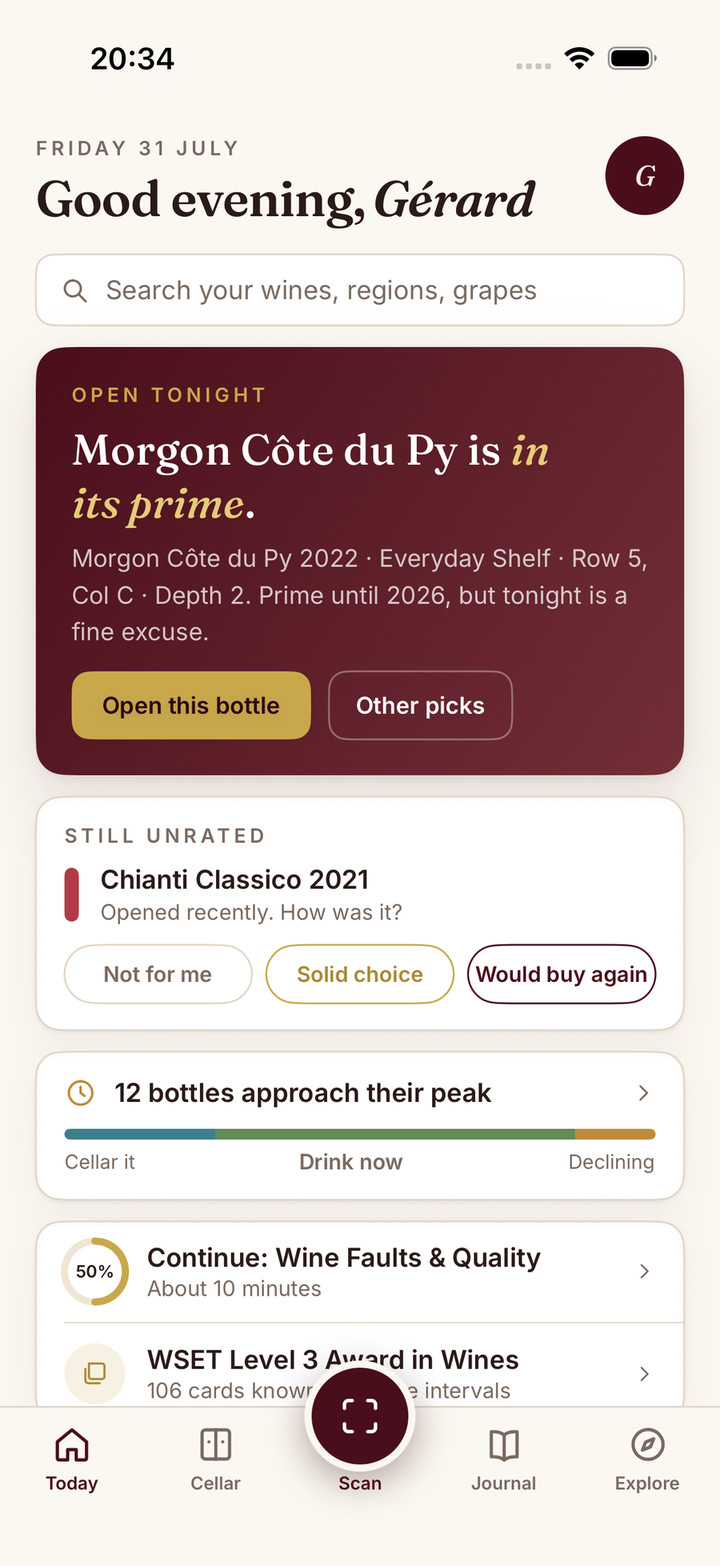
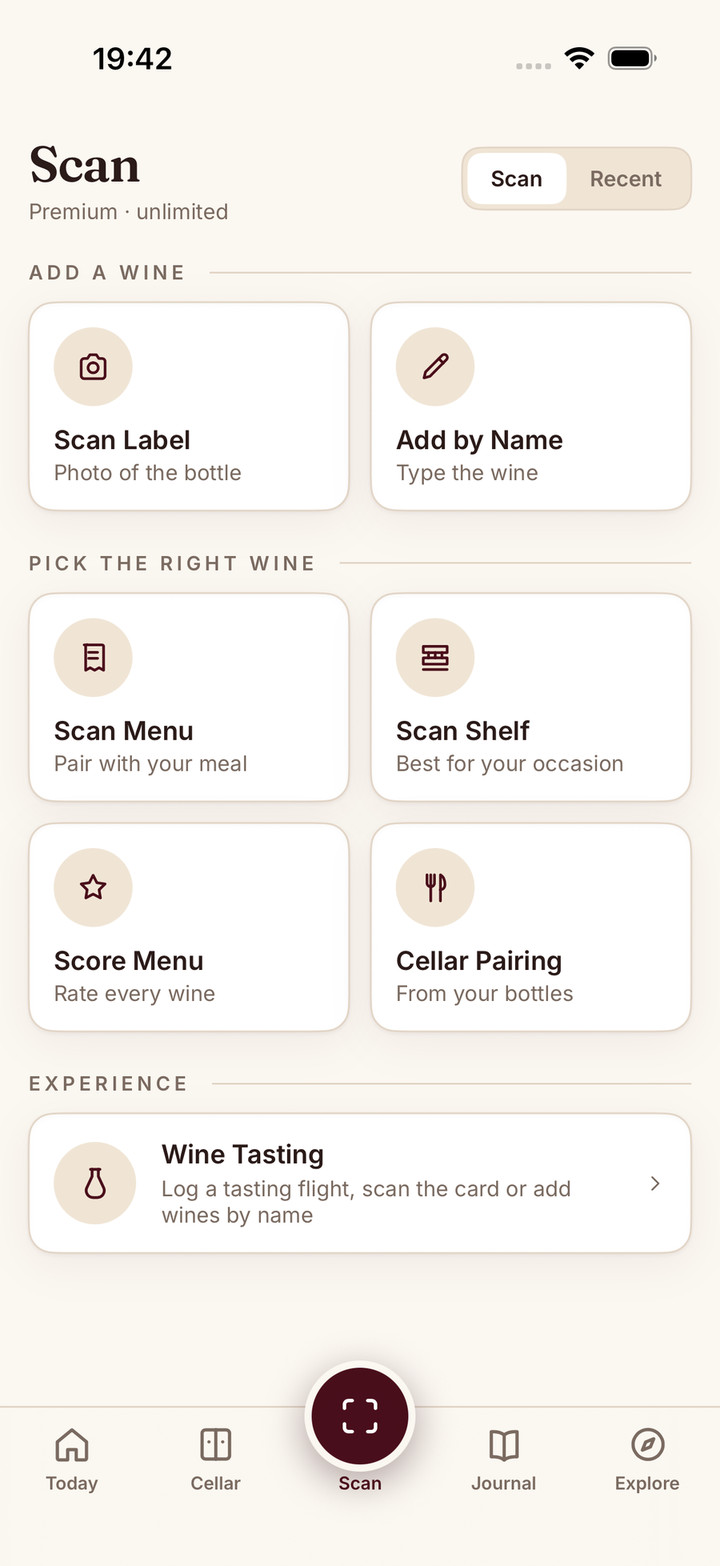
Experience the majesty of Piedmont wines with Sommo. Scan any label to unlock detailed producer information, vintage assessments, and expert guidance. The cellar feature is particularly valuable for Piedmont’s serious Nebbiolo, where drinking windows can span decades and the difference between “too young” and “perfect” is often dramatic.
Check the year before the producer in the Piedmont vintage chart, covering 2000 through 2025 across early-drinking whites and cellar-built reds.
Key grapes.
Notable wines.
- Giacomo Conterno Monfortino
- Bruno Giacosa Falletto
- Gaja Barbaresco
- Bartolo Mascarello Barolo
Highlights.
- Home to Barolo, the King of Wines
- Barbaresco, the Queen of Italian wines
- Noble Nebbiolo grape at its finest
- UNESCO World Heritage Langhe landscapes