The Mosel wine region is Germany’s oldest and most prestigious wine-producing area, renowned for producing some of the world’s finest Riesling wines. Winding through a dramatic river valley, the Mosel and its tributaries, the Saar and Ruwer, create a landscape of breathtaking beauty where centuries-old winemaking traditions thrive. For most serious wine drinkers, Mosel Riesling is one of the most rewarding categories in white wine, with bottles that combine bright acidity, low alcohol, mineral depth, and decades of ageing potential at prices that have not yet caught up with the quality.
A Region Shaped by Nature
What makes Mosel wines truly exceptional is the unique combination of steep slate slopes, a cool continental climate, and the Riesling grape’s ability to express terroir with remarkable precision. The vineyards here are among the steepest in the world, with some slopes reaching 70-degree inclines. These dramatic gradients force viticulture to be done almost entirely by hand, but they also create the perfect conditions for ripening Riesling slowly and completely.
The river itself plays a critical role. The Mosel reflects sunlight onto the vineyards across the day, extending the growing season and helping grapes reach optimal ripeness even at the high latitudes (the Mosel sits at roughly 50 degrees north, the same latitude as southern Canada).
The Magic of Slate
The region’s distinctive blue and grey slate soils are the secret behind Mosel’s mineral, precise wines. These ancient soils, formed over 400 million years ago, absorb heat during the day and release it slowly at night, helping grapes achieve optimal ripeness in this cool climate. The slate also imparts a characteristic flinty, mineral quality to the wines that is immediately recognisable.
Different slate types produce different wine styles. Blue Devonian slate (the most common) produces wines with bright acidity and citrus minerality. Red slate, found in parts of the Middle Mosel and Saar, produces wines with more body, richer fruit, and earthier mineral notes.
Key Wine Styles
Mosel is famous for producing Riesling in a range of styles, mostly governed by the German Prädikat classification system that measures ripeness at harvest.
- Trocken (Dry): Crisp, mineral-driven wines with piercing acidity. Often labelled “Grosses Gewächs” at the top tier. Alcohol typically 11.5 to 12.5 percent.
- Feinherb / Halbtrocken (Off-dry): Balanced sweetness with refreshing acidity. Often the most food-friendly style.
- Kabinett: Light-bodied, lower alcohol (typically 7.5 to 9 percent), with delicate sweetness balanced by piercing acidity.
- Spätlese (Late Harvest): More concentrated, higher residual sugar, still typically low alcohol. One of the most distinctive food wines in the world.
- Auslese: Selectively harvested late-ripening grapes. Sweet, often partly botrytised, dramatically age-worthy.
- Beerenauslese (BA) and Trockenbeerenauslese (TBA): Rare, intensely sweet dessert wines made from individually selected botrytised berries. Among the most age-worthy wines in existence.
- Eiswein (Ice Wine): Made from grapes frozen on the vine. Intensely sweet and concentrated.
For broader context on Mosel’s styles and how to pair them, see our Riesling wine guide and beginner’s guide to sweet wines.
Notable Vineyards and Producers
The Mosel is home to legendary vineyard sites and producers.
Famous vineyards:
- Wehlener Sonnenuhr: Famous “sundial” vineyard producing powerful, structured Rieslings
- Bernkasteler Doctor: One of Germany’s most celebrated vineyard sites
- Scharzhofberg (Saar): Legendary site known for crystalline purity
- Brauneberger Juffer: A south-facing vineyard producing remarkably elegant wines
- Erdener Treppchen and Erdener Prälat: Top sites in the lower Middle Mosel
Renowned producers:
- Joh. Jos. Prüm: The benchmark Wehlener Sonnenuhr producer
- Egon Müller: Producer of Scharzhofberger TBA, one of the world’s most expensive white wines
- Selbach-Oster: Excellent across the range, exceptional Kabinett and Spätlese
- Willi Schaefer: Tiny estate, cult following
- Dr. Loosen: Larger but consistent quality
- Fritz Haag, Reichsgraf von Kesselstatt, Maximin Grünhaus: Other producers worth knowing
For more on regional travel and exploration, see our wine regions that punch above their weight 2026 post and top 10 wine regions to visit this summer 2026.
Food Pairings
Mosel Riesling is one of the most food-flexible white wines in the world.
- Spicy Asian food: Off-dry Spätlese with Thai green curry or Sichuan dishes is one of wine’s great pairings. See our wine and Asian food pairing guide.
- Pork dishes: Particularly with sweet or fruit-based sauces. The German tradition pairs Riesling with pork knuckle and choucroute.
- Sushi and raw fish: Dry Riesling Trocken handles raw fish beautifully.
- Goat cheese and aged hard cheeses: Off-dry Spätlese or Auslese.
- Fruit-based desserts: Auslese or BA with peach tart, apricot pastries, or pear poached in wine.
Experiencing Mosel
Beyond the wines, the Mosel Valley offers stunning scenery, charming wine villages, and medieval castles perched on hillsides. The region is perfect for wine touring, with many estates offering tastings and cellar visits. The best time to visit is during the autumn harvest season (September and October) when the valley blazes with golden colours. Bernkastel-Kues is the most accessible base for travellers; Piesport and Trittenheim are quieter alternatives.
For trip planning, see our first European wine trip guide.
A Mosel Starter Cellar
If you want to explore the region, six bottles cover the territory:
- A basic Riesling Kabinett from Dr. Loosen or Selbach-Oster ($18 to $25)
- A serious Riesling Spätlese from Joh. Jos. Prüm or Willi Schaefer ($30 to $45)
- A single-vineyard Riesling Grosses Gewächs Trocken ($35 to $60)
- A Riesling Auslese ($45 to $80)
- A Riesling Eiswein in a half-bottle ($60 to $100)
- A Trockenbeerenauslese in a half-bottle as a milestone purchase ($100 to $300+)
Drinking through these in succession is one of the most efficient wine educations available.
Aging Potential
Mosel Riesling ages extraordinarily.
- Kabinett: 10 to 25 years.
- Spätlese: 15 to 30 years.
- Auslese: 20 to 50+ years.
- BA and TBA: 50 to 100+ years.
For broader cellaring guidance, see our how long to age this bottle cheat sheet.
Learn More with Sommo
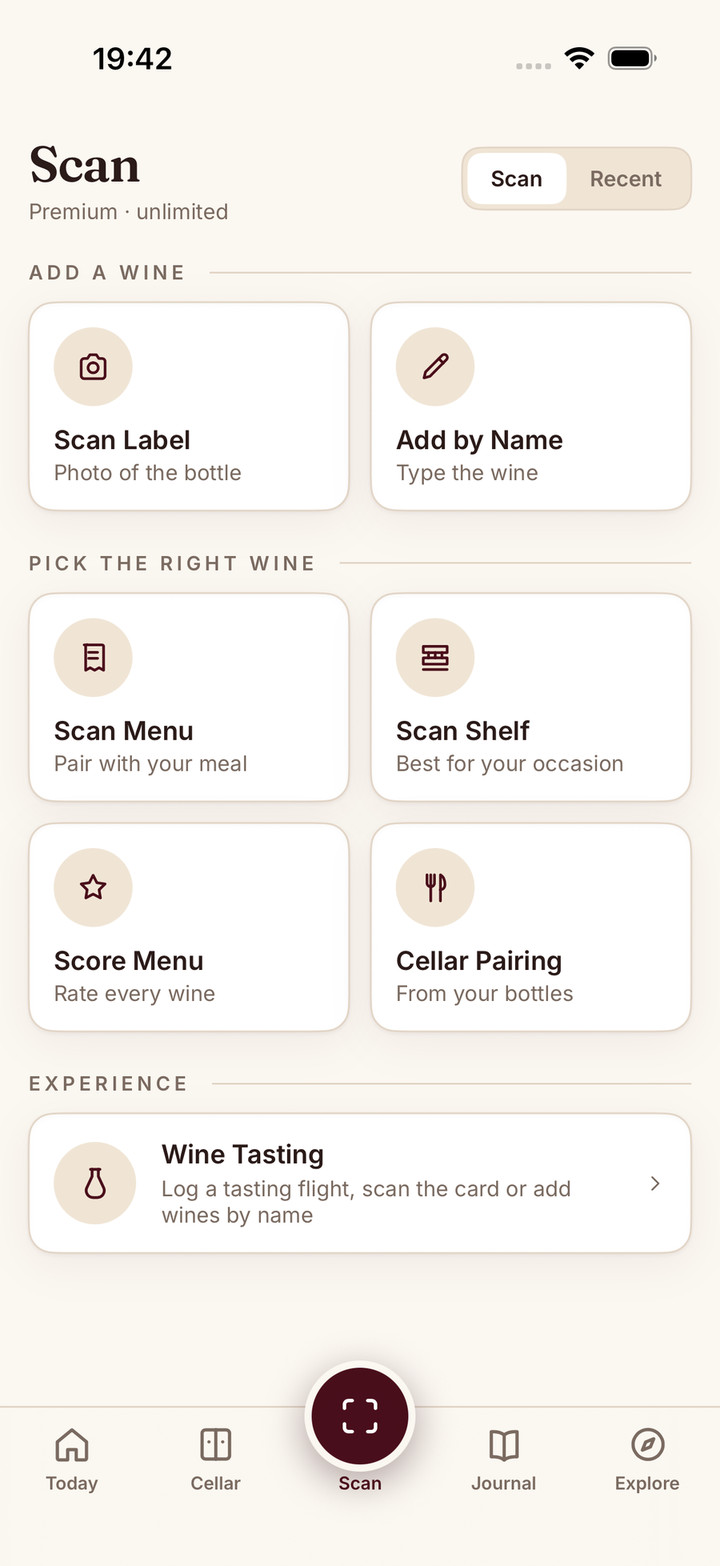
Whether you are a seasoned wine enthusiast or just beginning your wine journey, Mosel Rieslings offer an unparalleled introduction to the concept of terroir and the heights that German winemaking can achieve. Use Sommo to scan any Mosel wine label and discover the story behind each bottle. The cellar feature is particularly valuable for Mosel Riesling, where drinking windows can span decades.
Key grapes.
Notable wines.
- JJ Prum Wehlener Sonnenuhr
- Egon Muller Scharzhofberger
- Dr. Loosen Erdener Pralat
- Fritz Haag Brauneberger Juffer
Highlights.
- Steepest vineyards in the world, up to 70-degree slopes
- Ancient slate soils over 400 million years old
- Diverse styles from bone-dry to lusciously sweet
- Home to legendary vineyard sites like Wehlener Sonnenuhr