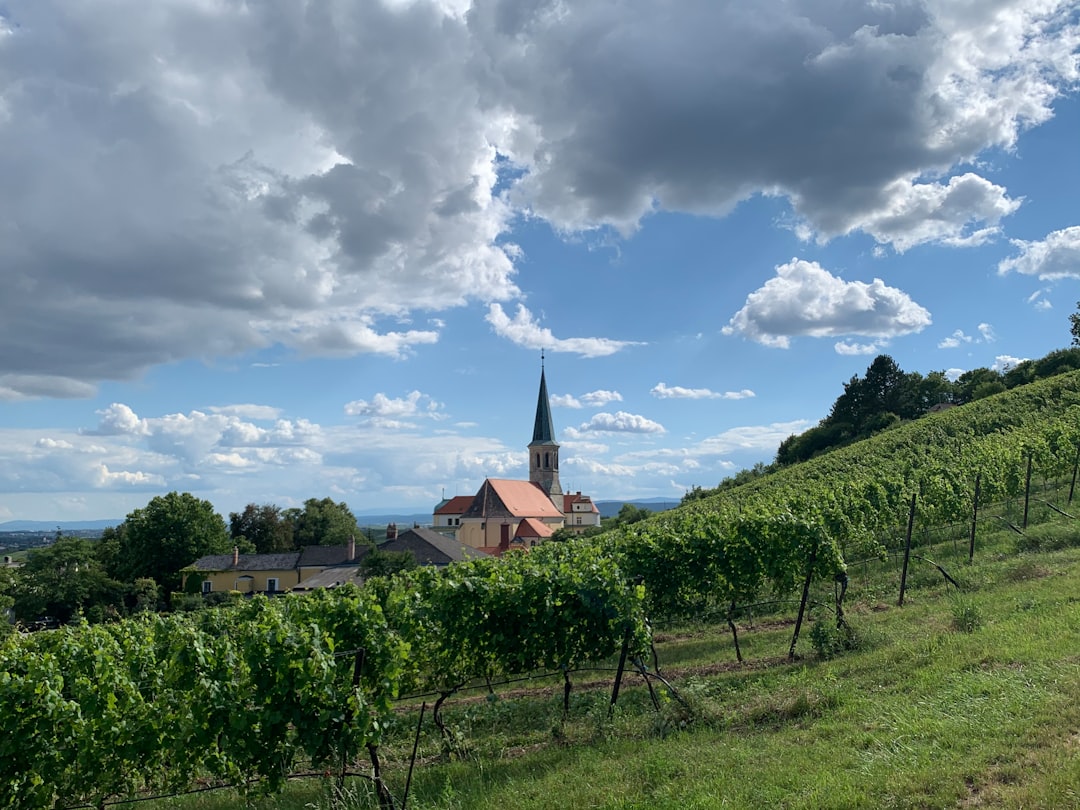
Kamptal Wine Region Guide: Austria's Grüner Veltliner & Riesling Heartland
Discover the Kamptal wine region in Lower Austria — terraced vineyards along the Kamp River, world-class Grüner Veltliner and Riesling, and the renowned Heiligenstein vineyard.
Key Grapes
Climate
Continental climate with warm Pannonian influence from the east and cool air from the Waldviertel forests to the north, creating ideal conditions for aromatic white wines.
Notable Wines
- Bründlmayer Alte Reben Grüner Veltliner
- Schloss Gobelsburg Heiligenstein Riesling
- Jurtschitsch Stein Grüner Veltliner
- Hiedler Maximum Grüner Veltliner
Highlights
- Heiligenstein vineyard: volcanic soils producing Austria's finest Riesling
- Kamptal DAC classification with Klassik and Reserve tiers
- Cool-climate whites with mineral precision and aging potential
- Loess and volcanic terroir creating distinctive wine styles
Kamptal ranks among Austria’s most respected white wine regions. It lies in Lower Austria, following the Kamp River valley through terraced slopes and gentle hillsides. Alongside neighbouring Wachau and Kremstal, it is a benchmark for crystalline Grüner Veltliner and structured Riesling — wines that combine ripe fruit with firm acidity and a clear sense of place.
The Kamp Valley Terroir
The valley’s vineyards sit on a patchwork of loess (wind-blown silt) and volcanic soils, often within a single estate. Loess gives generous, aromatic fruit and a creamy texture; volcanic sites, especially on steeper slopes, lend mineral drive and longevity. The Kamp River moderates temperatures and reflects light onto the vines, helping ripeness in cooler years. From the east, Pannonian warmth pushes into the valley; from the north, cool air drifts down from the Waldviertel forests. That push and pull extends the growing season and preserves acidity in the grapes, which is why Kamptal whites feel both ripe and precise.
Key Vineyards and Appellations
Several vineyard names appear again and again on Austria’s finest labels. Heiligenstein is the most famous: a south-facing cru on volcanic rock where Riesling achieves remarkable concentration and age-worthiness. Gaisberg and Lamm are equally prized sites for both Riesling and Grüner Veltliner, each with its own soil mix and exposure. Legally, quality is framed by Kamptal DAC, the region’s appellation for typicity. DAC rules focus on Grüner Veltliner and Riesling (with defined ripeness and style parameters), helping drinkers recognise authentic Kamptal character on the label.
Grape Varieties
Grüner Veltliner is the region’s signature variety. Classic examples show white pepper, citrus, and a savoury note sometimes described as lentil or legume — a calling card of the grape in Austria. Riesling from Kamptal tends to be more structured and muscular than many Wachau bottlings: firmer extract, pronounced minerality on volcanic sites, and excellent cellaring potential. For a deeper dive into Austria’s flagship white, see our Grüner Veltliner guide.
Wine Styles
Kamptal DAC wines are often grouped into Klassik and Reserve. Klassik emphasises freshness, clarity, and earlier enjoyment — bright fruit, snap, and food-friendly profiles. Reserve allows richer body, more complexity, and often longer élevage, suited to serious dining and aging. Single-vineyard (Ried) bottlings sit at the top of the hierarchy, where terroir differences between Heiligenstein, Gaisberg, Lamm, and others are most explicit. Compared with Wachau, which has its own traditions and fame, Kamptal can feel slightly broader and more diverse in soil; Kremstal, immediately adjacent, shares similarities but Kamptal’s volcanic crus — especially Heiligenstein — define a unique Riesling voice.
Explore Kamptal with Sommo
Whether you are tasting by the glass in Vienna or building a cellar of Austrian whites, Sommo helps you learn as you go: scan labels, compare regions, and keep track of what you love. When you are ready to contrast styles, open our Wachau region guide and taste Riesling and Grüner Veltliner from both valleys side by side — one of the quickest ways to grasp Danube corridor terroir.
Photo by Herbert Ritsch on Unsplash
This grape features in the WSET Level 3 Cheat Sheet. Studying for your exam? Try the free Level 3 mock exam.