Chablis Wine Region Guide
Explore Chablis, Burgundy's northern outpost for pure, mineral-driven Chardonnay. Learn about Kimmeridgian limestone, Grand Cru vineyards, and unoaked style.
Key Grapes
Climate
Cool continental with significant frost risk, long growing season preserving high natural acidity
Notable Wines
- Chablis Grand Cru Les Clos
- Raveneau
- William Fevre
- Dauvissat
Highlights
- Kimmeridgian limestone packed with ancient fossilized oyster shells
- Tradition of unoaked, mineral-focused Chardonnay
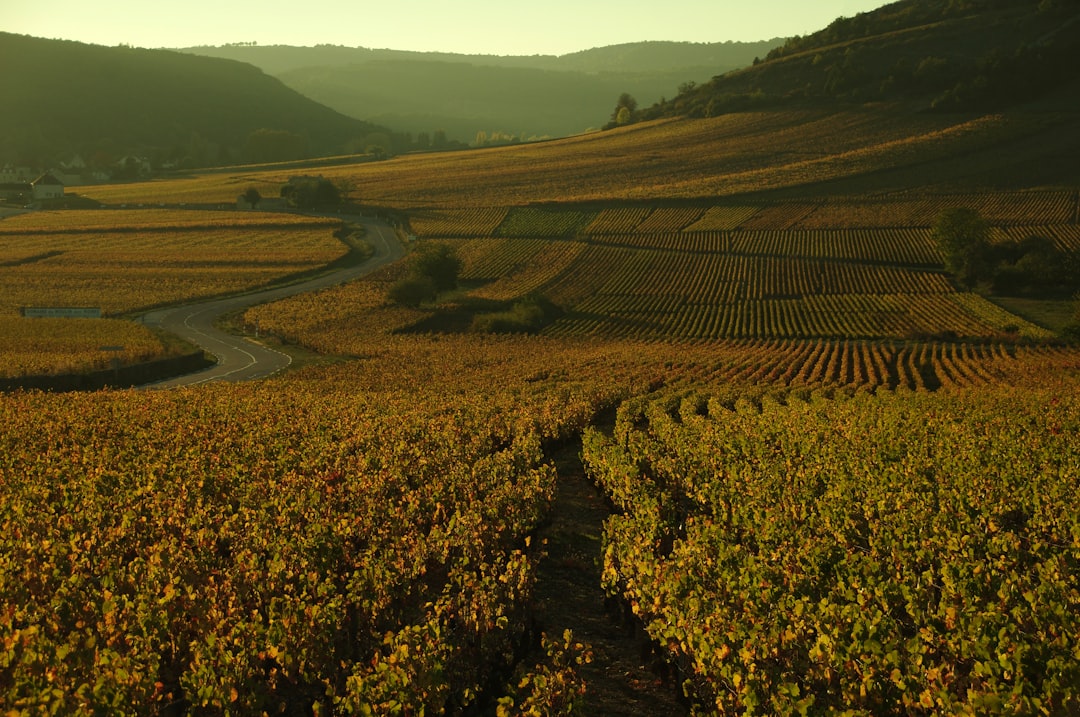
- Seven Grand Cru vineyards on a single southwest-facing slope
- Piercing acidity and flinty minerality defining the style
Chardonnay in Its Purest Form
Chablis stands apart from the rest of Burgundy, both geographically and stylistically. Located 100 kilometers northwest of the Cote d’Or, this cool-climate outpost produces Chardonnay of piercing purity, where mineral expression and acidity take precedence over richness and oak. In a world where Chardonnay is often associated with buttery, oaky styles, Chablis offers a bracing, crystalline alternative that has captivated wine lovers for centuries.
Understanding Chablis Classifications
Like the rest of Burgundy, Chablis follows a strict quality hierarchy:
- Petit Chablis - From outlying vineyards on Portlandian limestone, lighter and more straightforward
- Chablis - The core appellation, offering crisp, citrus-driven wines with characteristic minerality
- Premier Cru - From 40 named vineyards grouped into 17 main designations, showing greater depth and complexity
- Grand Cru - Seven prestigious vineyards on a single southwest-facing slope above the town, producing the most concentrated and age-worthy wines
The Grand Cru Vineyards
The seven Grand Crus occupy a single hillside overlooking the Serein River: Blanchot, Bougros, Les Clos, Grenouilles, Les Preuses, Valmur, and Vaudesir. Les Clos is generally considered the finest, producing wines of extraordinary power and longevity. These vineyards benefit from ideal sun exposure and the region’s most concentrated Kimmeridgian limestone soils.
Kimmeridgian Limestone: The Key to Chablis
What makes Chablis unique is its Kimmeridgian limestone, a geological formation packed with tiny fossilized oyster shells from an ancient sea that covered the region 150 million years ago. These chalky, fossil-rich soils impart a distinctive flinty minerality to the wines — that unmistakable steely, almost saline quality that defines great Chablis.
The Oak Debate
Chablis has long been divided between producers who ferment and age in stainless steel to preserve purity and those who use oak barrels to add richness and complexity. The unoaked camp, led by producers like Raveneau and Dauvissat, emphasizes terroir expression and laser-sharp focus. Oak-friendly producers like William Fevre argue that careful barrel use enhances texture without masking the wine’s identity. Both approaches yield exceptional results.
Why Chablis Matters for Wine Lovers
Chablis is the ultimate expression of Chardonnay without artifice. It demonstrates that great wine can be built on acidity and minerality rather than power and richness, making it one of the world’s supreme food wines and a benchmark for understanding terroir-driven white winemaking.
Explore Chablis with Sommo
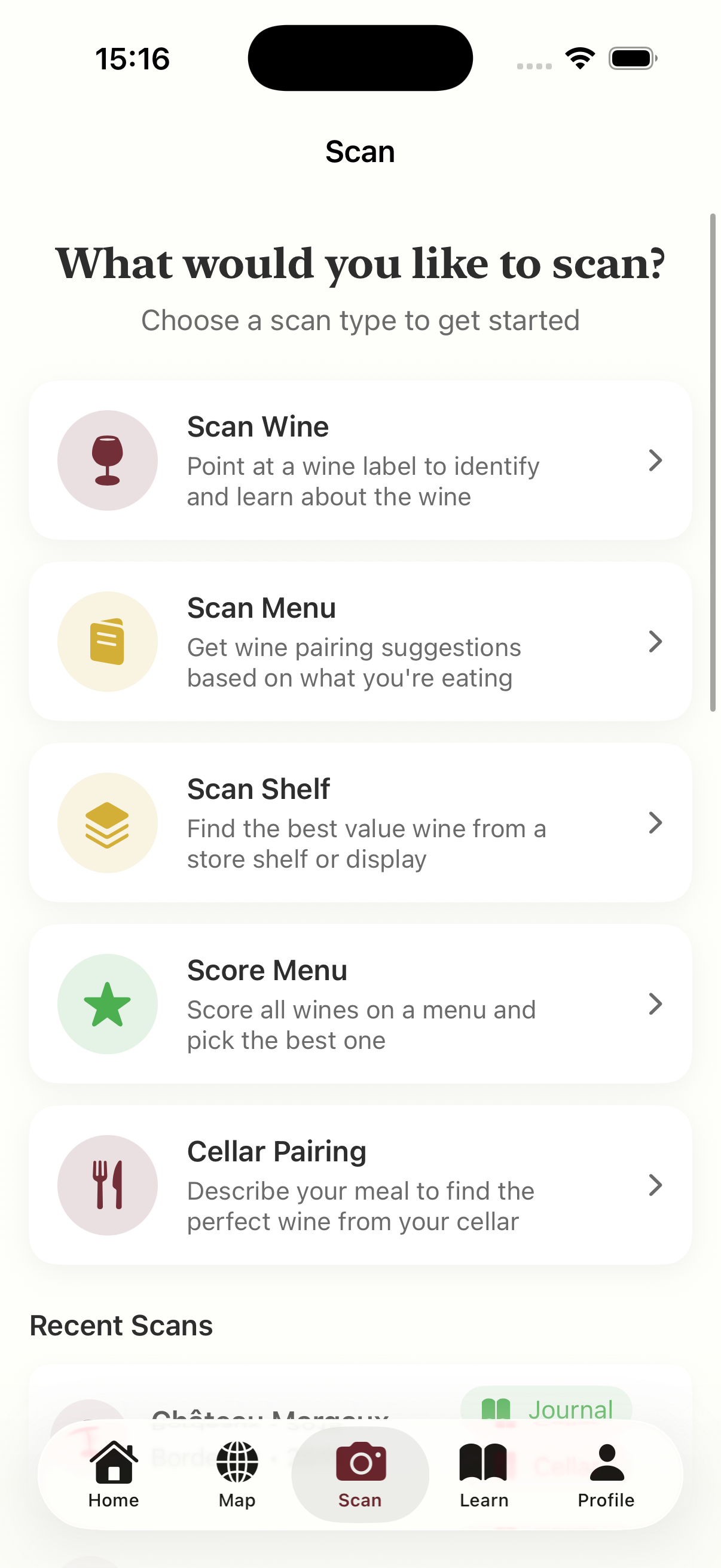
Use the Sommo app to scan Chablis wines and instantly learn about the vineyard classification, producer philosophy, and vintage quality. Build your knowledge of this essential wine region one bottle at a time.
Explore this region in the app
Track wines by region, build your tasting map, and never forget a great discovery.