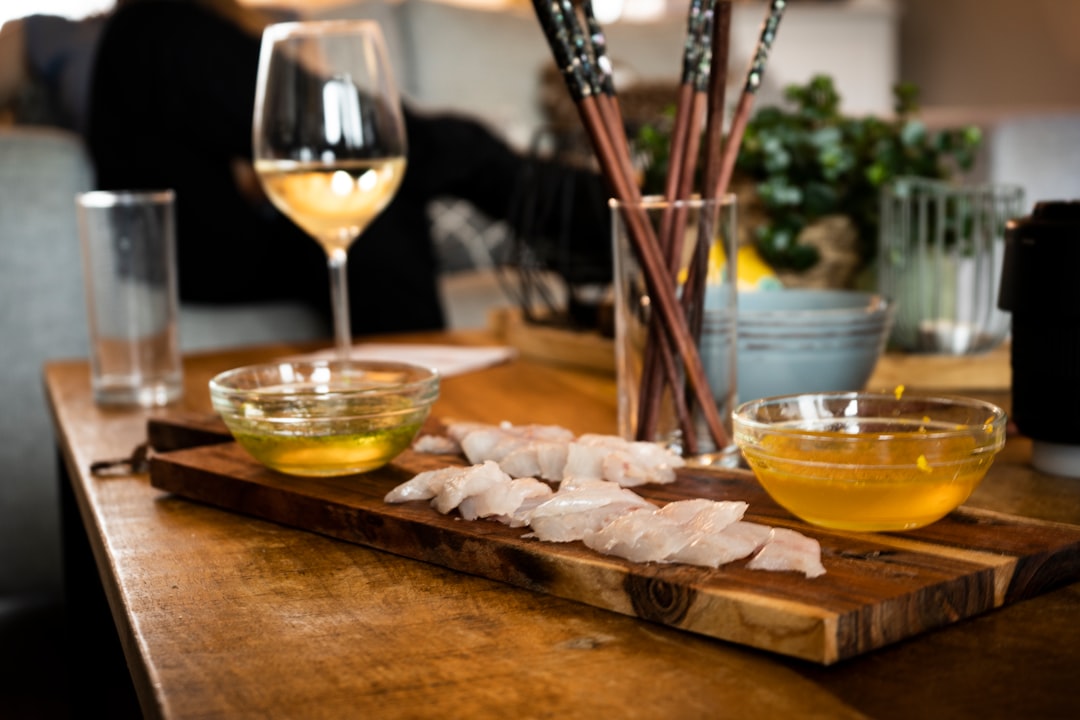
Best Wine with Sushi: 7 Sommelier-Approved Pairings for Every Roll
Champagne with nigiri, Riesling with spicy tuna — 7 sommelier-picked wines for sushi, plus what to do about soy and wasabi.
Top Wine Recommendations
Riesling
Bright acidity, floral aromas, and a touch of sweetness balance soy sauce and wasabi heat.
Sauvignon Blanc
Herbaceous freshness and razor-sharp acidity cleanse the palate between different sushi pieces.
Chenin Blanc
Versatile acidity with subtle honey and apple notes complements both raw fish and tempura rolls.
Pairing Principles
- Keep the wine light and clean: heavy or oaky wines clash with the subtlety of raw fish.
- A touch of residual sugar in Riesling helps tame the heat of wasabi and ginger.
- Sparkling wines like Champagne are exceptional with sushi due to their palate-cleansing effervescence.
- Mineral-driven whites echo the oceanic, umami qualities found in fresh sushi.
Wines to Avoid
- Oaky, buttery Chardonnay that overwhelms delicate fish flavors
- Tannic red wines that create unpleasant metallic notes with raw fish
- High-alcohol, full-bodied wines that dominate the subtle sushi experience
Price Guide
- Budget: A dry German Kabinett Riesling offers perfect balance of sweetness and acidity for sushi at a great price.
- Mid-Range: A Sancerre or Chablis provides the mineral precision that elevates a sushi dinner.
- Premium: A vintage Champagne or Grand Cru Alsace Riesling creates a luxurious omakase pairing.
Sommelier Tips
- Ask for a dry or off-dry Riesling specifically: sweeter styles can overwhelm delicate nigiri.
- Sparkling wine is the ultimate sushi wine because bubbles cleanse the palate after each piece.
- For richly flavored rolls with spicy mayo or eel sauce, a Grüner Veltliner or Chenin Blanc works well.
Wine and Sushi: A Modern Pairing Worth Mastering
Sushi and wine might seem like an unlikely pairing. After all, sushi’s traditional beverage companions are sake, Japanese beer, and green tea. Yet wine and sushi can be a magnificent combination when approached thoughtfully. The key lies in respecting sushi’s delicate flavors, understanding the role of accompaniments like soy sauce, wasabi, and pickled ginger, and choosing wines that complement rather than compete.
As Japanese cuisine has become a global phenomenon, sommeliers and chefs around the world have refined the art of pairing wine with sushi. The results have revealed some genuinely exciting combinations that enhance both the wine and the food.
Why Sushi Pairing Is Challenging
Delicate Flavors
Sushi’s flavors are subtle and nuanced. The gentle sweetness of fresh fish, the mild nuttiness of sushi rice seasoned with rice vinegar, and the clean ocean flavors of shellfish can all be easily overwhelmed by a wine that is too bold, too oaky, or too tannic.
Soy Sauce and Wasabi
The accompaniments served with sushi, particularly soy sauce, add saltiness and umami that significantly affect the pairing. Wasabi adds a sharp, nasal heat that is very different from chili heat and can clash with certain wines. Pickled ginger (gari) acts as a palate cleanser between pieces, resetting your taste buds.
Vinegared Rice
The rice in sushi is seasoned with rice vinegar, sugar, and salt. This acidic base means the wine needs matching acidity to avoid tasting flat.
Variety on the Plate
A typical sushi meal might include raw tuna, cooked shrimp, fatty salmon belly, vegetable rolls, and uni (sea urchin), all in the same sitting. Finding a single wine that works across this range is a genuine challenge.
Best Wine Styles for Sushi
Champagne and Sparkling Wine
Champagne is arguably the single greatest wine partner for sushi. Its high acidity matches the vinegared rice, its bubbles cleanse the palate between bites, its yeasty complexity adds depth, and its crisp, mineral character complements the clean flavors of raw fish. A Brut or Extra Brut Champagne, particularly a Blanc de Blancs made entirely from Chardonnay, is outstanding across the full range of sushi styles.
Beyond Champagne, quality Cremant (from Alsace, Loire, or Burgundy), Franciacorta from Italy, and English sparkling wine all offer similar sushi-friendly characteristics.
Dry Riesling
Riesling’s hallmark acidity, aromatic intensity, and mineral purity make it one of the best still wines for sushi. Dry (Trocken) Riesling from the Mosel, Rheingau, or Pfalz in Germany offers slate minerality and citrus precision that complement raw fish beautifully. Alsatian Riesling, with its slightly richer texture and stone fruit notes, works well with fattier fish like salmon and tuna belly.
For sushi with sweet elements (eel sauce, mango rolls), an off-dry Kabinett Riesling provides a gentle sweetness that bridges the gap.
Sauvignon Blanc
The crisp acidity and herbaceous character of Sauvignon Blanc make it a reliable sushi companion. Marlborough Sauvignon Blanc from New Zealand, with its intense citrus and tropical notes, pairs particularly well with lighter sushi (white fish, shrimp, cucumber rolls). Sancerre from the Loire Valley, with its more restrained minerality, is elegant with sashimi.
Gruner Veltliner
Austria’s flagship white grape is a sushi sommelier’s secret weapon. Its white pepper, citrus, and green herb notes, combined with bright acidity and a subtle savory quality, make it naturally compatible with Japanese flavors. It handles soy sauce and wasabi better than most wines, and its moderate body works across multiple sushi styles.
Muscadet
This lean, mineral, bone-dry white from the Loire Valley is made from the Melon de Bourgogne grape and often aged on its lees (sur lie), which adds a subtle creamy texture. Its saline, oceanic character makes it a natural partner for shellfish-based sushi like shrimp, scallop, and crab.
Pairing by Sushi Type
Nigiri (Fish on Rice)
Tuna (Maguro)
Lean tuna has a clean, slightly metallic flavor that pairs well with wines possessing mineral character. Champagne Blanc de Blancs, Chablis, or dry Riesling all work beautifully. The wine’s minerality echoes the tuna’s iron-rich character.
Fatty Tuna (Toro)
The rich, buttery texture of toro is one of sushi’s great luxuries. It needs a wine with enough body and texture to match its opulence without overwhelming its delicate flavor. A richer Champagne (vintage or prestige cuvee), a Grand Cru Chablis with some bottle age, or an Alsatian Riesling Grand Cru provides the necessary weight while maintaining freshness.
Salmon (Sake)
Salmon’s moderate richness and slightly sweet flavor pair well with wines that have some fruit and body. An off-dry Riesling Kabinett, a light Pinot Gris from Alsace, or a fruit-forward Sauvignon Blanc all complement salmon nigiri.
Yellowtail (Hamachi)
Yellowtail’s clean, slightly sweet, buttery flavor calls for a wine with bright fruit and good acidity. Albarino from Rias Baixas in Spain, with its peach and citrus notes and saline minerality, is an excellent match. Vermentino from Sardinia also works well.
Shrimp (Ebi)
Cooked shrimp nigiri has a sweet, clean flavor that is beautifully complemented by Champagne, Muscadet, or a Verdicchio from Le Marche. These wines amplify the shrimp’s natural sweetness.
Eel (Unagi)
Freshwater eel is typically grilled and glazed with a sweet soy-based sauce (kabayaki). The rich, sweet, smoky flavor needs a wine that can handle the glaze’s sweetness. An off-dry Riesling Spatlese from the Mosel is excellent, as is a demi-sec Vouvray. The wine’s sweetness matches the glaze while its acidity prevents heaviness.
Sea Urchin (Uni)
Uni is one of the most challenging sushi items to pair with wine. Its creamy, briny, intensely oceanic flavor can make many wines taste metallic. Champagne, particularly aged or vintage Champagne with developed complexity, is the safest bet. A rich, mineral Chablis Grand Cru can also work, as can a mature white Burgundy.
Maki Rolls
California Roll (Crab, Avocado, Cucumber)
The mild, creamy flavors of a California roll pair well with almost any crisp white. Pinot Grigio, Sauvignon Blanc, or Prosecco are all easy, delicious matches.
Spicy Tuna Roll
The chili heat in spicy rolls calls for wines with a touch of sweetness to tame the burn. Off-dry Riesling is the best choice. Avoid high-alcohol wines, which amplify heat.
Dragon Roll (Eel and Avocado)
The combination of sweet eel sauce and creamy avocado benefits from a wine with both richness and sweetness. An off-dry Chenin Blanc from Vouvray or a Riesling Spatlese handles this complex roll well.
Vegetable Rolls
Cucumber, avocado, and asparagus rolls are the lightest sushi items and pair with the lightest wines. Vinho Verde from Portugal, Muscadet, or a Gruner Veltliner Federspiel all complement the clean, green flavors.
Sashimi
Sashimi, without the rice, puts the raw fish in its purest spotlight. The absence of vinegared rice means the wine needs to complement the fish alone. Champagne remains the king of sashimi pairings. For still wines, choose the crispest, most mineral options available: Chablis, Sancerre, dry Mosel Riesling, or Muscadet.
The Role of Red Wine
Can Red Wine Work with Sushi?
Conventional wisdom says no, but there are exceptions. The primary concern with red wine and raw fish is that tannins can react with fish oils to create an unpleasant metallic taste. However, very light reds with minimal tannins can work.
Pinot Noir is the most sushi-friendly red wine. A light, cool-climate Pinot Noir from Burgundy (Bourgogne Rouge level), Sancerre Rouge, or a German Spatburgunder can pair with tuna and salmon sushi without creating metallic flavors. Serve it slightly chilled.
Beaujolais (Gamay), especially a lighter cru like Fleurie or Saint-Amour served cool, can also work with fattier sushi items.
As a general rule, avoid red wine with shellfish-based sushi and white fish, where the metallic clash is most pronounced.
Rose with Sushi
Dry rose is an excellent compromise for a sushi dinner. It has the freshness and acidity of a white wine with a touch more body and fruit that can handle a wider range of sushi styles. A Provence rose or a light, dry rose from the Loire Valley works beautifully across a mixed sushi platter.
Handling the Condiments
Soy Sauce
Soy sauce adds significant salt and umami. Wines with good acidity (Riesling, Champagne, Sauvignon Blanc) handle soy sauce best, as the acidity balances the salt. Avoid oaky wines, which can taste bitter against soy.
Wasabi
Real wasabi (not the common horseradish substitute) has a clean, sharp heat that dissipates quickly. Wines with a touch of sweetness handle wasabi best. Off-dry Riesling is particularly good at taming wasabi’s bite.
Pickled Ginger
Ginger is a palate cleanser and generally does not need wine pairing consideration. However, its acidity and sweetness are another reason high-acid wines work so well throughout a sushi meal.
Wines to Avoid with Sushi
- Heavily oaked wines: Oak flavors clash with raw fish and soy sauce.
- Tannic reds: Cabernet Sauvignon, Malbec, and Syrah create metallic flavors with raw fish.
- High-alcohol wines: They overwhelm sushi’s delicate flavors and amplify wasabi heat.
- Very sweet wines: Dessert wines are too heavy for the savory sushi context (except with eel).
- Heavily aromatic wines: Intensely perfumed Gewurztraminer can overpower subtle fish flavors.
FAQ
Q: What wine goes with sushi?
A: The best wines for sushi are Champagne, dry Riesling, Sauvignon Blanc, and Gruner Veltliner. Champagne is widely considered the single greatest wine partner for sushi because its high acidity matches vinegared rice, its bubbles cleanse the palate between bites, and its mineral character complements raw fish. For still wines, a dry Riesling from the Mosel or Alsace is an excellent all-round choice across multiple sushi styles.
Q: Is red wine OK with sushi?
A: Red wine can work with sushi, but only if you choose a very light red with minimal tannins. Pinot Noir is the most sushi-friendly red — a cool-climate Burgundy, Sancerre Rouge, or German Spatburgunder served slightly chilled pairs well with tuna and salmon. Avoid tannic reds like Cabernet Sauvignon or Malbec, which react with fish oils to create an unpleasant metallic taste. Stick to white or sparkling wines for shellfish and white fish sushi.
Q: What wine goes with spicy sushi rolls?
A: Off-dry Riesling is the best wine for spicy sushi rolls. The touch of residual sweetness tames chili heat, while the wine’s bright acidity keeps the pairing fresh. A Kabinett or Spatlese Riesling from Germany works particularly well. Avoid high-alcohol wines, which amplify the burn of spicy tuna and other chili-dressed rolls.
Q: Does Champagne pair with sushi?
A: Yes — Champagne is arguably the perfect sushi wine. Its high acidity mirrors the vinegared rice, its effervescence refreshes the palate between bites, and its yeasty complexity adds depth without overpowering delicate fish. A Brut or Extra Brut Champagne, especially a Blanc de Blancs, works across the full range of sushi from light white fish nigiri to rich toro and creamy uni. Other quality sparkling wines like Franciacorta and Cremant are also excellent alternatives.
Explore Sushi Pairings with Sommo
Next time you visit your favorite sushi restaurant, bring the Sommo app. Scan any wine on the menu to discover whether it will complement your sushi order. Learn about wine styles that pair with Japanese cuisine, explore crisp white wines and sparkling options, and record your favorite sushi and wine combinations for future reference. Download Sommo and bring a new dimension to your sushi experience.