01
Wine
Cabernet Sauvignon
The firm tannins and dark fruit cut through the fat and amplify the savory char of grilled steak.
- From
- Napa Valley
- Also
- Bordeaux
Discover the best wines to pair with steak. From bold Cabernet Sauvignon to elegant Malbec, learn how to match every cut of beef with the perfect red wine.
The firm tannins and dark fruit cut through the fat and amplify the savory char of grilled steak.
Plush, velvety tannins and ripe plum flavors mirror the richness of a juicy ribeye.
Smoky, peppery notes and meaty depth make Syrah a natural partner for chargrilled steaks.
Few culinary combinations are as celebrated as wine and steak. The rich, savory flavors of a well-prepared cut of beef find their ideal counterpart in a bold, tannic red wine. This is not merely tradition; there is genuine food science behind why this pairing works so beautifully. The tannins in red wine interact with the proteins and fats in steak, softening the wine’s astringency while amplifying the meat’s flavors. The result is a dining experience where both the food and the wine taste better together than they do on their own.
Whether you are grilling a ribeye at home, ordering a filet mignon at a fine-dining restaurant, or enjoying a casual burger night, understanding the principles behind steak and wine pairing will elevate every meal.
Tannins are naturally occurring compounds found in grape skins, seeds, and stems, as well as in oak barrels used during aging. They create a drying sensation on the palate. When paired with a fatty cut of steak, the fat coats your mouth and counterbalances the tannin’s astringency. This is why full-bodied, tannic reds are the classic choice for steak: the fat in the meat literally makes the wine taste smoother.
A general rule of wine pairing is to match the weight and intensity of the food with the wine. Steak is a heavy, intensely flavored protein, so it demands a wine with comparable body and depth. A light Pinot Grigio would be completely overwhelmed by a chargrilled ribeye, while a powerful Cabernet Sauvignon stands up to it beautifully.
Look for wines that share or complement the dominant flavors in your steak preparation. A peppery Syrah echoes the cracked black pepper on a steak au poivre. A smoky Malbec mirrors the charred notes from a grill. These shared flavor elements create harmony on the palate.
The ribeye is one of the most flavorful and well-marbled cuts of beef. Its generous fat content and rich, beefy taste call for an equally bold wine. Cabernet Sauvignon from Napa Valley is the quintessential pairing here. Look for bottles with firm tannins, notes of blackcurrant and cedar, and enough structure to stand up to all that marbling. A Barossa Valley Shiraz with its dark fruit and peppery spice is another excellent choice.
Filet mignon is the most tender cut of steak, but it is also leaner and more delicate in flavor than a ribeye. A Bordeaux blend, with its balance of Cabernet Sauvignon and Merlot, provides structure without overwhelming the meat’s subtlety. Merlot on its own, particularly from the Right Bank of Bordeaux (Saint-Emilion or Pomerol), offers plush, velvety tannins that complement the tender texture of filet mignon beautifully.
The New York strip offers a balance between the richness of a ribeye and the leanness of a filet. It has a firm texture and a pronounced beefy flavor with a satisfying strip of fat along one edge. Argentine Malbec from Mendoza is a superb match. Its plummy fruit, moderate tannins, and hint of smokiness from oak aging pair wonderfully with the strip’s character. A well-aged Rioja Reserva with its leather and tobacco notes also works splendidly.
These grand cuts combine the strip and the tenderloin, giving you the best of both worlds. You need a wine with enough complexity to match. A classified-growth Bordeaux, blending Cabernet Sauvignon, Merlot, and Cabernet Franc, brings layers of flavor that reward every bite. Alternatively, a premium Napa Valley Cabernet with several years of bottle age brings integrated tannins and complex secondary flavors.
These thinner, more intensely flavored cuts are popular in fajitas, stir-fries, and chimichurri preparations. Their pronounced beefy taste and slightly chewy texture pair well with medium-bodied reds that have bright acidity. Tempranillo from Rioja, Sangiovese from Tuscany, or a Southern Rhone Grenache blend all work well. These wines have enough fruit and acidity to complement marinades and bold seasonings.
The char and smoke from grilling add another layer of flavor that calls for wines with smoky or toasty qualities. Oak-aged Cabernet Sauvignon, Malbec, and Shiraz all develop similar smoky notes during barrel aging, creating a natural bridge with grilled meat. A Barossa Valley Shiraz with its characteristic chocolate and smoke notes is outstanding with anything off the grill.
Pan-searing creates a beautiful caramelized crust through the Maillard reaction. The buttery, savory crust pairs wonderfully with wines that have earthy, savory characteristics. A mature Bordeaux with its developed bouquet of leather, truffle, and dried herbs is exceptional here. A Napa Valley Cabernet with a few years of age also complements the rich, brown-butter flavors.
The peppercorn crust on steak au poivre, combined with the cream and cognac sauce, demands a wine that can handle spice and richness simultaneously. Northern Rhone Syrah from Cote-Rotie or Hermitage, with its signature cracked black pepper and dark fruit notes, is the classic choice. The wine’s pepper mirrors the dish, while its acidity cuts through the cream sauce.
When the sauce already contains red wine, choose a wine of similar style to drink alongside it. If the sauce uses a Burgundy-style wine, serve a Pinot Noir. If it is a Bordelaise sauce, pour a Bordeaux blend. This creates coherence between the plate and the glass.
You do not need to spend a fortune to enjoy a great steak wine. Here are excellent options at various price points:
A delicate Pinot Noir or a light Beaujolais will be completely steamrolled by a thick, juicy steak. While there are exceptions (such as pairing a lean filet with a structured Burgundy), in general, steak requires wines with body and tannin.
Serving red wine too warm dulls its flavors and accentuates the alcohol, making it taste flat and hot alongside steak. Aim for around 16-18 degrees Celsius (60-65 degrees Fahrenheit). If the bottle has been sitting in a warm room, give it fifteen minutes in the refrigerator before serving.
The sauce or seasoning on a steak often matters more for pairing than the cut itself. A steak with a blue cheese crust needs a different wine than a steak with chimichurri. Always consider the complete dish.
While red wine is the traditional choice, certain white wines can work with steak. A full-bodied, oak-aged Chardonnay from Burgundy or California has enough weight and texture to stand alongside a leaner cut like filet mignon. The buttery, toasty notes from oak aging complement the caramelized crust of a pan-seared steak. Orange wines, with their tannic structure from extended skin contact, also bridge the gap between white and red and can handle richer preparations.
That said, these are exceptions rather than the rule. For most steak dinners, a well-chosen red wine remains the superior partner.
Argentine asado (barbecue) is a cultural institution, and Malbec from Mendoza is its inseparable companion. The wine’s deep purple color, plum and blackberry fruit, and velvety texture are perfectly suited to the smoky, flame-kissed beef that comes off the parrilla.
The famous Florentine T-bone, a thick-cut, bone-in steak from Chianina cattle, is traditionally paired with Brunello di Montalcino or Chianti Classico Riserva. Sangiovese’s bright acidity and cherry-tobacco character cut through the meat’s richness beautifully.
In Bordeaux, the entrecote (ribeye) cooked over vine cuttings and served with a shallot and red wine sauce known as entrecote a la bordelaise is paired, naturally, with the region’s own wines. A Left Bank Bordeaux from the Haut-Medoc or Pauillac, dominated by Cabernet Sauvignon, is the definitive match.
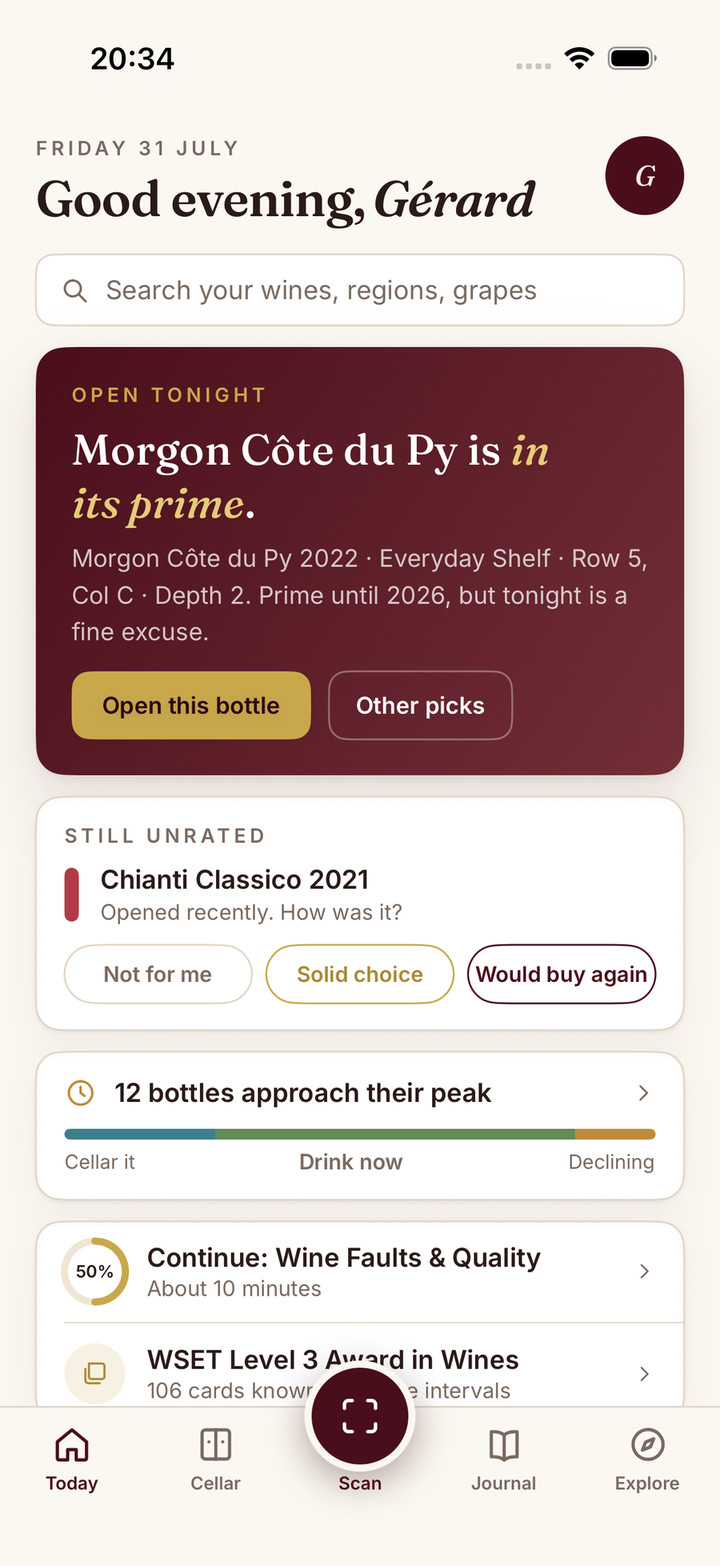
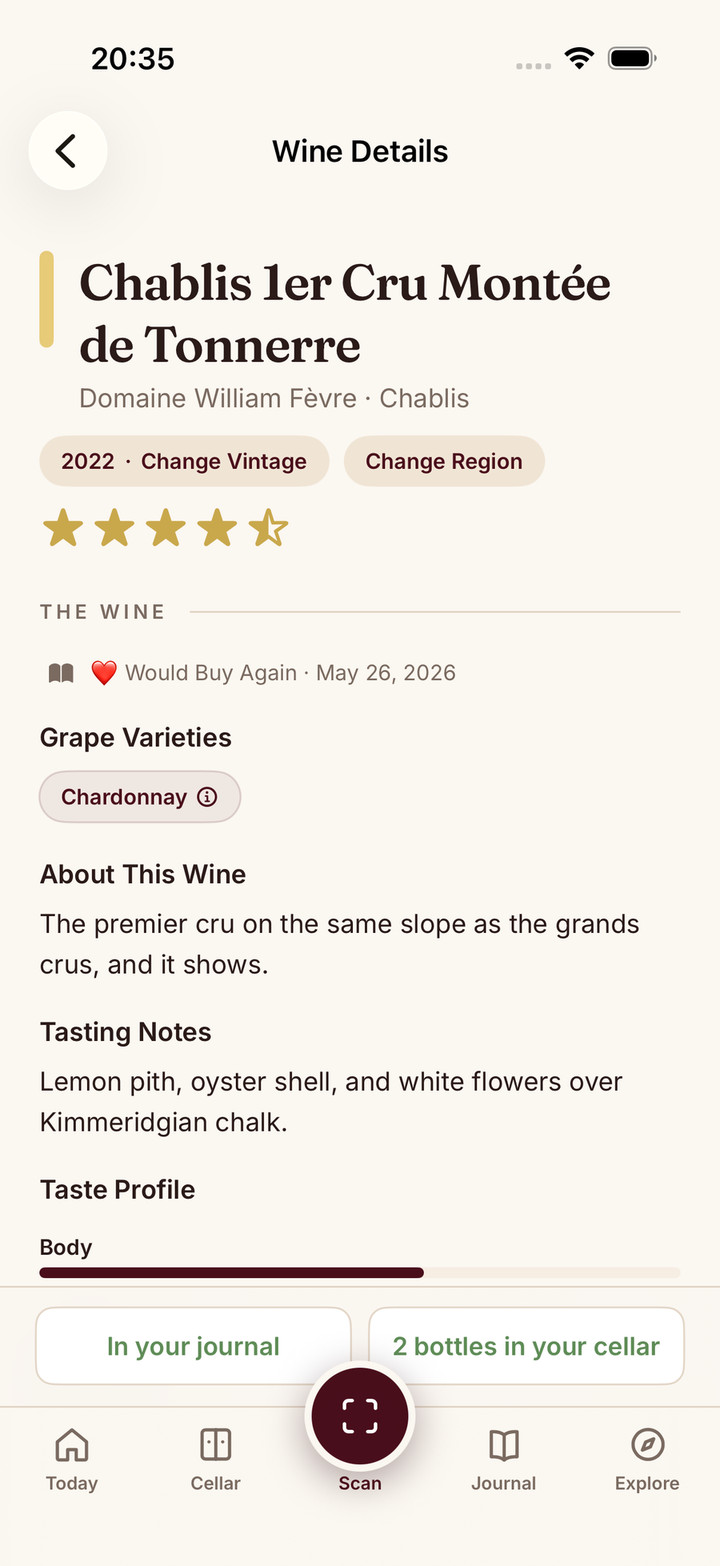
Finding the perfect wine for your next steak dinner has never been easier. The Sommo app puts expert wine knowledge in your pocket. Simply scan a wine label to get instant food pairing suggestions, tasting notes, and regional context. Whether you are at the butcher shop planning a weekend barbecue or standing in the wine aisle of your local store, Sommo helps you make confident choices that will transform your steak night into something truly memorable. Download Sommo and start exploring the world of wine and food pairing today.
Sommo reads your cellar, checks how each bottle tastes right now, and picks the wine that fits the meal. Built by a sommelier-trained model.
 Or point your camera here