01
Wine
Pinot Noir
Light tannins and bright red fruit complement salmon without overpowering its delicate richness.
- From
- Burgundy
- Also
- Willamette Valley
Find the perfect wine to pair with salmon. From crisp Pinot Noir to elegant Chardonnay, explore expert recommendations for every salmon preparation.
Light tannins and bright red fruit complement salmon without overpowering its delicate richness.
A lightly oaked Chardonnay mirrors the buttery texture of roasted or grilled salmon.
A dry Grenache rosé offers refreshing acidity and red berry notes that lift the richness of salmon.
Salmon occupies a unique place in the world of wine pairing. Unlike most fish, which call exclusively for white wine, salmon’s rich flesh and higher fat content give it the weight and depth to stand up to a wide range of wines, including certain reds. This versatility makes salmon one of the most exciting proteins to pair with wine, offering possibilities that span from crisp, mineral whites to silky, light-bodied reds.
The key to a great salmon and wine pairing lies in understanding the specific preparation. A delicate poached salmon fillet calls for a very different wine than a cedar-plank smoked salmon or a teriyaki-glazed salmon steak. By considering the cooking method, the sauce, and the accompanying flavors, you can find a wine that transforms a simple salmon dish into an extraordinary dining experience.
Salmon is one of the fattiest fish commonly consumed. Wild Atlantic salmon can contain up to 13 grams of fat per 100-gram serving, much of it in the form of heart-healthy omega-3 fatty acids. This richness is what sets salmon apart from lighter fish like sole or cod. It means the wine you choose needs enough body and texture to match, but not so much tannin that it creates an unpleasant metallic taste when combined with the fish oils.
Salmon’s flavor ranges from mild and buttery in farm-raised Atlantic salmon to bold and assertive in wild sockeye or king salmon. The flesh can be silky and delicate or firm and meaty, depending on the species and preparation. This spectrum of flavors opens up a broad range of wine pairing possibilities.
More than almost any other protein, salmon’s pairing potential is dictated by how it is cooked and sauced. A raw salmon sashimi demands an entirely different wine approach than a blackened Cajun salmon. Always think about the complete dish, not just the fish.
A well-made Chardonnay is one of the most reliable partners for salmon, particularly for richer preparations. Burgundy’s White Burgundy, from villages like Meursault, Puligny-Montrachet, or Saint-Veran, offers the ideal combination of richness, acidity, and minerality. The subtle oak influence in many Burgundian Chardonnays adds a toasty, buttery dimension that complements baked or pan-seared salmon beautifully. California Chardonnay, especially from cooler sites in Sonoma Coast or Carneros, also works well, though look for balanced examples rather than heavily oaked styles.
For lighter salmon preparations, particularly those with herb-forward sauces or citrus accompaniments, Sauvignon Blanc is an excellent choice. Marlborough Sauvignon Blanc from New Zealand, with its vibrant acidity and notes of lime, grapefruit, and fresh herbs, is outstanding with grilled salmon served alongside a green salad. Sancerre and Pouilly-Fume from the Loire Valley offer a more mineral, restrained style that pairs elegantly with poached salmon.
Riesling’s natural acidity and aromatic complexity make it a superb salmon partner, especially for preparations with Asian-inspired flavors. A dry or off-dry Riesling from the Mosel or Alsace, with its notes of lime, white peach, and slate minerality, is stunning with teriyaki salmon or salmon with a ginger-soy glaze. The touch of residual sugar in a Kabinett-level Riesling can beautifully balance sweet and savory glazes.
These Alsatian specialties offer a rounder, more textured alternative to Sauvignon Blanc. Pinot Gris, with its notes of pear, honey, and subtle spice, pairs wonderfully with salmon in cream sauces. Pinot Blanc provides a lighter, more refreshing option for simply prepared salmon dishes.
Pinot Noir is the one red wine that nearly every sommelier will recommend with salmon. Its light-to-medium body, low tannins, and bright acidity make it compatible with the fish’s rich flesh without creating the metallic clash that heavier reds can produce. The grape’s earthy, cherry-fruit character creates a flavor bridge with the salmon’s savory depth.
Burgundy remains the gold standard. A village-level red Burgundy from Volnay, Savigny-les-Beaune, or Chorey-les-Beaune offers elegance and restraint that complement rather than overpower salmon. Look for wines with a few years of age, where the fruit has softened and earthy, mushroom-like secondary aromas have developed.
Willamette Valley in Oregon produces Pinot Noirs with slightly more fruit intensity and a beautiful silky texture that works wonderfully with grilled or roasted salmon. The region’s cooler climate produces wines with natural acidity that matches the fish’s richness.
Central Otago in New Zealand offers Pinot Noir with vibrant cherry fruit and a mineral edge that pairs well with herb-crusted salmon preparations.
Opt for Pinot Noir when your salmon is prepared with mushrooms, served with a red wine reduction, or cooked with robust flavors like beets, lentils, or bacon. These earthy, savory accompaniments shift the dish into red wine territory. Also consider Pinot Noir for smoked salmon served as a main course, where the smokiness resonates with the wine’s earthy undertones.
Dry rose, particularly from Provence, is a fantastic match for salmon that many people overlook. A quality Provence rose has the weight of a light red, the freshness of a white, and a delicate fruitiness that flatters salmon without competing with it. It is an especially brilliant choice in warmer weather, when you want something refreshing but substantial enough to match the salmon’s richness. Try rose with salmon nicoise, salmon burgers, or cold poached salmon with dill.
The smoky char from the grill adds depth that calls for wines with a bit more body. Oaked Chardonnay, Willamette Valley Pinot Noir, or a structured Provence rose all work beautifully. If the salmon is served with a herbaceous chimichurri or salsa verde, a Sauvignon Blanc from the Loire Valley provides a fresh, herbal echo.
The crispy skin and buttery flesh of a well-seared salmon fillet deserve a wine with complementary richness. White Burgundy (Meursault or Chassagne-Montrachet) is the classic choice, with its own buttery texture and hazelnut notes mirroring the golden crust of the fish.
Gentle poaching produces the most delicate salmon, and the wine should be equally refined. A Chablis Premier Cru, with its steely minerality and precision, is outstanding here. German Riesling Trocken (dry) from the Mosel or Rheingau also pairs elegantly, with its laser-like acidity and citrus purity.
Smoked salmon, whether cold-smoked (lox) or hot-smoked, presents unique pairing challenges due to its intense smoky, salty flavor. Champagne or quality sparkling wine is a classic and outstanding match. The bubbles cut through the oily richness while the wine’s acidity balances the salt. For still wines, try a dry Riesling or an unoaked Chardonnay. Avoid heavily oaked wines, which can clash with the smoke.
Sweet and savory glazes call for wines with a touch of sweetness or at least generous fruit. Off-dry Riesling from the Mosel (Kabinett or Spatlese) is a magical pairing, with its sweetness balancing the soy and its acidity cutting through the glaze. Gewurztraminer from Alsace, with its lychee and ginger notes, also complements Asian flavors beautifully.
Raw salmon demands the crispest, most refreshing wines. Muscadet, Chablis, Champagne, or a lean Sauvignon Blanc provide the clean acidity and minerality that work with raw fish. Avoid anything with oak or heavy body, which would overwhelm the delicate textures.
This classic Scandinavian combination pairs beautifully with Sauvignon Blanc or Gruner Veltliner, wines that echo the herbal and citrus notes.
Rich butter and cream sauces call for equally rich whites. Meursault, Pouilly-Fuisse, or a barrel-fermented Chardonnay from Sonoma match the sauce’s opulence.
The umami depth of miso works wonderfully with off-dry Riesling or a textured Chenin Blanc from the Loire Valley. The wine’s slight sweetness and acidity balance the salty, savory miso.
The basil, pine nut, and Parmesan flavors in pesto pair well with Italian whites like Vermentino or a Sauvignon Blanc with herbaceous character.
Not all wines work with salmon. Here are styles to steer clear of:
Poached salmon with asparagus and hollandaise paired with Chablis or Sancerre.
Grilled salmon with peach salsa and Provence rose or New Zealand Sauvignon Blanc.
Roasted salmon with mushrooms and lentils paired with Burgundy Pinot Noir.
Glazed salmon with root vegetables paired with off-dry Riesling or a richer Chardonnay.
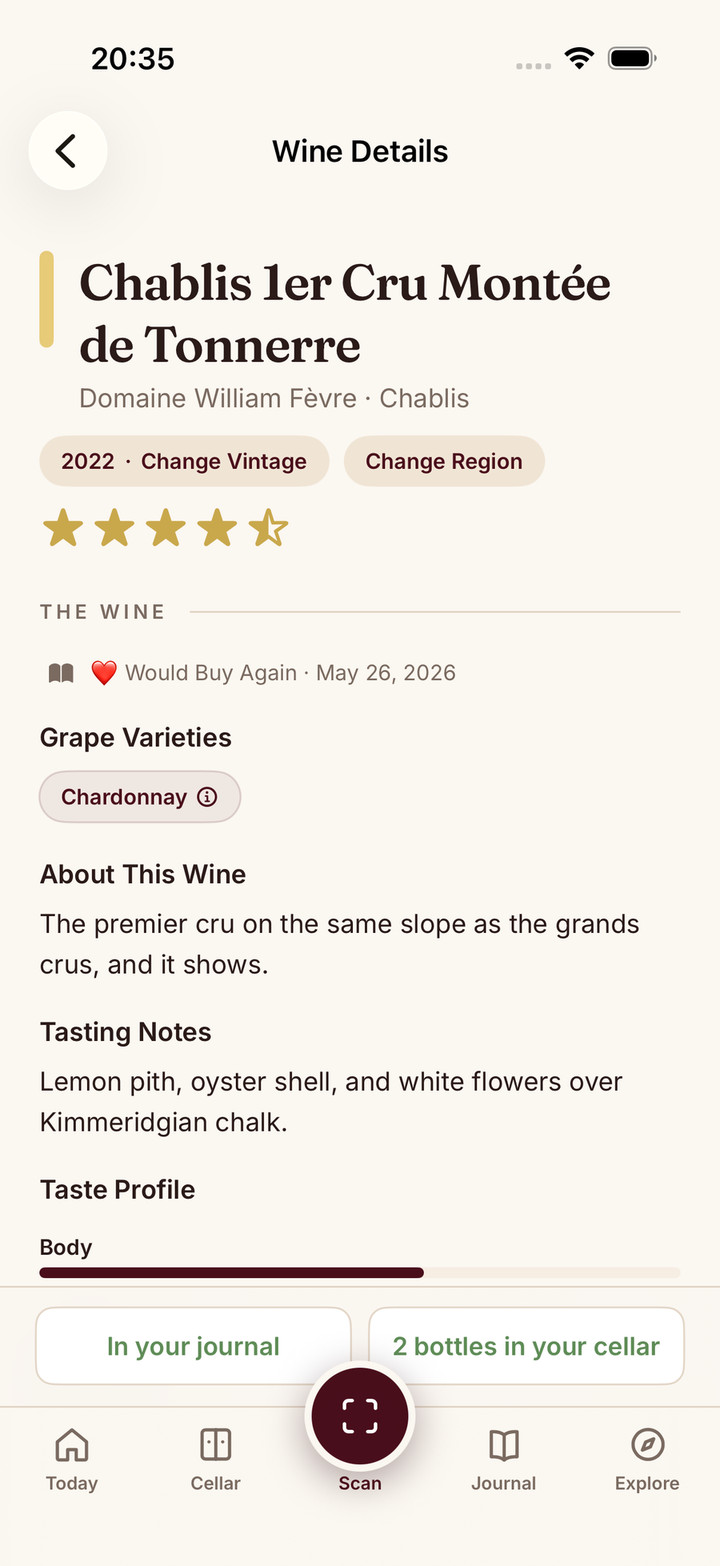
Whether you are planning an elegant dinner party or a quick weeknight meal, finding the right wine for your salmon dish should be a pleasure, not a puzzle. The Sommo app makes wine pairing effortless. Scan any wine label to instantly discover whether it will complement your salmon preparation, explore tasting notes, and learn about the regions and grapes behind each bottle. With Sommo’s personalized recommendations, you will never second-guess a salmon pairing again. Download Sommo and let your next salmon dinner shine.
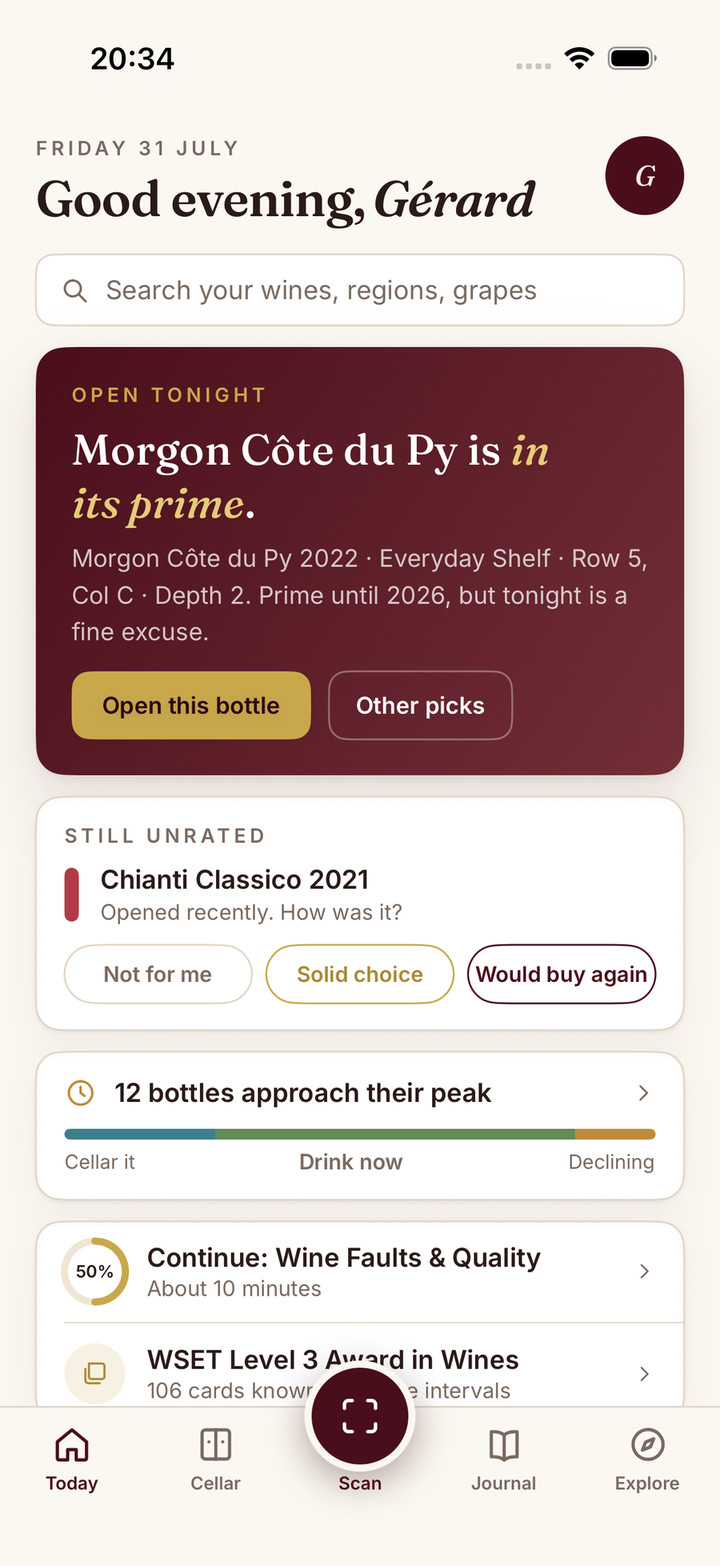
Sommo reads your cellar, checks how each bottle tastes right now, and picks the wine that fits the meal. Built by a sommelier-trained model.
 Or point your camera here