01
Wine
Sangiovese
Bright acidity and savory cherry notes are a natural match for tomato-based pasta sauces.
- From
- Tuscany
- Also
- Romagna
Master the art of pairing wine with pasta. From creamy Alfredo to hearty Bolognese, find the ideal wine for every sauce and pasta dish.
Bright acidity and savory cherry notes are a natural match for tomato-based pasta sauces.
Aromatic complexity and firm structure stand up to rich meat ragù and truffle pasta.
Herbaceous, zesty character pairs perfectly with pesto and light vegetable pasta dishes.
Pasta is one of the most universally loved foods, and Italy’s gift to the culinary world comes with a built-in wine culture that has refined these pairings over centuries. Yet pasta itself is relatively neutral in flavor. It is the sauce, the proteins, and the garnishes that truly determine which wine belongs in your glass. Understanding this principle is the key to mastering pasta and wine pairing.
From a simple aglio e olio dressed with nothing more than garlic, olive oil, and chili flakes, to a complex slow-simmered ragu that fills the house with fragrant aromas, every pasta preparation has a wine soulmate waiting to be discovered. The range of possibilities is enormous, and that is what makes pasta and wine pairing so rewarding.
This is the single most important principle in pasta and wine pairing. Whether you are eating spaghetti, penne, rigatoni, or fresh tagliatelle, the pasta shape matters very little when it comes to choosing a wine. What matters is the sauce.
A plate of penne with vodka sauce needs a completely different wine than penne with pesto. Keep your attention on the dominant flavors on the plate, primarily the sauce and any proteins, and you will consistently make great pairing choices.
Simple tomato sauces are bright, acidic, and moderately sweet. They require wines with matching acidity and enough fruit to complement the tomato’s sweetness. Sangiovese is the most natural partner. A Chianti Classico or Rosso di Montalcino brings cherry fruit, dried herb character, and the acidity that mirrors the tomato perfectly. Barbera d’Asti, with its high acidity and low tannins, is another superb choice that never fights the sauce.
The long-simmered meat sauce from Bologna is rich, savory, and deeply flavored. It needs a wine with more body and complexity than a simple marinara would require. Sangiovese di Romagna, the Bolognese local wine, is the traditional choice. A Chianti Classico Riserva or even a Brunello di Montalcino, with its deeper concentration and earthy complexity, does justice to a properly made ragu. From outside Italy, a Rioja Reserva with its oak-spice and leather notes complements the long-cooked meat beautifully.
The spicy kick of arrabbiata sauce from chili flakes adds heat that needs careful wine consideration. Avoid high-alcohol wines, which amplify the burn. Instead, reach for a medium-bodied red with good fruit and moderate alcohol. Montepulciano d’Abruzzo, Nero d’Avola, or a Grenache-based Cotes du Rhone all provide ripe fruit that tames the heat while maintaining enough acidity for the tomato base.
Olives, capers, anchovies, and tomatoes create a salty, briny, pungent sauce that needs a wine with assertive character. Aglianico from Campania, with its firm tannins and dark fruit, stands up well. A Cannonau from Sardinia (the island’s name for Grenache) also handles the intense, savory flavors with its generous fruit and earthy undertones.
Rich, cream-based sauces demand wines with enough body and texture to match without being overwhelmed. Oaked Chardonnay is a natural fit; White Burgundy from Meursault or Saint-Veran brings the buttery richness and hazelnut notes that echo the sauce’s creaminess. For a lighter but still appropriate option, try a Soave Classico or a Verdicchio, both of which have the roundness and subtle weight to handle cream without the heaviness of oak.
For Carbonara specifically, which gets its richness from egg yolks and Pecorino rather than cream, a slightly lighter approach works. A Vermentino from Sardinia or a Gavi di Gavi from Piedmont provides bright acidity to cut through the egg and cheese richness.
This deceptively simple Roman dish of Pecorino cheese and black pepper needs a wine that can handle the sharp, salty cheese and the pepper’s bite. A Frascati Superiore, the classic Roman white, is the traditional choice. If you prefer red, a light Cesanese del Piglio from Lazio or a Pinot Noir with good acidity and earthy character can work nicely.
The herbaceous, garlicky, nutty flavors of Genovese pesto call for wines with herbal character and freshness. Vermentino from Liguria (the same region where pesto originated) is the definitive pairing. Its citrus and herb notes, combined with a slightly saline mineral quality from the coastal vineyards, mirror the pesto’s character perfectly. Sauvignon Blanc from the Loire Valley, with its grassy, herbaceous profile, is an excellent alternative.
Sun-dried tomatoes and roasted red peppers shift the pesto into warmer, sweeter territory. A light Sangiovese or a Cerasuolo d’Abruzzo rose provides the acidity for the tomato element while matching the pesto’s warmth.
The briny, garlicky white wine sauce of clam pasta demands a crisp, mineral white. Verdicchio dei Castelli di Jesi from Le Marche is arguably the finest match, with its almond and citrus notes and saline minerality. Falanghina from Campania, Muscadet from the Loire Valley, or a Chablis all bring the crispness and mineral character that complement shellfish.
A mixed seafood pasta with shrimp, mussels, and calamari in tomato sauce bridges the worlds of seafood and tomato pairing. A Vermentino from Sardinia or Provence rose provides the acidity for the tomato and the delicacy for the seafood. Etna Bianco from Sicily, made from Carricante grapes on volcanic soils, is a rising star for this pairing.
The luxury of lobster-filled ravioli, often served in a butter or sage brown butter sauce, calls for a wine of equal stature. A premier cru Chablis or a white Burgundy from Puligny-Montrachet provides the richness and elegance this dish deserves.
Garlic, olive oil, chili flakes, and parsley create a deceptively simple pasta that is all about balance. A crisp, unoaked white like Falanghina, Greco di Tufo, or a Vermentino allows the garlic and olive oil to shine. If you prefer something with a bit more texture, try a Fiano from Campania.
Fresh seasonal vegetables tossed with olive oil and pasta create a light, clean-flavored dish. Pinot Grigio from Alto Adige, with its delicate pear and floral notes, is a reliable match. Soave or a Sauvignon Blanc from Friuli also complement the fresh vegetable flavors.
Layers of meat ragu, bechamel, and pasta create one of the richest pasta dishes. It needs a substantial red wine. Sangiovese, whether from Chianti Classico or Emilia-Romagna, is the traditional choice. A Primitivo from Puglia or a Nero d’Avola from Sicily brings the fruit power to match the layers of flavor. For a special occasion, a Barolo or Barbaresco, with its rose petal and tar complexity, elevates lasagna into fine-dining territory.
Similar to lasagna but with a more unified, tomato-forward flavor, baked ziti pairs well with medium-bodied Italian reds. Rosso di Montalcino, Dolcetto d’Alba, or a young Valpolicella offer approachable fruit and acidity.
Fresh truffles shaved over butter-tossed tagliatelle is one of Italy’s most luxurious dishes. Nebbiolo from Piedmont is the canonical pairing, and for good reason. Barolo and Barbaresco develop truffle-like aromatics as they age, creating an almost magical resonance with the dish. Even a younger Langhe Nebbiolo captures enough of this earthy character to complement fresh truffles beautifully.
Earthy mushroom sauces pair wonderfully with Pinot Noir. A red Burgundy from Gevrey-Chambertin or Nuits-Saint-Georges brings mushroomy secondary aromas that create a flavor bridge. Outside of Burgundy, a Willamette Valley Pinot Noir or an aged Nebbiolo both complement mushroom-based pastas.
Italian culinary tradition offers time-tested combinations worth following:
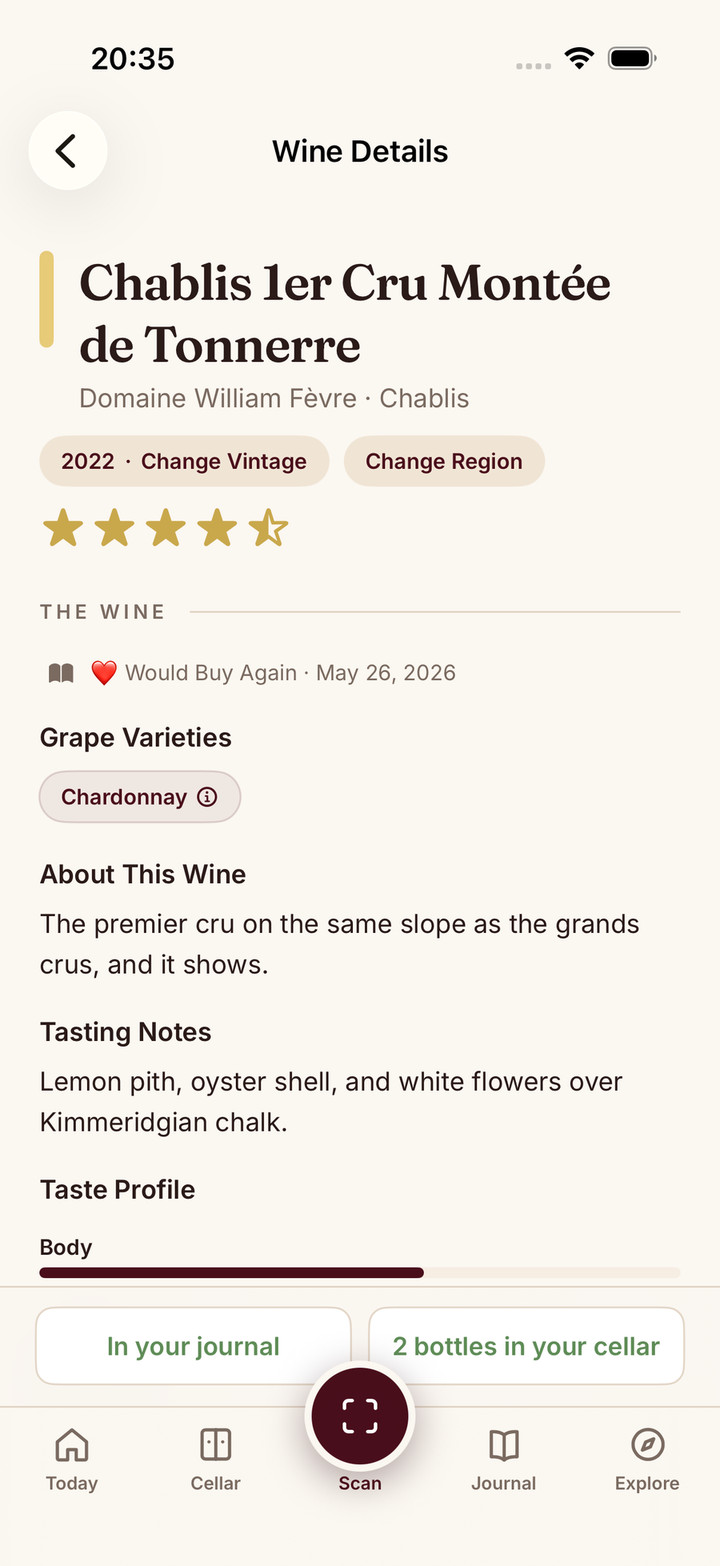
With hundreds of Italian wines and countless pasta preparations, finding the perfect match can feel overwhelming. The Sommo app simplifies the process. Scan any wine label to see food pairing recommendations, or browse by grape variety to discover which Italian wines pair best with your favorite pasta dishes. From everyday weeknight dinners to special celebrations, Sommo ensures you always have the right wine for your pasta. Download the app and start your pairing journey today.
Egg, pecorino, guanciale and pepper create their own structural problem. The carbonara wine guide gives that Roman dish a dedicated answer.
For a slow meat sauce, the Bolognese wine guide separates tomato-led, meat-led and milk-softened ragù.
Sommo reads your cellar, checks how each bottle tastes right now, and picks the wine that fits the meal. Built by a sommelier-trained model.
 Or point your camera here