Fresh unoaked or lightly oaked Chardonnay is a reliable wine with mac and cheese because its body meets the sauce while acidity refreshes the palate. Choose dry Riesling for sharp mature cheddar, dry Chenin Blanc for creamy richness or Brut sparkling wine for a baked crust. Fruity Beaujolais or light Pinot Noir suits red drinkers.Quick answer
Pairing guideWhat to pour for
Best Wine with Mac and Cheese: Creamy, Sharp or Baked
Find wine with mac and cheese, from fresh Chardonnay for creamy sauces to dry Riesling for mature cheddar, Brut sparkling and light reds for baked toppings.
PicksThree to open
Top picks.
01
Wine
Fresh, unoaked or lightly oaked Chardonnay
Orchard fruit and body support the creamy sauce while acidity keeps the pairing fresh.
- From
- Burgundy
- Also
- Tasmania
02
Wine
Dry Chenin Blanc
Apple or quince character and fresh acidity balance a rich cheese sauce.
- From
- Loire Valley
- Also
- South Africa
03
Wine
Dry Riesling
Citrus and bright acidity bring freshness beside sharp mature cheddar.
- From
- Alsace
- Also
- Clare Valley
Fresh unoaked or lightly oaked Chardonnay is a reliable wine with mac and cheese. For wine with macaroni cheese made with sharp mature cheddar, I would lean towards dry Riesling or Chenin Blanc; Brut sparkling wine is useful when the sauce and baked topping feel especially rich.
Match the macaroni cheese in front of you
| Macaroni cheese style | Best wine | Why it works |
|---|---|---|
| Classic creamy sauce | Unoaked Chardonnay | Orchard fruit and body meet the sauce while acidity keeps it fresh |
| Mature cheddar | Dry Riesling | Citrus and acidity balance a sharper cheese flavour |
| Rich, creamy blend | Dry Chenin Blanc | Texture meets richness without losing freshness |
| Golden breadcrumb topping | Brut sparkling wine | Bubbles refresh the sauce and gentle toast echoes the crust |
| Bacon topping | Fruity Beaujolais | Red fruit and low tannin suit savoury bacon |
| Lobster or truffle variation | Restrained, lightly oaked Chardonnay | Subtle texture supports the sauce without burying the topping |
Match the sauce before the pasta
Macaroni gives the dish its shape, but cheese, milk, butter and the topping decide what the wine needs to do. A mild, loose sauce calls for a different bottle from a dense baked dish with tangy cheddar and a dark golden crust. Taste the finished sauce before choosing, especially if you have mixed cheeses.
I look for enough body to sit beside the sauce, then enough acidity to make another forkful appealing. A very lean white can disappear under a thick coating of cheese. A broad, heavily oaked white can make the same plate feel heavier. The useful middle ground is a wine with clear fruit, moderate weight and a fresh finish.
The wine and cheese pairing guide explains how texture and intensity change a match. Here, the cheese is diluted into a sauce, so a recommendation for a piece of mature cheddar does not automatically suit the whole dish.
Why Chardonnay works
Chardonnay makes sense because its apple and citrus flavours can sit comfortably beside a creamy sauce without demanding attention. An unoaked version keeps the pairing direct and fresh. A lightly oaked bottle adds texture and a suggestion of toast that can work with browned breadcrumbs.
Look for descriptions such as fresh, citrus, apple or restrained oak rather than choosing by grape alone. Chardonnay ranges from lean to very rich. White Burgundy and fresher styles from Tasmania are useful places to look, but the bottle’s style matters more than a familiar regional name.
Keep the wine cool rather than icy. If the fruit seems muted and the wine feels all acidity, let it warm a little in the glass. If it tastes broad and soft beside the sauce, a cooler pour may help, though chilling cannot supply freshness that the wine lacks.
Chenin, Riesling and sparkling alternatives
Dry Chenin Blanc is my alternative when I want both texture and acidity. Its apple or quince character fits a creamy sauce, while a fresh finish keeps a dense mouthful from lingering too heavily. Look for a dry expression from the Loire or South Africa, since Chenin can also be sweet.
Dry Riesling is particularly useful when mature cheddar gives the sauce a tangy edge. Citrus and bright acidity make a clear contrast to the cheese. Choose a bottle identified as dry rather than assuming every Riesling has the same sweetness. If mustard or pepper is prominent, keep the wine fresh and avoid excessive oak.
Brut sparkling wine offers another way to refresh the palate. A gently toasty traditional-method style can echo breadcrumbs, while a fruitier Brut style keeps a simple creamy version lively. The carbonara pairing guide uses a similar emphasis on freshness, although macaroni cheese needs a match for its dairy sauce rather than egg and cured pork.
Can red wine work?
For red drinkers, I would start with fruity Beaujolais or a light Pinot Noir. Look for juicy red fruit, fresh acidity and low tannin. Serve the wine slightly cool so the fruit stays lively beside the warm sauce. Avoid assuming that a darker or more expensive red will make a better match.
Bacon gives a light red more savoury flavour to work with, while browned breadcrumbs add a toasted note. Neither topping requires a muscular wine. Firm tannin and heavy oak can dominate the creamy centre, leaving the cheese less distinct and the wine feeling dry.
A subtle Pinot Noir can also suit a truffle variation, provided the sauce and topping remain the focus. For lobster, I would usually return to restrained Chardonnay: the shellfish can get lost beneath powerful red fruit. Keep both variations about balance rather than treating an expensive ingredient as a reason to choose a bigger wine.
The bottle I would open
For a classic family bake, I would open fresh Chardonnay with little or no oak. If mature cheddar leads, I would choose dry Riesling; for a particularly rich crusted version, Brut sparkling wine would be my next choice.
Use the cheese pairing guide when choosing cheese for the recipe, then taste the finished dish again. The best bottle follows the sauce you have actually made, including its sharpness, richness and topping.
Pairing principles.
- Match the cheese sauce and topping rather than the pasta shape.
- Balance creamy richness with fresh acidity and enough wine body.
- Choose dry Riesling when mature cheddar makes the sauce sharper.
- Keep tannin low when serving red wine beside the sauce.
Sommelier tips.
- Taste the finished sauce before choosing the wine, especially with mixed cheeses.
- Serve whites cool and light reds slightly cool to keep the fruit clear.
- Keep oak restrained with lobster and avoid powerful fruit with truffle toppings.
Avoid.
- Heavy buttery Chardonnay that makes a rich sauce feel heavier
- Powerful tannic reds that overwhelm the creamy centre
- Strongly sweet sparkling wine beside a savoury bake
Questions worth asking
01.What is the best wine with mac and cheese?+
Fresh unoaked or lightly oaked Chardonnay is a reliable starting point for classic mac and cheese. It has enough body for the sauce and acidity to refresh the palate. Dry Chenin Blanc and Brut sparkling wine are useful alternatives.
02.What wine goes with macaroni cheese made with mature cheddar?+
Dry Riesling suits the sharper flavour of mature cheddar. Its citrus fruit and acidity bring freshness without adding buttery weight. Dry Chenin Blanc is another option when the sauce is both tangy and creamy.
03.Can you drink red wine with mac and cheese?+
Yes. Choose fruity, low-tannin Beaujolais or a light Pinot Noir and serve it slightly cool. These styles offer freshness without the drying grip of a powerful young red, especially with bacon or a browned topping.
04.Does sparkling wine work with baked macaroni cheese?+
Brut sparkling wine works well with baked macaroni cheese. Acidity and bubbles refresh a rich sauce, while a gently toasty style can echo golden breadcrumbs. Choose a fresh wine rather than a strongly sweet style.
05.What wine should I serve with lobster or truffle mac and cheese?+
For lobster mac and cheese, choose restrained Chardonnay so the shellfish stays clear beside the sauce. For truffle versions, try lightly oaked Chardonnay or a subtle Pinot Noir. Avoid heavy oak or powerful fruit that overwhelms the topping.
Pairings in the app · All pairings
Skip the guesswork.
Pour with confidence.
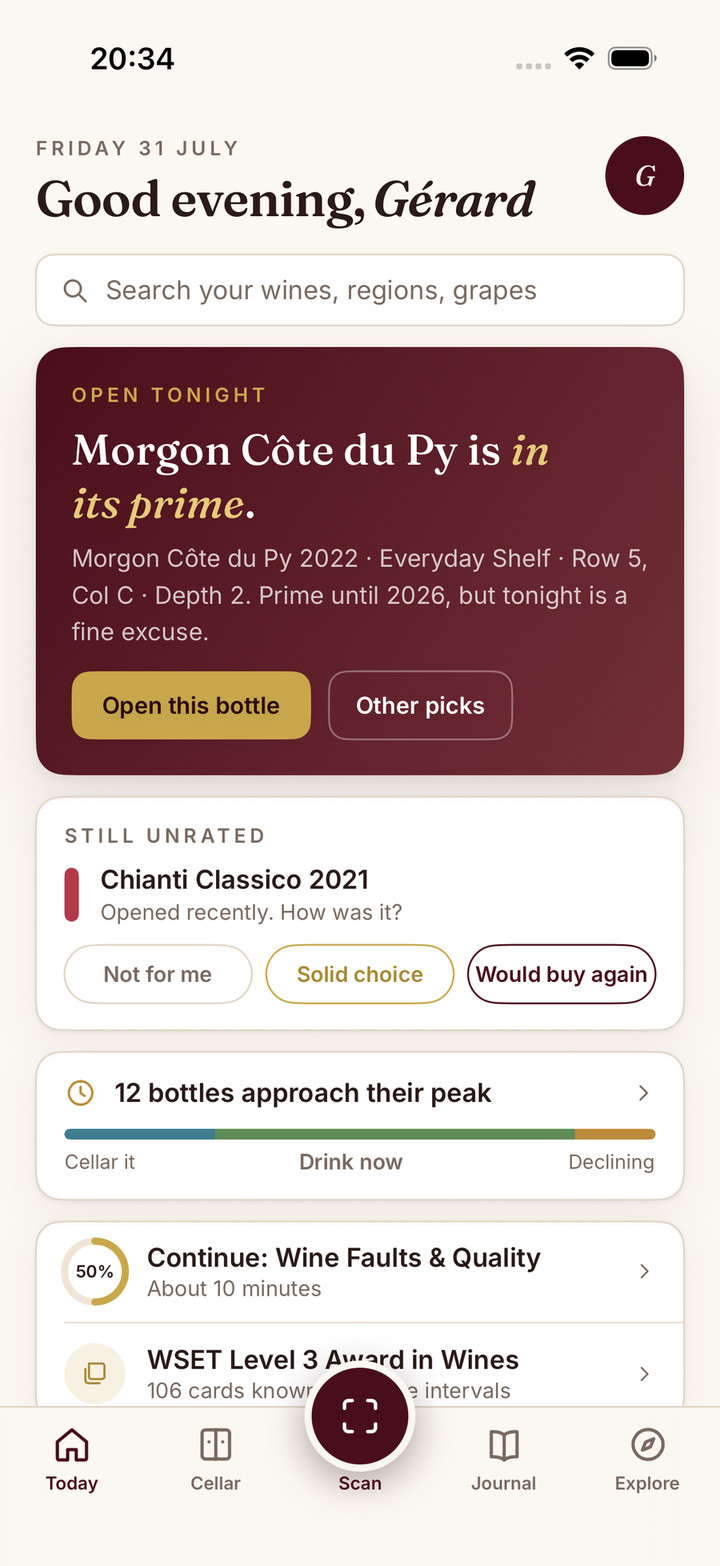
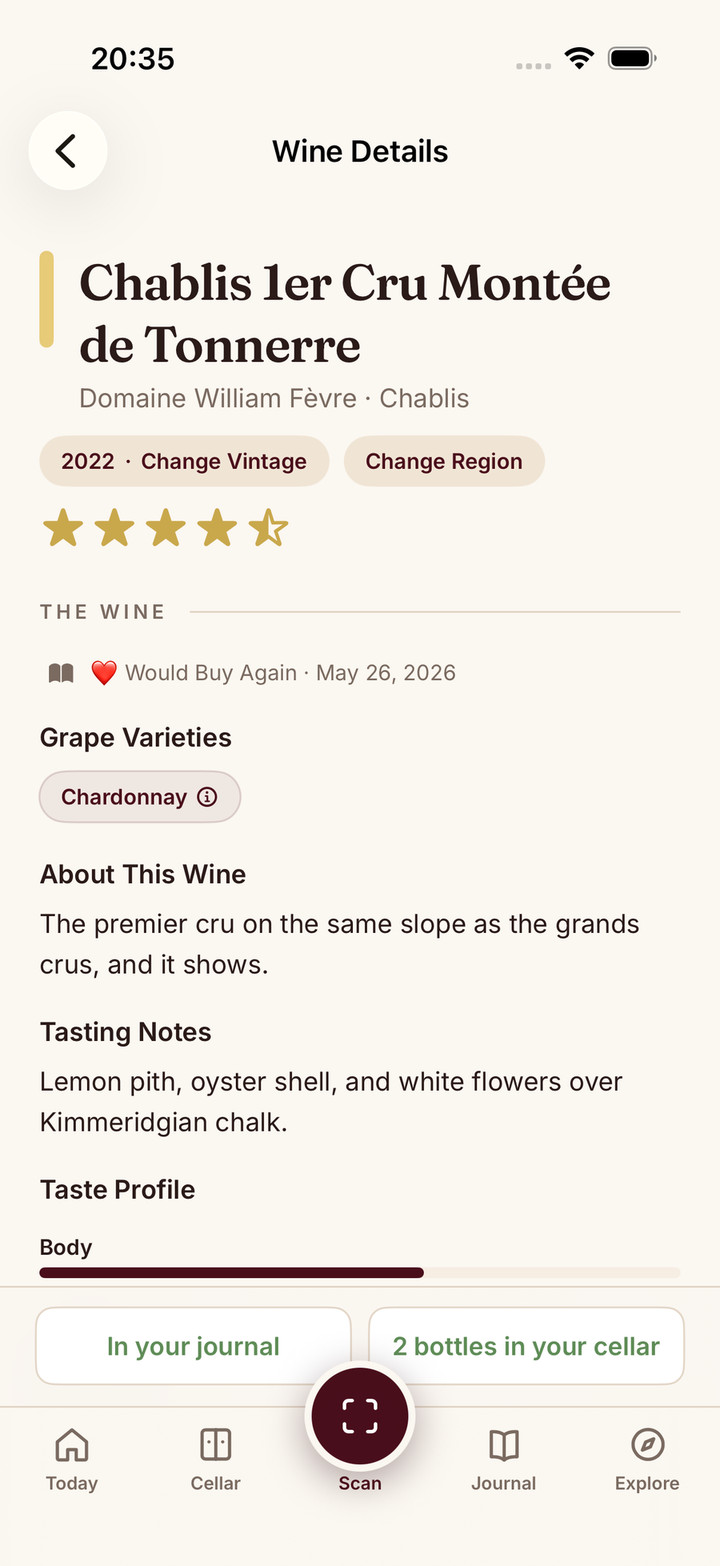
Sommo reads your cellar, checks how each bottle tastes right now, and picks the wine that fits the meal. Built by a sommelier-trained model.
Join 20,000+ wine lovers already using Sommo.
Open Sommo in your browser
Free, nothing to install. Or take it with you:


 Or point your camera here