Brut traditional method sparkling wine is the best wine with fish and chips. High acidity and bubbles clear batter and oil, while lees derived toast echoes the fried crust. Champagne, Cava, Crémant and English sparkling all work. Choose Chablis for a still white, off dry Riesling for curry sauce and Sauvignon Blanc for minty mushy peas. Avoid tannic red wine and heavily oaked Chardonnay.Quick answer
Pairing guideWhat to pour for
Best Wine with Fish and Chips: Bubbles Win
Brut sparkling wine is the best match for fish and chips. Compare Champagne, Cava, English sparkling, Chablis and Sauvignon Blanc for batter and salt.
PicksThree to open
Top picks.
01
Wine
Brut traditional method sparkling wine
Acidity and bubbles clear oil while lees derived toast echoes crisp batter.
- From
- Champagne
- Also
- Cava
02
Wine
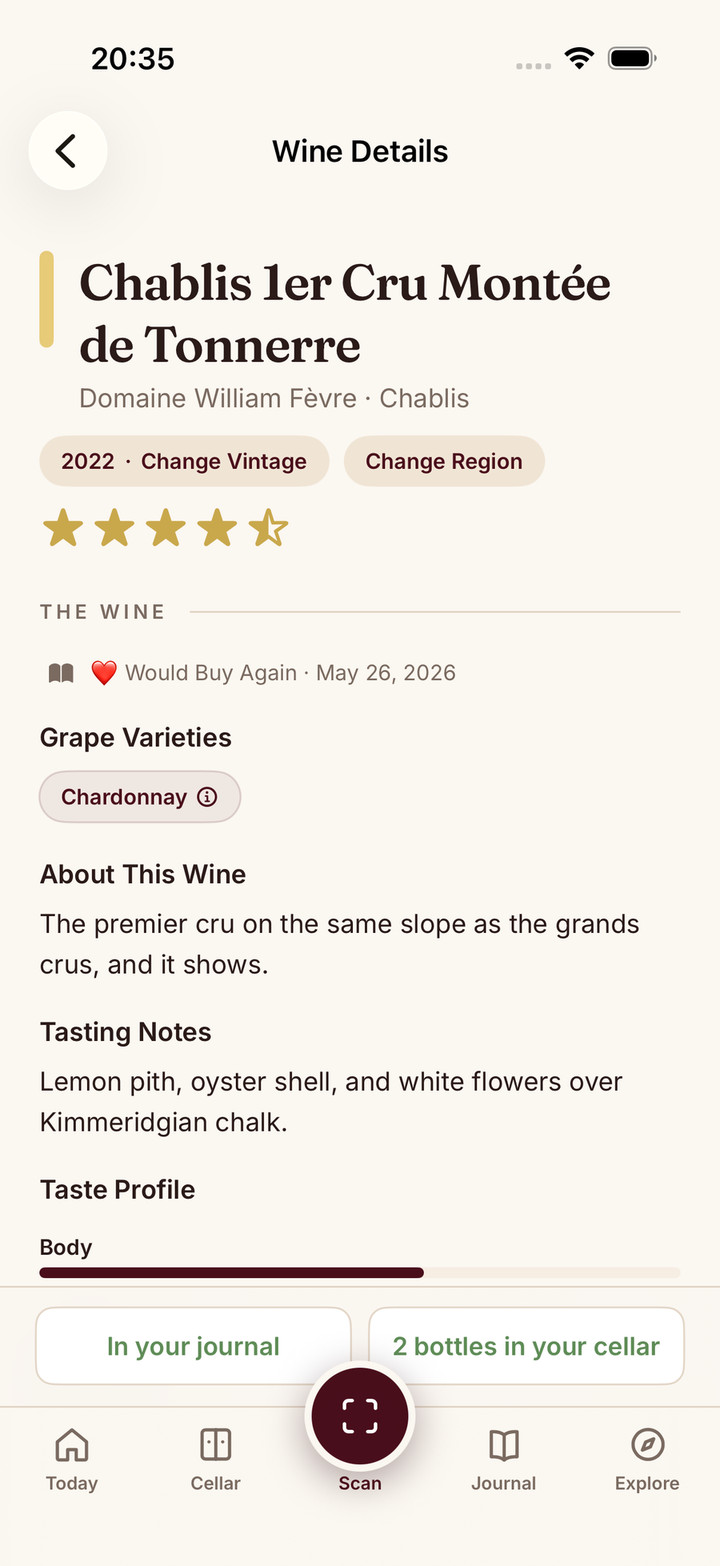
Chablis
Unoaked citrus, acidity and moderate texture suit white fish and batter without adding weight.
- From
- Chablis
- Also
- Burgundy
03
Wine
Off dry Riesling
High acidity refreshes while modest sweetness handles curry sauce and spice.
- From
- Mosel
- Also
- Rheingau
Brut traditional-method sparkling wine is the best wine with fish and chips. Acidity cuts frying oil, bubbles reset the palate, and lees-derived toast echoes crisp batter. Champagne is excellent, but Cava, Crémant and English sparkling do the same structural job for less. For a still wine, choose dry, high-acid, low-oak Chablis or Muscadet.
Why Bubbles Beat a Heavy White
Fish is delicate; batter and chips are not. The pairing has to respect the cod or haddock while clearing hot oil, salt and starch. That makes acidity essential and carbonation unusually effective.
Long lees ageing adds bread, biscuit or brioche aromas that mirror the fried crust. Residual sugar should stay low unless curry sauce or a sweet condiment leads. Heavy oak, high alcohol and soft acidity make the plate feel greasier.
The Pairing Chart
| Plate | Best wine | Why it works |
|---|---|---|
| Classic cod and chips | Brut sparkling wine | Acid and bubbles clear batter and oil |
| Haddock and chips | Chablis | Citrus, chalk and texture suit firmer fish |
| Curry sauce | Off-dry Riesling | Modest sweetness handles spice |
| Mushy peas with mint | Sauvignon Blanc | Green aromas echo peas and herbs |
| Vinegar-heavy chips | Muscadet or Albariño | Very high acidity keeps pace |
| Gluten-free or light batter | Dry Riesling | Freshness without excess weight |
| Luxury version with oysters | Champagne | Salinity, bubbles and lees depth span both |
Champagne, Cava or English Sparkling?
Champagne gives fine mousse, citrus and brioche, and the prestige can turn takeaway into an occasion. Brut non-vintage is enough; an expensive vintage bottle is unnecessary unless you want its mature character.
Cava is the value play. Bottle fermentation brings bubbles and savoury lees notes, while acidity handles frying. Crémant works similarly, with the regional grape changing the flavour. English sparkling is especially apt: high acidity and traditional-method toast suit the dish, and the local pairing tells a coherent story.
Choose by budget and occasion, not because the most famous label has a unique monopoly on the structure.
The Best Still Whites
Chablis is the first still-wine choice. Unoaked Chardonnay provides citrus, acidity and enough texture for the batter without adding vanilla or butter. Muscadet is leaner and more saline; Albariño brings peach and citrus; dry Riesling adds aroma while staying fresh.
A restrained Sauvignon Blanc works with mushy peas, tartare sauce or herbs, but a very pungent tropical style can cover the fish.
If you are ordering for several people, prioritise the shared batter and frying oil before individual sauces. One Brut sparkling bottle will cover cod, haddock, chips, tartare and vinegar; bring a small off-dry Riesling only when curry sauce is a central part of the order.
Condiments Decide the Edge Case
Malt vinegar raises acidity, so the wine must remain sharp. Tartare sauce adds fat and pickle, another win for bubbles. Curry sauce introduces spice and sometimes sweetness; off-dry Riesling becomes more reliable than bone-dry sparkling wine. Ketchup can make an austere wine taste thin, so choose fruit rather than extra tannin.
Salt is friendly to wine, but it makes a high-alcohol bottle easier to drink quickly. Keep alcohol moderate and water on the table.
What to Avoid
- Oaky, buttery Chardonnay that adds weight to frying oil.
- Tannic red wine, which can taste metallic with fish.
- Low-acid, high-alcohol white wine.
- Sweet sparkling wine unless curry sauce is equally sweet.
The Chippy Answer
Open Brut Cava or Crémant for the strongest value, Champagne for the occasion, or Chablis when still wine is required. Serve it cool rather than freezing and use a normal wine glass so the aroma survives.
Sommo compares sweetness, acidity, oak and serving temperature for the bottle you have. Download Sommo and make the Friday-night order a pairing you can repeat.
Pairing principles.
- Use acidity and bubbles to clear frying oil.
- Match lees derived toast to the fried crust.
- Let curry sauce or mushy peas choose the edge case.
- Keep tannin low beside delicate fish.
Sommelier tips.
- Serve sparkling wine at 7 to 10 degrees Celsius.
- Choose off dry Riesling when curry sauce leads.
- Use a normal wine glass so traditional method aromas remain visible.
Avoid.
- Tannic red wine with fish
- Heavily oaked Chardonnay with frying oil
- Low acid, high alcohol white wine
Questions worth asking
01.What is the best wine with fish and chips?+
Brut traditional-method sparkling wine is the best all-round match. High acidity and bubbles refresh after batter and chips, while lees-derived toast echoes the fried crust. Champagne, Cava, Crémant and English sparkling can all work.
02.Does Champagne go with fish and chips?+
Yes. Champagne's acidity and bubbles cut oil, while citrus and brioche fit white fish and batter. It is a high-low pairing that works for structural reasons, not novelty. Brut non-vintage is enough; vintage wine is not required.
03.What still white wine goes with fish and chips?+
Choose Chablis, Muscadet, Albariño or a restrained Sauvignon Blanc. The wine should be dry, high in acidity and low in oak. Chablis adds enough texture for batter without becoming heavy.
04.What wine goes with curry sauce or mushy peas?+
Off-dry Riesling is useful with curry sauce because a little sweetness meets spice. Sauvignon Blanc can match minty mushy peas. For a plate with both, Brut sparkling wine remains the safest bridge.
05.Should the wine be very cold?+
Serve sparkling wine around 7 to 10 degrees Celsius and still white around 8 to 12. Ice-cold wine hides flavour, while warm wine feels broad beside frying oil. Let the glass warm gradually.
Pairings in the app · All pairings
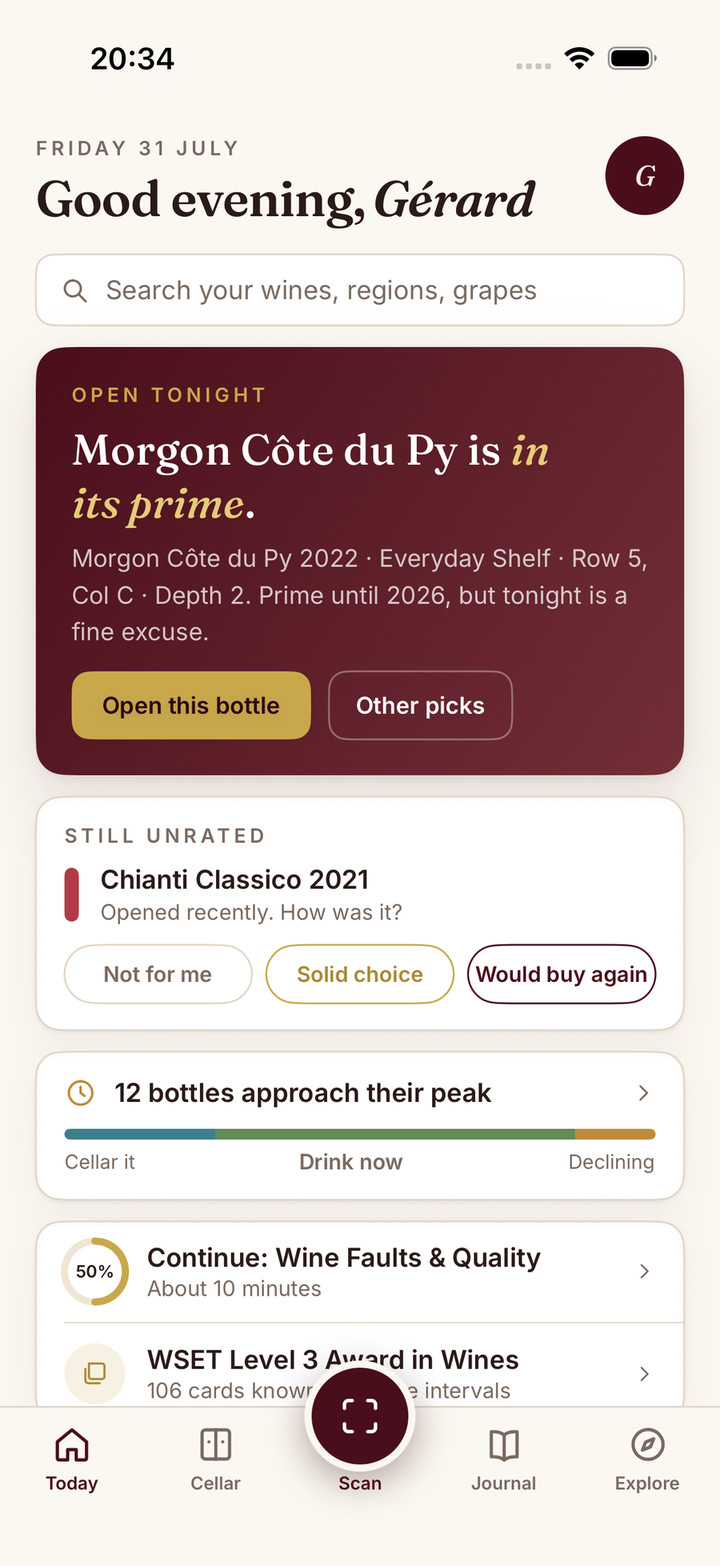
Skip the guesswork.
Pour with confidence.
Sommo reads your cellar, checks how each bottle tastes right now, and picks the wine that fits the meal. Built by a sommelier-trained model.

 Or point your camera here