01
Wine
Pinot Noir
Silky tannins, bright cherry fruit, and earthy complexity are the classic complement to roast duck and duck confit.
- From
- Burgundy
- Also
- Willamette Valley
From rich duck confit to crispy Peking duck, find the exact wine pairing for every preparation. 8 sommelier-backed picks with serving tips and bottles to try.
Silky tannins, bright cherry fruit, and earthy complexity are the classic complement to roast duck and duck confit.
Dark fruit, black pepper, and smoky notes match the richness and depth of seared duck breast and duck cassoulet.
Ripe red fruit and warm spice complement duck with fruit sauces like cherry or orange, bridging sweet and savory.
Duck occupies a unique position in the poultry world. Unlike chicken and turkey, which are lean and mild, duck is richly flavored, distinctly gamey, and wrapped in a thick layer of subcutaneous fat that, when properly rendered, creates an incomparably crisp skin. This combination of intense flavor and luxurious fat makes duck one of the most rewarding proteins to pair with wine.
The fat in duck skin and meat plays a critical role in wine pairing. When rendered fat coats the palate, it physically softens the astringency of tannins in red wine. This means duck can handle more structured, tannic wines than chicken ever could. At the same time, duck’s gamey, iron-rich character creates affinity with wines that have earthy, savory, and mineral qualities. The result is that duck pairs exceptionally well with the great reds of Burgundy, the Northern Rhone, and beyond.
Duck is also remarkably versatile in the kitchen. A seared duck breast served pink is a completely different dish from a slowly braised duck leg confit, which is again different from a whole roasted Peking duck or a duck cassoulet. Each preparation demands a different wine approach, making duck a fascinating subject for pairing exploration.
The most important interaction in duck and wine pairing is the relationship between duck fat and wine tannins. Tannins are polyphenolic compounds that create a drying, gripping sensation on the palate. Fat molecules coat the mouth and counteract this drying effect, making tannic wines taste smoother and more approachable. This is why duck, with its generous fat content, is a natural partner for medium-bodied to full-bodied reds.
Duck has a distinctly earthy, mineral quality that separates it from other poultry. This earthiness calls for wines with similar characteristics: aged Pinot Noir with forest-floor notes, Syrah with its garrigue and black olive aromas, or mature Grenache with its leathery complexity. Young, simple, fruit-forward wines often taste one-dimensional alongside duck.
Duck is almost always served with a sauce, and that sauce frequently drives the pairing. A cherry or plum sauce calls for wines with corresponding red and dark fruit. An orange sauce needs wines with citrus or floral notes. A rich demi-glace demands wines with depth and structure. Always consider the sauce as much as the duck itself.
Seared duck breast, served pink with a crispy rendered skin, is the most common duck preparation in restaurant dining. The contrast between the caramelized crust and the rare, tender interior creates a dish with remarkable complexity. Pinot Noir from Burgundy is the textbook pairing. A village-level wine from Gevrey-Chambertin, Volnay, or Nuits-Saint-Georges offers the cherry fruit, earthy complexity, and silky tannins that complement the duck without overpowering its delicate pink center.
For a New World alternative, Willamette Valley Pinot Noir from producers like Domaine Drouhin, Eyrie Vineyards, or Bethel Heights brings slightly riper fruit and a supple texture that mirrors the duck’s richness. Central Otago Pinot Noir from New Zealand, with its bold cherry and spice character, is another excellent option.
If the duck breast is served with a peppery crust or juniper berries, consider a Northern Rhone Syrah. A Crozes-Hermitage from producers like Alain Graillot or Domaine Combier offers black pepper, dark fruit, and herbal notes that echo the seasoning perfectly.
Duck confit is perhaps the greatest duck-and-wine pairing opportunity of all. The slow-cooked, salt-cured leg is incredibly rich, with fall-apart tender meat and intensely savory, concentrated flavors. This is a preparation that demands wines with structure, acidity, and age-derived complexity.
An aged Burgundy Premier Cru or village wine from a good vintage is sublime with duck confit. The wine’s developed bouquet of dried cherry, leather, mushroom, and forest floor mirrors the confit’s deep, savory character. Look for wines with at least five to seven years of age for the best synergy.
The classic regional pairing is with the wines of southwest France. Madiran, made from the tannic Tannat grape, is the traditional match in the Gascony region where duck confit originated. Cahors, made from Malbec, is another historically authentic choice. The deep, dark, robust character of these wines was designed over centuries to complement the richness of preserved duck.
A Cote-Rotie from the Northern Rhone is a more refined option. The Syrah’s smoky, meaty character and the appellation’s characteristic floral elegance (from a small addition of Viognier) create a pairing that is both powerful and graceful.
Northern Rhône Syrah works because it echoes duck rather than merely overpowering it. Black pepper meets a peppered crust, olive and smoked-meat notes meet the bird’s savoury depth, and fresh acidity clears rendered fat. Tannin is usually firmer than Pinot Noir but finer and less sweet-fruited than warm-climate Shiraz.
Match the appellation to the preparation:
For cherry or plum sauce, Pinot Noir remains the easier bridge. For hoisin or orange, the sauce introduces sweetness and an off-dry Riesling can beat every red. The Syrah versus Merlot comparison shows why Merlot is softer but less precise with pepper and smoke.
Serve Northern Rhône Syrah at 16 to 18°C. Give young Cornas or Hermitage at least an hour of air, while mature Côte-Rôtie needs careful decanting only for sediment.
A whole roasted duck with crispy skin and aromatic stuffing is a celebration dish that calls for a correspondingly special wine. Chateauneuf-du-Pape, a Grenache-dominant blend with Syrah, Mourvedre, and other varieties, offers the warmth, complexity, and generous fruit that a roast duck deserves. The wine’s spiced red fruit and herbal notes complement the aromatics of thyme, garlic, and bay leaf typically used in roasting.
A Priorat from northeast Spain, also Grenache-based but with an intense mineral character from the region’s slate soils, is an outstanding alternative. The wine’s concentrated dark fruit and stony minerality stand up to the richness of a whole roasted bird.
Peking duck presents a unique pairing challenge because of its accompaniments: hoisin sauce (sweet, salty, and fermented), scallions, and thin pancakes. The sweet-savory complexity of hoisin sauce calls for a wine that bridges these elements. An off-dry Riesling Spatlese from the Mosel is exceptional here, with its residual sugar matching the hoisin’s sweetness and its acidity cutting through the duck fat. For red wine lovers, a Grenache-based rose with ripe fruit and moderate body provides a versatile middle ground.
The hearty Languedoc classic of slow-cooked duck legs with white beans, sausage, and breadcrumb crust demands a robust wine. Corbieres, Minervois, or Fitou from the Languedoc, all blends built on Grenache, Syrah, and Mourvedre, are the regional choices and they work perfectly. Their rustic, sun-baked character matches the soul-warming richness of cassoulet.
Duck with a stone-fruit sauce is a classic combination. Pinot Noir from Burgundy or Willamette Valley, with its natural cherry and plum fruit, creates a seamless flavor bridge. The wine’s acidity also cuts through the sauce’s sweetness.
This retro-classic French dish pairs the richness of duck with the brightness of orange. A Condrieu (Viognier) from the Northern Rhone offers apricot and orange-blossom aromatics that mirror the sauce. For a red option, a young Grenache with ripe red-orange fruit character works well.
When the sauce already contains red wine, match the style. If the sauce uses a Burgundy-style wine, serve Pinot Noir. If it uses a Southern Rhone blend, serve a Chateauneuf-du-Pape or Cotes du Rhone.
Sweet and savory Asian glazes need wines that can bridge sugar, salt, and umami. Off-dry Riesling, Gewurztraminer, or a fruit-forward Grenache rose are all excellent choices. Avoid tannic reds, which clash with soy sauce’s umami.
A Cotes du Rhone rouge from producers like E. Guigal, Perrin, or Tardieu-Laurent offers warm, spicy Grenache character that complements duck preparations at an everyday price. A Chilean Pinot Noir from producers like Cono Sur or Montes provides bright cherry fruit and silky texture.
A Crozes-Hermitage from the Northern Rhone brings peppery Syrah character and food-friendly acidity. An Oregon Willamette Valley Pinot Noir from Erath, A to Z, or Sokol Blosser delivers earthy complexity at a reasonable price.
A village Burgundy from Gevrey-Chambertin, Volnay, or Chambolle-Musigny provides the earthy, complex Pinot Noir that makes duck pairing legendary. A Cote-Rotie from producers like Stéphane Ogier or Rene Rostaing offers the refined Syrah experience that transforms a duck dinner into an event.
Duck’s richer, gamier character means it can handle bolder wines than chicken. A wine that would be perfect for roast chicken, like a light Chardonnay or simple Beaujolais, may taste underwhelming alongside duck. Step up in body, complexity, and flavor intensity.
Duck’s fat is an asset in wine pairing, but only if it is properly rendered. Poorly cooked duck with unrendered, flabby fat creates a heavy, greasy mouthfeel that even good wine cannot fix. Ensure the duck skin is crispy and the fat is well-rendered for the best pairing experience.
While duck can handle more tannin than chicken, extremely tannic wines like young Barolo, Brunello, or Cabernet Sauvignon can still overwhelm the meat. Medium tannin is the sweet spot for duck: think Pinot Noir, Grenache, and lighter Syrah rather than Cabernet and Nebbiolo.
The pairing of duck and Pinot Noir is deeply rooted in Burgundian gastronomy. Canard a la Bourguignonne, duck braised in red Burgundy with mushrooms and pearl onions, is one of the great dishes of the region. The tradition of serving Pinot Noir alongside duck extends from humble bistros to three-star restaurants.
The Gascon tradition of duck confit paired with the “black wine” of Cahors (Malbec) is one of the world’s oldest and most authentic food-and-wine pairings. The tannic, deep-colored wine was historically essential for cutting through the extreme richness of salt-preserved duck.
While traditional Peking duck was served with tea, modern sommeliers have discovered that off-dry European whites, particularly Riesling and Gewurztraminer, create outstanding pairings with the sweet-savory complexity of hoisin and roasted duck skin.
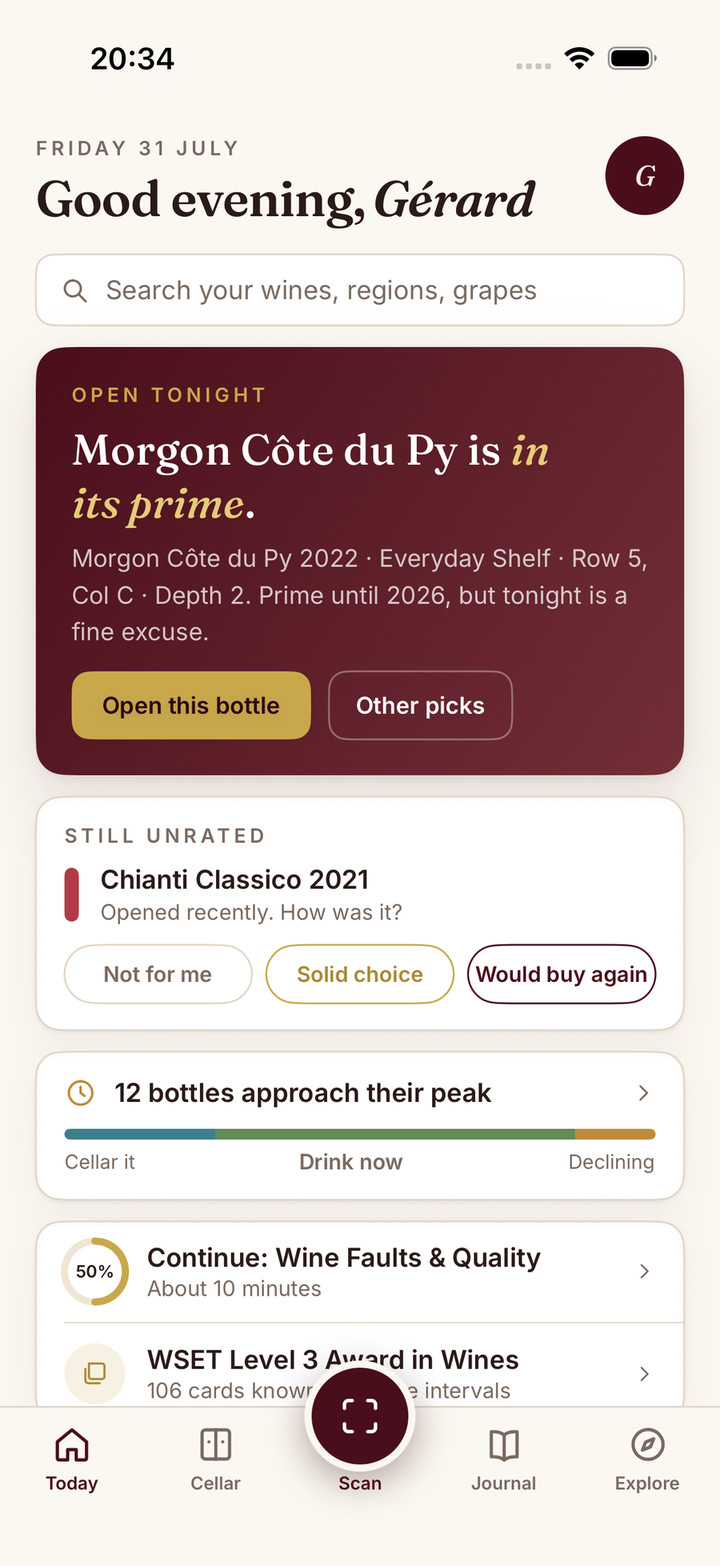
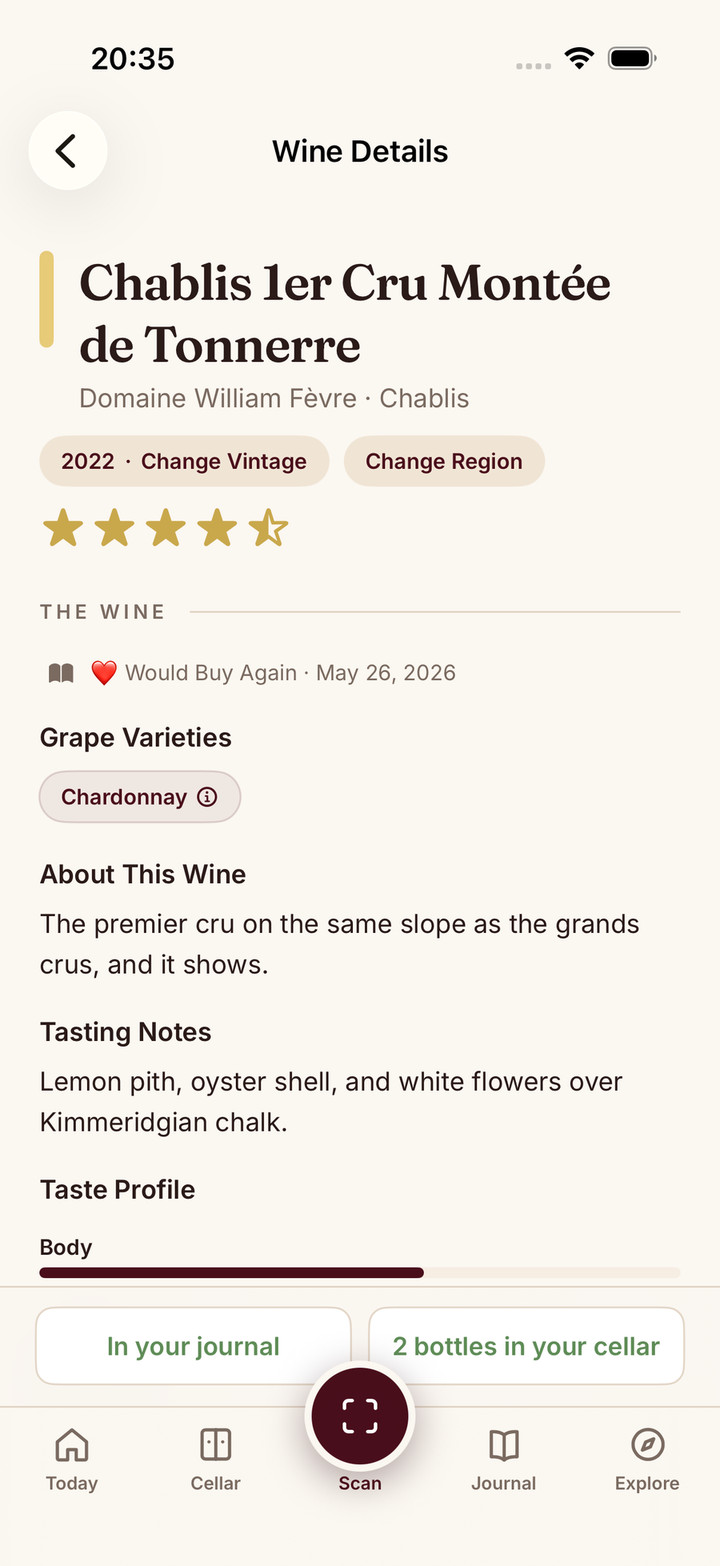
Duck is one of the most rewarding proteins for wine exploration, and the Sommo app makes discovering your ideal pairing effortless. Scan any wine label to see how it will work with duck confit, seared breast, or roasted whole duck. Explore the grape varieties that make duck sing, from Pinot Noir and Syrah to Grenache, and log your favorite combinations in your personal wine journal. Download Sommo and elevate your next duck dinner from delicious to unforgettable.
Sommo reads your cellar, checks how each bottle tastes right now, and picks the wine that fits the meal. Built by a sommelier-trained model.
 Or point your camera here