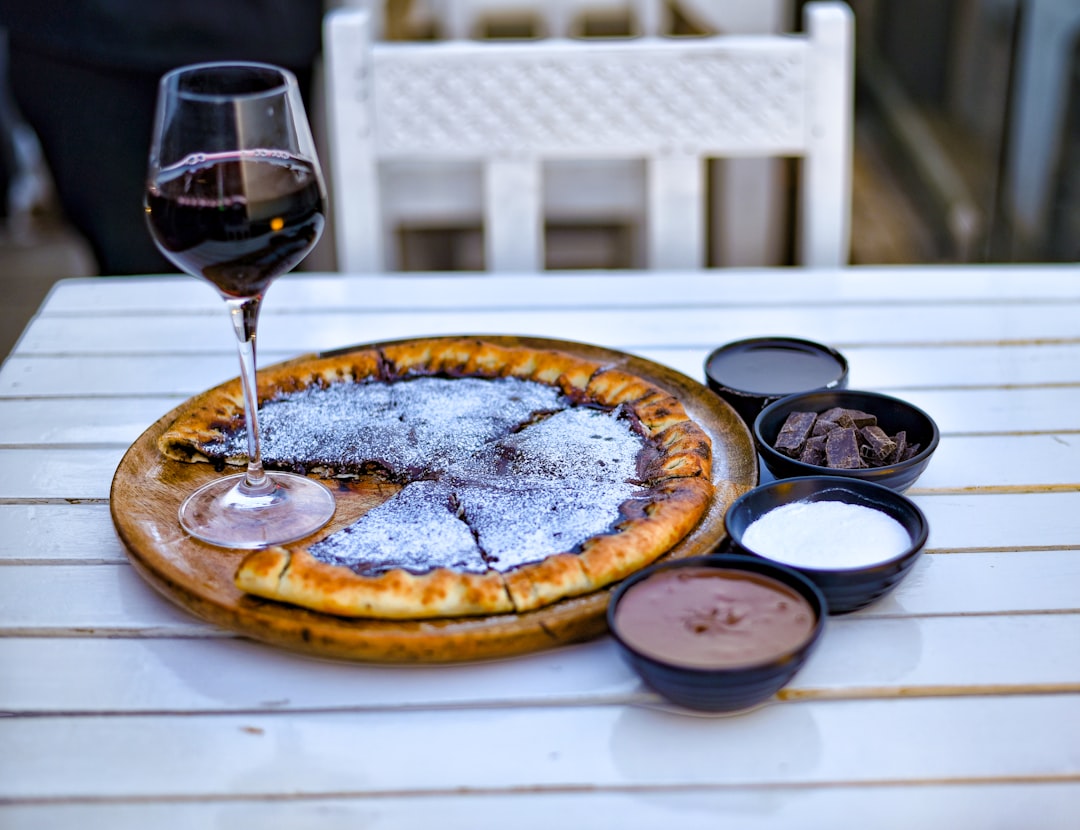
Best Wine with Dessert: The Complete Pairing Guide (With Specific Picks)
Stop guessing what wine to serve with dessert. Sauternes with crème brûlée, Port with dark chocolate, Moscato with fruit tarts — pairings for every sweet dish.
Top Wine Recommendations
Riesling
Late-harvest Riesling's honeyed sweetness and electric acidity pair perfectly with fruit-based desserts and custards.
Chenin Blanc
Moelleux Chenin Blanc from the Loire offers quince, honey, and lanolin notes ideal for tarte tatin and crème brûlée.
Touriga Nacional
Port wine, built on Touriga Nacional, is the classic match for rich chocolate and nut desserts.
Pairing Principles
- The wine must be sweeter than the dessert, or the wine will taste sour and thin.
- Match the weight: light, fruity desserts with lighter sweet wines, rich desserts with fortified wines.
- Acidity in sweet wine prevents the pairing from becoming cloyingly sweet.
- Consider complementary flavors: caramel desserts with tawny Port, fruit tarts with late-harvest whites.
Wines to Avoid
- Dry red wines that taste sour and astringent next to sweet desserts
- Dry white wines that are overwhelmed by the sugar in desserts
- Very light sweet wines paired with rich, dense desserts like chocolate lava cake
Price Guide
- Budget: A Moscato d'Asti or late-harvest Riesling is affordable and versatile for most fruit-based desserts.
- Mid-Range: A Sauternes or Vouvray Moelleux brings honeyed complexity to pastries and custard desserts.
- Premium: A Château d'Yquem Sauternes or vintage Tawny Port is the ultimate indulgence for a grand dessert course.
Sommelier Tips
- Serve dessert wines in smaller portions (2-3 oz) since they are rich and intensely flavored.
- A great dessert wine can be the dessert itself: try Sauternes with nothing but a simple biscuit.
- For cheese as dessert, blue cheese with Sauternes is one of the world's most iconic pairings.
The Art of Pairing Wine with Dessert
Dessert wine pairing follows one golden rule: the wine must be at least as sweet as the dessert. Violate this principle, and even the finest wine will taste thin, bitter, and acidic against a sweet dish. Respect it, and you unlock some of the most sublime food and wine combinations in the entire culinary world.
Yet beyond this fundamental rule lies a rich landscape of possibilities. The world of dessert wines is extraordinarily diverse, encompassing everything from delicate, flower-scented Moscato d’Asti to intensely concentrated Sauternes, from tawny, nutty Madeira to sparkling Brachetto d’Acqui. Each style brings unique characteristics that pair differently with the vast universe of desserts.
Understanding these relationships transforms the end of a meal from an afterthought into its crowning moment.
Understanding Dessert Wine Styles
Late-Harvest Wines
Grapes left on the vine longer than usual develop higher sugar concentrations. Late-harvest (Vendange Tardive in French, Spatlese and Auslese in German) Riesling, Gewurztraminer, and Chenin Blanc produce wines with concentrated fruit flavors, honeyed sweetness, and balancing acidity. They are among the most versatile dessert wines.
Botrytis-Affected Wines (Noble Rot)
Botrytis cinerea, or noble rot, is a beneficial fungus that concentrates sugars and acids in grapes while adding unique flavors of honey, marmalade, and saffron. The world’s most famous botrytis wines include Sauternes (Bordeaux), Tokaji Aszu (Hungary), Beerenauslese and Trockenbeerenauslese (Germany and Austria), and Quarts de Chaume (Loire Valley). These wines are intensely sweet, complex, and long-lived.
Ice Wine (Eiswein)
Made from grapes frozen on the vine and pressed while still frozen, ice wine (primarily from Canada and Germany) produces extraordinarily concentrated, sweet wine with bracing acidity. The natural freeze concentrates sugars and acids, creating wines of remarkable intensity and purity.
Fortified Dessert Wines
Port, Madeira, Sherry (Pedro Ximenez and Cream), Muscat de Beaumes-de-Venise, Banyuls, and Rutherglen Muscat are wines with added grape spirit that stops fermentation, preserving natural grape sugar. They range from moderately to extremely sweet and offer a wide spectrum of flavors.
Sparkling Sweet Wines
Moscato d’Asti, Brachetto d’Acqui, and demi-sec Champagne offer a lighter, more refreshing take on dessert wine. Their bubbles and lower alcohol (Moscato is typically around 5.5%) make them approachable and palate-cleansing.
Pairing by Dessert Category
Fruit Desserts
Fresh Fruit Tarts and Fruit Salad
Light, fruit-forward desserts need wines that echo and amplify the fruit without overwhelming it with sweetness.
Moscato d’Asti is ideal for peach, apricot, and nectarine desserts. Its stone fruit flavors, gentle sparkle, and low alcohol create a refreshing pairing.
Late-harvest Riesling (Spatlese or Auslese) complements apple and pear desserts beautifully, with its apple and citrus notes creating a natural bridge.
Sauternes or Quarts de Chaume are magnificent with poached pears or baked apples, where the wine’s apricot and honey flavors add a layer of luxury.
Berry Desserts (Strawberry Shortcake, Berry Crumble)
Brachetto d’Acqui is the dream pairing for strawberry desserts. Its sparkling, sweet, strawberry-scented character is practically designed for this combination.
Demi-sec Rose Champagne pairs beautifully with mixed berry desserts, adding elegance and a cleansing fizz.
Banyuls or Maury (Grenache-based fortified wines) complement darker berry desserts (blackberry, blueberry) with their own dark fruit richness.
Citrus Desserts (Lemon Tart, Key Lime Pie)
Citrus desserts need wines with enough acidity to match the citrus bite and enough sweetness to balance it.
Late-harvest Riesling from the Mosel, with its lime and honey character, is outstanding with lemon tart.
Tokaji Aszu (5 or 6 puttonyos) brings the acidity and marmalade flavors that complement orange and lemon desserts.
Passito di Pantelleria (Muscat-based from Sicily) with its orange peel and apricot notes is beautiful with citrus-based sweets.
Cream and Custard Desserts
Creme Brulee
The caramelized sugar crust and smooth vanilla custard of creme brulee call for wines with matching richness and caramel notes.
Sauternes is the classic choice. Its crema catalana, honey, and vanilla flavors create an extraordinary harmony with the custard, while its acidity prevents the pairing from becoming cloying.
Tokaji Aszu (5 puttonyos) offers similar richness with an additional spice complexity.
10-Year Tawny Port brings caramel, butterscotch, and walnut notes that echo the brulee’s caramelized top.
Panna Cotta
The light, creamy texture of panna cotta pairs with more delicate sweet wines.
Moscato d’Asti provides gentle sweetness and bubbles that complement vanilla panna cotta.
Late-harvest Viognier with its apricot and floral notes is lovely with fruit-topped panna cotta.
Tiramisu
The coffee, mascarpone, and cocoa in tiramisu create a rich, complex dessert that needs an equally complex wine.
Recioto della Valpolicella (sweet red) echoes the coffee and chocolate notes.
Vin Santo from Tuscany, with its nutty, caramel, oxidative character, is the traditional Italian match.
Pedro Ximenez Sherry adds fig, date, and toffee flavors that wrap around tiramisu’s layers.
Pastry and Baked Desserts
Apple Pie and Apple Strudel
Ice Wine (Canadian Riesling or Vidal) brings concentrated apple flavors and bracing acidity that complement the warm, cinnamon-spiced filling.
Tokaji Aszu works beautifully with apple’s natural acidity and the pie’s sweetness.
Calvados (apple brandy) is not wine but deserves mention as the definitive apple dessert spirit.
Baklava
The honey, pistachio, and flaky pastry of baklava need a wine with matching honey-nut complexity.
Muscat de Beaumes-de-Venise with its honeyed, orange-blossom character is excellent.
Commandaria from Cyprus, one of the world’s oldest wines, with its dried fruit and honey flavors, is a historical match.
Orange Muscat or a Moscato Passito brings the floral, honeyed character that harmonizes with baklava.
Mille-Feuille and Eclairs
Pastry cream desserts pair well with wines that have enough richness to match the cream and enough acidity to cut through the butter.
Demi-sec Champagne provides the elegance and palate-cleansing effervescence that these French pastries deserve.
Vouvray Moelleux (sweet Chenin Blanc) offers honeyed richness and acidity in perfect balance.
Nut-Based Desserts
Pecan Pie
The caramel, brown sugar, and nut richness of pecan pie demands wines with similar flavors.
20-Year Tawny Port is the ideal match. Its walnut, caramel, and butterscotch notes mirror pecan pie’s flavors almost exactly.
PX Sherry adds fig and treacle notes that complement the pie’s deep sweetness.
Almond Cake
Vin Santo is the traditional Italian pairing. The Tuscan wine’s almond, hazelnut, and caramel character harmonizes with almond cake and biscotti.
Madeira (Malmsey or Bual) brings similar nutty, caramel complexity with a distinctive tang.
Frozen Desserts
Vanilla Ice Cream
Muscat de Beaumes-de-Venise poured over vanilla ice cream is a simple but stunning dessert in itself.
Pedro Ximenez Sherry drizzled over ice cream creates an indulgent affogato-style experience.
Sorbet
Fruit sorbets pair with wines that match their fruit flavor. Lemon sorbet with Moscato d’Asti; mango sorbet with late-harvest Riesling; raspberry sorbet with Brachetto d’Acqui.
Cheese as Dessert
In many European traditions, cheese replaces or accompanies the sweet dessert course. Sweet wines with cheese can be extraordinary:
- Sauternes with Roquefort: One of the world’s greatest pairings
- Port with Stilton: The classic British finish
- Tokaji with aged Gouda: A rich, luxurious combination
- Vin Santo with Pecorino: Italian elegance
Dessert Wine Without Dessert
Many dessert wines are best enjoyed on their own, as the dessert itself. A glass of Sauternes, a measure of aged Tawny Port, or a flute of Moscato d’Asti needs no accompaniment beyond quiet appreciation. This approach avoids the risk of conflicting sweetness levels and lets the wine’s complexity shine.
Common Dessert Pairing Mistakes
The Wine Is Less Sweet Than the Dessert
This is the most common and most damaging error. A wine less sweet than the dessert will taste thin, bitter, and acidic. Always choose a wine that matches or exceeds the dessert’s sweetness.
Chocolate with the Wrong Wine
Chocolate is one of the most challenging dessert pairing ingredients. Dry wines and light dessert wines fail against chocolate’s intensity. See our dedicated chocolate pairing guide for detailed recommendations.
Ignoring Acidity
Even in dessert wines, acidity is essential. Without it, the combination of a sweet wine and a sweet dessert becomes cloying and heavy. The best dessert wines (Sauternes, Riesling, Tokaji) have electric acidity that keeps the pairing fresh.
Too Much Wine
Dessert wines are rich and intense. A small glass (60-90ml) is sufficient. Oversized pours lead to palate fatigue.
Building a Dessert Wine Collection
Six bottles that cover virtually every dessert scenario:
- Moscato d’Asti (light fruit desserts, everyday enjoyment)
- Sauternes (cream desserts, fruit tarts, cheese)
- Late-harvest Riesling (fruit desserts, citrus, spiced desserts)
- 10-Year Tawny Port (caramel, nut, and chocolate desserts)
- Vin Santo (biscotti, nut cakes, Italian desserts)
- Brachetto d’Acqui (berry desserts, light chocolate)
End the Meal Perfectly with Sommo
The Sommo app helps you discover the ideal dessert wine for every sweet occasion. Scan any dessert wine label to learn about its sweetness level, flavor profile, and best dessert pairings. Explore the world of late-harvest wines, fortified wines, and sparkling sweetness from every corner of the globe. Whether you are finishing a dinner party or treating yourself to a quiet indulgence, Sommo guides you to the perfect sweet ending. Download the app today.