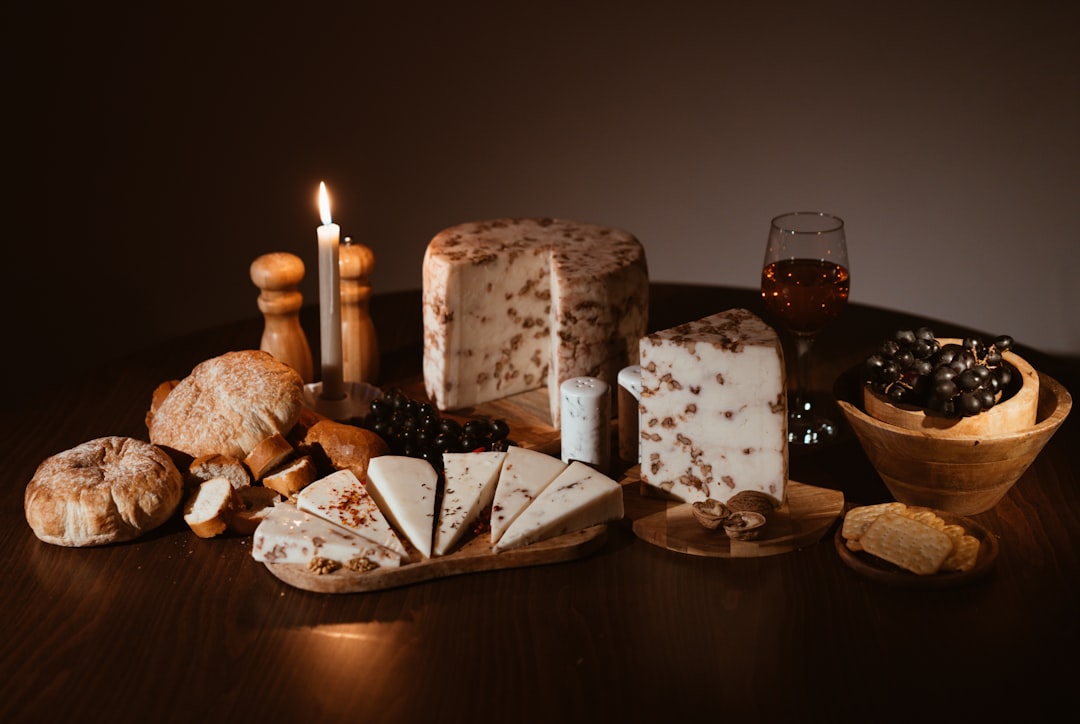
Best Wine with Cheese: A Complete Pairing Guide
Learn how to pair wine and cheese like a pro. From sharp cheddar to creamy brie, discover the best wine matches for every cheese style.
Top Wine Recommendations
Chardonnay
Rich, buttery Chardonnay complements creamy cheeses like Brie and Camembert beautifully.
Cabernet Sauvignon
Bold tannins and dark fruit pair wonderfully with aged, hard cheeses like mature Cheddar and Manchego.
Chenin Blanc
Versatile acidity and honeyed notes make Chenin Blanc excellent with goat cheese and washed-rind styles.
Pairing Principles
- Match intensity: mild cheeses with light wines, aged cheeses with bold wines.
- Contrast works too: salty blue cheese pairs brilliantly with sweet dessert wines.
- Regional pairings are reliable: French cheese with French wine, Spanish cheese with Spanish wine.
- Acidity in wine cuts through the fat in rich, creamy cheeses and cleanses the palate.
Wines to Avoid
- Big, tannic reds with fresh, delicate goat cheese
- Light, crisp whites with powerful, pungent washed-rind cheeses
- Very oaky wines with blue cheese, which can amplify bitterness
Price Guide
- Budget: A Loire Valley Chenin Blanc or a young Rioja handles most cheese boards with versatility.
- Mid-Range: A white Burgundy or aged Chianti Classico brings refinement to a curated cheese selection.
- Premium: A Sauternes or vintage Port creates a show-stopping pairing with Roquefort or Stilton.
Sommelier Tips
- Build your cheese board from mild to strong, and arrange wines from light to bold to match.
- Serve cheese at room temperature for the best flavor and texture alongside wine.
- When pairing a mixed cheese board, a versatile Pinot Noir or Chenin Blanc covers the widest range.
Wine and Cheese: Rethinking a Classic Pairing
Wine and cheese are often presented as a perfect match, a pairing so natural that it requires no thought at all. The truth is more nuanced. While some wine and cheese combinations are indeed sublime, others clash spectacularly. Many of the most popular assumptions about wine and cheese pairing are misleading, and the “red wine with cheese” default that most people follow often leads to disappointing results.
The good news is that once you understand a few key principles, navigating the world of wine and cheese becomes straightforward and deeply rewarding. The right pairing can make both the wine and the cheese taste significantly better than either does alone.
Why White Wine Often Beats Red with Cheese
This may be the most important thing to learn about wine and cheese pairing: white wines are generally more versatile and successful cheese partners than reds. The reason comes down to tannins. The tannins in red wine can react with the proteins and fats in cheese to create a chalky, metallic, or bitter sensation on the palate. Softer, creamier cheeses amplify this effect, which is why a tannic Cabernet Sauvignon with Brie is often a poor match despite being a popular combination.
White wines, with their acidity, fruit, and absence of tannins, tend to complement cheese’s richness without clashing. Acidic whites cut through fat, off-dry whites balance salt, and aromatic whites complement the complex flavors that develop in aged cheeses.
This is not to say red wine never works with cheese. It certainly does, but the pairings require more thought and specificity.
Pairing by Cheese Category
Fresh Cheeses
Examples: Mozzarella, burrata, ricotta, chevre (fresh goat cheese), feta, cream cheese
Fresh cheeses are mild, moist, and often tangy. They need wines that are equally fresh and light. Heavy or oaked wines will overwhelm their delicate flavors.
Best pairings:
- Sauvignon Blanc from the Loire Valley (Sancerre or Pouilly-Fume) is outstanding with fresh goat cheese. The wine’s crisp acidity and citrus-herbal notes mirror the cheese’s tang, creating one of the wine world’s most celebrated pairings.
- Prosecco or Champagne provides bubbles that cleanse the palate between bites of creamy burrata or mozzarella.
- Provence rose offers gentle fruit and acidity that complement feta’s saltiness beautifully.
- Vermentino or Pinot Grigio provides light, refreshing accompaniment to ricotta-based dishes.
Soft-Ripened Cheeses
Examples: Brie, Camembert, Brillat-Savarin, Epoisses, Langres
These cheeses have bloomy or washed rinds and range from mild and buttery to pungent and powerful. The creamy, sometimes runny texture requires wines with enough acidity to cut through the richness.
Best pairings:
- Champagne or Cremant is arguably the finest match for Brie and Camembert. The bubbles slice through the cream, while the wine’s yeasty, brioche-like notes echo the mushroomy rind.
- Burgundy Chardonnay (Meursault, Chassagne-Montrachet) complements the buttery richness of triple-cream cheeses like Brillat-Savarin.
- Chenin Blanc from Vouvray, whether dry or off-dry, has the acidity and honeyed character to handle both mild Brie and pungent washed-rind cheeses.
- Normandy Cider is the traditional French match for Camembert, but if you prefer wine, a crisp Chablis is excellent.
For pungent washed-rind cheeses like Epoisses, the classic pairing is a late-harvest Gewurztraminer from Alsace, whose aromatic intensity and sweetness balance the cheese’s assertive flavors.
Semi-Hard Cheeses
Examples: Gruyere, Comte, Gouda (young to medium), Emmental, Manchego, Cheddar (mild to medium)
Semi-hard cheeses offer a wide range of flavors from nutty and sweet to buttery and tangy. Their firm texture and moderate intensity make them among the most versatile cheese partners for wine.
Best pairings:
- Chardonnay (especially Burgundy or quality California) pairs beautifully with Gruyere and Comte. The wine’s nutty, buttery notes harmonize with the cheese’s similar flavors.
- Dry Riesling from Alsace or the Mosel complements Gruyere and Emmental, with the wine’s acidity cutting the richness and its mineral notes echoing the cheese’s nuttiness.
- Tempranillo from Rioja is the classic partner for Manchego. A Rioja Crianza or Reserva, with its vanilla-oak and dried fruit notes, is outstanding with Spain’s most famous cheese.
- Chenin Blanc from the Loire (Savennieres or Vouvray sec) handles the range of semi-hard cheeses with elegance.
Hard, Aged Cheeses
Examples: Parmigiano-Reggiano, aged Cheddar, aged Gouda, Pecorino Romano, Gruyere d’Alpage
Aged cheeses develop intense, concentrated flavors: crystalline crunch, caramel sweetness, nutty depth, and sharp saltiness. They have enough intensity to handle bolder wines, including certain reds.
Best pairings:
- Nebbiolo (Barolo or Barbaresco) with aged Parmigiano-Reggiano is a magnificent Italian pairing. The wine’s rose petal, tar, and truffle notes interweave with the cheese’s crystalline, umami-rich complexity.
- Aged Bordeaux with mature Cheddar works because the wine’s softened tannins and evolved flavors of leather and tobacco complement the cheese’s depth.
- Amarone della Valpolicella, with its concentrated dried fruit and warming richness, is outstanding with aged Gouda’s caramel sweetness.
- Vin Jaune from the Jura region in France, with its oxidative, nutty character, is an extraordinary match for Comte aged 18 months or more.
Blue Cheeses
Examples: Roquefort, Stilton, Gorgonzola, Danish Blue, Cabrales
Blue cheeses are among the most intense and challenging to pair. Their pungent, salty, sharp flavors can destroy most dry wines. The classic and most successful approach is to pair blue cheese with sweet wine.
Best pairings:
- Sauternes with Roquefort is one of the world’s greatest food and wine pairings. The wine’s luscious sweetness, apricot and honey flavors, and bracing acidity create a stunning contrast with the salty, pungent cheese.
- Port (especially Vintage or Tawny) with Stilton is a classic British combination. The wine’s sweet, fortified richness wraps around the cheese’s intensity.
- Late-harvest Riesling from the Mosel or Alsace, with its concentrated sweetness and piercing acidity, is beautiful with Gorgonzola Dolce.
- Pedro Ximenez Sherry, with its treacle-like sweetness, is an indulgent partner for strong blue cheeses.
If you insist on dry wine, look for high-acid, fruit-forward options. A well-made Amarone or a ripe Zinfandel can handle milder blue cheeses like Gorgonzola Dolce.
Building a Wine-Friendly Cheese Board
The Three-Cheese Board
For a simple gathering, select one cheese from three different categories:
- A fresh goat cheese (pair with Sancerre)
- A semi-hard cheese like Comte (pair with Burgundy Chardonnay)
- A blue cheese like Roquefort (pair with Sauternes)
This approach provides variety for guests while ensuring each cheese has an ideal wine partner.
The Five-Cheese Board
For a more elaborate spread:
- Fresh burrata (Prosecco)
- Brie or Camembert (Champagne)
- Manchego (Rioja Reserva)
- Aged Parmigiano-Reggiano (Barolo)
- Stilton (Port)
Single-Wine Strategy
If you want one wine for an entire cheese board, choose a wine with good acidity, moderate body, and no harsh tannins. The best single-wine options are:
- Champagne or quality sparkling wine: Works with almost every cheese style.
- Off-dry Riesling: Its acidity handles rich cheeses while its sweetness balances salty and pungent ones.
- Chenin Blanc from Vouvray: Versatile enough to complement most cheese styles.
Regional Cheese and Wine Traditions
The principle of “what grows together goes together” holds particularly true for cheese and wine.
- France: Sancerre with Crottin de Chavignol (both from the Loire Valley), Burgundy with Epoisses (both from Burgundy), Cahors Malbec with Rocamadour goat cheese.
- Italy: Barolo with Parmigiano-Reggiano, Chianti with Pecorino Toscano, Prosecco with Asiago.
- Spain: Rioja with Manchego, Cava with Mahon, Sherry with aged Cabrales.
- Switzerland: Fendant (Chasselas) with Raclette, Pinot Noir with Gruyere fondue.
Common Wine and Cheese Mistakes
Tannic Reds with Soft Cheese
This is the most common mistake. A young, tannic Cabernet Sauvignon or Barolo will clash with creamy Brie or Camembert. The tannins combine with the cheese’s proteins to create unpleasant bitterness.
Ignoring Salt
Salty cheeses need wines with sweetness or high acidity to balance. Dry, neutral wines are overwhelmed by the salt.
Over-Matching Intensity
Pairing the strongest cheese with the strongest wine can be a battleground rather than a marriage. Sometimes a powerful blue cheese needs a sweet, gentle wine rather than a blockbuster red.
Forgetting Accompaniments
The honey, nuts, fruit, and crackers on your cheese board affect the pairing. Honey bridges blue cheese and dry red wine; quince paste connects Manchego to a wider range of wines; walnuts can soften the tannins in red wine.
Discover Perfect Cheese Pairings with Sommo
Navigating the complex world of wine and cheese pairing becomes effortless with the Sommo app. Scan any wine label to discover which cheeses it pairs best with, or explore cheese-friendly wine styles by grape variety and region. Whether you are assembling a cheese board for a dinner party or simply enjoying a quiet evening with a wedge of your favorite cheese, Sommo provides instant, expert guidance. Download Sommo and transform your wine and cheese experiences.