01
Wine
Grilled prawns with garlic and lemon
Acidity cuts the olive oil, the fruit meets the char, and there is no tannin to clash with sweet shellfish.
- From
- Provence
- Also
- Languedoc
Rosé's best match is grilled prawns with garlic and lemon. A complete guide to eating with rosé, from pale dry Provence through Spanish rosado to Tavel.
Acidity cuts the olive oil, the fruit meets the char, and there is no tannin to clash with sweet shellfish.
The classic Loire match, where the wine's acidity meets the cheese's tang instead of being flattened by it.
Deep, structured Tavel is the one rosé with the weight and grip to handle charcoal cooked red meat.
The single best pairing for rosé is grilled prawns with garlic, lemon, and olive oil. Dry rosé carries the acidity of a white wine plus a trace of red berry fruit from a few hours of skin contact, so it cuts the oil, meets the char, and brings no tannin to clash with the sweetness of the shellfish.
But rosé is a style, not a grape, and the range inside it is huge. A pale Provence bottle and a deep Tavel are barely the same drink, so the useful question is always which rosé.
Every rosé is made from black grapes with brief skin contact, usually a few hours rather than the days a red wine gets. That gives color and a whisper of red fruit but almost no tannin, which is the single most important fact for pairing: rosé can go where reds cannot, alongside fish, fresh cheese, and vinegar, while keeping enough fruit to handle grilled and smoked flavors that defeat most whites.
Color depth tracks skin contact, not sweetness. Pale Provence rosé from Grenache, Cinsault, and Mourvedre is bone dry, high in acidity, and delicate, with red currant, citrus peel, and a saline finish at 12.5 to 13.5 percent. Loire rosé is similar in weight but brighter and more red fruited. Spanish rosado from Rioja and Navarra is deeper, riper, and fuller, made mostly from Garnacha. Tavel in the Southern Rhone is deep, structured, and almost a light red. Off dry blush styles carry real residual sugar, and sparkling rosé adds bubbles and extra acidity that make it a fried food specialist.
Match the weight of the style to the weight of the plate, and rosé handles more of a menu than any other category.
| Dish | Why it works | Style of rosé to reach for |
|---|---|---|
| Grilled prawns and shellfish | Acidity cuts the oil, no tannin to fight the sweet flesh | Pale dry Provence |
| Grilled salmon | Enough fruit for an oily fish, enough freshness for the skin | Provence or Loire rosé |
| Sushi and sashimi | Bubbles and acid reset the palate without burying the fish | Sparkling rosé, brut |
| Oysters | Works if the wine is saline and very pale, though Muscadet is more classic | The palest, driest Provence you can find |
| Fried chicken | Acidity and bubbles scrub the batter fat clean | Sparkling rosé |
| Roast and grilled chicken | Red fruit meets the roasting juices, acid handles the skin | Provence or Spanish rosado |
| Grilled pork chops | A fuller rosado has the body for pork without the tannin | Spanish rosado |
| Lamb skewers and merguez | The one rosé with real weight and grip for red meat | Tavel |
| Tacos al pastor | Fruit answers the pineapple, acidity handles the pork fat | Dry rosé, well chilled |
| Tapas and jamon | One bottle that survives ten different small plates | Rioja or Navarra rosado |
| Charcuterie | Salt and cured fat are lifted rather than weighed down | Dry Provence or Loire rosé |
| Margherita pizza | Acidity matches tomato, no tannin to clash with mozzarella | Dry rosé |
| Pesto pasta | Herb and pine nut richness needs freshness, not oak | Provence or Ligurian rosé |
| Thai curry and chili heat | A little sugar tames capsaicin where a dry red inflames it | Off dry rosé, low alcohol |
| Goat cheese salad | The classic Loire match: acid meets acid, fruit meets tang | Sancerre rosé or dry Loire rosé |
| Strawberry tart | The dessert exception: fruit sweetness on both sides | Off dry blush or demi sec sparkling rosé |
Provence eats what its rosé was built for. Grilled sea bass with fennel, aioli with salt cod, tapenade on toast, ratatouille, and bouillabaisse with rouille are all garlic driven, olive oil rich, and lightly herbal. The pale local wine has the acidity to cut the oil and the restraint not to overpower a delicate fish.
Spain treats rosado as a red wine substitute rather than a summer aperitif. Navarra and Rioja bottlings are deeper, riper, and fuller, which is why they hold up to jamon iberico, chorizo, grilled lamb chops, and a table of hot tapas. Traditional Rioja rosado spends time in barrel and gains a savory, nutty edge that suits cooked dishes.
Tavel, across the river from Chateauneuf du Pape, is the outlier: a deliberately deep, structured rosé that locals drink with lamb, garlicky Provencal stews, and even duck. If you have ever thought rosé too slight for real food, this is the bottle that answers the objection.
Serve pale dry rosé at 8 to 10 degrees Celsius (46 to 50 Fahrenheit), and fuller rosado or Tavel warmer at 10 to 12 (50 to 54), where their extra body shows. Use a white wine glass with a modest bowl rather than a flute. No decanting is needed, though a serious Tavel or Bandol opens up over half an hour in the glass. Use the ice bucket briefly, then take the bottle out, or it will get too cold to taste.
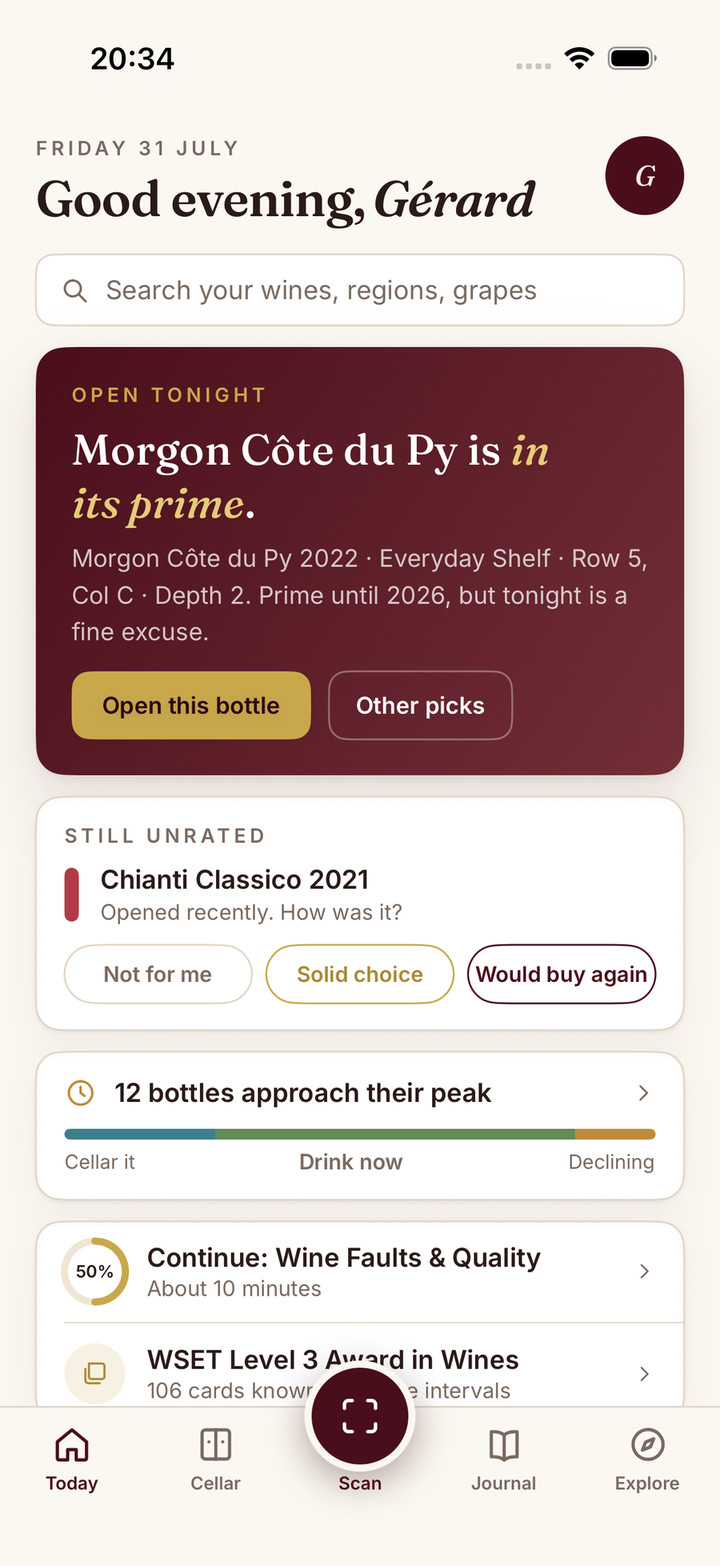
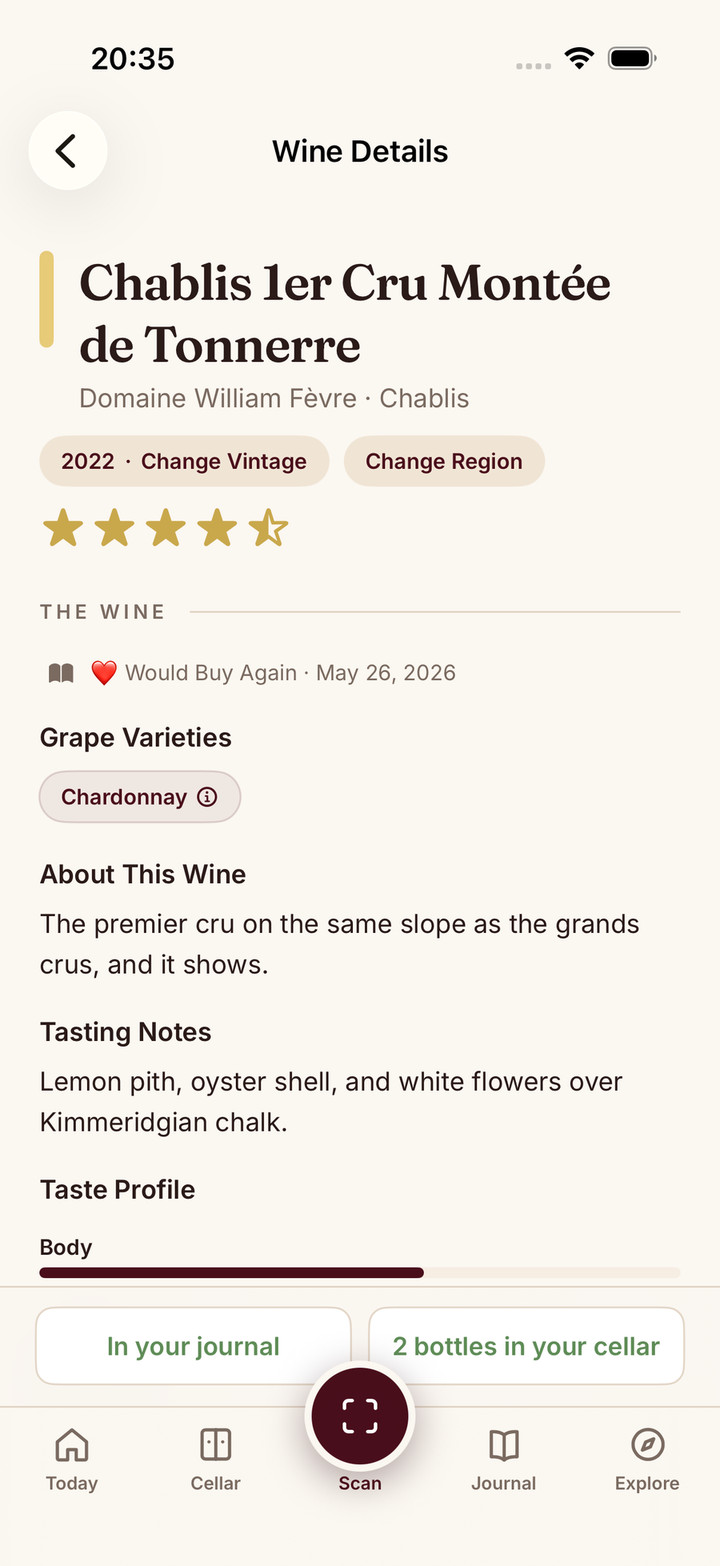
Rosé is the hardest category to buy blind, because the bottle tells you almost nothing about the style inside. Sommo fixes that: scan a label and the app reads the region, the grape mix, and the likely weight, then tells you whether it belongs with prawns or with lamb. Download Sommo free and pick the right pink bottle every time.
Sommo reads your cellar, checks how each bottle tastes right now, and picks the wine that fits the meal. Built by a sommelier-trained model.
 Or point your camera here