Best Wine for Weddings: Reception Guide
Plan your wedding wine with confidence. Expert advice on choosing wines for the ceremony, reception, and toast, with tips on quantities and budget.
Recommended Wines
Sparkling
- Champagne Brut NV — The classic wedding toast. Reliable quality, universally recognized, and always appropriate for the most important toast of the day.
- Crémant de Loire — Outstanding value for large weddings, with Champagne-method bubbles, apple blossom aromatics, and a clean, festive finish.
- Cava Reserva — Spanish sparkling wine offers excellent quality at a fraction of Champagne prices, perfect for keeping costs down at scale.
White
- Sancerre — Crisp Sauvignon Blanc with mineral precision pairs with everything from canapés to fish courses and never disappoints.
- Sonoma Coast Chardonnay — Balanced oak and fruit appeal to Chardonnay lovers while retaining enough freshness for warm-weather celebrations.
Rosé
- Provence Rosé (Magnum) — Magnums are festive and practical for large tables, and Provence rosé is universally appealing and endlessly versatile.
Red
- Pinot Noir (California or Burgundy) — Medium-bodied and food-friendly, it pleases both casual drinkers and wine enthusiasts without alienating anyone.
- Chianti Classico — Bright cherry fruit and firm acidity make it an ideal dinner wine, especially with Italian-inspired menus.
- Rioja Reserva — Smooth, vanilla-tinged Tempranillo is approachable and elegant, appealing to a wide range of palates.
Pro Tips
- Plan for roughly half a bottle per guest for a full reception with dinner and dancing.
- Offer one red, one white, and sparkling for the toast. Simplicity reduces waste and streamlines bar service.
- Taste wines with your caterer to ensure they complement the menu rather than choosing labels in isolation.
- Order magnums or larger formats for table centerpieces. They keep wine at temperature longer and create a visual statement.
Budget Guide
- Budget: $10-15 per bottle. Cava, quality Côtes de Provence rosé, and Southern French reds offer exceptional value at volume.
- Mid-Range: $20-35 per bottle. Crémant for the toast, Sancerre for white, and Pinot Noir for red hit the sweet spot.
- Splurge: $50+ per bottle. Champagne for the toast and top-tier Burgundy or Barolo for dinner create a luxury experience.
Choosing wine for a wedding is one of the most consequential beverage decisions you will ever make. You are selecting wines that will be shared with dozens or even hundreds of people, across multiple courses, at an event that will be remembered and photographed for a lifetime. The stakes feel high, but the process does not have to be stressful. With a clear framework, a realistic budget, and an understanding of what works for large groups, you can select wedding wines that delight your guests and complement your celebration perfectly.
This guide walks you through every aspect of wedding wine selection, from the toast to the last dance.
Understanding Wedding Wine Needs
A wedding typically involves wine at several distinct moments, and each calls for a slightly different approach:
- Cocktail hour: Lighter wines, often sparkling, rose, or crisp whites, served while guests mingle
- The toast: Sparkling wine for the formal moment of celebration
- Dinner service: Red and white wines paired with the meal
- Late evening: Often the bar shifts to spirits, but wine should remain available
Understanding these stages helps you plan quantities and styles effectively. Not every guest drinks wine, and those who do will not drink at every stage. This means your per-person estimates can be more moderate than you might fear.
Sparkling Wine: The Wedding Essential
The Toast
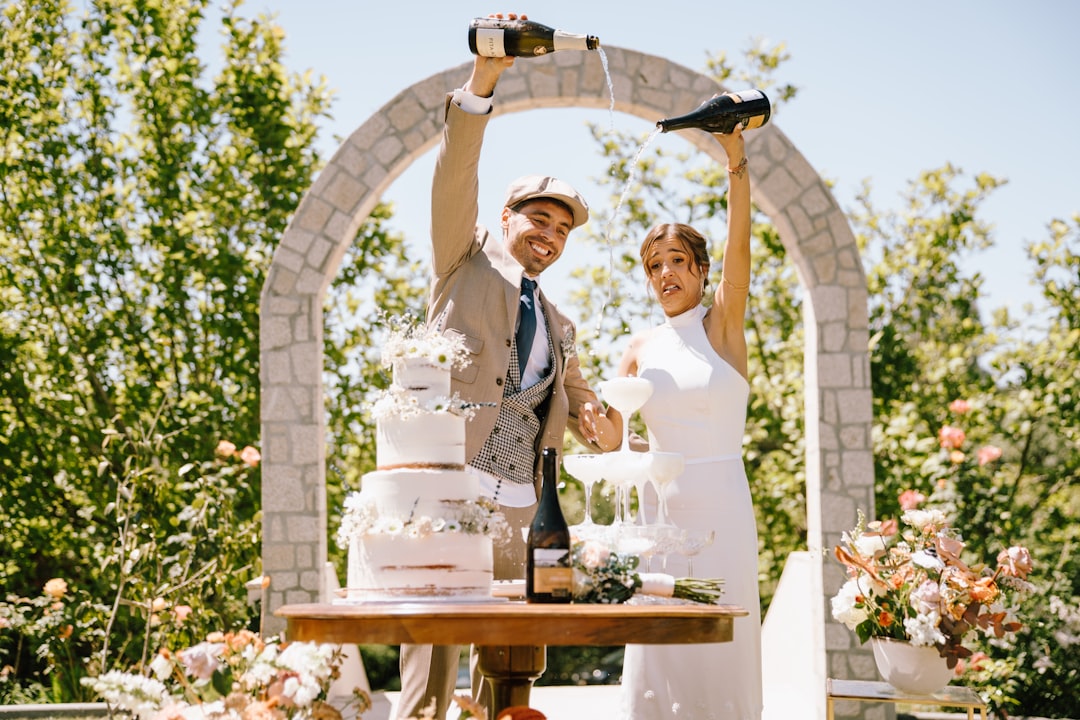
The toast is the most photographed wine moment of the wedding. Every guest receives a glass, whether they drink it or not, so you need enough sparkling wine to fill every flute at least once. For a wedding of 150 guests, plan on approximately 20 to 25 bottles of sparkling wine for the toast alone.
Champagne is the traditional choice, and its prestige is undeniable. If the budget allows, a well-chosen non-vintage Champagne from a respected house (Veuve Clicquot, Pol Roger, Laurent-Perrier, or Billecart-Salmon) delivers consistent quality that photographs beautifully and tastes the part.
Cremant (from Loire, Burgundy, Alsace, or Limoux) is the savvy couple’s secret weapon. Made using the same traditional method as Champagne, Cremant delivers similar finesse at roughly one-third to one-half the price. Most guests will not know the difference, and the quality difference is far smaller than the price gap suggests.
Prosecco works well for cocktail hour service, where its fresh, fruity character is appealing and easy-drinking. For the formal toast, however, the finer bubbles and more complex flavors of traditional-method wines make a stronger impression.
Sparkling Wine at Cocktail Hour
If you serve sparkling wine during cocktail hour as well as for the toast, you may want a different wine for each. A Prosecco or Cremant for cocktail hour keeps the per-glass cost manageable, while reserving the Champagne for the formal toast adds a sense of escalation and occasion.
White Wine for the Wedding Reception
Chardonnay: The Universal Crowd-Pleaser
For large groups with diverse palates, Chardonnay is the safest white wine choice. Its familiarity means most guests will happily accept a glass, and its versatility with food makes it a reliable dinner companion. The key is choosing a balanced Chardonnay that avoids extremes of oak or acidity.
A Macon-Villages or Pouilly-Fuisse from Burgundy offers the ideal wedding Chardonnay profile: fruit-forward but not heavy, with enough texture to work with a wide range of catered dishes. From California, Sonoma Coast or Santa Barbara Chardonnays deliver a similar balance.
Sauvignon Blanc: The Refreshing Alternative
For warm-weather or outdoor weddings, a crisp Sauvignon Blanc provides refreshment that Chardonnay cannot always match. Marlborough Sauvignon Blanc, with its vibrant citrus and tropical fruit, is particularly effective in these settings. Its bright acidity also makes it an excellent match for seafood starters and salad courses.
Pinot Grigio: Light and Inoffensive
Pinot Grigio from Alto Adige or Friuli is another safe choice for large groups. It is light, clean, and pleasantly neutral, meaning it rarely offends even if it does not excite. For weddings where you expect many guests to be casual wine drinkers, Pinot Grigio is a pragmatic option.
Red Wine for the Wedding Reception
Pinot Noir: Elegance Without Intimidation
Pinot Noir is the most versatile red wine for a wedding. Its lighter body and softer tannins make it accessible to guests who do not normally drink red wine, while its complexity satisfies those who do. It pairs well with the chicken, salmon, and beef dishes that dominate wedding menus.
Oregon Willamette Valley Pinot Noir offers excellent quality at the mid-range price point that wedding budgets typically require. Burgundy is an option for more generous budgets, while New Zealand Central Otago provides a fruit-forward style that many guests find immediately appealing.
Merlot: Soft and Approachable
Merlot’s plush texture and gentle tannins make it a strong candidate for wedding service. It does not challenge or polarize, and its plum and cherry fruit complements a wide range of catered entrees. Look to Chile, Washington State, or right-bank Bordeaux for well-made Merlot at reasonable prices.
Grenache Blends: Warm and Generous
For weddings with a Mediterranean or rustic theme, Grenache-based wines from the southern Rhone or Spain bring warmth and personality. A Cotes du Rhone or a Garnacha from Navarra offers terrific value when buying in quantity and pairs well with lamb, roasted vegetables, and grilled meats.
Cabernet Sauvignon: For Steak Dinners
If the main course is a substantial beef dish, a medium-bodied Cabernet Sauvignon may be appropriate. However, be cautious with heavily tannic wines at weddings. Many guests find big Cabernets too intense, particularly if they are not regular red wine drinkers.
Rose Wine: The Wedding Wild Card
Do not overlook rose for wedding service, especially for spring and summer celebrations. A dry Provence-style rose bridges the gap between red and white, appeals to a wide range of palates, and looks stunning in a glass. It pairs with almost anything on a wedding menu and can serve as the sole wine at cocktail hour, simplifying logistics.
How Much Wine to Buy
The Basic Formula
A standard calculation for a four-to-five hour wedding reception:
- First hour (cocktail hour): One glass per guest
- Dinner service: Two glasses per guest
- Additional evening hours: One glass per guest per hour
Not every guest drinks wine. In most wedding populations, roughly 60 to 70 percent of guests will drink wine, with the remainder choosing beer, spirits, or non-alcoholic options. Factor this into your calculations.
Quantity Example: 100 Guests
For a wedding of 100 guests (assuming 65 wine drinkers):
- Sparkling wine (toast + cocktail hour): 18-20 bottles
- White wine (dinner + evening): 15-18 bottles
- Red wine (dinner + evening): 15-18 bottles
- Total: Approximately 50-56 bottles of wine
Buying by the case (12 bottles) usually offers a 10 to 20 percent discount. Many wine shops also allow returns of unopened cases, so erring slightly on the generous side is prudent.
Red-to-White Ratio
The split between red and white wine depends on the season, the menu, and your guest demographic. As a general rule:
- Warm weather: 60 percent white and rose, 40 percent red
- Cool weather: 40 percent white, 60 percent red
- Mixed or uncertain: 50/50
Budget Considerations
Cost-Per-Glass Thinking
Rather than fixating on the retail price of each bottle, think in terms of cost per glass. A standard bottle yields five glasses. A $15 bottle costs $3 per glass, while a $25 bottle costs $5 per glass. Viewed this way, even modest upgrades in quality translate to very small per-guest cost increases.
Where to Splurge, Where to Save
- Splurge on the toast wine. This is the wine everyone sees, tastes, and remembers. A quality Champagne or top-tier Cremant makes a statement.
- Save on cocktail hour. Guests are socializing, not savoring. A pleasant Prosecco or house Cremant is perfectly sufficient.
- Choose mid-range for dinner. This is where guests will drink the most volume. A reliable $12-18 bottle in bulk provides excellent value without sacrificing quality.
Buying Wholesale
Many wine shops offer event pricing, and some allow tastings before purchase. Working with a knowledgeable retailer who understands wedding needs can save both money and stress. Provide your menu, guest count, and budget, and let them recommend specific wines.
Practical Wedding Wine Tips
Coordinate with Your Caterer
Your caterer or venue may have restrictions on bringing in outside wine (corkage fees) or may offer in-house wine packages. Understand these terms early in the planning process.
Serve at Proper Temperatures
Nothing ruins a good wine faster than improper temperature. Ensure your venue has refrigeration for whites and sparkling wines, and keep reds out of direct sunlight if the reception is outdoors.
Staff Appropriately
Wine service at a wedding requires enough staff to pour efficiently. Buffet-style wine service (bottles on tables) reduces staffing needs but can lead to higher consumption. Table service is more controlled but requires more servers.
Have Water and Non-Alcoholic Options Prominently Available
This is not just polite; it is responsible hosting. Ensure water is always accessible and that non-alcoholic beverages are presented attractively, not as an afterthought.
Label Your Wines
Simple table cards identifying the red and white wines being served add a touch of thoughtfulness and help guests choose without having to ask.
Timeline for Wedding Wine Planning
- 6 months before: Set your wine budget and begin researching
- 4 months before: Schedule tastings with your wine retailer
- 2 months before: Place your order and confirm delivery logistics
- 1 week before: Confirm quantities and delivery time with the venue
- Day of: Ensure proper chilling and staging of wines before guests arrive
Plan Your Wedding Wine with Sommo
Wedding wine planning is a perfect use case for the Sommo app. As you taste potential wines during the planning process, scan each label with Sommo’s AI-powered scanner to save detailed tasting notes and pairing information in your wine journal. Compare options side by side, share your shortlist with your partner or wedding planner, and make confident decisions based on real data rather than guesswork.
Sommo’s learning modules on wine styles and food pairing can also help you understand which wines will work best with your specific menu. Download Sommo and take the stress out of wedding wine planning.
Find the right bottle, fast
Scan any wine label to check if it fits the occasion — AI does the homework.