Recommended by style.
Sparkling
- Crémant de Loire, d'Alsace, or de Bourgogne: The best value in sparkling wine. Made by the same second fermentation in the bottle as Champagne, from French vineyards outside the region, at $15 to $25.
- Cava Brut and Gran Reserva: Spanish, bottle fermented, and the Reserva tiers carry minimum aging requirements you can taste. The cheapest defensible toast on the shelf.
- Grower Champagne: Made by the estate that farms the fruit, so you get single-vineyard character rather than a house style. The bottle worth buying if people are drinking sparkling all night.
- Prosecco DOC and Superiore: Tank fermented, so it is fruity and floral rather than bready. The easiest glass to hand somebody who says they do not really like sparkling wine.
- English Sparkling (Sussex or Kent): Champagne grapes on the same chalk seam, made the same way. Lean, citric, and increasingly the most exciting bottle at the price.
White
- Chablis or Blanc de Blancs: Chalky and lean, built for the oysters and shellfish that get eaten before midnight.
- Dry Riesling or White Burgundy: For the guests who dislike bubbles. Same acidity and freshness, no fizz, and no one has to be handed something they will not drink.
Rosé
- Crémant Rosé or Rosé Champagne: Red-fruit weight and enough body to drink through the meal rather than only at the toast.
Buy Crémant for the toast and grower Champagne if people are drinking sparkling all night. That single split answers most of the New Year’s Eve wine question: a $18 bottle is plenty for one glass at midnight, and a $50 bottle earns its money only when people are actually tasting it over several hours.
The New Year’s Eve sparkling table
| What you need | The bottle | Why it works | Rough price |
|---|---|---|---|
| Toast only, tightest budget | Cava Brut | Bottle fermented like Champagne, at supermarket money | $10 to $15 |
| Toast only, one step up | Crémant de Loire or d’Alsace | Same method, French fruit, noticeably more character | $15 to $24 |
| Toast for twenty casual drinkers | Prosecco DOC | Soft, fruity, and the bottle everyone finishes | $10 to $15 |
| Drinking all night, around $20 | Crémant de Bourgogne | Chardonnay and Pinot Noir, the Champagne grapes | $18 to $25 |
| Drinking all night, around $35 | Cava Gran Reserva or Franciacorta | Long lees aging gives real bready depth | $25 to $40 |
| Drinking all night, no ceiling | Grower Champagne | Single estate character rather than a house blend | $45 to $70 |
| The midnight bottle | Vintage Champagne | One year, long aging, and a reason to remember it | $70 to $130 |
| New World traditional method | Tasmania, Sonoma, or Anderson Valley | Cool climate acid with riper fruit than Champagne | $25 to $45 |
| Something British | Sussex or Kent traditional method | Same chalk as Champagne, sharp and citric | $35 to $60 |
| Something pink | Crémant rosé or rosé Champagne | Red fruit and enough weight to drink with food | $18 to $70 |
| Oysters and seafood before midnight | Blanc de blancs or Chablis | Chalky, lean, and built for shellfish | $25 to $60 |
| Guests who dislike bubbles | Dry Riesling or white Burgundy | Same acid and freshness, no fizz | $18 to $35 |
| After midnight, cake and dessert | Moscato d’Asti or demi-sec Champagne | Sweet wine has to outsweeten the dessert | $14 to $40 |
What the styles actually differ on
Champagne is the benchmark: second fermentation in the bottle, long aging on the lees, which is where the brioche and toast character comes from. Grower Champagne, made by the estate that farms the grapes, usually gives you more personality per dollar than an entry level house cuvée.
Crémant is French sparkling made the same way, outside the Champagne region. Loire, Alsace, Bourgogne, and Limoux are the ones to look for. At $15 to $25 it is the best value in sparkling wine.
Cava is Spanish, also bottle fermented, and the Reserva and Gran Reserva tiers carry minimum aging requirements that show in the glass. Our Prosecco versus Cava comparison goes into the detail.
Prosecco is fermented in a tank rather than a bottle, which keeps it fruity, floral, and soft rather than bready. That is a different wine, not a worse one, and it is the easiest bottle to hand to somebody who says they do not really like sparkling wine. See Champagne versus Prosecco for the full picture.
English sparkling uses Champagne grapes on the same chalk seam, and the best examples are lean and citrus driven. Franciacorta is the Italian traditional method equivalent, almond scented and seriously good.
How much to buy
A 750ml bottle fills six flutes. For a midnight toast and nothing else, one bottle per six guests, rounded up. If sparkling wine is what people are drinking all evening, plan half to three quarters of a bottle each: sixteen guests means eight to twelve bottles.
Buy two spares regardless. The cost of one extra bottle is nothing next to the cost of running out at 11:40pm, and sparkling wine keeps perfectly until next year.
How to chill it fast
Half ice, half cold water, two handfuls of salt, bottle submerged. Fifteen to twenty minutes gets you to serving temperature, which is 43F to 48F for most sparkling wine. Water beats ice alone by a wide margin because it touches the entire surface of the bottle rather than a few points.
The freezer takes about twenty minutes but is dangerous only because it is forgettable. Set a timer. A frozen bottle can push its cork out or crack.
Serve it cold and keep it cold. Cold wine holds its carbonation and is also, importantly, under less pressure when you open it.
How to open it without hurting anyone
A bottle of Champagne sits at roughly six atmospheres, about 90 psi, which is around three times the pressure in a car tire. A flying cork is a genuine eye injury, and it happens every New Year.
- Chill the bottle properly first. Warm sparkling wine is under more pressure and far more likely to erupt.
- Take off the foil, then put your thumb over the cork and keep it there for everything that follows.
- Untwist the wire cage, six half turns, without removing your thumb.
- Tilt the bottle to 45 degrees and point it away from every person, window, and light fixture in the room.
- Grip the cork firmly and twist the bottle underneath it, easing the cork out against your hand.
You are aiming for a soft sigh rather than a bang. The bang is wasted gas, and it costs you the fine bubbles you paid for.
Ring it in with Sommo
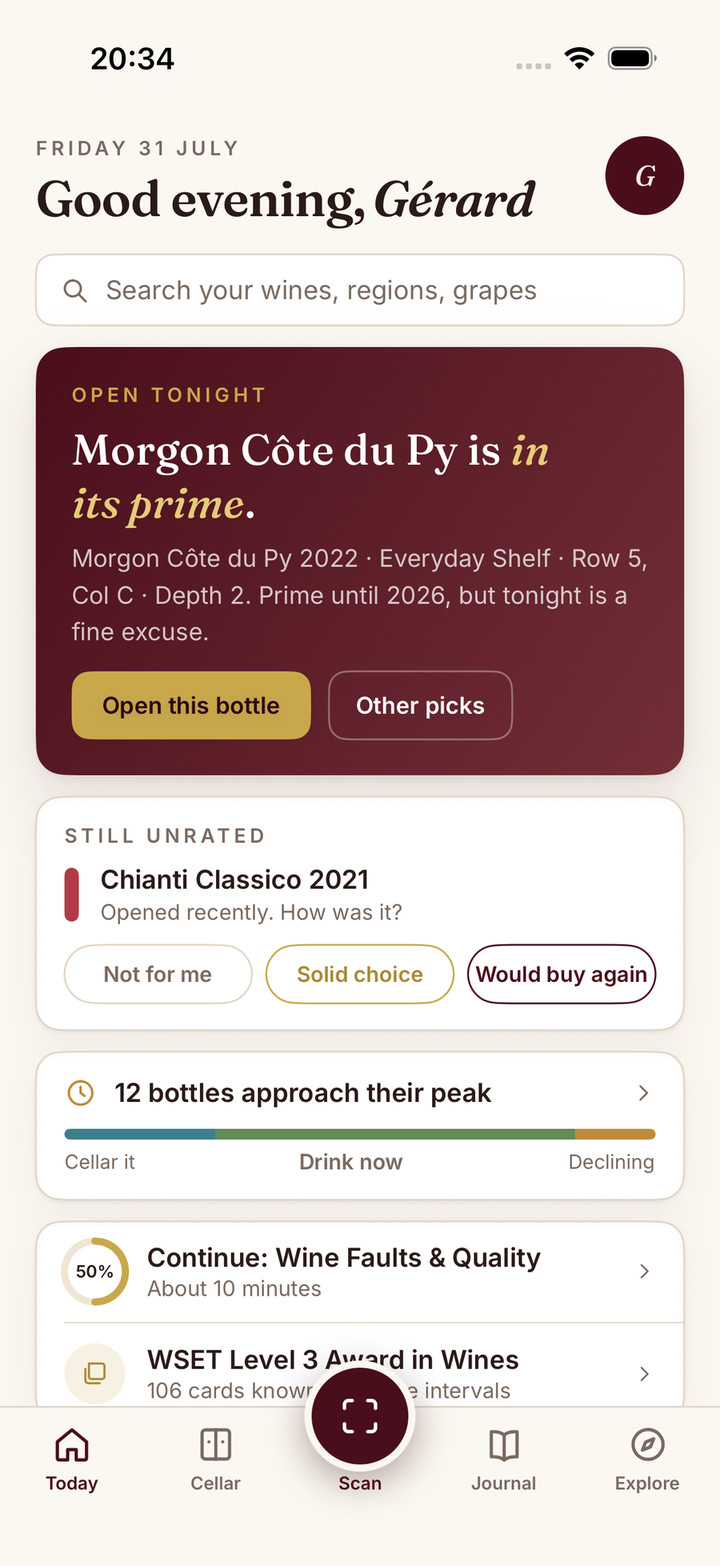
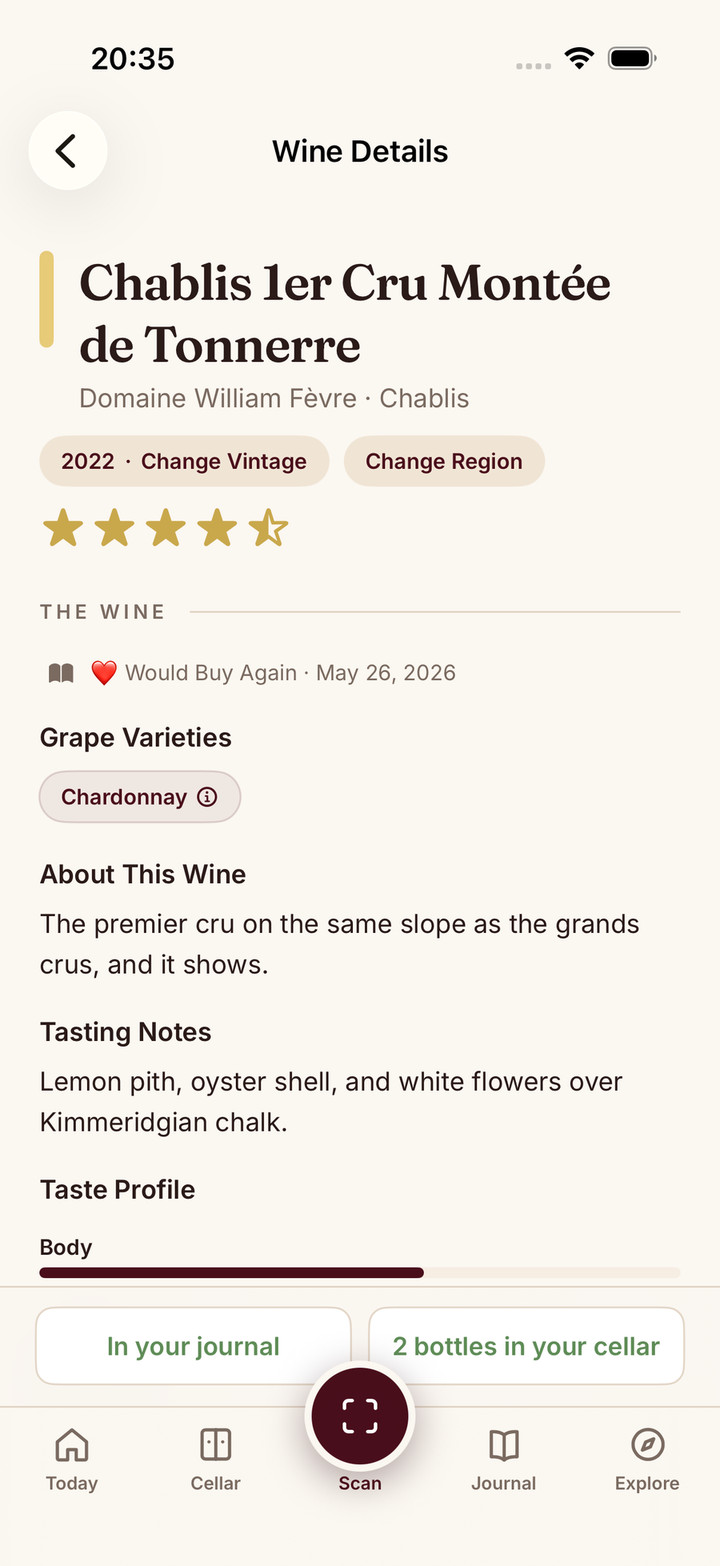
Scan a bottle with Sommo and you will see the method, the style, and whether the price is fair before you carry a case to the register. Log what you drank at midnight so next year starts with a shortlist instead of a guess. Download Sommo and pour something you chose on purpose.
Pro tips.
- A 750ml bottle pours six flutes. For a toast alone, one bottle per six guests; for drinking all night, half to three quarters of a bottle each.
- Chill fast with half ice, half cold water, and two handfuls of salt. Fifteen to twenty minutes, far quicker than ice alone.
- Open it safely: chill first, thumb on the cork through the whole cage, tilt to 45 degrees, and twist the bottle rather than the cork. Aim for a sigh, not a bang.
- Save the money for the bottle people actually taste. An $18 Crémant is plenty for one glass at midnight.