Best Wine for Brunch: Sparkling & Light Sips
Explore the best wines for brunch, from classic Champagne and Prosecco to refreshing roses and crisp whites. Perfect pairings for eggs, pastries, and more.
Recommended Wines
Sparkling
- Prosecco — The backbone of every great mimosa, with bright citrus and pear flavors that blend seamlessly with fresh orange juice.
- Cava Brut — Dry, crisp, and affordable, it works on its own or as a base for bellinis and other brunch cocktails.
- Champagne Rosé — For an indulgent brunch, rosé Champagne with its red berry notes pairs beautifully with smoked salmon and berry-topped pancakes.
White
- Moscato d'Asti — Gently sweet and lightly fizzy with peach and orange blossom aromas, it is a natural match for fruit salads and French toast.
- Vinho Verde — Portugal's signature summer sipper with a slight spritz, low alcohol, and zesty lime flavors. Perfect for a long, leisurely brunch.
- Sauvignon Blanc (Marlborough) — Vibrant grapefruit and passionfruit cut through the richness of eggs Benedict and avocado toast.
Rosé
- Provence Rosé — Dry, pale, and elegant, it transitions effortlessly from savory egg dishes to sweet pastries.
Pro Tips
- Keep it light and low-alcohol. Brunch wines should refresh, not overwhelm, especially before noon.
- Pre-batch mimosas in a pitcher with a 2:1 ratio of sparkling wine to juice for easy serving.
- Vinho Verde and Moscato d'Asti are typically under 11% alcohol, making them ideal for daytime drinking.
- Serve all brunch wines well chilled. Even rosé benefits from 30 minutes in an ice bucket.
Budget Guide
- Budget: $8-15. Prosecco and Vinho Verde are some of the best-value wines for brunch.
- Mid-Range: $18-30. A quality Cava Reserva or Marlborough Sauvignon Blanc elevates the table.
- Splurge: $40+. Champagne Rosé or a top Moscato d'Asti makes brunch feel truly indulgent.
Brunch occupies a unique and beloved space in our social lives. It is the meal where indulgence meets late-morning leisure, where sweet and savory collide on the same plate, and where a glass of something sparkling feels not just appropriate but expected. Wine is the natural companion for brunch, and choosing the right bottles can transform a casual gathering of friends into something truly special.
From the ubiquitous mimosa to more sophisticated pairings, this guide covers everything you need to know about selecting wines that enhance the brunch experience.
Why Wine Belongs at Brunch
Brunch is inherently celebratory. It happens on weekends, on holidays, after milestones, and whenever people want to slow down and enjoy each other’s company over a lingering meal. Wine, particularly sparkling wine, matches this spirit perfectly. The effervescence wakes up the palate, the acidity cuts through rich brunch staples, and the modest alcohol content of many brunch-appropriate wines allows for leisurely enjoyment without derailing the rest of the day.
The wide range of flavors on a brunch table, from sweet pastries to cured meats, from creamy eggs to tangy fruits, calls for wines with versatility and freshness. Fortunately, some of the most food-friendly wine styles are also the most brunch-appropriate.
Sparkling Wine: The Brunch Foundation
Champagne: Luxury for a Lazy Morning
There is no wrong time to drink Champagne, and brunch might be the best time of all. A glass of quality Champagne alongside eggs Benedict or smoked salmon is one of life’s simple luxuries. The toasty, yeasty complexity of Champagne pairs remarkably well with egg dishes, while its acidity and bubbles refresh the palate between bites of rich hollandaise or buttery pastry.
For brunch, a non-vintage brut Champagne is the ideal choice. It is dry enough to pair with savory dishes, refreshing enough to drink on its own, and consistent in quality from bottle to bottle. If you want something a touch lighter, a blanc de blancs (100% Chardonnay) Champagne has a particular crispness that works beautifully at mid-morning.
Prosecco: Fresh, Fun, and Affordable
Prosecco is the everyday brunch sparkling wine, and there is absolutely nothing wrong with that. Its apple, pear, and white flower aromatics are bright and cheerful, making it as pleasant to drink on its own as it is mixed into a mimosa or Bellini. A quality Prosecco Superiore from the DOCG zone of Conegliano Valdobbiadene offers a noticeable step up from entry-level options, with more complexity and a finer mousse.
For mimosas, use a mid-range Prosecco rather than your best bottle. The orange juice will mask subtlety, so save the premium bubbles for sipping straight.
Cremant: The Insider’s Choice
Cremant de Loire, Cremant de Bourgogne, and Cremant d’Alsace offer traditional-method sparkling wines at prices that fall between Prosecco and Champagne. For hosts who want the quality and finesse of Champagne-method bubbles without the Champagne price tag, Cremant is the smart play. These wines are excellent sipped on their own and pair beautifully with the full range of brunch dishes.
Cava: Spanish Sparkle
Spanish Cava, particularly from producers who emphasize quality over volume, delivers crisp, citrus-driven sparkling wine at remarkably friendly prices. Reserva and Gran Reserva Cavas, which spend extended time on their lees, develop a toasty complexity that approaches Champagne territory at a fraction of the cost.
White Wine for Brunch
Sauvignon Blanc: Bright and Energizing
If you want a still wine that captures the fresh, lively spirit of brunch, Sauvignon Blanc is an excellent choice. A Marlborough Sauvignon Blanc, with its vibrant grapefruit and passion fruit aromatics, is practically sunshine in a glass. It pairs well with smoked salmon, avocado toast, salads, and lighter egg dishes.
Loire Valley Sancerre or Pouilly-Fume offers a more mineral, restrained take on Sauvignon Blanc that works beautifully with goat cheese omelets, asparagus, and herb-driven dishes.
Riesling: Off-Dry Magic
Brunch menus often feature dishes with a touch of sweetness: French toast, fruit compotes, honey-drizzled yogurt, and glazed pastries. An off-dry Riesling from Germany’s Mosel region matches this sweet-savory interplay perfectly. The wine’s natural sweetness harmonizes with fruity dishes while its electric acidity keeps everything balanced and refreshing.
A Kabinett Riesling, with its low alcohol and feathery lightness, is ideal for mid-morning drinking. You can enjoy two glasses without feeling weighed down, and the wine’s complexity keeps things interesting.
Chenin Blanc: Honeyed and Versatile
Vouvray, in both its dry and off-dry expressions, brings a honeyed richness to the brunch table that pairs remarkably well with pastries, fruit-topped crepes, and cheese plates. The wine’s natural acidity prevents it from feeling heavy, and its stone fruit and floral aromatics add an aromatic dimension that enhances the meal.
Viognier: Aromatic and Lush
For a brunch with a more indulgent character, Viognier delivers peach, apricot, and white flower aromas that feel almost decadent. It pairs beautifully with eggs Benedict, quiche, and dishes featuring stone fruit or tropical flavors. A Condrieu is the pinnacle, but quality Viogniers from the Languedoc or California offer similar aromatics at more accessible prices.
Rose Wine for Brunch
Dry rose is perhaps the most versatile brunch wine after sparkling. Its combination of fruit flavor, refreshing acidity, and chilled serving temperature makes it equally at home with sweet and savory dishes. A Provence rose, with its pale salmon color and delicate strawberry-citrus character, looks gorgeous on a sunlit brunch table and pairs with everything from a cheese board to a berry-topped waffle.
For a more substantial rose, look to Tavel in the southern Rhone, which produces a deeper, more vinous style that can stand up to heartier brunch dishes like steak and eggs or a charcuterie platter.
Light Red Wine for Brunch
While bold reds feel out of place at brunch, lighter, chillable reds can work beautifully, especially if the menu leans savory.
Beaujolais: The Brunch Red
Beaujolais, served slightly chilled, brings bright cherry fruit and a refreshing quality that works surprisingly well at brunch. It pairs with charcuterie, smoked meats, mushroom omelets, and quiche. A Beaujolais-Villages or a cru like Fleurie or Saint-Amour offers the perfect balance of fruit, freshness, and accessibility.
Pinot Noir: Light and Versatile
A lighter-style Pinot Noir, particularly from Burgundy or Germany (where it is called Spatburgunder), can work at brunch when served slightly below room temperature. It pairs well with salmon, duck, and mushroom dishes without overwhelming the late-morning mood.
Classic Brunch Wine Cocktails
The Mimosa
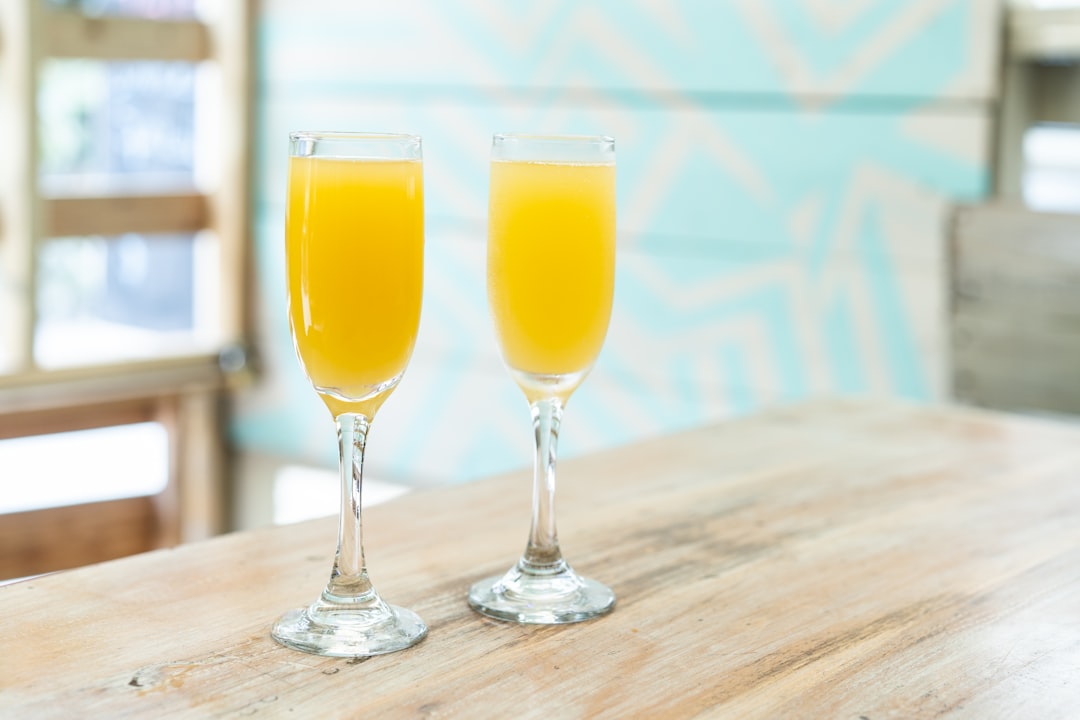
The mimosa is brunch’s signature drink, and it is wonderfully simple: equal parts sparkling wine and fresh orange juice. The key to a great mimosa is using freshly squeezed juice and a crisp, dry sparkling wine. The dryness of the wine balances the sweetness of the juice, creating a refreshing, easy-drinking combination.
For a twist, substitute blood orange, grapefruit, or mango juice. A splash of elderflower liqueur in a Champagne mimosa is another elegant variation.
The Bellini
Originating at Harry’s Bar in Venice, the Bellini combines Prosecco with white peach puree. It is sweeter and more delicate than a mimosa, making it a lovely accompaniment to lighter brunch fare.
Kir Royale
A splash of creme de cassis (blackcurrant liqueur) in a glass of Champagne creates the Kir Royale, a brunch cocktail with a touch more sophistication than the mimosa. The deep ruby swirl in the golden Champagne is visually stunning and the combination of tart cassis with toasty Champagne is irresistible.
Pairing Wine with Brunch Favorites
Eggs Benedict
The rich hollandaise sauce calls for a wine with enough acidity to cut through the fat. Champagne, Cremant, or a crisp Chardonnay all work beautifully.
Smoked Salmon and Bagels
The smoky, salty, creamy combination of lox, cream cheese, and capers is a natural match for dry sparkling wine, Sauvignon Blanc, or a mineral-driven Chablis.
French Toast and Pancakes
Sweet brunch dishes pair best with wines that have some sweetness themselves. An off-dry Riesling, a Moscato d’Asti, or a mimosa all complement the maple syrup and fruit toppings.
Quiche and Savory Tarts
The buttery pastry and creamy egg filling of quiche work with a wide range of wines. Chardonnay, Chenin Blanc, or a light Pinot Noir are all strong choices, depending on the filling.
Charcuterie and Cheese Boards
A dry rose or a light Beaujolais handles the range of flavors on a charcuterie board with ease, from salty cured meats to creamy cheeses to tangy pickles.
Hosting a Wine-Focused Brunch
Plan for Variety
Offer at least one sparkling, one white, and one rose or light red. This gives guests options and covers the full range of brunch dishes.
Keep Everything Cold
Brunch wines should be well chilled. Have ice buckets or coolers ready, and do not let bottles sit on the table warming up in the sun. Even your light reds benefit from fifteen minutes in the refrigerator before serving.
Pace with Water
Provide plenty of water and encourage guests to alternate between wine and water. Brunch is a daytime affair, and responsible pacing ensures everyone enjoys the rest of their day.
Quantity Planning
For a brunch of six to eight people, plan on roughly one bottle of sparkling wine for the first hour, followed by one bottle each of white, rose, or red for the meal. Adjust based on your crowd; some brunch groups are more enthusiastic than others.
Explore Brunch Wines with Sommo
The best brunch wines are often unexpected discoveries, and the Sommo app makes finding them effortless. Scan wine labels at the shop to check flavor profiles and food pairings before you buy. Log your brunch favorites in your wine journal so you always know what to grab for the next gathering.
Sommo’s learning modules cover sparkling wine styles, white wine regions, and food pairing principles, giving you the confidence to choose brunch wines that impress. Download Sommo and elevate your next brunch from ordinary to extraordinary.
Find the right bottle, fast
Scan any wine label to check if it fits the occasion — AI does the homework.