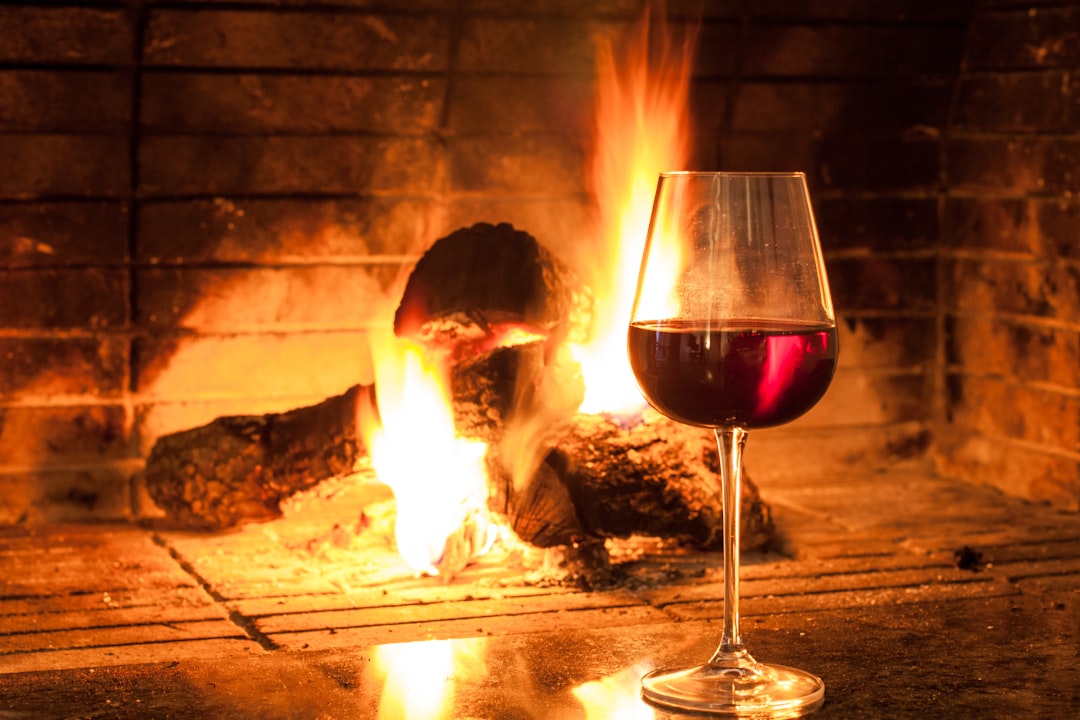
Best Winter Wines: Warming Reds & Rich Whites
Discover the best wines for winter, from full-bodied reds and rich whites to fortified wines and festive sparklers. Stay warm and drink beautifully all season.
Recommended Wines
White
- Meursault — Rich, buttery Chardonnay with hazelnut and honey notes that feel like a warm blanket for your palate.
- White Rhône (Châteauneuf-du-Pape Blanc) — Full-bodied Roussanne and Grenache Blanc blends with stone fruit and beeswax that match the weight of winter dishes.
Rosé
- Tavel Rosé — The most full-bodied rosé in France, with enough structure and depth to serve alongside winter stews and charcuterie.
Red
- Barolo — The 'King of Wines' offers rose petal, tar, and cherry complexity that rewards fireside contemplation on a cold winter night.
- Châteauneuf-du-Pape — Warm, generous, and spice-laden, it pairs perfectly with braised meats, cassoulet, and other winter comfort food.
- Cabernet Sauvignon (Napa Valley) — Full-bodied and structured with cassis and cedar, it is the definitive wine for a prime rib or roast on a cold evening.
- Ribera del Duero Reserva — Spain's answer to Bordeaux, with dark fruit, tobacco, and leather. Built for slow-cooked lamb and aged cheeses.
- Syrah (Northern Rhône) — Peppery, smoky, and deeply savory, Hermitage and Côte-Rôtie are some of the finest cold-weather wines on earth.
Pro Tips
- Decant full-bodied winter reds for at least an hour. Cold-weather wines tend to be more tannic and need air.
- Serve reds at a true room temperature of 16-18°C (61-64°F), not the overheated temperature of a winter living room.
- Fortified wines like Port, Madeira, and Sherry are exceptional winter after-dinner options with cheese and chocolate.
- Pair wine weight with food weight. Winter stews and braises demand full-bodied wines that can match their richness.
Budget Guide
- Budget: $12-20. Côtes du Rhône, Ribera del Duero Crianza, and hearty Languedoc reds deliver winter warmth at value prices.
- Mid-Range: $30-55. Châteauneuf-du-Pape, a solid Napa Cabernet, or Crozes-Hermitage offer serious quality for winter evenings.
- Splurge: $70+. Barolo, Hermitage, or a top Napa cult Cabernet makes a cold night feel like a grand occasion.
When the temperature drops and the days grow short, our instincts shift toward warmth and comfort. We reach for heavier blankets, richer foods, and wines that wrap around us like a well-worn sweater. Winter is the season for the big, bold, complex wines that would feel excessive in July but are absolutely perfect beside a roaring fire in January.
This guide celebrates the wines that make winter not just bearable but genuinely delightful, from structured reds with years of aging to fortified wines that bring warmth from the first sip to the last.
What Makes a Wine Perfect for Winter
Winter wines tend to share certain characteristics that align with the season’s mood and cuisine:
- Full body. The rich stews, braises, and roasted meats of winter demand wines with weight and structure.
- Ripe, dark fruit. Blackberry, plum, cassis, and dried cherry flavors feel warming and generous in cold weather.
- Firm tannins. Winter reds often have more tannin than their summer counterparts, providing structure that pairs with hearty, protein-rich dishes.
- Spice and complexity. Notes of pepper, clove, cinnamon, tobacco, and leather add layers of intrigue that reward contemplation by the fire.
- Higher alcohol. While not a universal rule, many winter wines clock in at 13.5 to 15 percent alcohol, contributing a warmth that feels welcome when it is freezing outside.
Of course, not every winter wine needs to be a massive red. Rich whites, fortified wines, and even certain sparkling wines have their place in the winter repertoire.
Best Red Wines for Winter
Cabernet Sauvignon: The King of Winter Reds
If one wine defines winter drinking, it is Cabernet Sauvignon. Its dark fruit, firm tannins, and structural backbone make it the ideal partner for the season’s heartiest dishes. A well-made Cabernet from Bordeaux, Napa Valley, or Coonawarra has a gravitas that matches the seriousness of a cold winter evening.
Left-bank Bordeaux, where Cabernet dominates the blends, offers some of the most age-worthy and complex expressions of the grape. A Haut-Medoc or Saint-Julien brings cassis, graphite, and cedar notes that gain nuance over years in the bottle. Napa Valley delivers a riper, more immediately generous style with plush tannins and bold fruit that needs less patience.
Best for: Beef bourguignon, grilled rib-eye, braised short ribs, aged cheddar.
Syrah: Dark, Peppery, and Smoky
Northern Rhone Syrah from appellations like Hermitage, Cornas, or Cote-Rotie is one of the wine world’s most compelling cold-weather experiences. These wines combine dark fruit intensity with black pepper, smoked meat, and violet aromatics that are hauntingly beautiful. They are wines to linger over, contemplating each sip as the fire crackles.
Barossa Valley Shiraz offers a bolder, more fruit-forward take on the same grape, with chocolate, espresso, and ripe blackberry joining the peppery spice. Either style is magnificent with lamb, game, or any slow-cooked meat dish.
Best for: Lamb shanks, venison stew, peppered steak, grilled portobello mushrooms.
Nebbiolo: Italian Majesty
Barolo and Barbaresco are among the greatest wines in the world, and winter is their natural habitat. The combination of powerful tannins, high acidity, and ethereal aromatics (rose, tar, dried cherry, truffle) demands rich, equally complex food. These wines are not for casual sipping; they are for nights when you want to be fully present with what is in your glass.
Decant young Nebbiolo generously, at least an hour before serving. The transformation as the wine opens up is one of wine’s great pleasures. Pair with braised beef, wild mushroom risotto, or truffled pasta for a meal that will stay with you.
Best for: Osso buco, braised beef cheeks, truffle pasta, aged Parmigiano-Reggiano.
Malbec: Accessible Warmth
Mendoza Malbec is winter’s crowd-pleaser. Its plush, dark-fruited generosity satisfies without demanding deep analysis, making it ideal for casual winter gatherings. Whether you are hosting a soup night, a casual dinner party, or just settling in for an evening at home, Malbec delivers warmth and comfort reliably.
High-altitude Malbec from the Uco Valley adds a mineral edge and brighter acidity that elevates the wine beyond simple fruit-forwardness, bringing complexity that rewards attention.
Best for: Grilled steak, empanadas, chili, hearty bean soups.
Tempranillo: Spanish Comfort
Rioja Reserva and Ribera del Duero bring a different kind of winter warmth. The oak-aging traditional in Spanish wines gives them vanilla, spice, and leather notes that feel inherently cozy. A Gran Reserva Rioja, with its decades of potential aging and its seamless integration of fruit, oak, and earth, is one of the great values in fine wine.
Best for: Roast lamb, chorizo, Manchego cheese, bean and sausage stews.
Sangiovese: Tuscan Heartwarmer
Brunello di Montalcino and Chianti Classico Riserva are wines built for the Italian winter table. Their bright cherry fruit, firm tannins, and earthy, herbal complexity pair perfectly with the rich pasta dishes, braised meats, and aged cheeses that define Tuscan cuisine.
A Brunello di Montalcino with a decade of age becomes something transcendent: dried cherry, leather, sweet tobacco, and a long, warm finish that lingers beautifully.
Best for: Wild boar ragu, ribollita, braised lamb, pecorino cheese.
Rich White Wines for Winter
Oaked Chardonnay: Buttery and Bold
While summer calls for crisp, unoaked whites, winter welcomes the richness of barrel-fermented Chardonnay. A white Burgundy from Meursault or Puligny-Montrachet combines hazelnut, butter, and citrus flavors with a texture that feels substantial and warming. Similarly, a top Sonoma Coast or Russian River Valley Chardonnay brings toasted oak, ripe stone fruit, and a creamy mouthfeel that works beautifully with winter dishes.
Best for: Roast chicken, lobster bisque, creamy pasta, gratins.
Viognier: Aromatic and Lush
Condrieu and other top Viogniers deliver peach, apricot, and white flower aromatics with a rich, oily texture that feels luxurious in cold weather. These are wines that bring aromatic warmth even before you take a sip.
White Rhone Blends: Textured and Complex
Blends of Marsanne, Roussanne, and Viognier from the Rhone Valley or Australia bring a waxy, honeyed richness that stands up to winter flavors like roasted root vegetables, cream sauces, and smoked fish.
Fortified Wines: Winter’s Secret Weapon
Port: The Fireside Classic
Port is the quintessential winter fireside wine. Tawny Port, with its caramel, walnut, dried apricot, and orange peel complexity, is perfect alongside nuts, dried fruit, cheese, or simply on its own. A twenty-year tawny is one of the great bargains in fine wine, delivering complexity that rivals far more expensive still wines.
Vintage Port and Late Bottled Vintage (LBV) Port offer a more fruit-forward, powerful experience. These wines pair magnificently with chocolate, blue cheese, and rich, spiced desserts.
Sherry: The Overlooked Treasure
Amontillado and Oloroso Sherry are among the most underappreciated winter wines. Their oxidative, nutty, complex flavors are profoundly warming, and they pair brilliantly with soups, stews, and cured meats. A glass of Palo Cortado by the fire is one of wine’s most civilized pleasures.
Pedro Ximenez (PX) Sherry, with its molasses-like sweetness and flavors of fig, date, and coffee, is extraordinary drizzled over vanilla ice cream or served alongside Christmas pudding.
Madeira: Virtually Indestructible
Madeira’s unique production process (heating the wine) gives it remarkable resilience and complexity. Bual and Malmsey styles offer caramel, toffee, and dried fruit richness that warms from the inside out. A bottle of Madeira also lasts indefinitely after opening, making it the perfect winter pantry wine to return to night after night.
Mulled Wine: A Winter Tradition
No discussion of winter wine would be complete without mulled wine. This warm, spiced preparation transforms simple red wine into a deeply comforting, aromatic drink. The base wine does not need to be expensive; a fruity, medium-bodied red like a Cotes du Rhone, a basic Merlot, or a Garnacha works perfectly.
A classic mulled wine recipe includes cinnamon sticks, star anise, cloves, orange peel, and a touch of honey or sugar. Warm gently without boiling (which drives off the alcohol) and serve in mugs on the coldest nights of the year.
Winter Wine and Food Pairings
Beef Stew and Braises
Rich, slow-cooked beef demands a wine with structure and depth. Cabernet Sauvignon, Syrah, or Malbec all work beautifully, their tannins softened by the long-cooked flavors of the dish.
Roast Lamb
The herbal, slightly gamy character of lamb finds natural partners in Rioja Reserva, northern Rhone Syrah, and Chianti Classico. These wines echo the rosemary and thyme often used in lamb preparations.
Mushroom Dishes
The earthy, umami-rich character of mushrooms pairs exquisitely with Pinot Noir from Burgundy, aged Nebbiolo, or a mature Sangiovese. These wines share the earthy, forest-floor quality of wild mushrooms.
Cheese Boards
Winter cheese boards tend toward bold, aged cheeses that call for equally bold wines. Port with Stilton, Barolo with Parmigiano-Reggiano, or Rioja with Manchego are all classic winter pairings.
Chocolate Desserts
Rich chocolate desserts find their match in fortified wines: LBV Port, Pedro Ximenez Sherry, or Banyuls from southern France. The sweetness and intensity of these wines stand up to chocolate’s powerful flavors.
Building a Winter Wine Collection
A well-stocked winter wine selection might include:
- 2-3 structured reds for weekend dinners (Bordeaux, Barolo, or Rioja Reserva)
- 2-3 everyday reds for weeknight meals (Malbec, Cotes du Rhone, Chianti)
- 1 rich white for variety (white Burgundy or oaked Chardonnay)
- 1 bottle of Port (tawny or LBV)
- 1 bottle of Sherry (Amontillado or Oloroso)
- A case of simple red for mulled wine
This selection covers everything from a quiet Tuesday evening to an elaborate weekend dinner party.
Serving Winter Wines
Temperature
Even in winter, avoid serving red wines too warm. Room temperature in a heated home can be well above the ideal 60 to 65 degrees Fahrenheit (15 to 18 degrees Celsius) for most reds. If your wines have been stored in a warm room, give them ten minutes in the refrigerator before serving.
Decanting
Many winter reds, particularly young Nebbiolo, Cabernet Sauvignon, and Syrah, benefit significantly from decanting. An hour of air exposure can transform a tight, closed wine into something generous and expressive.
Glassware
Use large-bowled glasses for winter reds. The extra surface area allows the wine’s complex aromatics to develop fully, enhancing the experience of each sip.
Explore Winter Wines with Sommo
Winter is the perfect time to deepen your wine knowledge, and the Sommo app is your ideal companion. Use the AI-powered label scanner to learn about any wine before you open it, discovering its flavor profile, ideal serving temperature, and best food pairings. Track your winter favorites in your wine journal, noting which wines paired best with your go-to cold-weather recipes.
Sommo’s learning modules cover the great wine regions and grape varieties that define winter drinking, from Bordeaux and Piedmont to the Douro Valley and Rioja. Download Sommo and turn the coldest season into your most rewarding wine journey.
Find the right bottle, fast
Scan any wine label to check if it fits the occasion — AI does the homework.