Wine Vintage: Why the Year Matters
Discover what vintage means on a wine label, how growing conditions affect each year's wines, and how to use vintage information to make better buying choices.
Vintage refers to the year in which a wine's grapes were harvested. It indicates the growing conditions of that year and helps determine a wine's character and aging potential.
The year printed on a wine bottle is more than just a date. It represents a specific set of weather conditions, vineyard challenges, and winemaking decisions that shaped the character of what is inside. Understanding vintage is one of the most practical tools for choosing wines with confidence.
What Is a Vintage?
A vintage refers to the year in which the grapes used to make a particular wine were harvested. If a bottle says “2019” on the label, it means the grapes were picked during the 2019 growing season. Most wine-producing countries require that a high percentage of the wine, typically 85 to 95 percent, come from the stated vintage year for it to appear on the label.
The vintage year matters because grapevines are agricultural products, and every growing season is different. Temperature, rainfall, sunshine hours, frost events, hail, and disease pressure all vary from year to year, and these variations directly impact the quality and character of the grapes. A warm, dry summer might produce concentrated, ripe fruit with bold flavors, while a cool, rainy season might yield lighter wines with higher acidity.
Why Vintage Matters
For regions where growing conditions fluctuate significantly between years, vintage is a crucial quality indicator. Bordeaux, Burgundy, the Mosel Valley, and Piedmont are all examples of regions where the difference between a great vintage and a difficult one can be enormous. In these areas, vintage charts and reports from critics help consumers identify the standout years.
Vintage also matters for aging. Wines from great vintages tend to have the concentration, balance, and structure needed to develop beautifully over decades in the cellar. Wines from lesser vintages may be pleasant to drink young but lack the raw materials for long-term evolution. If you are building a wine collection for aging, buying from strong vintages is one of the most important decisions you can make.
From a value perspective, understanding vintage can help you find bargains. Wines from off-vintages are often priced lower than their counterparts from celebrated years, yet they can still offer excellent drinking if consumed relatively young. A knowledgeable buyer who understands vintage variation can find remarkable quality at accessible prices.
Vintage in Practice
Not all wines are vintage-dated. The most notable exception is non-vintage (NV) Champagne, where producers deliberately blend wines from multiple harvest years to maintain a consistent house style. The goal is that a bottle of the same producer’s non-vintage Champagne should taste roughly the same regardless of when it was made. Vintage Champagne, on the other hand, is produced only in exceptional years and represents the character of that specific growing season.
Some fortified wines, like many Ports and Sherries, are also non-vintage blends. However, Vintage Port and Single-Vintage Tawny Port come from a declared year and can age for decades.
In warmer, more consistent wine regions, vintage variation tends to be less dramatic. Areas like much of Australia, California’s Central Valley, and Argentina’s Mendoza enjoy relatively stable climates where year-to-year differences are less pronounced. In these regions, the vintage on the label matters less, and the winemaker’s style and grape quality are the more important factors.
To start learning about vintages, focus on one region you enjoy. Look up a vintage chart for that area to see which years were considered outstanding, average, or challenging. Then try wines from different vintages side by side. This exercise reveals how dramatically weather can influence what ends up in your glass and gives you a much deeper appreciation for the art of winemaking.
Keep in mind that vintage charts are guides, not absolute rules. Talented winemakers in difficult years can still produce excellent wines, and mediocre producers in great years may still disappoint. Use vintage information as one data point among several when making your selections.
Explore with Sommo
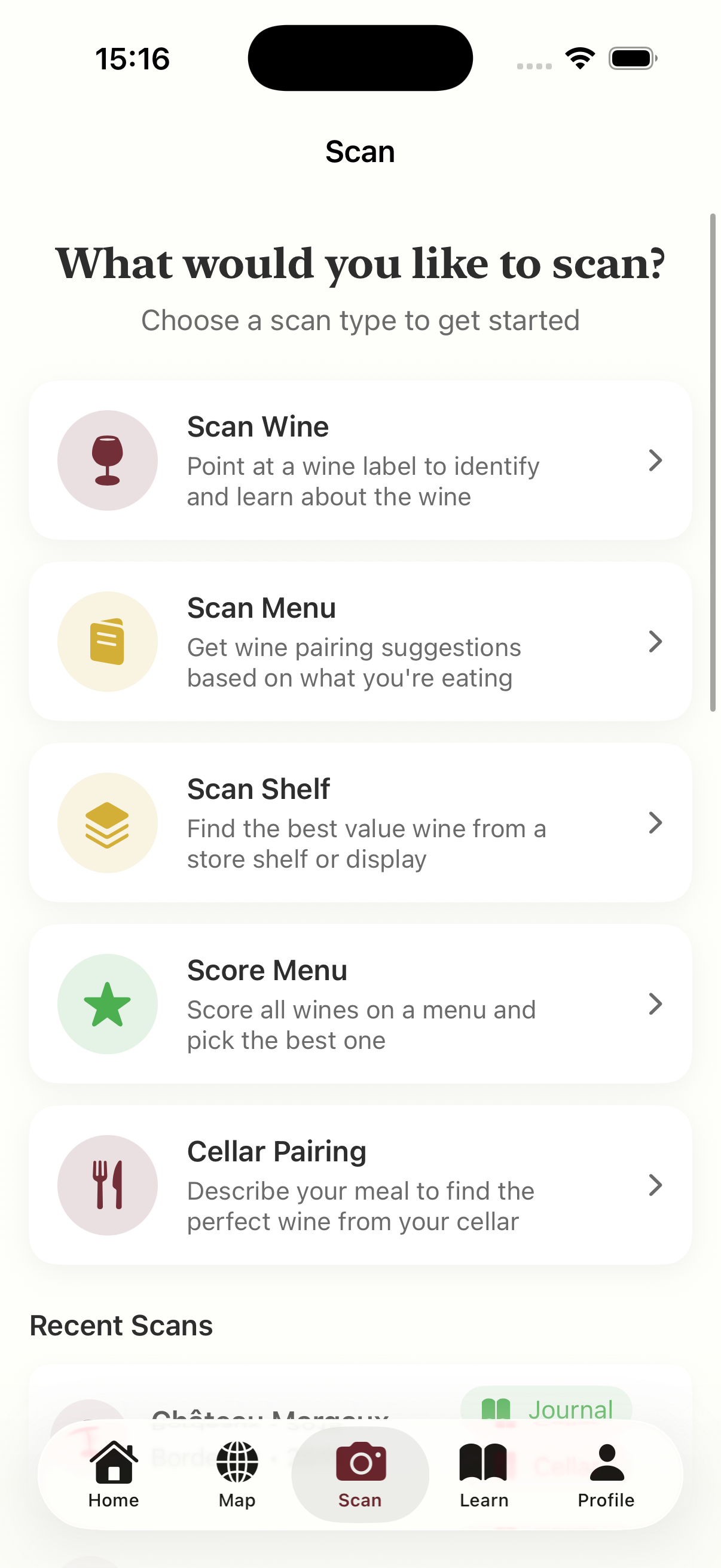
Understanding vintage variation adds a new dimension to wine appreciation. When you scan a wine with Sommo, you can learn about the vintage conditions that shaped the bottle you are holding, helping you understand why it tastes the way it does and how long you might want to age it before opening.
Learn wine, one glass at a time
Go beyond definitions with guided lessons, tasting practice, and AI feedback.