Tannins in Wine: What They Are and Why They Matter
Tannins are why red wine feels dry and grippy — not bitter. Here's what they are, where they come from, and how to spot a high-tannin vs low-tannin wine.
Tannins are natural compounds from grape skins, seeds, and oak barrels that give wine its characteristic dry, astringent mouthfeel. They are most prominent in red wines and contribute to a wine's structure and aging potential.
If you have ever taken a sip of red wine and felt your mouth go dry, as though all the moisture had been pulled away, you have experienced tannins firsthand. Tannins are one of the most discussed yet frequently misunderstood elements in wine, and understanding them is essential for anyone looking to deepen their appreciation of what ends up in the glass.
What Are Tannins?
Tannins are naturally occurring polyphenolic compounds found primarily in grape skins, seeds, and stems. They also come from oak barrels when wine is aged in wood. Chemically, tannins belong to a larger family of compounds called polyphenols, which are found throughout the plant kingdom in tea leaves, tree bark, nuts, and dark chocolate.
When you drink a tannic wine, the tannin molecules bind with proteins in your saliva, reducing lubrication in your mouth and creating that distinctive dry, gripping, or puckering sensation. This feeling is called astringency, and it is a tactile sensation rather than a flavor. Learning to distinguish tannin from bitterness or acidity is one of the first steps in developing a more refined palate.
Why Tannins Matter
Tannins serve several critical functions in wine. First, they provide structure. Just as bones give the human body its framework, tannins give red wine its backbone, preventing it from tasting flabby or one-dimensional. A well-structured tannic wine feels firm and defined on the palate.
Second, tannins are essential for aging. They act as natural preservatives, and wines with higher tannin levels generally have greater aging potential. As a wine ages in the bottle, tannin molecules bond together and form longer chains, eventually becoming heavy enough to precipitate out as sediment. This process softens the wine’s texture over time, which is why a young Barolo might taste aggressively grippy while a twenty-year-old bottle feels silky and smooth.
Third, tannins contribute to the overall balance of a wine. They interact with acidity, alcohol, fruit concentration, and sweetness to create harmony. A wine with high tannins but low fruit will taste harsh and austere, while a wine where tannins are balanced by ripe fruit and proper acidity will feel integrated and complete.
Tannins in Practice
The grape varieties with the highest tannin levels include Cabernet Sauvignon, Nebbiolo, Tannat, Mourvèdre, and Petit Verdot. These grapes have thick skins and high seed-to-juice ratios, which means more tannin is extracted during winemaking. On the other hand, grapes like Pinot Noir and Gamay are naturally lower in tannins, producing lighter, softer wines.
Winemaking decisions also affect tannin levels significantly. Longer maceration times, where grape skins remain in contact with the juice, extract more tannins. Fermenting at higher temperatures speeds up extraction. Aging in new oak barrels adds additional tannins from the wood itself, contributing both structure and flavor compounds like vanilla and toast.
When tasting wine, you can assess tannins by paying attention to how your mouth feels after swallowing. Are your gums drying out? Does your tongue feel rough? That is high tannin. If the wine feels smooth and silky with barely any drying sensation, the tannins are either low or very well-integrated.
For food pairing, tannic wines work beautifully with protein-rich and fatty foods. The tannins bind with proteins in meat, which is why a thick grilled steak paired with Cabernet Sauvignon is such a classic combination. Fat also softens the perception of tannins, making rich cheeses another excellent partner.
Explore with Sommo
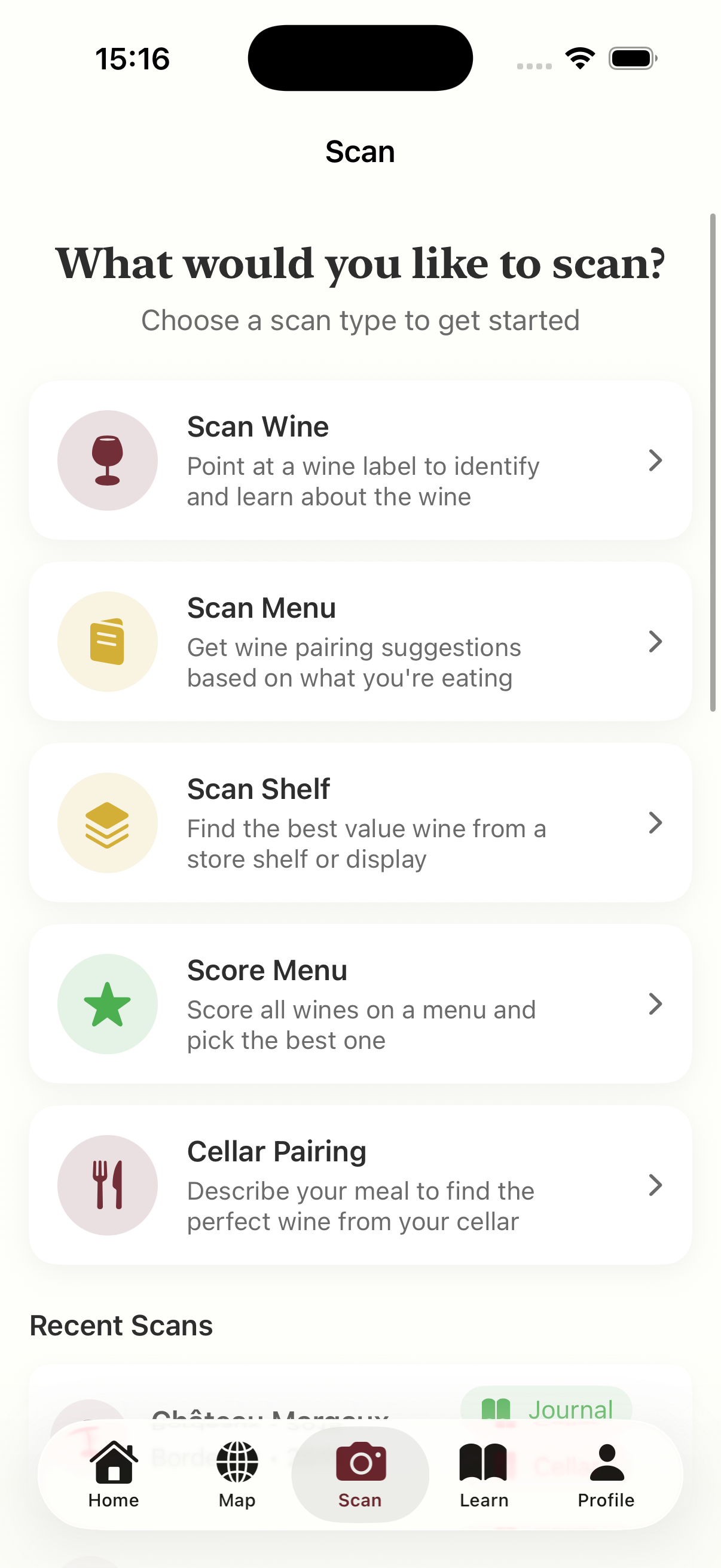
Understanding tannins is a foundational skill for any wine enthusiast or WSET student. With Sommo, you can practice identifying tannin levels using structured tasting notes that guide you through assessing a wine’s mouthfeel, structure, and balance. Scan any bottle to learn about its tannin profile and discover perfect food pairings tailored to its characteristics.
Learn wine, one glass at a time
Go beyond definitions with guided lessons, tasting practice, and AI feedback.