What Is a Sommelier? Role, Certifications & How to Become One
A sommelier does far more than recommend wine at dinner. Here's what the role involves, how to qualify, and whether WSET or CMS is the right certification path.
A sommelier is a certified wine professional who specializes in wine service, food pairing, and cellar management. They guide guests through wine selections in restaurants and hospitality settings.
You may have encountered a sommelier at a fine dining restaurant, the person who presents the wine list, makes recommendations, and ensures your wine is served properly. But the role of a sommelier extends far beyond tableside service. Understanding what sommeliers do and how they develop their expertise can deepen your own appreciation for wine.
What Is a Sommelier?
A sommelier is a trained and often certified wine professional who specializes in the selection, service, and pairing of wine. The word comes from Old French, where it originally referred to a court official responsible for transporting provisions. Over centuries, the role evolved to focus specifically on wine and beverages.
In a restaurant setting, a sommelier curates the wine list, manages the cellar inventory, trains staff on wine service, and works directly with guests to help them select wines that complement their meals and preferences. A great sommelier combines deep technical knowledge with hospitality skills, reading a table to understand whether diners want an educational experience or simply a quick, confident recommendation.
Why Sommeliers Matter
Sommeliers serve as translators between the vast, often intimidating world of wine and the everyday consumer. They can decode obscure labels, explain unfamiliar regions, and identify wines that match specific taste preferences or dietary needs. For many diners, the sommelier is the person who transforms a meal from good to memorable by selecting the perfect wine pairing.
Beyond restaurants, sommeliers have become influential figures in the broader wine industry. They work as wine buyers for retail shops, importers, and distributors. They consult for wineries on blending and style. They write about wine for publications and social media. They educate at wine schools and certification programs. The sommelier’s palate and opinion carry significant weight in determining which wines gain visibility and commercial success.
Sommeliers also play a crucial role in wine culture by championing lesser-known regions, underappreciated grape varieties, and small producers who might otherwise be overlooked. Many of the most interesting wines on restaurant lists today are there because a curious sommelier discovered them and decided to share them with their guests.
The Sommelier Path in Practice
The most recognized certification program is run by the Court of Master Sommeliers, which offers four progressive levels. The Introductory Sommelier Certificate covers the basics of wine service and foundational knowledge. The Certified Sommelier exam tests more advanced knowledge, including blind tasting skills and service technique. The Advanced Sommelier exam is considerably more difficult, requiring extensive regional knowledge and the ability to identify wines blind. The Master Sommelier Diploma is one of the most prestigious and difficult certifications in any industry, with a pass rate historically below five percent. As of recent years, fewer than 300 people worldwide hold the title of Master Sommelier.
The Wine and Spirit Education Trust (WSET) offers a parallel educational path that is more academically focused. WSET levels range from Level 1, an introduction for beginners, to Level 4, the Diploma in Wines, which is roughly equivalent to the Advanced Sommelier level in depth of knowledge. WSET is widely respected and is the predominant wine education system outside of North America.
You do not need a certification to work as a sommelier, but the credentials demonstrate a commitment to professional development and a validated level of knowledge. Many successful sommeliers also learn through apprenticeships, working under experienced mentors in restaurant settings, which provides the practical service skills that exams alone cannot teach.
The skills that make a great sommelier extend beyond memorizing regions and vintages. They include the ability to taste analytically, identifying grape varieties, regions, and vintages from a blind glass. They include the physical dexterity of proper wine service, from opening bottles to decanting aged wines tableside. And they include the interpersonal skills to make every guest feel welcome and confident, regardless of their wine knowledge level.
Explore with Sommo
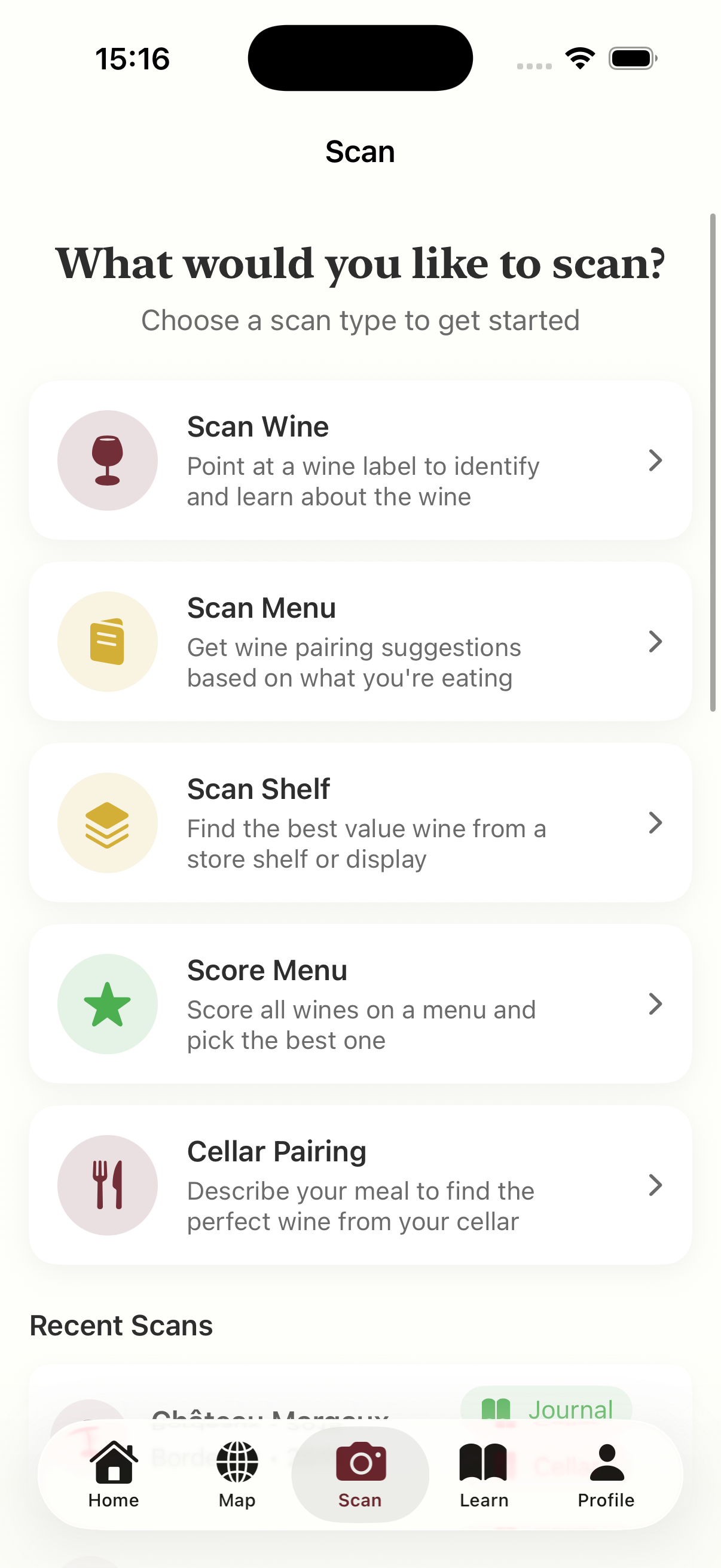
Whether you aspire to become a sommelier or simply want to build the kind of wine knowledge that sommeliers possess, Sommo is designed to help. Our WSET exam prep tools, structured tasting notes, and AI-powered label scanning give you the foundation to develop a sommelier-level understanding of wine, one bottle at a time.
Learn wine, one glass at a time
Go beyond definitions with guided lessons, tasting practice, and AI feedback.