Light-bodied white wines are dry or near-dry wines with modest alcohol, little oak and a delicate palate weight, commonly made from grapes such as Pinot Grigio, Melon, Picpoul, Vermentino and Riesling.Quick definition
Light-bodied white wines feel delicate rather than heavy. Pinot Grigio, Muscadet, Vinho Verde, Picpoul and many dry Rieslings are reliable starting points. Look for modest alcohol, little or no oak and bright acidity. Body describes weight, not sweetness or flavour: an intensely aromatic wine can still feel light on the palate.
Light White Wine Chart
| Grape or style | Body | Acidity | Main character | Best food |
|---|---|---|---|---|
| Muscadet | Very light | High | Lemon, saline, subtle lees | Oysters and mussels |
| Vinho Verde | Very light | High | Lime, green apple, gentle spritz | Fried fish and salads |
| Pinot Grigio | Light | Medium to high | Lemon, pear, almond | Seafood and antipasti |
| Picpoul | Light | High | Lemon, green fruit, saline | Shellfish and grilled fish |
| Vermentino | Light | High | Citrus, herbs, sea spray | Prawns and courgette |
| Albariño | Light to medium | High | Peach, citrus, saline | Shellfish and octopus |
| Dry Riesling | Light | Very high | Lime, apple, blossom | Sushi and pork |
| Grüner Veltliner | Light to medium | High | Citrus, apple, white pepper | Vegetables and schnitzel |
| Sauvignon Blanc | Light to medium | High | Citrus, herbs, gooseberry | Goat cheese and salads |
| Soave | Light to medium | Medium to high | Pear, citrus, almond | Risotto and white fish |
| Gavi | Light to medium | High | Lemon, apple, herbs | Seafood pasta |
| Assyrtiko | Light to medium | Very high | Lemon, salt, mineral notes | Grilled fish |
| Chablis | Light to medium | High | Citrus, apple, chalk | Oysters and roast chicken |
| Fiano | Medium | Medium to high | Citrus, nuts, herbs | Richer fish |
| Chenin Blanc, dry | Light to medium | Very high | Apple, quince, wool | Pork and goat cheese |
| Torrontés | Light to medium | Medium | Flowers, peach, citrus | Aromatic salads |
| Unoaked Chardonnay | Light to medium | Medium to high | Apple, lemon, subtle cream | Chicken and fish |
| Verdicchio | Light to medium | High | Lemon, herbs, almond | Seafood and pesto |
Treat the positions as ranges. A warm-climate, late-picked or lees-aged wine can move upward in body, while early picking and stainless-steel fermentation keep it lean.
What Creates Body
Alcohol, sugar, extract, oak and lees all add weight. Acidity pulls in the other direction by making a wine feel fresher and more linear. That is why 11.5% Muscadet in steel feels lighter than a 14% Chardonnay fermented in new oak.
The list of beginner-friendly white wines explains the main style families, while the wine structure chart lets you compare body with acidity, tannin and sweetness.
How to Read the Label
Look for lower to moderate alcohol, stainless steel, unoaked, coastal or cool-climate origin and recent vintage. Terms such as barrel fermented, reserve, late harvest and extended lees ageing can signal more body, although none is an absolute rule.
For Riesling, dry does not necessarily mean full and sweet does not necessarily mean heavy. Acidity can keep even a modestly sweet wine light on its feet. The Pinot Grigio versus Riesling comparison shows the two ends of aromatic intensity inside a similar weight range.
Serve and Pair
Serve light whites around 7 to 10 degrees Celsius, not straight from an ice bath. Use a small white-wine glass and let aromatic examples warm slightly.
Pair by keeping the plate equally light: shellfish, sushi, salads, green vegetables, fresh cheese and simply cooked fish. Acidity can handle lemon, vinaigrette and modest frying oil, but a heavy cream sauce usually needs more body.
Explore with Sommo
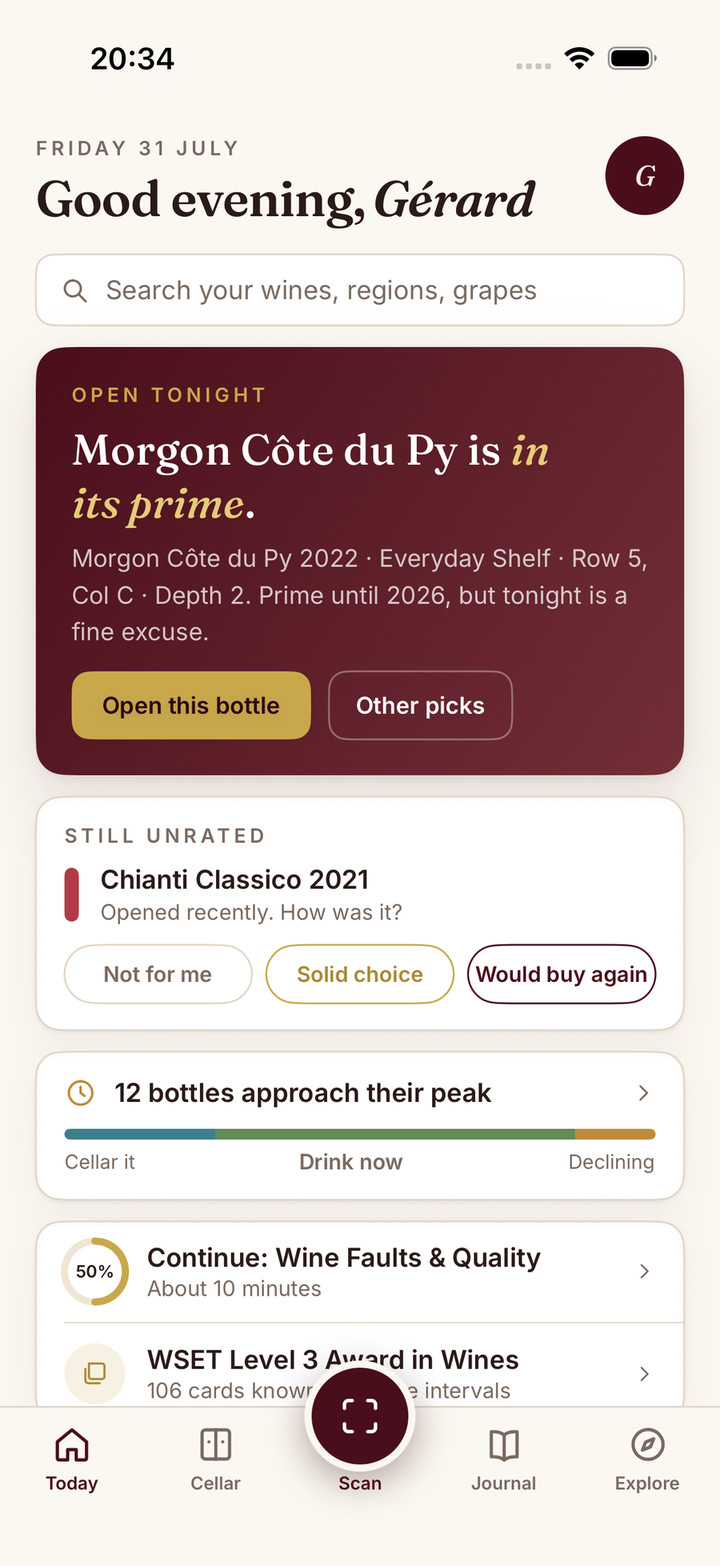
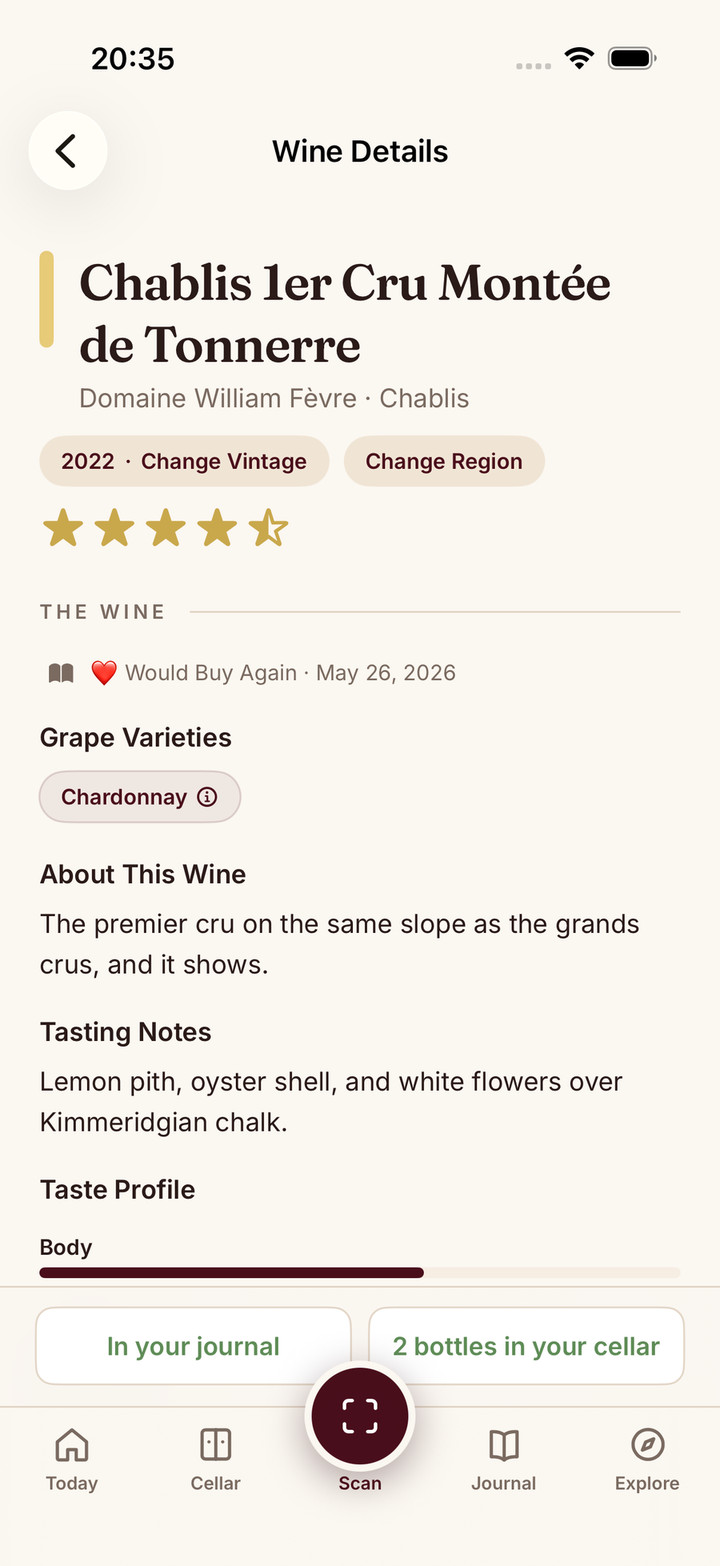
Scan a label to see the likely body, acidity and serving temperature before you buy, then log how the wine felt to you. Download Sommo and turn “light” into a preference you can recognise across grapes.