Tuscany Wine Tours: Guide to Italian Estates
Plan your Tuscany wine tour with our guide to Chianti, Brunello di Montalcino, and Bolgheri. Discover top estates, travel tips, and food pairings.
Highlights
- Historic wine estates producing Sangiovese-based wines with centuries of tradition
- The Chianti Classico region with its iconic Black Rooster emblem and medieval villages
- Montalcino and its world-renowned Brunello, one of Italy's most celebrated red wines
- Super Tuscan wines from Bolgheri that redefined Italian winemaking in the 1970s
Top Wineries & Wine Bars
Antinori nel Chianti Classico
A 26-generation winemaking dynasty with a stunning modern cellar and iconic Tignanello Super Tuscan
$$$Biondi-Santi
The founding estate of Brunello di Montalcino, producing age-worthy Riservas since 1888
$$$$Sassicaia (Tenuta San Guido)
The original Super Tuscan from Bolgheri, a Cabernet-based wine that rivals top Bordeaux
$$$$Castello di Ama
Elegant Chianti Classico Gran Selezione paired with a world-class contemporary art collection on the estate
$$$Fontodi
Exceptional organic Chianti Classico from the golden Conca d'Oro amphitheater in Panzano
$$$Col d'Orcia
One of Montalcino's largest and most historic estates producing reliable, terroir-driven Brunello
$$Areas to Explore
Chianti Classico
The heartland of Sangiovese, stretching between Florence and Siena with hilltop villages and ancient cellars.
Montalcino
A hilltop town producing Brunello, one of Italy's greatest wines, from 100% Sangiovese Grosso.
Bolgheri
A coastal strip producing bold, Bordeaux-inspired Super Tuscans that changed Italian wine forever.
Montepulciano
A Renaissance hill town known for Vino Nobile, an elegant Sangiovese wine with a rich heritage.
San Gimignano
A medieval tower-town famous for Vernaccia, Tuscany's most distinguished white wine.
Planning Tips
- Rent a car to explore the countryside; many of the best estates are on winding rural roads between small villages.
- Stay at an agriturismo, a working farm offering accommodation, for an authentic and affordable Tuscan experience.
- Book winery visits in advance, as most Tuscan estates require appointments and offer limited tour slots.
- Combine wine visits with olive oil tastings, cooking classes, and truffle hunting for a full culinary immersion.
- Learn a few Italian wine terms like riserva, annata, and gran selezione to navigate tasting menus confidently.
Budget Guide
- Budget: Stay at agriturismos or B&Bs in smaller towns like Greve or Castellina, eat at local trattorias, and visit estates with modest tasting fees. Around $100-$150 per person per day.
- Mid-Range: Book guided small-group tours, stay at charming boutique hotels, and enjoy long lunches at estate restaurants. Plan for $200-$350 per person per day.
- Luxury: Reserve private tours at iconic estates like Antinori and Biondi-Santi, stay at a converted Tuscan villa or Castiglion del Bosco, and dine at Michelin-starred restaurants. Budget $500 or more per person per day.
Tuscany: Where Wine and Civilization Intertwine
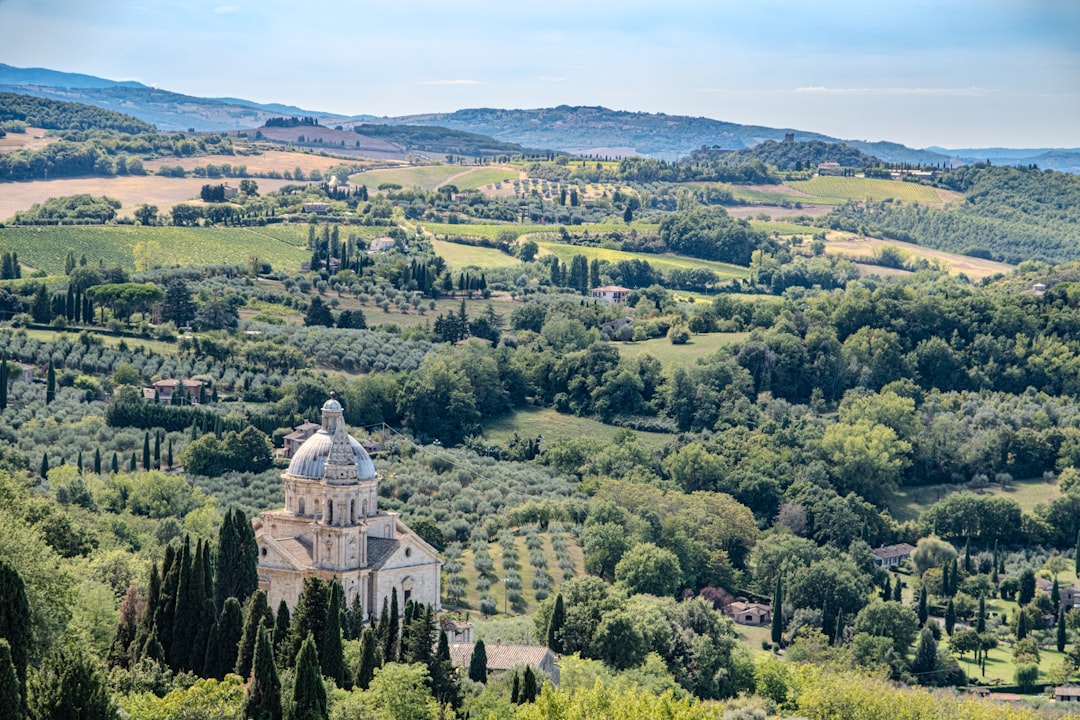
Few places on earth weave wine so deeply into the fabric of daily life as Tuscany. This storied Italian region has been producing wine for over 3,000 years, and its landscape of rolling hills, cypress-lined roads, medieval hilltop towns, and silver-green olive groves has come to represent the romantic ideal of wine country. But Tuscany is far more than a postcard. It is home to some of the most complex, age-worthy, and food-friendly wines in the world, anchored by the noble Sangiovese grape.
From the everyday pleasures of a well-made Chianti to the profound depth of a great Brunello di Montalcino, from the audacious modernity of Super Tuscans to the understated elegance of Vernaccia di San Gimignano, Tuscany offers a wine experience of remarkable range. A visit here is as much about understanding Italian culture and cuisine as it is about tasting exceptional wine.
The Major Wine Zones
Chianti Classico
The heartland of Tuscan wine lies between Florence and Siena, an area of stunning beauty and deep winemaking tradition. Chianti Classico, designated by its black rooster emblem, produces Sangiovese-based reds that range from bright and cherry-fruited to structured and age-worthy.
Castello di Ama, nestled in the hamlet of Ama near Gaiole in Chianti, combines contemporary art installations with some of the finest Chianti Classico produced anywhere. Fontodi in the Conca d’Oro amphitheater near Panzano consistently crafts wines of exceptional quality, including their benchmark Flaccianello, a pure Sangiovese of great power and finesse. Badia a Coltibuono, a former abbey dating to 1051, offers cooking classes alongside wine tastings in a setting of extraordinary historical depth.
The Chianti Classico region is divided into sub-zones that are increasingly recognized on labels. Castellina, Gaiole, Radda, Greve, and Panzano each bring distinct character. Visiting estates in different sub-zones gives you a vivid sense of how Sangiovese responds to subtle variations in altitude, aspect, and soil.
Brunello di Montalcino
If Chianti Classico is the heart of Tuscany, Montalcino is its soul. This medieval hilltop town south of Siena produces Brunello, one of Italy’s greatest and longest-lived wines. Made exclusively from Sangiovese (locally called Brunello), these wines require a minimum of five years aging before release, with Riserva bottlings requiring six.
Biondi-Santi is the estate credited with creating Brunello di Montalcino in the 19th century, and their library wines remain among the most collectible in Italy. Casanova di Neri produces modern-styled Brunellos of extraordinary concentration and depth. Il Poggione offers consistently excellent wines at relatively fair prices for the denomination, making it an ideal introduction to Brunello.
The town of Montalcino itself is a delight, with a well-preserved fortress, panoramic views over the Val d’Orcia, excellent restaurants, and numerous enotecas where you can taste a range of producers by the glass.
Bolgheri and the Super Tuscan Coast
The Bolgheri appellation on Tuscany’s Mediterranean coast revolutionized Italian wine in the 1970s and 1980s. When Marchese Mario Incisa della Rocchetta began planting Cabernet Sauvignon and Cabernet Franc at his Tenuta San Guido estate, he was defying centuries of tradition. The resulting wine, Sassicaia, became one of the most celebrated in the world and spawned the Super Tuscan movement.
Tenuta San Guido (Sassicaia), Ornellaia, and Tenuta dell’Ornellaia (Masseto) are the holy trinity of Bolgheri. These are premium experiences that often require advance booking and significant investment. For a more accessible introduction to the coastal style, Grattamacco and Le Macchiole produce outstanding wines that showcase the region’s maritime-influenced terroir.
The village of Bolgheri, reached via the famous Viale dei Cipressi (Cypress Avenue), is tiny but atmospheric, with a handful of wine shops and restaurants.
Vino Nobile di Montepulciano
Often overshadowed by Brunello, the wines of Montepulciano (made from Sangiovese, locally called Prugnolo Gentile) offer excellent value and genuine complexity. The town of Montepulciano is one of Tuscany’s most beautiful, perched on a ridge with views across the Val di Chiana and Lake Trasimeno.
Avignonesi has reinvented itself as a biodynamic estate producing wines of increasing precision. Boscarelli is a family-run estate that consistently delivers some of the appellation’s most refined wines. Many producers have tasting rooms in the town’s historic cellars, carved into the tufa rock beneath the streets, creating a wonderfully atmospheric tasting experience.
San Gimignano
Known for its medieval towers and tourist crowds, San Gimignano also produces Tuscany’s most notable white wine: Vernaccia di San Gimignano. At its best, Vernaccia offers crisp acidity, almond notes, and a subtle saline quality that makes it an excellent aperitif and seafood companion.
Planning Your Tuscan Wine Tour
When to Visit
September and October coincide with the harvest and offer the most dramatic vineyard scenery, with vines turning gold and red. The weather is warm but not oppressive, and many estates hold special harvest events. April through June brings wildflowers and mild temperatures, ideal for cycling between estates. November through February is quieter and cooler, but tasting rooms remain open, and the experience is more intimate.
Where to Base Yourself
Greve in Chianti is central to the Chianti Classico zone and offers a good selection of accommodation and restaurants. Montalcino is the obvious choice if Brunello is your focus. Siena provides a stunning medieval city base with excellent transport links to multiple wine zones. For Bolgheri, the coastal town of Castagneto Carducci has several good hotels and is just minutes from the major estates.
Getting Around
A rental car is the most practical option for touring Tuscan wine country. Roads are generally good but can be narrow and winding. Parking is available at most wineries, though spaces may be limited at smaller estates. Alternatively, hire a private driver or join a guided tour from Florence or Siena. Several companies offer full-day excursions that cover multiple wineries with lunch included.
Booking Tastings
Most serious Tuscan estates require appointments for visits. Book at least a week in advance, and longer during peak season. Many wineries offer different tasting tiers, from basic flights to comprehensive estate tours with barrel tastings and vertical comparisons. Expect fees ranging from 15 to 50 euros per person, often credited toward purchases.
Food and Wine: The Inseparable Pair
Tuscan cuisine and wine evolved together over centuries, and experiencing them in tandem is essential. The regional cooking is characterized by simplicity, quality ingredients, and an emphasis on olive oil, bread, beans, and grilled meats.
Classic Pairings
A young Chianti Classico with ribollita (bread and vegetable soup) or pappa al pomodoro (bread and tomato soup) is comfort food at its finest. Brunello di Montalcino demands richer fare: bistecca alla fiorentina (Florentine T-bone), pici with wild boar ragu, or aged Pecorino cheese. The coastal Bolgheri wines pair naturally with grilled seafood and Mediterranean preparations.
Where to Eat
Osteria di Fonterutoli in the Chianti hamlet of Fonterutoli serves refined Tuscan cuisine with wines from the Mazzei family’s vineyards surrounding the restaurant. Il Leccio in Sant’Angelo in Colle, near Montalcino, offers traditional cooking in a setting with views across the Val d’Orcia. In Bolgheri, Osteria Magona serves fresh seafood and local specialties in a relaxed atmosphere.
Insider Tips for a Memorable Visit
Visit smaller, family-run estates alongside the famous names. Some of the most rewarding experiences in Tuscany happen at tiny operations where the winemaker personally guides you through the cellar and pours wines that never leave the region.
Bring a cooler or insulated bag for wine purchases. Tuscan summers can be hot, and wine left in a car trunk will suffer. Most estates will ship wine internationally, but this is often expensive for small quantities.
Learn a few Italian wine terms before your visit. Words like “annata” (vintage), “riserva” (aged longer), “imbottigliato all’origine” (estate bottled), and “vendemmia” (harvest) will help you navigate labels and menus with confidence.
Do not skip the olive oil. Tuscany produces some of the finest extra virgin olive oil in the world, and many wine estates also press their own olives. Tasting oil alongside wine provides a fuller picture of the terroir.
Enhance Your Tuscany Wine Tour with Sommo
A Tuscan wine tour generates a wealth of memories and discoveries that deserve to be preserved. The Sommo app is the perfect tool for documenting your journey through Italy’s most iconic wine region. Scan every label to instantly understand the Sangiovese clones, aging requirements, and classification systems that can be confusing even for experienced tasters. Build a detailed journal of your tastings, from the first crisp Vernaccia in San Gimignano to the last glass of aged Brunello in Montalcino. The app’s learning modules on Italian wine regions and grape varieties provide context that deepens your appreciation at every estate. Use Sommo to transform a wonderful vacation into a lasting wine education that you can revisit and build upon for years to come.
Plan your wine trip
Map the regions you visit, journal tastings on the go, and relive every glass.