Sonoma Wine Tasting: California's Best AVAs
Plan your Sonoma County wine tasting trip with our guide to top wineries, AVAs, and insider tips. Russian River Pinot to Dry Creek Zinfandel.
Highlights
- Over 18 distinct AVAs producing an extraordinary diversity of wine styles
- A more relaxed, farm-focused culture compared to neighboring Napa Valley
- The Russian River Valley's world-class Pinot Noir and Chardonnay
- Historic Sonoma Plaza, the birthplace of California wine, surrounded by tasting rooms
Top Wineries & Wine Bars
Williams Selyem
Cult-status Russian River Pinot Noir with a devoted mailing list following
$$$Kistler Vineyards
Benchmark California Chardonnay from single-vineyard Sonoma sites
$$$Ridge Lytton Springs
Legendary old-vine Zinfandel blend from Dry Creek Valley grown since the 1880s
$$Flowers Vineyards & Winery
Extreme Sonoma Coast Pinot Noir and Chardonnay from rugged, fog-swept ridgetop vineyards
$$$Jordan Vineyard & Winery
Elegant Alexander Valley Cabernet Sauvignon crafted in a refined, Bordeaux-inspired style
$$$Hartford Family Winery
Single-vineyard old-vine Zinfandel and cool-climate Pinot Noir from Sonoma's top sites
$$Areas to Explore
Russian River Valley
Fog-cooled vineyards producing some of California's most acclaimed Pinot Noir and Chardonnay.
Dry Creek Valley
A warm, narrow valley famous for old-vine Zinfandel, excellent Sauvignon Blanc, and small family wineries.
Sonoma Coast
A vast, dramatic AVA stretching to the Pacific, producing intense, mineral-driven Pinot Noir and Chardonnay.
Alexander Valley
A warmer inland valley known for approachable, generous Cabernet Sauvignon and lush red blends.
Sonoma Valley
The historic heart of Sonoma wine, anchored by the charming town of Sonoma and its central plaza.
Planning Tips
- Start at Sonoma Plaza where several tasting rooms are within walking distance, giving you a great introduction to the region.
- Allocate time for the Russian River Valley, widely considered one of America's top Pinot Noir regions.
- Many Sonoma wineries are dog-friendly and family-friendly, making it ideal for a more relaxed wine trip.
- Drive through Dry Creek Valley for a back-roads experience with old-vine Zinfandel producers and minimal crowds.
- Combine wine tasting with Sonoma's excellent farm stands, artisan cheese makers, and the Barlow food market in Sebastopol.
Budget Guide
- Budget: Visit free and low-cost tasting rooms around Sonoma Plaza and Dry Creek Valley, stay in Santa Rosa hotels, and enjoy casual farm-to-table meals. Around $80-$140 per person per day.
- Mid-Range: Book seated tastings at Williams Selyem or Jordan, stay at a Healdsburg B&B, and dine at restaurants like Willi's Seafood or Barndiva. Plan for $200-$320 per person per day.
- Luxury: Arrange private vineyard tours, stay at SingleThread or Hotel Healdsburg, and enjoy multi-course tasting menus with wine pairings. Budget $500 or more per person per day.
Sonoma County: Where Diversity Is the Defining Feature
If Napa Valley is California wine’s polished showroom, Sonoma County is its sprawling workshop, a place where experimentation, diversity, and a slightly rebellious spirit produce wines across an astonishing range of styles. Stretching from the fog-shrouded Sonoma Coast on the Pacific Ocean to the warm inland reaches of Alexander Valley, Sonoma encompasses 18 distinct AVAs and grows over 60 grape varieties commercially. No other California wine region comes close to this breadth.
Sonoma’s identity has always been defined in part by its contrast with its more famous neighbor. Where Napa is concentrated and premium-focused, Sonoma is expansive and eclectic. Where Napa can feel exclusive, Sonoma remains accessible. Tasting fees are generally lower, the pace is more relaxed, and the range of experiences is wider. You can start your morning with world-class sparkling wine, taste Burgundian Pinot Noir at midday, and finish with powerful Zinfandel by afternoon, all without driving more than 30 miles.
The Key AVAs
Russian River Valley
The Russian River Valley is Sonoma’s most celebrated appellation, renowned for Pinot Noir and Chardonnay of extraordinary quality. Pacific fog rolls up the river corridor each evening, cooling the vineyards dramatically and creating the long, slow growing season that Pinot Noir demands. The wines are characteristically rich and aromatic, with dark fruit, spice, and a silky texture that distinguishes them from Oregon or Burgundy Pinot.
Williams Selyem is one of the most revered names in California Pinot Noir, with an allocation list that stretches for years. If you can arrange a visit, it is unforgettable. Rochioli Vineyards, a family estate since 1933, produces benchmark Pinot Noir and Chardonnay from their estate vineyards along Westside Road. Gary Farrell Vineyards and Winery occupies a stunning hilltop location with panoramic views and produces elegant, restrained wines.
Hartford Family Winery offers a range of single-vineyard Pinot Noirs that serve as an education in Russian River Valley terroir. Iron Horse Vineyards, located at the cooler western edge of the AVA, produces exceptional sparkling wine alongside still Pinot Noir and Chardonnay, with views from the outdoor tasting terrace that are among the best in Sonoma.
Sonoma Coast
The Sonoma Coast AVA is enormous, but its most exciting wines come from the “true” or “extreme” Sonoma Coast, where vineyards are planted on ridges and slopes within direct reach of Pacific fog and wind. This is frontier viticulture, with challenging conditions producing Pinot Noir and Chardonnay of remarkable intensity and mineral complexity.
Hirsch Vineyards, perched 1,500 feet above the Pacific, is one of California’s most important vineyard sites. The estate wines are structured, complex, and age beautifully. Flowers Vineyards and Winery was a pioneer of extreme Sonoma Coast viticulture, and their estate wines from Camp Meeting Ridge remain among the most compelling in the region. Fort Ross Vineyard and Winery, within the Fort Ross-Seaview AVA, combines dramatic coastal scenery with excellent Pinot Noir and Chardonnay.
Dry Creek Valley
Dry Creek Valley, north of Healdsburg, is Zinfandel country. The benchland vineyards along the valley floor and the hillside plantings above produce Zinfandel of remarkable character, from bright and peppery to dark and concentrated. Old vines are common here, with some plantings dating to the late 19th century.
Ridge Vineyards Lytton Springs is a benchmark producer, crafting Zinfandel-based blends of uncommon complexity and ageability. Quivira Vineyards farms biodynamically and produces excellent Zinfandel alongside Sauvignon Blanc and Rhone varieties. A. Rafanelli Winery, a family operation with no tasting room sign on the road, produces classic Dry Creek Zinfandel that has a devoted following. Appointments are essential.
Alexander Valley
The warmest of Sonoma’s premium AVAs, Alexander Valley excels with Cabernet Sauvignon. The wines tend to be rounder and more approachable than Napa Cabernet, with ripe fruit and soft tannins that make them drinking beautifully on release while still capable of aging.
Jordan Vineyard and Winery is one of Alexander Valley’s most gracious estates, with a French chateau-inspired property and a tasting experience that includes food pairings and a tour of the grounds. Silver Oak Alexander Valley produces a single Cabernet Sauvignon that epitomizes the AVA’s generous, polished style. Stonestreet Estate Vineyards, with mountain vineyards reaching up to 2,400 feet, produces Cabernet and Chardonnay of impressive depth.
Sonoma Valley and Sonoma Mountain
The original Sonoma Valley, where California wine history began with the founding of Buena Vista in 1857, remains a rewarding destination. The town of Sonoma, centered around its historic plaza, is one of the most charming in California wine country. Buena Vista Winery has been beautifully restored and offers tours that connect California’s winemaking past with its present. Benziger Family Winery operates a biodynamic estate with an excellent tram tour through the vineyards.
Planning Your Sonoma Visit
When to Visit
Sonoma’s climate varies significantly across its AVAs. The coast and Russian River Valley are cooled by fog year-round, while Alexander Valley and Dry Creek can be quite warm in summer. September and October offer harvest excitement and ideal weather. Spring brings wildflowers and moderate crowds. Winter is the quietest season, with many tasting rooms offering special deals and more personal attention.
Where to Base Yourself
Healdsburg is the premier base for Sonoma wine country. This attractive town sits at the convergence of three AVAs (Russian River Valley, Dry Creek Valley, and Alexander Valley) and offers excellent restaurants, boutique hotels, and a walkable town square lined with tasting rooms. The Madrona and Hotel Healdsburg provide upscale accommodation.
Sonoma town is ideal if you want to combine wine tasting with the region’s history and a more laid-back pace. Guerneville, on the Russian River, offers a quirky, outdoorsy alternative with access to excellent Pinot Noir producers.
Getting Around
A car provides the most flexibility, but Sonoma’s backroads are narrow and winding, making a designated driver or hired car advisable if you plan to taste extensively. Several tour companies operate out of Healdsburg and Sonoma, offering half-day and full-day guided excursions. Bicycle tours along Westside Road in the Russian River Valley and through Dry Creek Valley are popular and scenic.
Tasting Fees and Reservations
Sonoma tasting fees typically range from $25 to $60, lower on average than Napa Valley. Many wineries still accommodate walk-ins, especially on weekdays, but appointments are increasingly recommended at popular estates. Smaller producers along Westside Road and Dry Creek Road often offer the most personal and rewarding experiences.
Where to Eat
Sonoma County’s farm-to-table dining scene is among the best in California. SingleThread in Healdsburg holds three Michelin stars and offers a multi-course omakase experience with Japanese-influenced Californian cuisine. Valette in Healdsburg serves creative American cuisine with an outstanding Sonoma-focused wine list. The Girl and the Fig on Sonoma Plaza is a beloved bistro with Rhone-inspired wines and French-Californian cooking.
For a more casual meal, Diavola in Geyserville serves excellent wood-fired pizza, and Hazel Hill at the Montage Healdsburg resort offers refined dining with vineyard views.
Farm Visits and Beyond Wine
Sonoma County’s appeal extends beyond the glass. The Barlow in Sebastopol is a creative district of food producers, breweries, distilleries, and galleries. Marin French Cheese Company, just south of Sonoma County, offers tastings of their handcrafted brie and camembert. The Sonoma Coast beaches, old-growth redwood groves in Armstrong Woods, and the charming coastal town of Bodega Bay provide excellent diversions between tastings.
Insider Tips
Do not overlook Sonoma’s white wines and roses. Russian River Chardonnay rivals the best in California, Dry Creek Sauvignon Blanc is consistently excellent, and the region’s rose wines, particularly those from Rhone varieties, are outstanding summer drinking.
Visit on weekdays whenever possible. The difference in atmosphere between a Tuesday and a Saturday at Sonoma tasting rooms is dramatic. Weekday visitors receive more attention, shorter waits, and often access to library wines or barrel samples that are not available on busy weekends.
Explore the tasting rooms along Healdsburg’s town square for a walkable wine experience. You can sample wines from multiple AVAs without driving, making it a safe and efficient way to survey the region’s diversity.
Enhance Your Sonoma Tasting Experience with Sommo
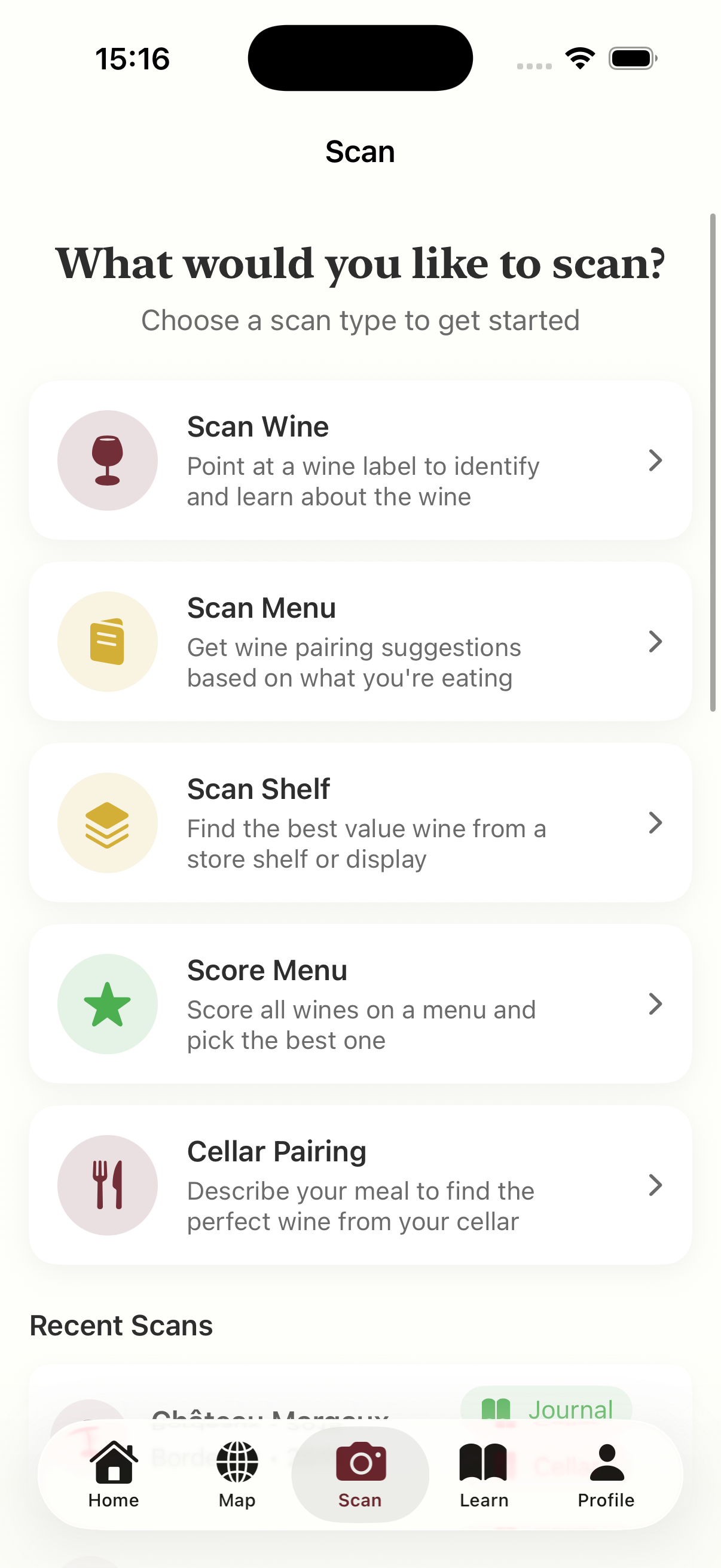
Sonoma’s remarkable diversity, spanning 18 AVAs and dozens of grape varieties, makes it the ideal place to expand your wine knowledge, and the Sommo app is designed to help you do exactly that. Scan wine labels at every stop to instantly access information about the specific AVA, grape variety, and winemaking style. Use your personal journal to track how Russian River Pinot Noir differs from Sonoma Coast Pinot Noir, or how Dry Creek Zinfandel compares across different producers. The learning modules provide the vocabulary and framework to articulate what you are tasting, helping you engage more deeply with winemakers and fellow visitors. From your first glass of sparkling wine at Iron Horse to your last sip of Alexander Valley Cabernet at Jordan, Sommo ensures that every tasting adds to your growing wine expertise.
Plan your wine trip
Map the regions you visit, journal tastings on the go, and relive every glass.