Wine Tasting in Napa Valley: Complete Visitor Guide
Plan your Napa Valley wine tasting trip with our guide to top wineries, tasting tips, best times to visit, and insider recommendations.
Highlights
- Over 400 wineries producing world-renowned Cabernet Sauvignon and Chardonnay
- The Napa Valley Wine Train offering scenic vineyard-view dining
- Michelin-starred restaurants including The French Laundry and Meadowood
- Hot air balloon rides over rolling vineyards at sunrise
Top Wineries & Wine Bars
Opus One
Legendary Bordeaux-style blend co-founded by Robert Mondavi and Baron Philippe de Rothschild
$$$$Stag's Leap Wine Cellars
The 1973 Cabernet that won the Judgment of Paris, putting Napa on the world stage
$$$Domaine Carneros
Elegant sparkling wines crafted in the methode traditionnelle by the Taittinger family
$$Robert Mondavi Winery
Pioneering Napa Valley winery offering exceptional Cabernet Sauvignon and educational tours
$$$Schramsberg Vineyards
Historic sparkling wine house served at White House state dinners since 1972
$$$Caymus Vineyards
Rich, full-bodied Cabernet Sauvignon and the acclaimed Special Selection bottling
$$$Areas to Explore
Oakville
Home to legendary Cabernet Sauvignon producers and some of Napa's most coveted vineyard land.
Rutherford
Known for the distinctive 'Rutherford Dust' character in its age-worthy Cabernet Sauvignons.
Yountville
A walkable village celebrated for fine dining, art galleries, and tasting rooms.
Calistoga
The valley's northern end, famous for hot springs, mud baths, and bold red wines.
Stags Leap District
A prestigious AVA producing structured, elegant Cabernet Sauvignons with a signature mineral quality.
Planning Tips
- Book winery appointments at least two to four weeks in advance, especially during harvest season from September to October.
- Limit yourself to three or four wineries per day to avoid palate fatigue and truly enjoy each experience.
- Hire a driver or join a guided tour so everyone in your group can taste freely and safely.
- Start your day at wineries further north in Calistoga and work your way south toward Napa town.
- Bring a cooler in your car for wine purchases, as temperatures in the valley can get quite warm.
Budget Guide
- Budget: Visit free or low-cost tastings at smaller family wineries, stay in Napa city hotels, and picnic with deli provisions from Oakville Grocery. Expect to spend around $100-$150 per person per day.
- Mid-Range: Book seated tastings at well-known estates like V. Sattui or Sterling Vineyards, stay at a boutique inn in Yountville, and enjoy a nice dinner at Bottega or Brix. Plan for $250-$400 per person per day.
- Luxury: Reserve private tours at Opus One or Harlan Estate, stay at Meadowood or Auberge du Soleil, and dine at The French Laundry or La Calenda. Budget $800 or more per person per day.
Why Napa Valley Remains the Crown Jewel of American Wine Country
Napa Valley has earned its place as one of the most celebrated wine regions on the planet. Stretching roughly 30 miles from the city of Napa in the south to Calistoga in the north, this narrow valley produces some of the finest Cabernet Sauvignon in the world and attracts millions of visitors each year. Whether you are a seasoned collector or a curious newcomer, Napa Valley offers an experience that blends world-class wine with breathtaking scenery, exceptional cuisine, and genuine hospitality.
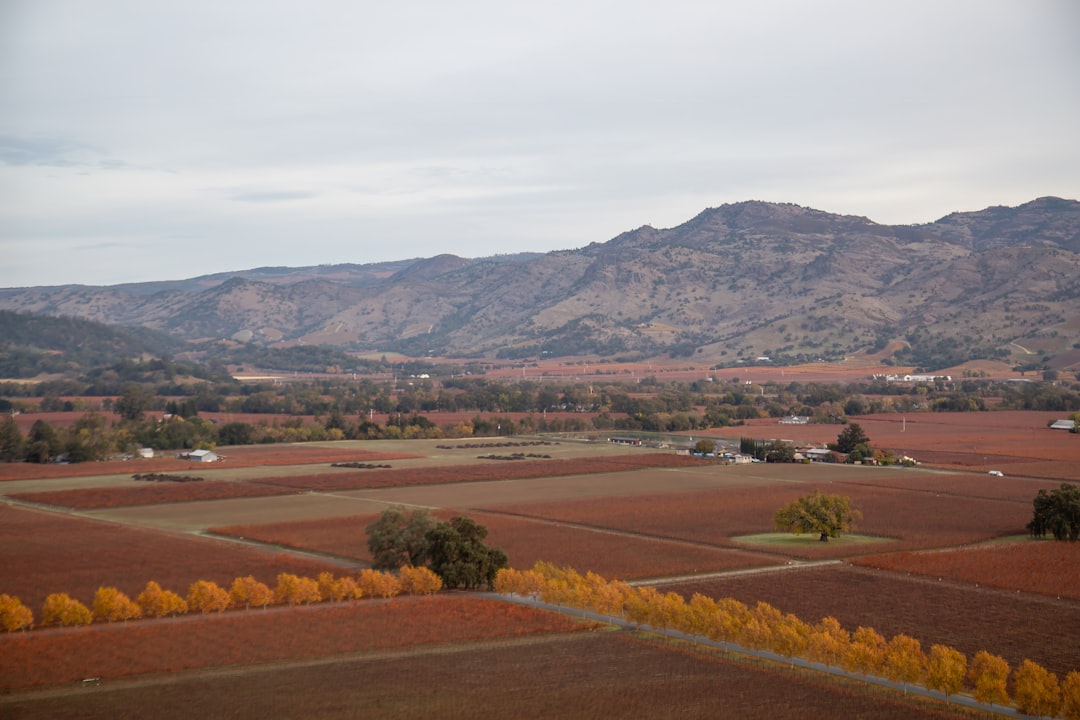
The region’s Mediterranean climate, marked by warm days and cool nights, creates ideal growing conditions for a wide range of grape varieties. Volcanic soils, alluvial fans, and benchland terraces contribute to the remarkable diversity you will encounter as you move from one end of the valley to the other. No two wineries taste the same, and no two visits feel alike.
Understanding Napa Valley’s Sub-Appellations
One of the keys to getting the most out of your Napa Valley visit is understanding its 16 distinct American Viticultural Areas (AVAs). Each sub-appellation has its own microclimate and soil composition, producing wines with unique character.
Oakville and Rutherford
These neighboring AVAs in the heart of the valley are ground zero for Napa Cabernet Sauvignon. Rutherford is famous for the so-called “Rutherford dust,” a mineral, cocoa-like quality that defines its best wines. Notable estates here include Robert Mondavi Winery, Caymus Vineyards, and Inglenook. Oakville is home to legendary names such as Opus One, Silver Oak, and Screaming Eagle.
Stags Leap District
Located on the eastern side of the valley, this AVA gained international fame when Stag’s Leap Wine Cellars won the 1976 Judgment of Paris. The volcanic soils and sheltered position produce Cabernets known for their velvety texture and elegance. Visit Stag’s Leap Wine Cellars, Clos Du Val, or Chimney Rock for a taste of history.
Calistoga and Diamond Mountain
The northernmost reaches of the valley tend to be warmer during the day but benefit from significant diurnal temperature variation. Calistoga’s volcanic soils yield powerful, structured reds. Chateau Montelena, another Judgment of Paris winner, is an essential stop. Diamond Mountain wineries like Diamond Creek and Von Strasser offer a more intimate, mountainous experience.
Carneros
Straddling the southern border between Napa and Sonoma counties, Carneros is cooled by San Pablo Bay breezes. This makes it ideal for Chardonnay and Pinot Noir, as well as sparkling wine production. Domaine Carneros, Artesa, and Bouchaine are excellent choices here.
Planning Your Visit: Best Times to Go
Harvest Season (August through October)
This is Napa Valley at its most exciting and its most crowded. The vineyards are heavy with fruit, crush pads are buzzing with activity, and the energy is palpable. Expect higher prices for accommodation and longer wait times at popular tasting rooms. Booking appointments well in advance is essential.
Spring (March through May)
The valley bursts with mustard flowers between the vine rows, creating a stunning yellow carpet against the green hillsides. The weather is pleasant, crowds are manageable, and many wineries offer spring-specific events and barrel tastings.
Winter (December through February)
The quietest season offers its own rewards. Tasting rooms are less crowded, winemakers have more time to chat, and many estates offer discounted tastings. The valley takes on a moody, atmospheric quality that photographers love.
Top Wineries to Visit
For First-Time Visitors
Robert Mondavi Winery in Oakville is a perfect starting point. Their guided tours provide an excellent education on winemaking, and the Mission-style architecture is iconic. V. Sattui Winery in St. Helena is another crowd-pleaser, with a deli and picnic grounds that make for a wonderful afternoon.
For Serious Wine Enthusiasts
Opus One offers a premium experience befitting its status as one of Napa’s most prestigious labels. Harlan Estate and Screaming Eagle require connections and patience to visit, but the effort is rewarded with some of the most extraordinary wines produced anywhere. Stag’s Leap Wine Cellars combines historical significance with consistently excellent Cabernet.
For a Unique Experience
The Prisoner Wine Company in St. Helena occupies a stunning tasting lounge with an industrial-chic aesthetic and wines that push boundaries. Sterling Vineyards features an aerial tramway with panoramic valley views. Hall Wines in St. Helena is worth visiting for its striking architecture and the massive stainless steel rabbit sculpture alone.
For Sparkling Wine Lovers
Domaine Chandon in Yountville and Schramsberg Vineyards in Calistoga are essential stops. Schramsberg’s cave tour, winding through millions of bottles aging in historic tunnels, is one of the most memorable experiences in the valley.
Tasting Room Etiquette and Tips
Appointments Are Essential
Unlike many wine regions where walk-ins are welcomed, most top Napa Valley wineries require reservations. Book at least two weeks ahead during peak season and a few days ahead during quieter months. Websites like CellarPass and direct winery booking systems make this straightforward.
Pace Yourself
A common mistake is trying to visit too many wineries in a single day. Three to four tastings is a comfortable maximum. This allows you to truly appreciate each wine, engage with your hosts, and enjoy the scenery between stops. Remember to spit when tasting if you are driving, and always have a designated driver or use a car service.
Tasting Fees
Napa Valley tasting fees range from $40 to over $100 per person at premium estates. Many wineries waive fees with a purchase. If budget is a concern, look for smaller, family-owned wineries along the Silverado Trail, where fees tend to be lower and the experience more personal.
What to Wear
Smart casual is the norm. Comfortable shoes are essential, especially if you plan on vineyard walks or cave tours. Layers are wise, as mornings can be cool even when afternoons are warm.
Where to Eat and Stay
Dining
Napa Valley’s culinary scene rivals its wines. The French Laundry in Yountville, Thomas Keller’s three-Michelin-star restaurant, is a bucket-list destination. For something more accessible, Bottega by Michael Chiarello in Yountville serves outstanding Italian-inspired dishes. Gott’s Roadside in St. Helena is perfect for a gourmet burger between tastings. Bistro Don Giovanni near the town of Napa offers reliable Italian cuisine with vineyard views.
Accommodation
Options range from luxury resorts like Meadowood and Calistoga Ranch to charming bed-and-breakfasts throughout St. Helena and Yountville. For budget-conscious visitors, the city of Napa offers chain hotels and vacation rentals at more reasonable prices, with easy access to the entire valley.
Getting Around
Driving
Highway 29 runs the length of the valley on the western side, while the Silverado Trail offers a less congested parallel route on the east. Traffic on Highway 29, particularly through St. Helena, can be heavy on weekends and during harvest season.
Alternative Transportation
The Napa Valley Wine Train offers a scenic rail journey with wine and food pairings. Numerous tour companies provide guided excursions with transportation, eliminating the need to drive. Bicycle tours are popular for the more adventurous, with relatively flat terrain making the ride accessible to most fitness levels.
Budgeting for Your Trip
A realistic daily budget for a couple visiting Napa Valley might look like this: $150 to $300 for tasting fees (three to four wineries), $100 to $200 for lunch at a mid-range restaurant, $200 to $500 for accommodation, and $50 to $100 for transportation if using a car service. Wine purchases are extra and can add up quickly when you discover something exceptional.
Insider Tips for a Better Experience
Start your day early. Most wineries open at 10:00 AM, and the first appointment of the day is often the most relaxed. Tasting room staff are less rushed and more willing to share stories and pour extras.
Visit the Silverado Trail wineries for a quieter, more intimate experience. Estates like Darioush, Clos Du Val, and Mumm Napa are all excellent and generally less crowded than their Highway 29 counterparts.
Do not overlook Napa Valley’s white wines. While Cabernet Sauvignon dominates the conversation, the region produces exceptional Chardonnay and Sauvignon Blanc, particularly from cooler sites in Carneros and the Oak Knoll District.
Consider joining a wine club at your favorite winery. Members typically receive allocation access to limited-production wines, discounted tasting fees on return visits, and invitations to exclusive events.
Seasonal Events Worth Planning Around
Auction Napa Valley (June) is one of the world’s most prestigious charity wine auctions, featuring barrel tastings and lavish parties. BottleRock Napa Valley (May) combines music, food, and wine in a festival setting. Harvest celebrations in September and October include grape stomps, winemaker dinners, and open-house events at wineries that are normally appointment-only.
Enhance Your Napa Valley Experience with Sommo
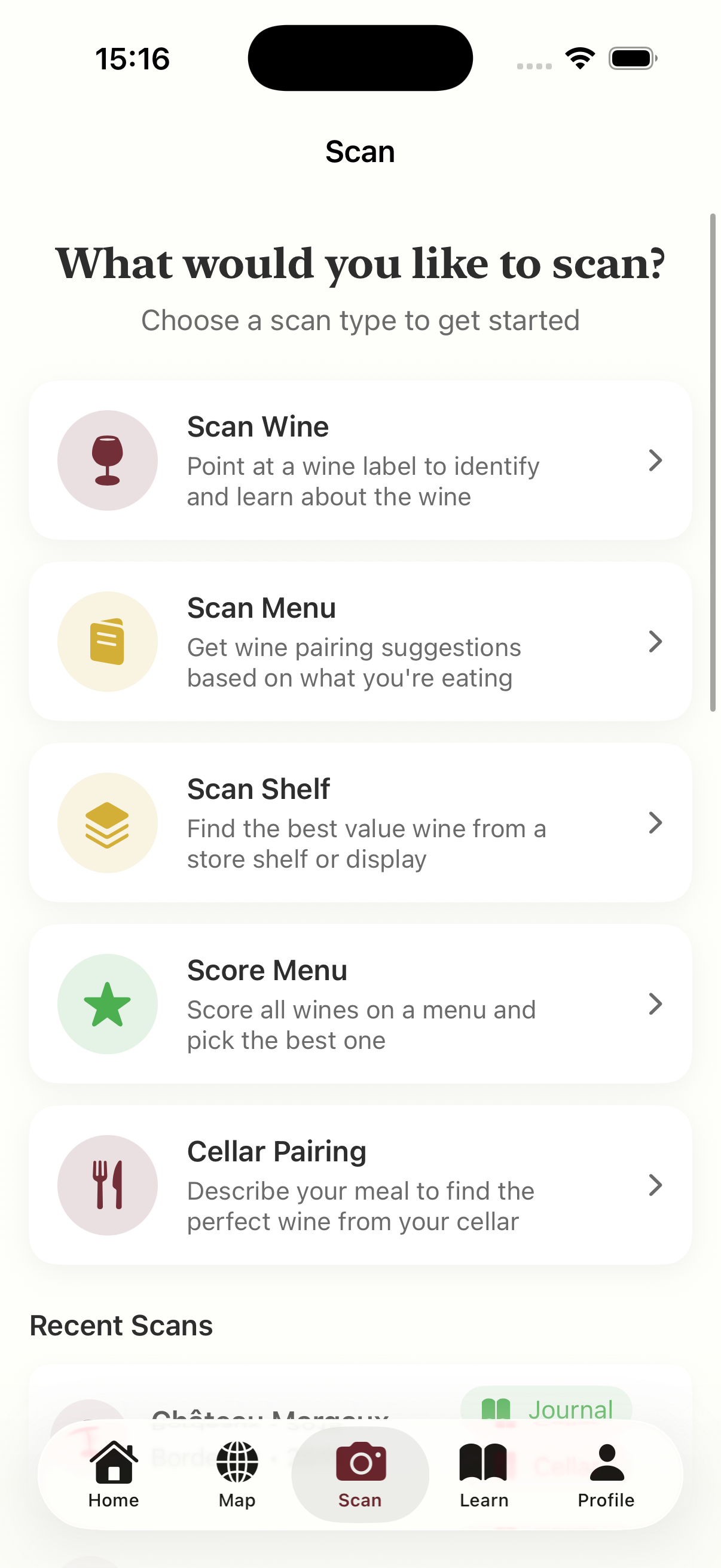
Make the most of every tasting by using the Sommo app throughout your Napa Valley visit. Scan wine labels at each winery to instantly learn about the grape varieties, winemaking techniques, and regional characteristics behind every pour. Build your personal wine journal as you taste, recording your impressions and ratings so you remember exactly which wines to reorder when you return home. The app’s interactive wine region map helps you plan your route through the valley’s sub-appellations, while the learning modules deepen your understanding of the Cabernet Sauvignon, Chardonnay, and other varieties that make Napa Valley legendary. Whether you are a first-time visitor or a returning enthusiast, Sommo transforms a great wine trip into a lasting education.
Plan your wine trip
Map the regions you visit, journal tastings on the go, and relive every glass.