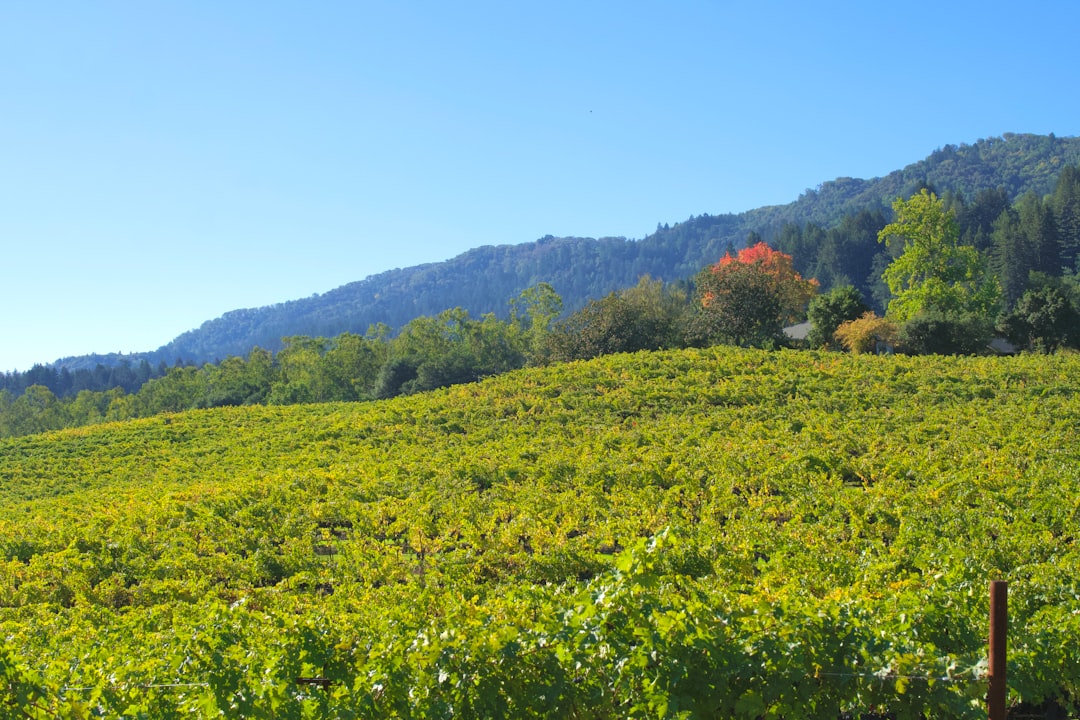
California Wine Country: Beyond Napa and Sonoma
Explore California's wine regions beyond Napa and Sonoma, from Paso Robles and Santa Barbara to the Sierra Foothills. A guide to hidden gems.
Highlights
- Over 4,000 wineries across more than 140 American Viticultural Areas
- Diverse climates producing everything from sparkling wine to bold Zinfandel and elegant Pinot Noir
- The Pacific Coast Highway connecting Santa Barbara, San Luis Obispo, and Monterey wine regions
- Farm-to-table cuisine deeply integrated with wine culture throughout the state
Top Wineries & Wine Bars
Ridge Vineyards
Legendary Monte Bello Cabernet and single-vineyard Zinfandels crafted with minimal intervention since 1962
$$$Au Bon Climat
Burgundy-inspired Pinot Noir and Chardonnay from Santa Barbara County's cool-climate vineyards
$$Tablas Creek Vineyard
Pioneering Rhone-style blends in Paso Robles using vines imported from Chateau de Beaucastel
$$Rochioli Vineyards
Coveted Russian River Valley Pinot Noir and Chardonnay from one of Sonoma's first estate wineries
$$$Sine Qua Non
Ultra-collectible, limited-production Rhone varietals from the Ventura coast with artistic labels
$$$$Calera Wine Company
Mount Harlan Pinot Noir from limestone soils, pioneering Burgundian winemaking in California
$$$Areas to Explore
Napa Valley
California's most famous wine region, renowned for powerful Cabernet Sauvignon and world-class hospitality.
Sonoma County
A diverse region with over 18 AVAs producing exceptional Pinot Noir, Chardonnay, and Zinfandel.
Paso Robles
A rising star known for bold Rhone and Bordeaux-style blends with a laid-back, approachable atmosphere.
Santa Barbara County
Cool transverse valleys ideal for Pinot Noir and Chardonnay, made famous by the film Sideways.
Anderson Valley
A cool Mendocino County valley producing outstanding sparkling wines and aromatic Pinot Noir.
Sierra Foothills
Gold Rush-era vineyards growing some of California's oldest Zinfandel vines at elevation.
Planning Tips
- Plan a multi-region road trip along Highway 101 or the Pacific Coast Highway to experience California's wine diversity.
- Each region has a distinct personality; Napa is polished, Paso Robles is casual, and Santa Barbara is coastal and relaxed.
- Visit during midweek to avoid weekend crowds and secure easier reservations at popular tasting rooms.
- Look into regional wine trail maps and passes, such as Paso Robles Wine Country Alliance or Sonoma County Vintners.
- Pack layers; coastal fog can make mornings cool even in summer, while inland valleys get quite hot by afternoon.
Budget Guide
- Budget: Focus on Paso Robles or Lodi where tasting fees are lower and many wineries still offer complimentary pours. Stay at motels or Airbnbs and eat at taco stands and local diners. Around $80-$130 per person per day.
- Mid-Range: Mix tastings across Sonoma and Santa Barbara, stay at mid-tier hotels or B&Bs, and enjoy farm-to-table dinners. Plan for $200-$350 per person per day.
- Luxury: Combine private tastings in Napa with a coastal stay in Santa Barbara, splurge on Michelin-starred meals, and hire a private driver. Budget $600 or more per person per day.
The Vast Landscape of California Wine
California produces nearly 85 percent of all American wine, and while Napa Valley and Sonoma County rightfully command international attention, the Golden State’s wine map extends far beyond these famous valleys. From the fog-swept hillsides of the Sonoma Coast to the sun-baked limestone soils of Paso Robles, from the windswept vineyards of Santa Barbara County to the ancient vines of Lodi, California offers a staggering diversity of terroir and winemaking styles.
Exploring California’s lesser-known wine regions rewards the curious traveler with exceptional wines at friendlier prices, smaller crowds, and the thrill of discovery. Many of the state’s most exciting winemakers have deliberately set up shop outside the established elite, drawn by specific soils, microclimates, and the freedom to experiment.
Paso Robles: The Central Coast Powerhouse
Why Paso Robles Matters
Paso Robles has emerged as one of California’s most exciting wine regions over the past two decades. Located roughly halfway between Los Angeles and San Francisco, this sprawling appellation encompasses an enormous range of microclimates and soil types. The region is particularly well suited to Rhone varieties like Syrah, Grenache, and Mourvedre, as well as Bordeaux varieties including Cabernet Sauvignon and Merlot.
The diurnal temperature swing in Paso Robles is among the largest in California, with differences of 50 degrees Fahrenheit between daytime highs and nighttime lows not uncommon. This preserves acidity in the grapes even as sugars develop fully, producing wines with both richness and freshness.
Must-Visit Wineries
Tablas Creek Vineyard is the standard-bearer for Rhone varieties in California. Founded as a partnership between the Perrin family of Chateau de Beaucastel and American importer Robert Haas, Tablas Creek farms biodynamically and produces wines of remarkable complexity. Their estate tour is one of the best in the region.
Justin Vineyards and Winery produces outstanding Bordeaux-style blends from their estate in the western hills. The property includes a luxury inn, making it an ideal base for exploring the area. Daou Vineyards, perched atop a mountain with panoramic views, offers bold Cabernet Sauvignon alongside a tasting experience that rivals anything in Napa.
Turley Wine Cellars deserves a visit for their old-vine Zinfandel, sourced from some of the oldest vineyards in California. The Paso Robles tasting room showcases the winery’s remarkable range.
The Paso Robles Experience
The town of Paso Robles itself is charming and walkable, centered around a tree-lined square with restaurants, tasting rooms, and shops. The dining scene has matured significantly, with restaurants like The Hatch Rotisserie and Bar and Les Petites Canailles offering cuisine that matches the quality of the wines.
Santa Barbara County: Pinot Noir Paradise
The Sideways Effect and Beyond
Santa Barbara County’s wine reputation was catapulted into the mainstream by the 2004 film Sideways, which showcased the Santa Ynez Valley’s beauty and its exceptional Pinot Noir. Two decades later, the region has matured well beyond its Hollywood moment, producing some of the most compelling cool-climate wines in California.
The east-west orientation of the Santa Ynez and Santa Maria valleys is the key to the region’s character. Pacific Ocean fog and wind funnel directly into these transverse valleys, creating conditions cool enough for Burgundian varieties to thrive at a latitude that would otherwise be too warm.
Sta. Rita Hills
This sub-appellation within the Santa Ynez Valley produces Pinot Noir and Chardonnay of extraordinary quality. The maritime influence is powerful here, and the wines combine California fruit intensity with an almost Burgundian sense of structure and minerality.
Sanford Winery, one of the pioneers of Santa Barbara wine, farms the historic Sanford and Benedict Vineyard, planted in 1971. Domaine de la Cote, from Rajat Parr and Sashi Moorman, takes a minimalist approach to winemaking that yields some of the most elegant Pinot Noirs in the state. The Hilt, also from the Parr and Moorman team, focuses on Chardonnay with similar precision.
Santa Maria Valley
Further north, the Santa Maria Valley is home to legendary vineyards including Bien Nacido and Solomon Hills. Au Bon Climat, founded by the late Jim Clendenen, has been producing benchmark Chardonnay and Pinot Noir here since 1982. Foxen Canyon is a scenic drive lined with tasting rooms, including the eponymous Foxen Winery and the always-entertaining Fess Parker Winery.
Los Olivos and the Town of Solvang
The Danish-themed town of Solvang serves as a convenient base for exploring the region, with numerous tasting rooms along its main streets. Los Olivos, a small town nearby, has an even higher concentration of wine tasting rooms per capita. Stolpman Vineyards and Brewer-Clifton both have tasting rooms here.
Lodi: Old Vines, New Energy
California’s Hidden Gem
Lodi, located in the Central Valley east of San Francisco, does not look like classic wine country. The flat terrain and agricultural landscape lack the drama of coastal vineyards. But Lodi harbors a treasure that few other regions can match: some of the oldest producing grapevines in the Americas.
Zinfandel is the star here, with head-trained, dry-farmed vines dating back to the 1880s in some cases. These ancient vines produce small quantities of intensely concentrated fruit. Beyond Zinfandel, Lodi’s Mediterranean varieties, including Tempranillo, Albarino, and Vermentino, are increasingly impressive.
Where to Taste
Michael David Winery is Lodi’s most well-known producer, with their “Freakshow” and “7 Deadly Zins” labels widely distributed. For a more intimate experience, McCay Cellars focuses on old-vine Zinfandel and Rhone varieties with exceptional quality. Acquiesce Winery specializes exclusively in white Rhone varieties and is a must-visit for anyone who thinks Lodi is only about red wine.
The Sierra Foothills: Gold Country Wines
Where History Meets Viticulture
The Sierra Foothills wine region, stretching along the western slopes of the Sierra Nevada, has a winemaking history that predates Napa Valley. Italian and Portuguese immigrants planted vines here during the Gold Rush era, and some of those original plantings survive today.
The elevation, ranging from 1,000 to 3,000 feet, provides natural temperature moderation. Amador County, particularly the Shenandoah Valley AVA, is the epicenter, producing robust Zinfandel, Barbera, and Syrah from volcanic and granitic soils.
Worth the Drive
Renwood Winery in Plymouth offers an excellent introduction to Amador County Zinfandel. Terre Rouge and Easton produces outstanding Rhone-style wines and some of the best Syrah in California. The quaint towns of Murphys and Sutter Creek provide charming bases with good restaurants and historical character.
Anderson Valley: Mendocino’s Cool-Climate Star
Located in Mendocino County, Anderson Valley is one of California’s coolest growing regions. The narrow valley channels Pacific fog inland, creating perfect conditions for Pinot Noir and sparkling wine. Roederer Estate, the California outpost of Champagne Louis Roederer, produces sparkling wine that rivals its French parent. Goldeneye, from the Duckhorn portfolio, makes richly textured Pinot Noir from multiple estate vineyards.
The valley is also home to craft breweries, apple orchards, and some of Mendocino County’s best restaurants, making it a well-rounded weekend destination.
Practical Tips for California Wine Country Travel
Getting Around
A car is essential for visiting most California wine regions. Distances between tasting rooms can be significant, and public transportation is limited outside urban areas. Consider hiring a driver or joining a guided tour if you plan to taste extensively.
When to Visit
Spring and fall are ideal for most regions. Summer can be extremely hot in inland areas like Paso Robles and Lodi, though coastal regions like Santa Barbara remain comfortable. Winter is the quietest season but offers the advantage of uncrowded tasting rooms and occasional rain that makes the landscape lush and green.
Budget Considerations
Tasting fees outside Napa and Sonoma are generally more reasonable, typically ranging from $15 to $40 per person. Many smaller wineries still offer complimentary tastings or waive fees with purchase. Accommodation and dining are also significantly less expensive than in Napa Valley.
Planning Your Route
For a comprehensive California wine road trip, consider a north-to-south route: start in Anderson Valley or Sonoma, drive through Paso Robles, continue to Santa Barbara County, and finish with a detour to Lodi or the Sierra Foothills on your return. Allow at least a week to do this justice, or pick two regions for a long weekend.
Enhance Your California Wine Adventure with Sommo
With so many regions, varieties, and producers to explore, keeping track of your California wine country journey can be overwhelming. The Sommo app is your ideal companion across the state’s diverse wine landscape. Scan labels at every tasting room to build a comprehensive journal of your discoveries, from old-vine Lodi Zinfandel to elegant Sta. Rita Hills Pinot Noir. Use the learning modules to understand the grape varieties and winemaking styles that define each region, and let the interactive map guide your route planning. The gamified learning experience means that by the end of your trip, you will not only have tasted dozens of exceptional wines but also deepened your understanding of what makes California wine country one of the most exciting destinations on earth.
Plan your wine trip
Map the regions you visit, journal tastings on the go, and relive every glass.