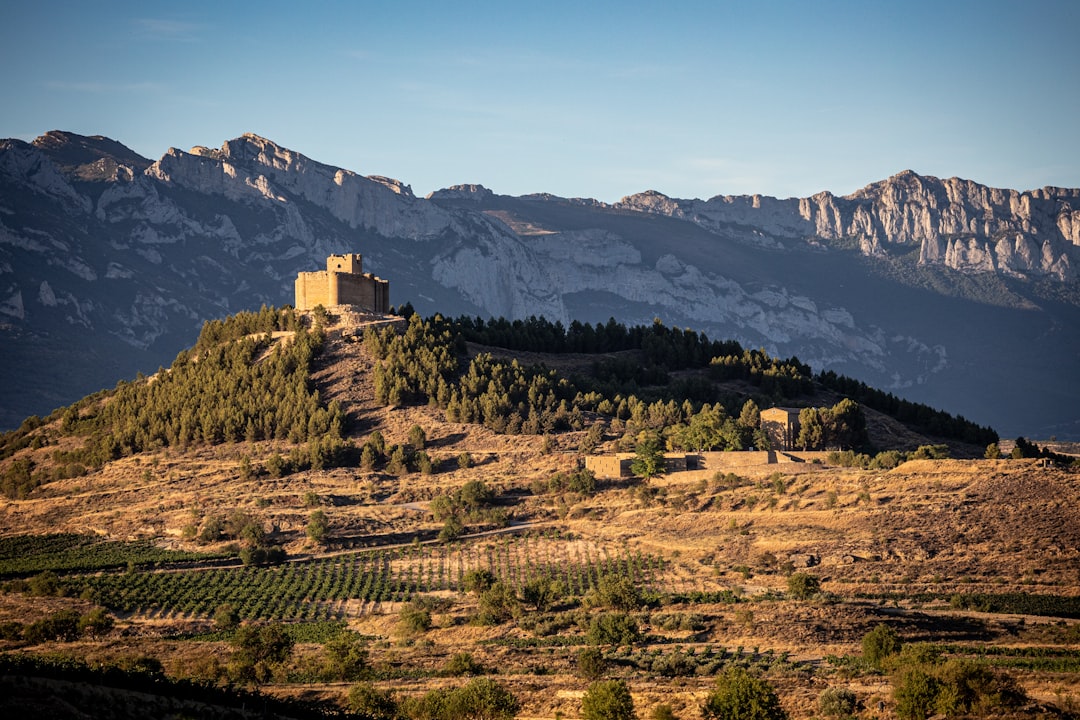
Rioja vs Ribera del Duero: Same Grape, Wildly Different Wines
Both use Tempranillo, but one is silky and oak-kissed while the other is dark and powerful. Find out which suits your palate — and which bottles are actually worth the price.
Quick Answer
Rioja produces elegant, silky Tempranillo with bright cherry fruit, vanilla-and-leather character from American oak, and a well-established aging classification (Joven through Gran Reserva). Ribera del Duero, at higher altitude with extreme continental climate, produces darker, more concentrated Tempranillo with blackberry fruit, French oak spice, and a powerful tannic structure. Rioja emphasizes elegance and tradition; Ribera del Duero emphasizes intensity and modernity.
Side-by-Side Comparison
| Attribute | Rioja | Ribera del Duero |
|---|---|---|
| Body | Medium to medium-full | Full and concentrated |
| Tannins | Moderate, silky, and resolved in aged examples | High, firm, and structured |
| Acidity | Medium-high | Medium-high (preserved by cool nights) |
| Flavor Profile | Red cherry, strawberry, vanilla, coconut, leather, tobacco, dried herbs | Blackberry, black cherry, toast, coffee, chocolate, dried herbs, graphite |
| Best Food Pairing | Roasted lamb, jamón ibérico, Manchego, chorizo stew, grilled pork | Lechazo (suckling lamb), grilled ribeye, braised oxtail, aged hard cheeses |
| Price Range | $8-$200 (outstanding value at Reserva level) | $15-$1000+ (Vega Sicilia and Pingus at the peak) |
| Aging Potential | 5-40+ years for Gran Reserva from traditional estates | 5-40+ years for Vega Sicilia Unico; 5-20 years for most top producers |
Choose Rioja
Choose Rioja when you want an elegant, silky Spanish red with vanilla-and-leather character, outstanding value at the Reserva level, and a food-friendly profile that pairs with everything from jamón to roasted lamb.
Choose Ribera del Duero
Choose Ribera del Duero when you want a darker, more powerful Tempranillo with concentrated blackberry fruit, French oak spice, and muscular structure, ideal for grilled red meats and hearty Castilian fare.
Rioja and Ribera del Duero are Spain’s two most prestigious and celebrated red wine regions, and both build their reputations on the same grape: Tempranillo. Yet the wines they produce could hardly be more different. Rioja, with its long history and Atlantic-influenced climate, has traditionally favored American oak aging and a softer, more elegant style. Ribera del Duero, perched on a high plateau with extreme continental conditions, produces darker, more concentrated wines with a modern character shaped by French oak and intense fruit. Understanding the differences between these two regions reveals how profoundly climate, tradition, and winemaking philosophy can transform a single grape variety.
Overview of Rioja
History and Geography
Rioja is Spain’s most historic fine wine region, with a winemaking tradition stretching back centuries and formal regulation dating to 1925, when it became Spain’s first Denominacion de Origen. It achieved the higher DOCa (Denominacion de Origen Calificada) status in 1991, an honor shared only with Priorat among Spanish wine regions.
The region straddles the Ebro River in north-central Spain, extending across parts of La Rioja, Navarra, and the Basque Country. It is divided into three sub-zones:
- Rioja Alta: The western, higher-altitude zone with Atlantic climate influence. Produces the most elegant, age-worthy wines with bright acidity and finesse. Home to legendary producers like Lopez de Heredia, La Rioja Alta, and CUNE.
- Rioja Alavesa: The northern zone within the Basque Country, with chalky-clay soils and a cooler climate. Produces aromatic, structured wines. Key producers include Remelluri, Artadi, and Contino.
- Rioja Oriental (formerly Rioja Baja): The eastern, lower-altitude zone with a warmer, Mediterranean climate. Produces riper, fuller-bodied wines, often used in blends. Garnacha plays a larger role here than in the other sub-zones.
Rioja’s Grape Varieties
While Tempranillo dominates, traditional Rioja is often a blend:
- Tempranillo: The primary variety, typically comprising seventy to one hundred percent of red Rioja. Provides structure, acidity, and cherry-plum fruit.
- Garnacha (Grenache): Adds warmth, body, and red fruit generosity.
- Graciano: A minor but valued variety contributing color, acidity, and aromatic complexity.
- Mazuelo (Carignan): Adds color and tannin, used sparingly in blends.
Rioja’s Aging Classifications
Rioja’s classification system, based on aging duration, is one of the most consumer-friendly in the wine world:
- Joven: Young wine with little or no oak aging. Fresh, fruity, and meant for immediate consumption.
- Crianza: Minimum two years aging, with at least one year in oak barrels. Balanced fruit and oak character.
- Reserva: Minimum three years aging, with at least one year in oak. More complex, with integrated oak and developed fruit.
- Gran Reserva: Minimum five years aging, with at least two years in oak. Made only in exceptional vintages, these wines show deep complexity, tertiary aromas, and remarkable elegance.
Traditional Rioja Style
The defining characteristic of traditional Rioja is its use of American oak. American oak barrels contribute sweet vanilla, coconut, dill, and butterscotch notes that marry with Tempranillo’s cherry and plum fruit to create a harmonious, elegant, and distinctly recognizable style. Producers like Lopez de Heredia, whose wines age in barrel for years beyond the legal minimums, represent the pinnacle of this traditional approach. Their Vina Tondonia Gran Reserva, often released ten to fifteen years after the vintage, is one of the world’s great demonstrations of the transformative power of extended oak aging.
In recent decades, a generation of modernist Rioja producers, including Artadi, Roda, Remelluri, and Contador, have introduced French oak, single-vineyard bottlings, and shorter aging regimes that emphasize fruit purity and terroir expression. This has created a fascinating spectrum within Rioja, from the ethereal, oxidatively aged wines of Lopez de Heredia to the concentrated, site-specific wines of Artadi’s Laguardia estate.
Overview of Ribera del Duero
History and Geography
Ribera del Duero is a younger appellation, having received its DO status only in 1982, though winemaking in the region stretches back to Roman times. The region was relatively obscure until the meteoric rise of Vega Sicilia and, later, Pingus in the 1990s, which catapulted Ribera del Duero to international fame and established it as Rioja’s most serious rival for the title of Spain’s greatest red wine region.
The region occupies a high meseta (plateau) in Castilla y Leon, centered on the Duero River (which becomes the Douro in Portugal). Vineyards are planted at altitudes between 700 and 1,000 meters, making Ribera del Duero one of the highest-altitude wine regions in Europe. The extreme continental climate features blazing hot summers, bitterly cold winters, and dramatic diurnal temperature swings of twenty degrees Celsius or more during the growing season.
Ribera del Duero’s Grape Varieties
Ribera del Duero is more single-variety focused than Rioja:
- Tempranillo (locally called Tinto Fino or Tinta del Pais): The overwhelmingly dominant variety, typically comprising ninety-five to one hundred percent of the blend. The Tempranillo grown here, at high altitude and with intense sun exposure, produces a markedly different expression than in Rioja.
- Cabernet Sauvignon, Merlot, Malbec: Permitted in small percentages in blends. Vega Sicilia’s iconic Unico includes Cabernet Sauvignon in its blend, one of the few estates where non-Tempranillo varieties play a significant role.
Ribera del Duero’s Aging Classifications
Ribera del Duero uses the same aging classification system as Rioja (Joven, Crianza, Reserva, Gran Reserva) with identical minimum requirements. However, the region’s top producers often age their wines far beyond the minimums. Vega Sicilia Unico, for example, typically spends six to ten years in a combination of large oak vats and smaller barrels before release, rivaling the most extended aging regimes anywhere in the world.
Modern Ribera del Duero Style
Unlike Rioja, Ribera del Duero does not have a deeply rooted tradition of American oak aging. The region’s modern identity was forged in the era of French barriques, and most producers use new or nearly new French oak, which contributes more subtle, spicy, and toasty notes compared to American oak’s vanilla sweetness. The resulting wines tend to be darker, more concentrated, and more overtly powerful than traditional Rioja, with rich blackberry and black cherry fruit, firm tannins, and a muscular structure that reflects the extreme growing conditions.
Key producers include Vega Sicilia (whose Unico is arguably Spain’s single greatest wine), Dominio de Pingus (whose garage wine approach and tiny production command astronomical prices), Pesquera (Alejandro Fernandez’s estate that helped define the modern appellation), Hacienda Monasterio, and Emilio Moro.
Climate and Its Impact on Tempranillo
The most important factor distinguishing Rioja and Ribera del Duero is climate, which fundamentally shapes how Tempranillo expresses itself in each region.
Rioja’s Moderate Climate
Rioja benefits from a complex interplay of Atlantic, Mediterranean, and continental influences. The Sierra de Cantabria mountains to the north block the worst of the Atlantic weather, but enough maritime influence penetrates to moderate temperatures and provide reliable rainfall. This creates a relatively gentle growing season with gradual ripening, allowing Tempranillo to develop complexity while retaining bright, vibrant acidity.
The result is Tempranillo with red fruit character (cherry, strawberry, plum), moderate alcohol, elegant tannins, and an acidity profile that enables the remarkable longevity of Gran Reserva wines.
Ribera del Duero’s Extreme Climate
Ribera del Duero’s high-altitude continental climate is far more extreme. Summer daytime temperatures can exceed forty degrees Celsius, while nighttime temperatures plunge to fifteen degrees or lower. This dramatic diurnal variation is crucial: the hot days develop intense color, concentration, and sugar (and thus alcohol), while the cool nights preserve acidity and freshness that would otherwise be lost.
The result is Tempranillo with darker, more intense fruit (blackberry, black cherry, black plum), higher alcohol, firmer tannins, and a denser, more muscular structure. The wines have an intensity and concentration that can be startling, particularly from old-vine vineyards where yields are naturally low.
Flavor Profile Comparison
What Does Rioja Taste Like?
Traditional Rioja, particularly Reserva and Gran Reserva, is one of the most elegant and distinctive red wine styles in the world:
- Red cherry, strawberry, and plum fruit
- Sweet vanilla, coconut, and dill from American oak
- Dried leather, tobacco leaf, and cedar
- Balsamic and herbal undertones
- Silky, resolved tannins in aged examples
- Bright, lifting acidity that keeps the wine vibrant even after decades
- In Gran Reserva, extraordinary tertiary complexity: dried flowers, potpourri, aged leather, cigar box, and a hauntingly ethereal quality
Modern-style Rioja from producers using French oak tends to show darker fruit, spicier oak influence, and a more structured tannic profile, though the best examples retain the region’s hallmark elegance.
What Does Ribera del Duero Taste Like?
Ribera del Duero offers a more powerful, intense expression of Tempranillo:
- Blackberry, black cherry, and black plum fruit
- Toasted oak, coffee, chocolate, and sweet spice from French barrels
- Dried herbs (thyme, rosemary), black pepper
- Firm, structured tannins with a chalky, mineral quality
- Rich, concentrated mouthfeel with higher alcohol
- Earthy undertones of iron, graphite, and dried earth
- In top examples, remarkable depth and persistence, with flavors that evolve for minutes after swallowing
Oak Styles: American vs French
The choice of oak is one of the most immediate stylistic differences between the two regions and shapes the drinking experience significantly.
American oak (Quercus alba), traditionally favored in Rioja, has a wider grain and higher concentration of lactones, compounds that produce the sweet vanilla, coconut, and dill aromas that define classic Rioja. The wood is also more porous, allowing greater oxygen exchange and a slightly faster aging trajectory. Traditional Rioja producers may age their wines in American oak for five, ten, or even fifteen years, producing wines of remarkable complexity and ethereal delicacy.
French oak (Quercus petraea and Quercus robur), predominant in Ribera del Duero, has a tighter grain and contributes more subtle, spicy, and toasty flavors: clove, cinnamon, toast, coffee, and sweet smoke. French oak allows less oxygen exchange, preserving more primary fruit character and producing a wine that feels tighter, darker, and more modern in style.
This oak distinction is not absolute. Many Rioja producers now use French oak exclusively, and some Ribera del Duero estates incorporate American oak. But the general tendency holds true and remains one of the most reliable guides for understanding the stylistic divide.
Price and Value
Both regions offer wine across a wide price spectrum, though the peaks differ:
- Rioja Joven and Crianza: Eight to twenty dollars, offering outstanding everyday value.
- Rioja Reserva: Fifteen to forty dollars, arguably the sweet spot for quality and value in Spanish wine.
- Rioja Gran Reserva: Thirty to eighty dollars for traditional estates; one hundred to two hundred dollars for the most prestigious bottlings.
- Ribera del Duero Crianza: Fifteen to thirty dollars, solidly made and concentrated.
- Ribera del Duero Reserva: Thirty to seventy dollars, with the intensity and structure that define the region.
- Top Ribera del Duero: One hundred to five hundred dollars for Vega Sicilia Unico; Pingus commands one thousand dollars or more.
For sheer value, Rioja Reserva is difficult to beat anywhere in the fine wine world. A twenty-five dollar Reserva from CUNE, Muga, or La Rioja Alta offers complexity, elegance, and drinking pleasure that competes with wines costing twice as much from other regions.
Food Pairing
Pairing with Rioja
Rioja’s elegance, moderate tannins, and bright acidity make it one of Spain’s most versatile food wines:
- Roasted lamb (cordero asado is the classic pairing in northern Spain)
- Jamón ibérico and cured meats
- Manchego cheese at various ages
- Pimientos del piquillo stuffed with cod
- Chorizo and lentil stew
- Grilled pork chops
- Paella with meat (particularly with Reserva)
- Mushroom-based dishes, especially wild mushrooms
Pairing with Ribera del Duero
Ribera del Duero’s power and concentration demand hearty, robust fare:
- Lechazo (roasted suckling lamb), the iconic dish of Castilla y Leon
- Grilled ribeye and T-bone steaks
- Morcilla (blood sausage) and other rich charcuterie
- Cochinillo (roast suckling pig)
- Bean stews with chorizo and pork
- Aged hard cheeses like Zamorano and old Manchego
- Braised oxtail and slow-cooked beef cheeks
Aging Potential
Both regions produce wines built for long cellaring, though the aging trajectories differ.
Rioja Gran Reserva from traditional producers is among the most gracefully aging wine in the world. Bottles from the 1960s and 1970s by Lopez de Heredia, CUNE, and La Rioja Alta remain vibrant and complex today, demonstrating Tempranillo’s capacity for extraordinary longevity when combined with extended American oak aging. A well-stored Gran Reserva can improve for twenty to forty years.
Ribera del Duero’s top wines also age beautifully, though the aging profile is different. The concentrated fruit and firm tannins of young Ribera del Duero soften and integrate over ten to twenty years, developing complexity without losing their fundamental power. Vega Sicilia Unico from great vintages has demonstrated an ability to age for forty years or more, evolving from a muscular, concentrated young wine into something approaching the ethereal complexity of aged Rioja but with a darker, more intense character.
Which Should You Choose?
- Choose Rioja when you want an elegant, silky Spanish red with bright acidity, gentle tannins, and the distinctive vanilla-and-leather character of American oak aging. Rioja is supremely food-friendly, represents extraordinary value at the Reserva level, and ages with ethereal grace. It is the ideal introduction to serious Spanish wine.
- Choose Ribera del Duero when you want a darker, more powerful, and more intensely concentrated expression of Tempranillo. Its muscular structure, French oak spice, and blackberry-rich fruit make it ideal for grilled red meats and hearty dishes. The top estates produce some of Spain’s most prestigious and cellar-worthy wines.
Tasting both regions side by side, a Rioja Reserva next to a Ribera del Duero Reserva, is one of the most illuminating exercises in Spanish wine. The same grape, transformed by altitude, climate, and oak choice, produces two compelling but fundamentally different visions of what great Spanish red wine can be.
Explore Spanish Wine with Sommo
Spain’s diverse wine landscape is endlessly rewarding, and Sommo helps you navigate it with confidence. Scan any bottle of Rioja or Ribera del Duero with the AI-powered label scanner to instantly understand its aging classification, grape composition, producer background, and ideal food pairings. Track your Spanish wine discoveries in your personal journal, compare Reservas and Gran Reservas across regions and vintages, and deepen your knowledge with structured learning modules on Tempranillo and Spain’s great wine regions. Download Sommo and let every glass of Spanish wine teach you something new.
Taste the difference yourself
Scan both bottles, compare your tasting notes, and find what you actually prefer.