Rioja is usually the rounder, oak shaped red, led by Tempranillo and suited to roast lamb, pork and mature cheese. Chianti is the brighter, more acidic red, led by Sangiovese and built for tomato, herbs and olive oil. Choose Rioja when smoothness and savoury development appeal. Choose Chianti for pasta, pizza and dishes where acidity must keep pace with tomato.Quick answer
Side by side.
| Attribute | Rioja | Chianti |
|---|---|---|
| Body | Medium to full | Medium |
| Tannin | Medium, softening with age | Medium plus and fine |
| Acidity | Medium | High |
| Sweetness | Dry | Dry |
| Typical alcohol | 13 to 14.5% | 12.5 to 14.5% |
| Flavour profile | Cherry, plum, vanilla, leather, tobacco | Sour cherry, red plum, herbs, earth |
| Serving temperature | 60 to 64F (16 to 18C) | 60 to 64F (16 to 18C) |
| Price range | $10 to $80, mature releases higher | $10 to $70, Gran Selezione higher |
| Best food pairing | Roast lamb and pork | Tomato pasta, pizza and herbs |
Taste profile, side by side.
Rioja or Chianti: what is for dinner?
When to choose which.
Rioja
Choose Rioja for rounded red fruit, oak derived savour and roast meat, particularly when Crianza or Reserva ageing has softened the wine.
Chianti
Choose Chianti for high acidity, sour cherry and a natural fit with tomato, herbs, pizza and pasta.
Rioja is usually the rounder, oak shaped red, led by Tempranillo and suited to roast lamb, pork and mature cheese. Chianti is the brighter, more acidic red, led by Sangiovese and built for tomato, herbs and olive oil. Choose Rioja when smoothness and ageing appeal; choose Chianti when the meal needs freshness more than weight.
The Difference at a Glance
| Question | Rioja | Chianti |
|---|---|---|
| Country | Spain | Italy |
| Main grape | Tempranillo | Sangiovese |
| Typical shape | Round, savoury, often oak led | Bright, cherry driven, high in acidity |
| Tannin | Medium, softening with age | Medium to high, fine and food focused |
| Best pairing | Lamb, pork, mushrooms | Tomato pasta, pizza, roast herbs |
| Label clue | Crianza, Reserva, Gran Reserva | Chianti, Classico, Riserva, Gran Selezione |
Rioja: Time and Oak on the Label
Rioja is a region, not a grape. Red Rioja often centres on Tempranillo, supported by varieties such as Garnacha, Graciano and Mazuelo. The familiar profile is red cherry and plum with vanilla, cedar, leather or tobacco as oak and bottle age develop.
Ageing words have regulated meaning. The Rioja regulatory council states that red Crianza receives at least two years of ageing, including one year in 225 litre oak barrels. Reserva and Gran Reserva require longer combined barrel and bottle ageing. These terms help predict maturity, but they do not rank every wine by quality.
Chianti: Sangiovese and Acidity
Chianti comes from Tuscany and is based on Sangiovese. Expect sour cherry, red plum, dried herbs and a savoury edge, with high acidity and present tannin. Chianti Classico is a distinct historic zone with the black rooster seal, not simply a superior version of every wine called Chianti.
The Chianti Classico consortium requires at least 80% Sangiovese and permits 100%. Its hierarchy includes Annata, Riserva and Gran Selezione. The last category uses estate grapes and longer cellar ageing, but the style remains recognisably driven by Sangiovese.
The Food Decision
Chianti wins with tomato. Tomato sauce is acidic, so a low acid red tastes flat beside it. Sangiovese keeps pace with lasagne, ragù, pizza and aubergine parmigiana while its herbal character meets oregano, basil and rosemary. The lasagne pairing guide gives branches for beef, vegetable and white sauce versions.
Rioja wins with roast meat. Crianza suits pork, sausages and grilled dishes; Reserva has the savoury maturity for lamb; Gran Reserva deserves a simpler plate that does not bury its detail. The lamb pairing guide explains how cut and sauce alter the choice.
Price and Serving
Rioja can offer unusual value because producers release many wines after meaningful cellar ageing. Chianti offers its value through freshness and compatibility with everyday cooking. At entry level, choose a younger Rioja for fruit or a straightforward Chianti for pizza. At the next tier, compare Rioja Reserva with Chianti Classico Riserva based on the meal, not the prestige word.
Serve both around 16 to 18 degrees Celsius. Decant a young, firm Chianti for 30 minutes. Mature Rioja needs gentler handling and may only need sediment removed.
Do Not Equate Similar Ageing Words
Reserva and Riserva look like translations, but each belongs to its own appellation rules. Rioja categories regulate minimum ageing across barrel and bottle. Chianti Classico categories have their own production and release requirements, and Gran Selezione adds an estate grape condition. Treat the words as regional instructions, not a universal quality ladder. A younger wine from an excellent site and producer can outperform a formally older category.
For a fair tasting, compare Rioja Crianza and Chianti Classico Annata from the same vintage and price band. Then compare Reserva with Riserva. The first pair shows the grape and regional contrast most clearly; the second shows how maturation changes texture and savoury flavour. Taste with plain roast meat and tomato sauce. Rioja should gain with meat and oak friendly flavours, while Chianti should become more complete beside tomato. The experiment explains why the best bottle depends on dinner even when one costs more.
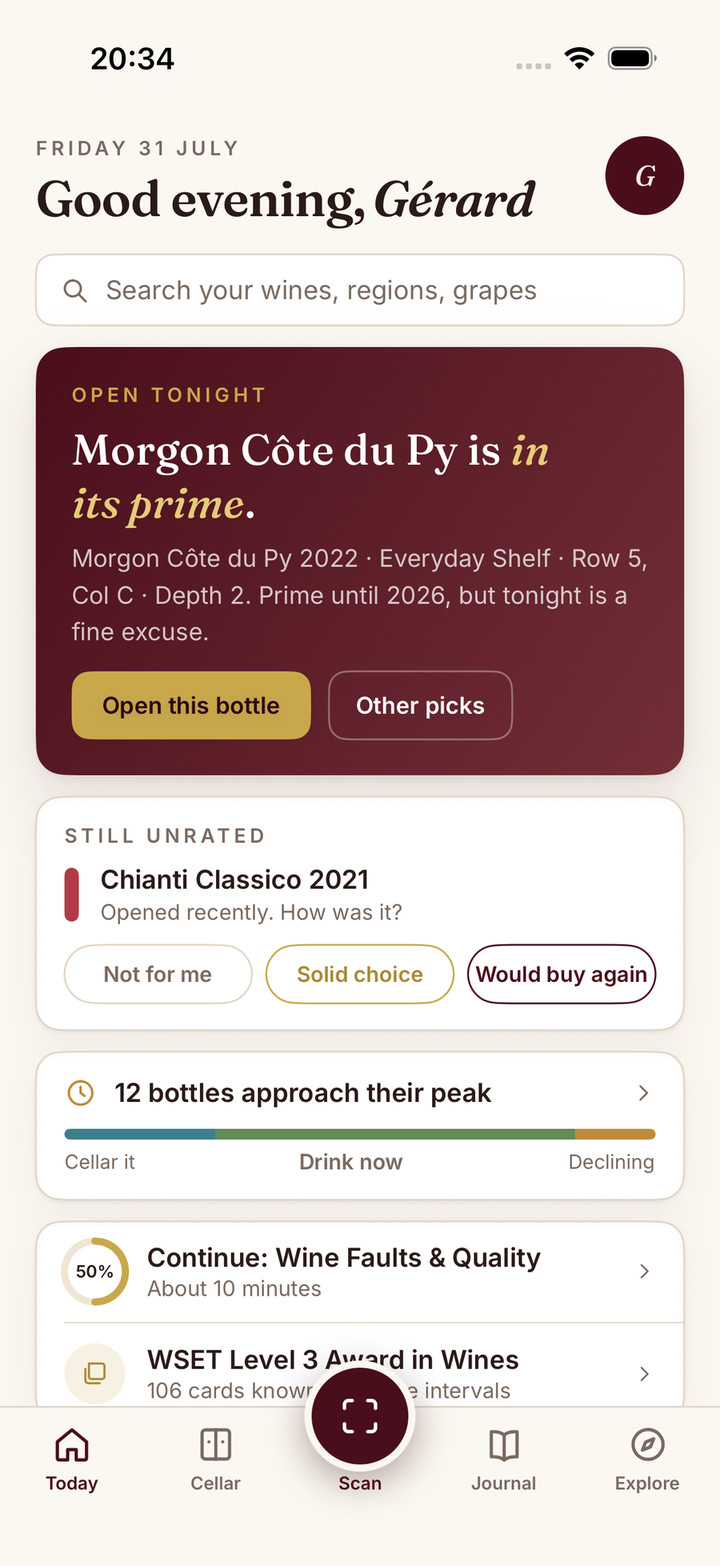
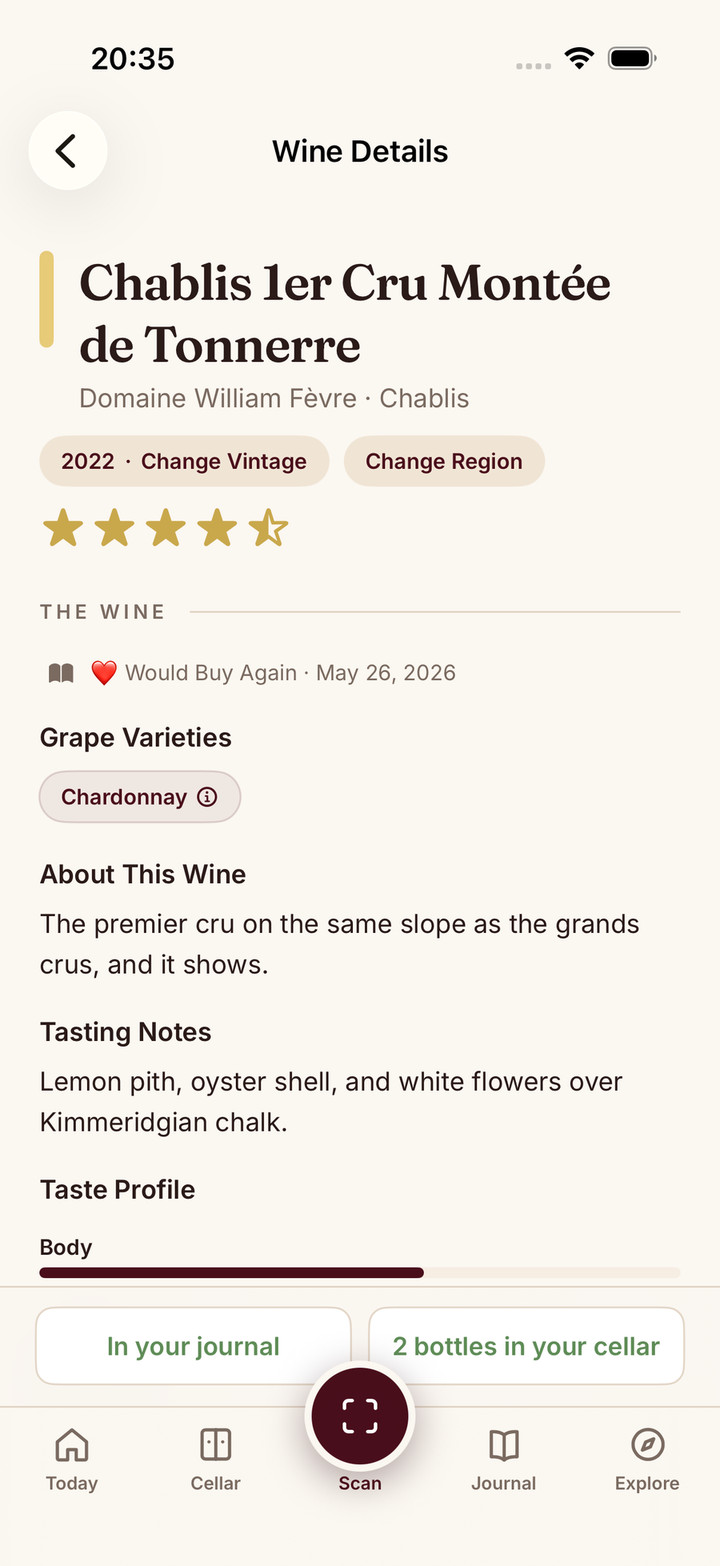
Explore with Sommo
Scan the label in Sommo to decode the region, ageing term and likely drinking window, then log how the wine behaved with dinner. Download Sommo and turn Crianza, Riserva and Reserva into useful choices rather than decoration.