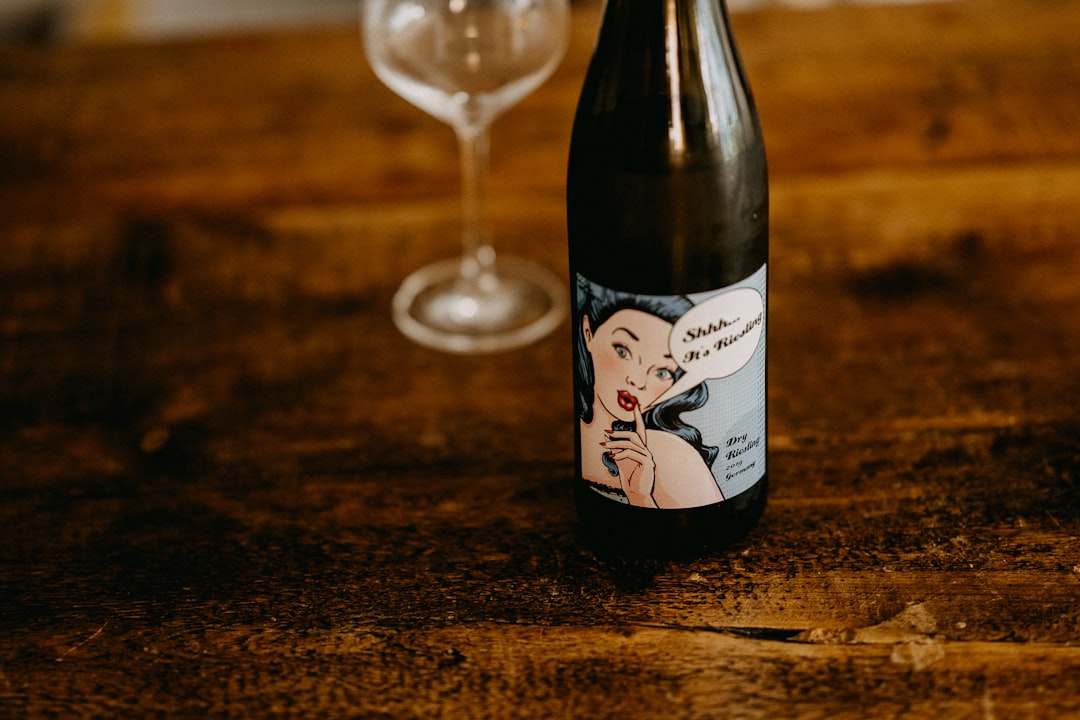
Riesling vs Chardonnay: Key Differences, Taste & Which to Buy
One is electric and precise, the other rich and creamy. Riesling vs Chardonnay explained — flavour profiles, food pairings, and the sweetness myth debunked.
Quick Answer
Riesling is highly aromatic with electric acidity, ranging from bone-dry to lusciously sweet, with flavors of lime, peach, and petrol with age. Chardonnay is fuller-bodied and more neutral aromatically, acting as a canvas for winemaking decisions like oak aging and malolactic fermentation. Riesling is never oaked; Chardonnay frequently is.
Side-by-Side Comparison
| Attribute | Riesling | Chardonnay |
|---|---|---|
| Body | Light to medium | Medium to full |
| Tannins | N/A (white wine) | N/A (white wine) |
| Acidity | Very high (balances residual sugar brilliantly) | Medium (lower after malolactic fermentation) |
| Flavor Profile | Lime, green apple, peach, jasmine, petrol, slate, honey (when sweet) | Apple, pear, butter, vanilla, tropical fruit (oaked); citrus, mineral (unoaked) |
| Best Food Pairing | Thai curry, spicy Sichuan, pork schnitzel, smoked fish, Indian cuisine | Lobster, roast chicken, creamy risotto, rich fish, brie |
| Price Range | $8-$150+ (German Trockenbeerenauslese reaches $500+) | $10-$200+ (White Burgundy Grand Cru at the top) |
| Aging Potential | 5-30+ years; one of the longest-lived white varieties | 2-10 years; top Burgundy ages 20+ years |
Choose Riesling
Choose Riesling when you want a vibrant, aromatic white for spicy food, Asian cuisine, or when you appreciate electric acidity and the full spectrum from dry to sweet.
Choose Chardonnay
Choose Chardonnay when you want a richer, fuller-bodied white for lobster, creamy dishes, or roast chicken, especially if you enjoy oaky, buttery flavors or elegant Burgundy styles.
Riesling and Chardonnay are often cited as the world’s two greatest white grape varieties, yet they produce wines of profoundly different character. Chardonnay is the world’s most popular white wine, beloved for its versatility and crowd-pleasing richness. Riesling, while less widely planted, commands enormous respect among sommeliers, critics, and serious wine enthusiasts for its piercing purity, extraordinary aging potential, and ability to express terroir with unmatched precision. Comparing these two grapes illuminates the full spectrum of what white wine can be.
At a Glance
| Riesling | Chardonnay | |
|---|---|---|
| Origin | Germany (Rhine, 15th century) | France (Burgundy) |
| Sweetness | Dry to intensely sweet | Almost always dry |
| Oak use | Rarely oaked | Frequently oaked |
| Acidity | Very high | Moderate |
| Body | Light to medium | Light to full |
| Best regions | Mosel, Alsace, Clare Valley | Burgundy, Napa, Champagne |
| Aging potential | 20–50+ years (top wines) | 3–20 years (style-dependent) |
| Entry-level price | $12–25 | $15–25 |
| Beginner friendliness | ★★★☆☆ (rewarding once you get it) | ★★★★☆ (immediately approachable) |
Origins and Heritage
Riesling
Riesling’s documented history dates to the fifteenth century in the Rhine region of Germany, though it is likely much older. The grape has been the pride of German winemaking for centuries and is considered the noblest expression of the country’s cool-climate terroir. From the precipitous slate slopes of the Mosel to the warmer, richer soils of the Pfalz and Rheingau, Riesling has defined German wine culture.
Beyond Germany, Riesling thrives in Alsace (France), Austria, Australia’s Clare and Eden Valleys, and parts of the United States, particularly the Finger Lakes of New York and Washington State. Despite its critical acclaim, Riesling has faced a persistent image problem among casual wine drinkers who mistakenly assume all Riesling is sweet. In reality, the grape produces everything from bone-dry to lusciously sweet wines, and some of the world’s finest dry whites are Rieslings.
Chardonnay
Chardonnay originated in Burgundy, where DNA analysis revealed it to be a natural cross between Pinot Noir and Gouais Blanc. It has been the dominant white grape of Burgundy for centuries, producing the legendary wines of Chablis, Meursault, Puligny-Montrachet, and Corton-Charlemagne. Chardonnay is also the most important white grape in Champagne, forming the basis of Blanc de Blancs.
Chardonnay’s remarkable adaptability has made it the most widely planted white grape in the world. It grows successfully in virtually every wine-producing country, from the cool climates of Burgundy and Tasmania to the warm valleys of California and Chile. This global success is both its strength and, for some critics, its weakness: Chardonnay’s neutral character means it can be heavily shaped by winemaking choices, sometimes at the expense of varietal identity.
Grape Characteristics
Riesling in the Vineyard
Riesling is a late-ripening variety that thrives in cool climates with long, slow growing seasons. It is hardy and cold-resistant, capable of withstanding harsh winters that would damage more delicate varieties. The grape has a remarkable ability to retain high natural acidity even at full ripeness, a quality that is central to its character and aging potential.
Riesling is deeply site-sensitive. It performs best on steep, well-drained slopes with poor, mineral-rich soils such as slate, limestone, granite, and volcanic rock. The grape transmits the character of these soils into the wine with extraordinary fidelity, making Riesling one of the most transparent terroir indicators in the wine world.
Chardonnay in the Vineyard
Chardonnay is an early-budding, early-ripening variety that adapts to a wide range of climates and soil types. Unlike Riesling, Chardonnay is relatively neutral in aromatic character, which means the winemaker’s decisions about oak, malolactic fermentation, and lees aging have a profound impact on the finished wine.
This malleability is Chardonnay’s defining trait. In the hands of a skilled winemaker, Chardonnay can become a vehicle for expressing either terroir or technique, and the best examples achieve a seamless integration of both.
Flavor Profiles
What Does Riesling Taste Like?
Riesling’s flavor profile is defined by its crystalline purity and electric acidity:
- Dry Riesling: Citrus (lime, lemon, grapefruit), green apple, white peach, and stone fruit. Mineral notes of wet slate, crushed stone, and flint are often prominent. With age, dry Riesling develops extraordinary complexity: petrol, honey, lanolin, dried apricot, and beeswax.
- Off-dry Riesling (Kabinett, Spatlese): The same fruit and mineral characteristics with added sweetness that is balanced by bracing acidity. These wines often show tropical fruit notes of passionfruit and mango alongside the classic citrus.
- Sweet Riesling (Auslese, Beerenauslese, Trockenbeerenauslese): Concentrated apricot, honey, orange marmalade, and candied citrus with unctuous sweetness balanced by razor-sharp acidity. These are among the world’s greatest dessert wines.
- Alsatian Riesling: Typically dry with more body and richness than German examples, showing ripe stone fruit, ginger, and spice alongside the hallmark acidity.
What Does Chardonnay Taste Like?
Chardonnay’s flavor depends heavily on where it is grown and how it is made:
- Cool-climate, unoaked (Chablis): Green apple, lemon, chalk, oyster shell, and wet stone. These are lean, mineral, and precise, with no oak influence.
- Cool-climate, oaked (Cote de Beaune): White peach, citrus, hazelnut, butter, brioche, and honey. Malolactic fermentation and barrel aging add richness while retaining elegance and structure.
- Warm-climate, oaked (Napa, parts of Australia): Tropical fruit (pineapple, mango, papaya), vanilla, butterscotch, toasted oak, and cream. These are full-bodied, opulent wines with a generous, mouth-coating texture.
- Sparkling (Champagne Blanc de Blancs): Citrus, green apple, chalk, toast, and brioche. The most elegant and age-worthy style of Champagne.
Oak: The Great Divider
The relationship between these two grapes and oak is one of the most important distinctions:
Riesling is almost never aged in oak. The grape’s delicate aromatics, high acidity, and mineral character are best preserved in stainless steel or neutral containers. The absence of oak allows Riesling’s pure fruit and terroir expression to shine without interference. There are rare exceptions (some Alsatian producers use large, old oak casks), but these add no discernible oak flavor to the wine.
Chardonnay has a natural affinity for oak. New French oak barrels contribute flavors of vanilla, toast, butter, and spice that integrate seamlessly with the grape’s neutral fruit character. Malolactic fermentation, which is standard for most oaked Chardonnay, converts sharp malic acid to softer lactic acid, creating the buttery quality that many Chardonnay drinkers love. However, the trend over the past two decades has been toward more restrained oak use, with many top producers reducing new oak percentages and embracing a more balanced style.
Sweetness Spectrum
Riesling’s Range
Riesling is unique among major grape varieties in its ability to produce outstanding wines across the entire sweetness spectrum. German Riesling is classified by ripeness level at harvest:
- Trocken (dry): No perceptible sweetness
- Halbtrocken/Feinherb (off-dry): Slight sweetness balanced by acidity
- Kabinett: Light-bodied, low alcohol, delicately sweet or dry
- Spatlese: More intense, sweet or dry, from late-harvested grapes
- Auslese: Rich, from selected bunches of very ripe grapes
- Beerenauslese (BA): Very sweet, from individually selected botrytised berries
- Trockenbeerenauslese (TBA): Intensely sweet, from shriveled, botrytised berries. Among the world’s rarest and most expensive wines.
- Eiswein (Ice Wine): Sweet wine from grapes frozen on the vine
Chardonnay’s Range
Chardonnay is almost exclusively made in a dry style. The perception of sweetness in some Chardonnays comes from ripe fruit flavors, alcohol, and oak-derived vanilla rather than actual residual sugar. The only truly sweet expressions of Chardonnay are rare late-harvest bottlings and some sparkling wines labeled Demi-Sec.
Acidity and Structure
Acidity is where Riesling and Chardonnay diverge most dramatically. Riesling is one of the highest-acid white grape varieties, and this acidity is the key to its extraordinary aging potential and its ability to balance residual sugar. Even the sweetest Rieslings feel vibrant and refreshing rather than cloying, because the acidity provides a counterweight to the sugar.
Chardonnay has moderate natural acidity that varies with climate. Cool-climate Chardonnay (Chablis, Champagne) retains crisp, bright acidity, while warmer-climate examples lose acidity during ripening. Malolactic fermentation further reduces acidity in most oaked Chardonnays, contributing to their rounder, softer profile.
Food Pairing
Pairing with Riesling
Riesling is widely considered the most food-versatile white wine in the world:
- Dry Riesling: Sushi and sashimi, Thai cuisine, Vietnamese pho, grilled white fish, pork schnitzel
- Off-dry Riesling: Spicy Asian food (the sweetness tempers the heat beautifully), Indian curries, Moroccan tagine, smoked salmon
- Sweet Riesling: Foie gras, blue cheese, fruit-based desserts, spicy dishes
- Riesling’s high acidity makes it remarkably effective at cutting through rich, oily, or spicy foods. Sommeliers frequently reach for Riesling when confronted with difficult food-pairing challenges.
Pairing with Chardonnay
Chardonnay’s pairing versatility depends on its style:
- Unoaked Chardonnay: Raw oysters, steamed mussels, light salads, fresh seafood
- Lightly oaked Chardonnay: Roasted chicken, lobster, cream-based pasta, grilled fish with butter sauce
- Full oaked Chardonnay: Butter-poached lobster, rich risotto, roast pork, creamy cheeses
The key is matching the wine’s weight to the dish. Light Chardonnay with light food, rich Chardonnay with rich food.
Aging Potential
Riesling is one of the most age-worthy white wines in existence. Top dry Rieslings from the Mosel, Rheingau, and Alsace can age for twenty to forty years, developing the famous petrol (kerosene) note along with honeyed, lanolin-rich complexity. Sweet Rieslings at the BA and TBA level can age for fifty years or more, with the acidity preserving freshness even as the wine develops extraordinary depth.
Chardonnay ages well in its finest expressions, particularly Grand Cru Burgundy and top Champagne Blanc de Blancs. These wines can develop for ten to twenty years, gaining nutty, honeyed complexity. However, the majority of Chardonnay is made for immediate consumption and is best within three to five years of release.
Price and Value
Both varieties offer excellent value at the entry level. German Kabinett and Spatlese Rieslings from good producers are among the world’s greatest wine bargains, with outstanding bottles available for twelve to twenty-five dollars. Alsatian and Australian Rieslings also offer strong value.
Chardonnay’s value equation depends on style and origin. Excellent unoaked Chardonnay from Chablis, Macon, Chile, and Australia can be found for fifteen to twenty-five dollars. At the premium end, Grand Cru Burgundy Chardonnays are among the world’s most expensive white wines, with bottles from Le Montrachet and Corton-Charlemagne reaching several hundred to several thousand dollars.
Which Should You Choose?
- Choose Riesling if you value purity, acidity, terroir expression, and aging potential. It is the thinking person’s white wine, rewarding attention and offering extraordinary food-pairing versatility. If you think you do not like Riesling because it is sweet, try a dry (Trocken) example from a quality German producer. It may change your perspective entirely.
- Choose Chardonnay if you enjoy white wines with body, richness, and the potential for oak-influenced complexity. Its range of styles means there is a Chardonnay for virtually every preference, from steely Chablis to creamy California bottlings.
Both grapes represent the pinnacle of white winemaking, and exploring the full range of each is one of the great pleasures of wine education.
Frequently Asked Questions
Is Riesling sweeter than Chardonnay?
Not necessarily. Riesling exists across the full sweetness spectrum — from bone-dry (Trocken) to intensely sweet (Trockenbeerenauslese) — while Chardonnay is almost always made dry. A dry German Riesling or Alsatian Riesling is no sweeter than Chardonnay. The stereotype comes from mass-market off-dry styles. Check the label: ‘Trocken’ means dry.
Which is better for beginners — Riesling or Chardonnay?
Chardonnay is the easier entry point for most beginners. It’s neutral, widely available, and its fruit-forward warmth (especially from California) is immediately approachable. Riesling rewards attention more — its acidity and aromatic precision are exciting once you’re looking for them, but can feel austere on a first try. Start with an off-dry Spätlese if you want to ease into the grape.
What does Riesling taste like compared to Chardonnay?
Riesling is lighter, crisper, and more aromatic — citrus, peach, apricot, and a signature mineral or petrol note in older wines. Chardonnay is rounder and richer, with apple, pear, and (when oaked) vanilla, butter, and brioche. The clearest contrast: a Mosel Riesling is electric and precise; a Napa Chardonnay is opulent and creamy. They’re about as different as two white wines can be.
Which ages better — Riesling or Chardonnay?
Riesling ages better. Top dry Rieslings from the Mosel and Alsace can develop beautifully for twenty to forty years, gaining complexity while retaining freshness thanks to their high natural acidity. Grand Cru Burgundy Chardonnay also ages magnificently for ten to twenty years, but most Chardonnay worldwide is made for drinking within three to five years.
Does Riesling go with food better than Chardonnay?
Riesling has a broader food-pairing range. Its high acidity and range of sweetness levels make it extraordinary with spicy food, rich dishes, and Asian cuisine. Off-dry Riesling with Thai green curry is one of the great food-and-wine matches. Chardonnay excels with cream sauces, seafood, and poultry — but it’s less versatile across cuisines.
Explore Riesling and Chardonnay with Sommo
Whether you are a Riesling devotee or a Chardonnay loyalist, Sommo helps you understand and appreciate both at a deeper level. Scan any white wine label with the AI-powered scanner to instantly decode its style, sweetness level, and terroir. Track your tastings in your personal journal, discover patterns in your preferences, and explore structured learning modules that cover the world’s great white wine regions and grape varieties. From your first sip to your hundredth bottle, Sommo makes every glass a learning experience. Download the app today and elevate your white wine journey.
Frequently Asked Questions
Not necessarily. Riesling exists across the full sweetness spectrum — from bone-dry (Trocken) to intensely sweet (Trockenbeerenauslese) — while Chardonnay is almost always made dry. A dry German Riesling or Alsatian Riesling is no sweeter than Chardonnay. The stereotype that Riesling is sweet comes from mass-market off-dry styles. Always check the label: 'Trocken' means dry, 'Brut' or similar means you're in Champagne territory.
Chardonnay is the easier entry point for most beginners. It's neutral, widely available, and its fruit-forward warmth (especially from California) is immediately approachable. Riesling rewards attention more — its acidity and aromatic precision are exciting once you're looking for them, but can feel austere on a first try. Start with an off-dry Spätlese Riesling if you want to ease into the grape.
Riesling is lighter, crisper, and more aromatic — think citrus, peach, apricot, and a signature mineral or petrol note in older wines. Chardonnay is rounder and richer, with apple, pear, and (when oaked) vanilla, butter, and brioche. The clearest contrast: a Mosel Riesling is electric and precise; a Napa Chardonnay is opulent and creamy. They're stylistically about as different as two white wines can be.
Riesling ages better. Top dry Rieslings from the Mosel and Alsace can develop beautifully for twenty to forty years, gaining complexity (petrol, honey, lanolin) while retaining freshness thanks to their high natural acidity. Grand Cru Burgundy Chardonnay also ages magnificently for ten to twenty years, but most Chardonnay worldwide is made for drinking within three to five years.
Riesling has a broader food-pairing range. Its high acidity and range of sweetness levels make it extraordinary with spicy food, rich dishes, Asian cuisine, and anything oily or pungent. Off-dry Riesling with Thai green curry or Indian spices is one of the great food-and-wine matches. Chardonnay is excellent too — especially with cream sauces, seafood, and poultry — but it's less versatile across cuisines.
Taste the difference yourself
Scan both bottles, compare your tasting notes, and find what you actually prefer.