Port is the sweet one, nearly always: fortified partway through fermentation so the sugar stays, rich, red, and made for the end of the meal. Sherry is fortified after fermentation, so it starts bone dry and most of it stays that way, from saline Fino to nutty Oloroso, with syrupy Pedro Ximénez the sweet exception. That single timing difference explains almost everything else about them. Pour Port with blue cheese and chocolate; pour a cold, dry Sherry with olives, almonds, and seafood as one of the world's great aperitifs. Both deliver serious complexity for $15 to $30, some of the best value in fortified wine.Quick answer
Side by side.
| Attribute | Port | Sherry |
|---|---|---|
| Origin | Douro Valley, Portugal | Jerez, Spain |
| When fortified | During fermentation, so it stays sweet | After fermentation, so the base is bone dry |
| Sweetness | Mostly sweet | Bone dry to lusciously sweet, by style |
| Typical alcohol | 19 to 22% | 15 to 22%, Fino lowest |
| Body | Full and rich | Light Fino to full Oloroso |
| Flavor profile | Black fruit, chocolate; caramel and nut in Tawny | Almond, olive brine, walnut; dried fig in PX |
| Serving temperature | 60 to 64F (16 to 18C), Tawny cooler | 45 to 50F (7 to 10C) for Fino, warmer for Oloroso |
| Price range | $15 to $150 plus, LBV best value | $10 to $100 plus, superb value under $25 |
| Aging potential | Vintage Port 20 to 50 years; most styles drink now | Aged in the solera, not your cellar; drink fresh once opened |
Taste profile, side by side.
Which one should you open tonight?
When to choose which.
Port
Choose Port for a rich, sweet glass at the end of a meal, especially with blue cheese, dark chocolate, or by the fire in winter.
Sherry
Choose Sherry for versatility: a cold, dry Fino or Manzanilla as a savoury aperitif with food, or a sweet Pedro Ximénez for dessert.
Port and Sherry are the two most famous fortified wines in the world, and they are constantly muddled. Both are made by adding grape spirit to wine, both come from the Iberian Peninsula, and both turn up at the end of a meal. But almost everything else about them, where they are from, how they are made, and how they taste, is different. Here is how to tell them apart.
What Is Port?
Port comes from the Douro Valley in northern Portugal, one of the most dramatic vineyard landscapes on earth. It is usually a red, sweet wine made from indigenous grapes led by Touriga Nacional. The defining move is timing: the winemaker adds grape spirit partway through fermentation, which stops the yeast before it has eaten all the sugar. The result is a wine that is naturally sweet, rich and high in alcohol.
Port comes in several styles. Ruby and Late Bottled Vintage are fruity and bold; Tawny is barrel-aged to a nutty, caramelised softness; and Vintage Port, made only in the best years, can age for decades.
What Is Sherry?
Sherry comes from the Jerez region of Andalucía in southern Spain, made mostly from the white Palomino grape. Crucially, Sherry is fortified after fermentation has finished, so the base wine is bone-dry. Many Sherries stay dry; sweetness, where it exists, is added later.
Sherry’s magic lies in its ageing. Dry styles like Fino and Manzanilla mature under a protective film of yeast called flor, which keeps them pale and gives them a savoury, salty tang. Amontillado and Oloroso are aged with more oxygen, turning amber, nutty and deep. At the sweet end, Pedro Ximénez is dark and syrupy. Everything passes through the solera, a system of fractional blending across barrels of different ages.
The Key Difference
If you remember one thing, make it this: Port is fortified during fermentation, so it is sweet by nature, while Sherry is fortified after fermentation, so it starts out dry. That single difference in timing explains why Port is almost always sweet and red, and why Sherry can range from the driest aperitif imaginable to a dessert in a glass.
How to Serve Each
Serve Ruby and Vintage Port at cool room temperature, and Tawny with a slight chill. Dry Sherries are a revelation served properly cold, like a white wine: a chilled Fino or Manzanilla with olives, almonds, jamón or seafood is one of the great aperitifs. Save Pedro Ximénez and Cream Sherry, like sweet Port, for the end of the meal.
Food Pairing
Pairing with Port
- Blue cheese, above all Stilton: the canonical Port pairing
- Dark chocolate desserts and chocolate truffles
- Walnuts, dried figs, and salted almonds with an aged Tawny
- Rich fruit cake and sticky toffee pudding
Pairing with Sherry
- Olives, marcona almonds, and jamón with a cold Fino or Manzanilla
- Fried seafood and sushi: dry Sherry’s savoury tang cuts and complements
- Consommé, mushrooms, and aged hard cheeses with Amontillado and Oloroso
- Vanilla ice cream drowned in Pedro Ximénez for the easiest dessert in existence
Which Should You Choose?
For an after-dinner glass with cheese or chocolate, reach for Port. For a dry, savoury aperitif to drink with food, choose a cold Fino or Amontillado Sherry. And for pure decadence over ice cream, both a Tawny Port and a Pedro Ximénez deliver. Two fortified wines, two completely different pleasures.
Explore with Sommo
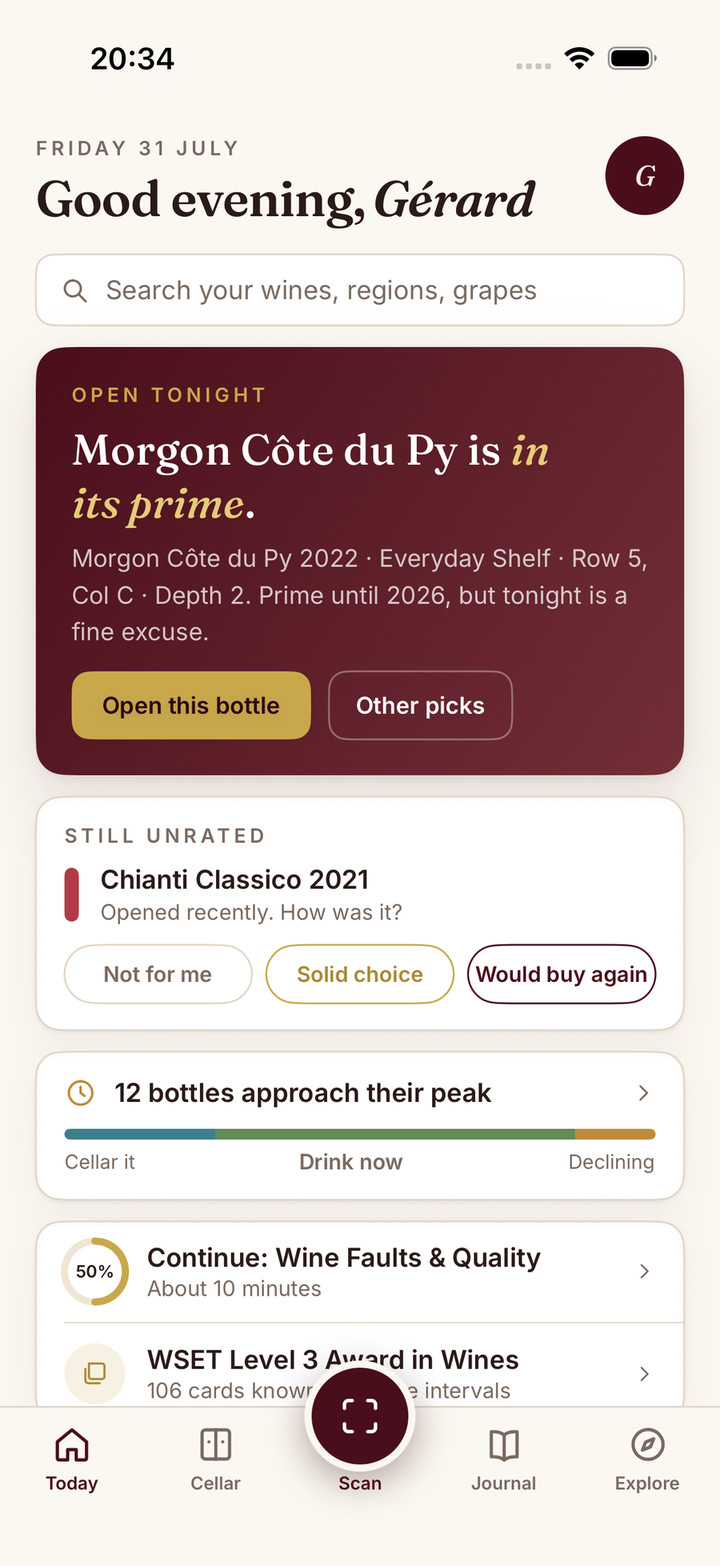
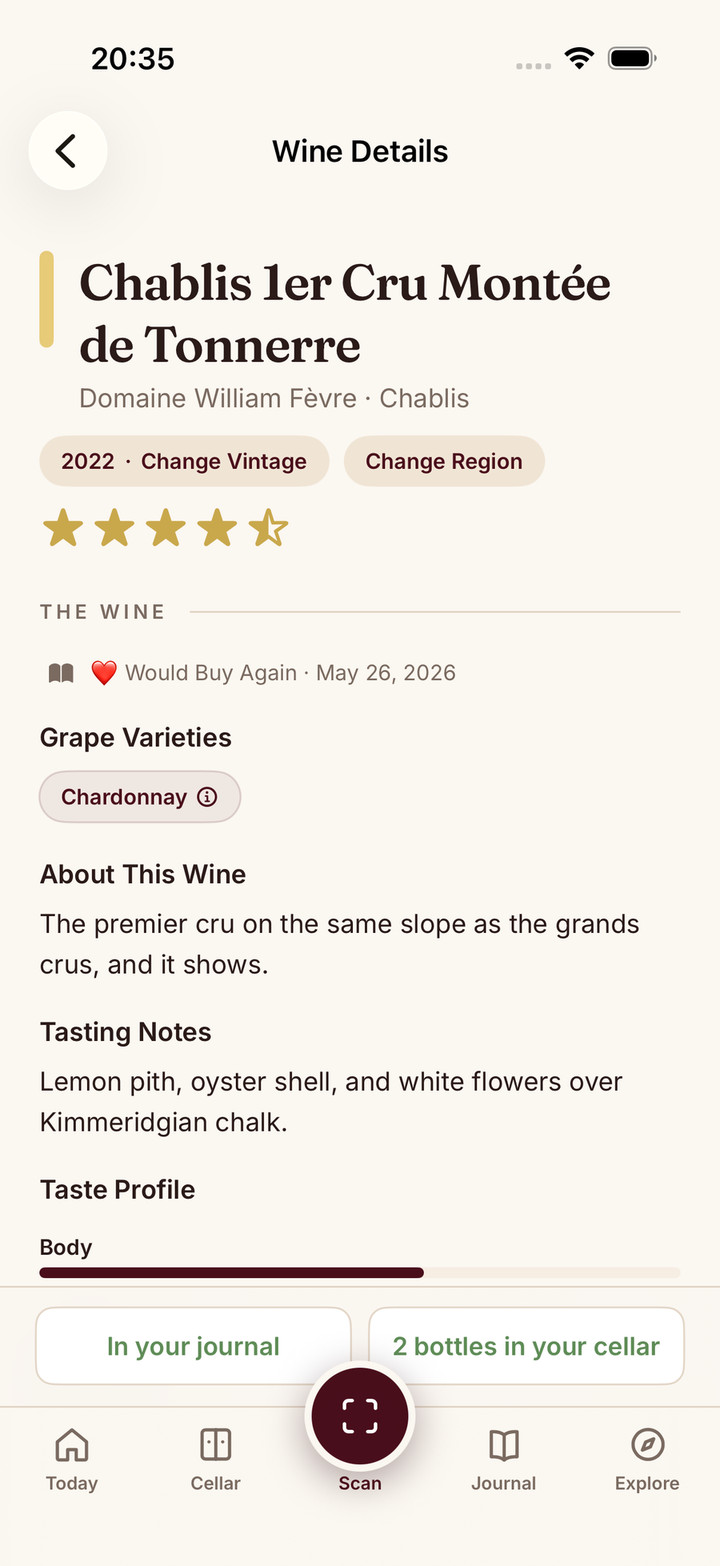
Fortified wine labels carry more history and jargon than any other shelf in the shop, and Sommo decodes them in seconds. Scan a bottle of Port or Sherry with the app’s AI scanner to learn its style, sweetness, and serving temperature, then log your favourites in your personal wine journal and explore the Douro and Jerez through the app’s learning modules. Download Sommo and give the world’s great fortified wines the attention they deserve.