Pinot Grigio vs Sauvignon Blanc Compared
Compare Pinot Grigio and Sauvignon Blanc, two popular crisp white wines. Learn how they differ in flavor, acidity, food pairings, and value.
Quick Answer
Pinot Grigio is a lighter, more neutral white wine with subtle pear, green apple, and almond flavors and a soft, silky texture. Sauvignon Blanc is more aromatic and assertive, with high acidity and vibrant grapefruit, lime, and herbaceous notes. Choose Pinot Grigio for easy-drinking simplicity and Sauvignon Blanc for bold, refreshing acidity.
Side-by-Side Comparison
| Attribute | Pinot Grigio | Sauvignon Blanc |
|---|---|---|
| Body | Light to medium | Light to medium |
| Tannins | N/A (white wine) | N/A (white wine) |
| Acidity | Medium to medium-high | High |
| Flavor Profile | Green apple, pear, lemon zest, almond, white flowers, subtle mineral | Grapefruit, lime, gooseberry, green bell pepper, freshly cut grass, passion fruit |
| Best Food Pairing | Light seafood, antipasti, risotto, chicken piccata, mild cheeses | Goat cheese, oysters, salads, sushi, asparagus, ceviche |
| Price Range | $7-$30 (excellent value from Alto Adige and Friuli) | $8-$40 (great value from New Zealand and Loire Valley) |
| Aging Potential | 1-3 years; best enjoyed young and fresh | 1-5 years; top Loire examples age longer |
Choose Pinot Grigio
Choose Pinot Grigio when you want a gentle, easy-drinking white for aperitivo, light seafood, or warm-weather sipping without aggressive aromatics.
Choose Sauvignon Blanc
Choose Sauvignon Blanc when you want a vibrant, aromatic white with zesty acidity for salads, goat cheese, seafood, or when you crave bold, refreshing flavors.
Pinot Grigio and Sauvignon Blanc are the two most frequently ordered crisp white wines in restaurants and wine shops around the world. Both are refreshing, food-friendly, and widely available at accessible prices, yet they deliver notably different drinking experiences. If you have ever stood in a wine aisle debating between the two, understanding their fundamental differences will help you choose with confidence every time.
Overview of Pinot Grigio and Sauvignon Blanc
Pinot Grigio and Sauvignon Blanc share a reputation as easy-drinking, approachable whites, but they come from distinct genetic backgrounds and winemaking traditions. Pinot Grigio is a mutation of Pinot Noir, with a grayish-pink skin that gives the grape its name (grigio meaning gray in Italian). It originated in Burgundy but found its modern identity in northeastern Italy, particularly in the Alto Adige, Friuli-Venezia Giulia, and Veneto regions.
Sauvignon Blanc, by contrast, is a green-skinned grape native to the Loire Valley and Bordeaux. It is one of the most aromatically expressive white grape varieties in the world, producing wines with unmistakable pungency and verve. While Pinot Grigio tends toward subtlety, Sauvignon Blanc practically leaps from the glass.
Grape Characteristics
Pinot Grigio
Pinot Grigio is a genetically unstable mutation of Pinot Noir, and its berries range from grayish-blue to brownish-pink depending on the clone and growing conditions. The grape ripens relatively early and performs best in cool to moderate climates where it can retain freshness. It is low in aromatic compounds compared to many other white varieties, which is precisely why winemakers prize it for producing clean, neutral wines that foreground texture over fragrance.
In the vineyard, Pinot Grigio is vigorous and can produce high yields if left unchecked. The best producers in Alto Adige and Friuli keep yields low to concentrate flavor, resulting in wines with considerably more depth and minerality than the mass-market versions from the Veneto. The grape is also grown extensively in Alsace (as Pinot Gris), where it produces a richer, more full-bodied style with notes of honey and spice.
Sauvignon Blanc
Sauvignon Blanc is one of the most recognizable grapes in the world thanks to its intensely aromatic nature. The variety contains high levels of volatile thiols and methoxypyrazines, chemical compounds responsible for its characteristic green, herbaceous, and tropical aromas. In cool climates, the pyrazines dominate, producing grassy, bell pepper, and gooseberry notes. In warmer climates, thiols take over, yielding passion fruit, guava, and grapefruit.
The grape thrives in well-drained soils and cool climates. It buds and ripens early, making it susceptible to spring frosts but capable of producing vibrant wines in regions with moderate growing seasons. Sauvignon Blanc is rarely oaked, though notable exceptions exist in Bordeaux (where it is often blended with Semillon and barrel-fermented) and in some premium Californian and New Zealand bottlings.
Flavor Profiles
What Does Pinot Grigio Taste Like?
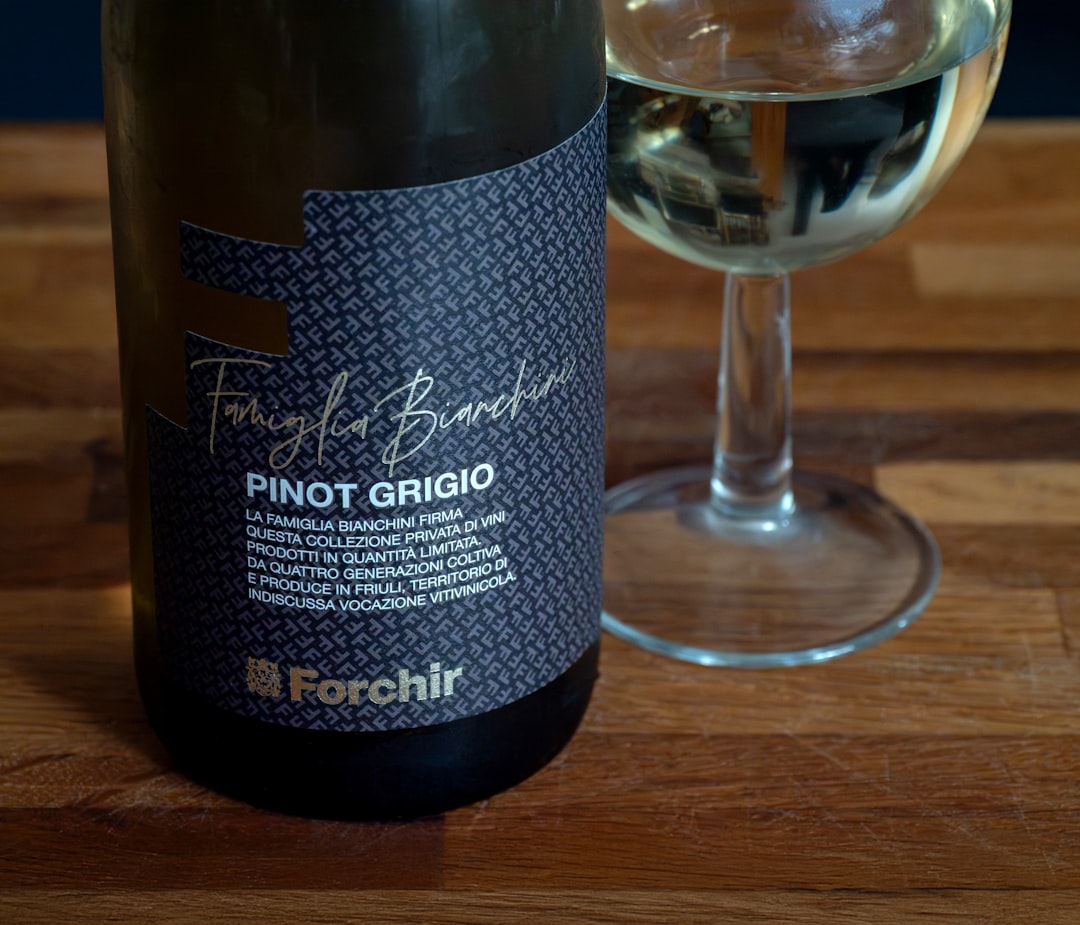
Pinot Grigio, particularly in the Italian style, is characterized by its clean, neutral profile. Expect subtle aromas of green apple, ripe pear, lemon zest, and white almond, sometimes with faint floral notes of white flowers or acacia. On the palate, it is typically light to medium-bodied with a smooth, almost silky texture and moderate acidity. The finish is clean and crisp, without the lingering intensity of more aromatic whites.
Top producers like Alois Lageder and Jermann in Friuli, or Terlano and Elena Walch in Alto Adige, produce Pinot Grigios with surprising depth, showing mineral notes of wet stone, subtle citrus pith, and a textural complexity that elevates the grape well beyond its everyday reputation. These premium examples demonstrate that Pinot Grigio, when treated seriously, can be a wine of genuine interest.
What Does Sauvignon Blanc Taste Like?
Sauvignon Blanc is one of the most immediately recognizable wines in the world. From Marlborough, New Zealand, expect explosive aromas of passion fruit, grapefruit, lime, and freshly cut grass. Loire Valley examples from Sancerre and Pouilly-Fume are more restrained, showing flinty minerality, white peach, citrus zest, and a chalky texture that reflects the region’s Kimmeridgian limestone and silex soils.
On the palate, Sauvignon Blanc is crisp, lean, and high in acidity, with a mouth-watering quality that makes it exceptionally refreshing. The wine rarely sees oak, preserving its primary fruit character and bright acidity. Top producers like Cloudy Bay and Dog Point in Marlborough, Domaine Vacheron in Sancerre, and Didier Dagueneau in Pouilly-Fume show the extraordinary range this grape can achieve, from exuberant tropical fruit to austere mineral precision.
Acidity and Body Comparison
The most significant difference between these two wines lies in their acidity profiles and aromatic intensity. Sauvignon Blanc is consistently high in acidity, delivering a sharp, refreshing bite that awakens the palate. This electric acidity is what makes it such an outstanding partner for rich or fatty foods. It cuts through richness like a knife.
Pinot Grigio has moderate to medium-high acidity, softer and less aggressive than Sauvignon Blanc. Its acidity is present but gentler, contributing to a smoother, more rounded mouthfeel. In terms of body, both wines occupy the light to medium range, though Pinot Grigio can feel slightly weightier on the mid-palate due to its softer acid structure and sometimes slightly higher residual sugar in commercial examples.
For those who find Sauvignon Blanc too sharp or assertive, Pinot Grigio offers a gentler alternative that still delivers freshness and crispness without the aggressive aromatic punch.
Key Growing Regions
Pinot Grigio Regions
- Alto Adige, Italy: The alpine vineyards of South Tyrol produce Italy’s finest Pinot Grigios, with mineral precision, bright acidity, and genuine complexity. Producers like Terlano, Elena Walch, and Nals Margreid set the standard.
- Friuli-Venezia Giulia, Italy: The Collio and Colli Orientali del Friuli zones produce rich, textured Pinot Grigios with stone fruit and almond notes. Jermann and Livio Felluga are benchmark producers.
- Veneto, Italy: The source of most commercial Pinot Grigio, producing light, easy-drinking wines at accessible prices. Quality varies widely.
- Alsace, France: Here it is called Pinot Gris and produces a dramatically different, richer style with honey, spice, and stone fruit, sometimes with residual sweetness.
- Oregon, USA: Oregon Pinot Gris tends to be more aromatic and textured than Italian versions, with pear and apple flavors and a touch of richness.
Sauvignon Blanc Regions
- Marlborough, New Zealand: The region that redefined Sauvignon Blanc for the modern world, producing intensely aromatic wines with tropical fruit, citrus, and herbaceous notes.
- Loire Valley, France: Sancerre and Pouilly-Fume produce the most elegant, mineral-driven expressions, with flinty complexity and remarkable aging potential.
- Bordeaux, France: Often blended with Semillon and sometimes barrel-fermented, producing a richer, more complex style.
- South Africa (Stellenbosch, Cape Point): Producing increasingly impressive Sauvignon Blancs that balance tropical fruit with green herbs and mineral notes.
- Chile (Casablanca Valley, Leyda): Excellent value Sauvignon Blancs with bright acidity and citrus-driven profiles.
Food Pairing
Pairing with Pinot Grigio
Pinot Grigio’s neutral, clean profile makes it an ideal aperitivo wine and a versatile partner for light cuisine:
- Seafood crudo, oysters, and grilled white fish
- Antipasti platters with prosciutto, mozzarella, and olives
- Risotto primavera or light pasta with olive oil and herbs
- Chicken piccata or veal scallopini
- Mild, fresh cheeses like burrata and ricotta
- Vietnamese and Thai salads with light dressing
The wine’s subtlety is its strength at the table. It complements food without competing for attention, making it particularly well-suited for dishes with delicate flavors that would be overwhelmed by a more aromatic white.
Pairing with Sauvignon Blanc
Sauvignon Blanc’s high acidity and aromatic intensity make it a natural match for a different set of foods:
- Goat cheese, especially chevre from the Loire Valley
- Oysters, ceviche, and shellfish
- Green salads with vinaigrette
- Sushi and sashimi
- Asparagus, which famously clashes with most wines but works beautifully with Sauvignon Blanc
- Thai green curry and other mildly spicy dishes
- Grilled fish with herbaceous sauces like chimichurri or salsa verde
The wine’s herbaceous character creates a natural bridge with green vegetables and herbs, making it one of the few wines that genuinely excels with vegetable-forward dishes.
Price and Value
Both Pinot Grigio and Sauvignon Blanc offer exceptional value across the price spectrum. Entry-level Pinot Grigio from the Veneto can be found for as little as seven to ten dollars, making it one of the most affordable whites on the market. However, these mass-market bottlings often lack character. The sweet spot for quality Pinot Grigio lies between fifteen and twenty-five dollars, where Alto Adige and Friuli producers deliver genuine complexity and minerality.
Sauvignon Blanc offers similar accessibility, with excellent New Zealand examples available for ten to fifteen dollars. Loire Valley Sauvignon Blanc from Sancerre and Pouilly-Fume starts around fifteen dollars for village wines and rises to thirty or forty dollars for top single-vineyard cuvees from producers like Dagueneau or Francois Cotat. These represent some of the most compelling white wine values in the world.
Aging Potential
Neither Pinot Grigio nor Sauvignon Blanc is typically considered a wine for long cellaring, but there are notable exceptions. Most Pinot Grigio is best consumed within one to three years of release, while its freshness and subtle fruit are at their peak. Premium examples from Alto Adige can hold for three to five years.
Sauvignon Blanc follows a similar pattern, with most bottles best enjoyed within one to three years. However, top Loire Valley examples, particularly those from Sancerre and Pouilly-Fume, can age beautifully for five to ten years, developing honey, lanolin, and nutty complexity while retaining their core minerality. Dagueneau’s Silex and Buisson Renard are legendary examples of age-worthy Sauvignon Blanc.
Which Should You Choose?
The choice between Pinot Grigio and Sauvignon Blanc comes down to your preference for subtlety versus expressiveness:
- Choose Pinot Grigio if you prefer a gentle, understated white wine for aperitivo, light seafood, or when you want something refreshing without bold aromatics. It is the ideal choice for meals where the food should be the star.
- Choose Sauvignon Blanc if you want a vibrant, aromatic wine with zesty acidity that can stand up to strong flavors like goat cheese, herbs, and citrus-driven dishes. It excels as both a standalone sipper and a dynamic food partner.
Both wines reward exploration across their different regional expressions. Tasting a Pinot Grigio from Alto Adige alongside one from Alsace, or comparing a Marlborough Sauvignon Blanc with one from Sancerre, reveals the remarkable diversity these seemingly simple grapes can achieve.
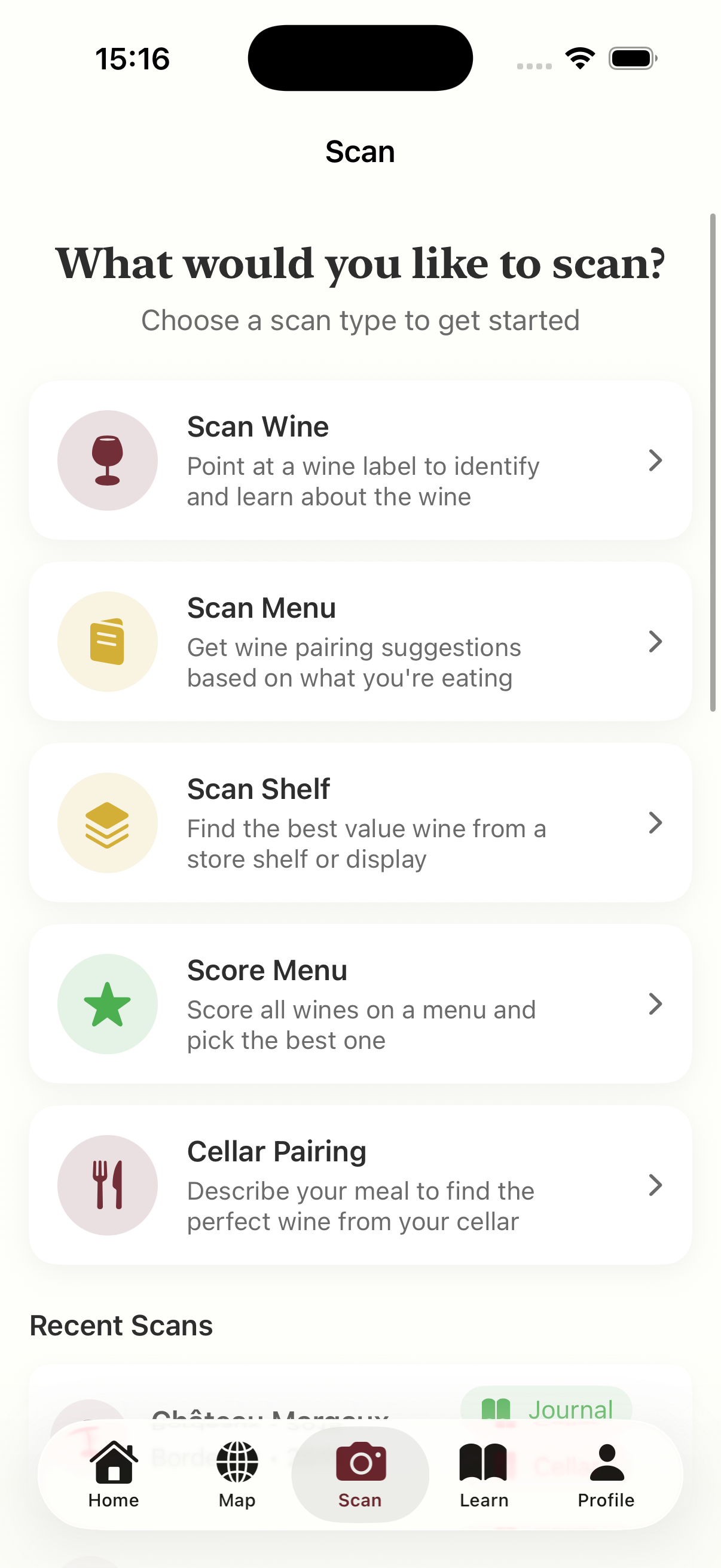
Explore Pinot Grigio and Sauvignon Blanc with Sommo
The Sommo app makes it easy to explore the world of crisp white wines. Use the AI-powered label scanner to instantly learn about any bottle of Pinot Grigio or Sauvignon Blanc you encounter, from its region and producer to detailed tasting notes and food pairing suggestions. Track your favorites in your personal wine journal, compare different regional styles side by side, and deepen your knowledge with structured learning modules. Whether you are selecting a bottle for a summer dinner or navigating a restaurant wine list, Sommo puts expert wine knowledge in your pocket. Download Sommo today and start your wine journey.
Taste the difference yourself
Scan both bottles, compare your tasting notes, and find what you actually prefer.