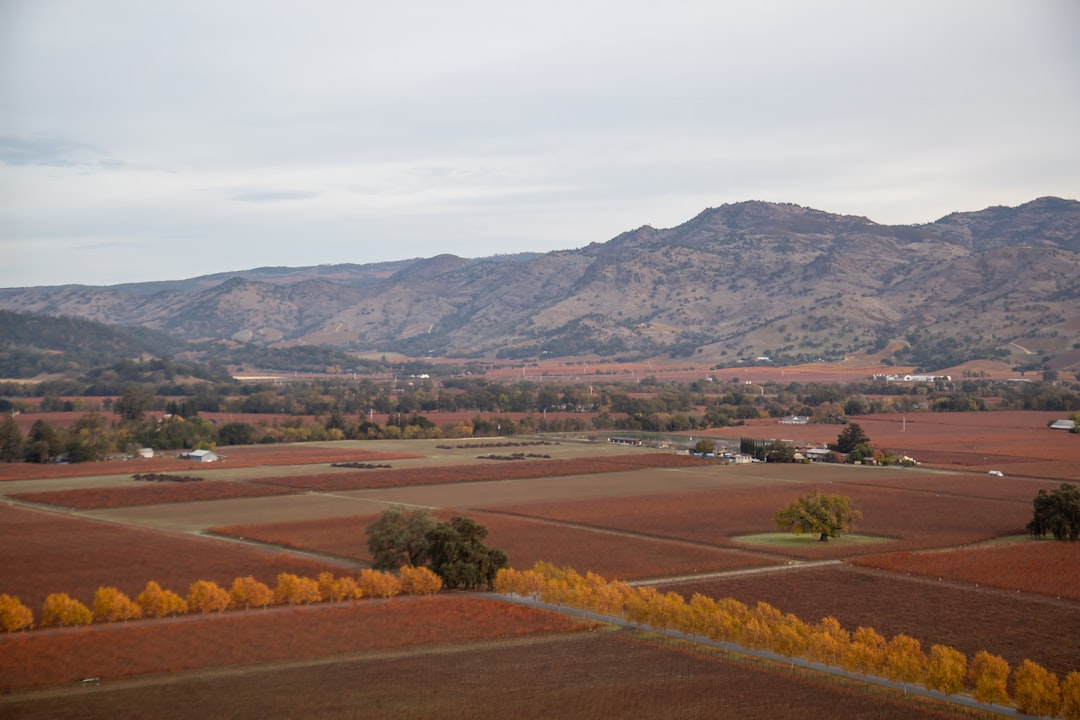
Napa Valley vs Sonoma County Compared
Compare Napa Valley and Sonoma County wines. Discover how geography, climate, grape varieties, and winemaking styles create distinct wines in California.
Quick Answer
Napa Valley is renowned for bold, concentrated Cabernet Sauvignon with a polished, high-end tasting room culture. Sonoma County is more diverse in both grape varieties and climate, producing excellent Pinot Noir, Chardonnay, and Zinfandel in a more relaxed, rural atmosphere. Napa is focused and prestigious; Sonoma is varied and approachable.
Side-by-Side Comparison
| Attribute | Napa Valley | Sonoma County |
|---|---|---|
| Body | Full (Cabernet-focused) | Light to full (varies by sub-region) |
| Tannins | High, ripe, and polished | Varies; softer in Pinot Noir, firm in Zinfandel |
| Acidity | Medium to medium-high | Medium to high (especially coastal areas) |
| Flavor Profile | Blackcurrant, dark cherry, vanilla, oak, cocoa, ripe tannins | Red fruit, citrus, apple, spice (varies widely by grape and AVA) |
| Best Food Pairing | Prime steak, braised lamb, rich sauces, dark chocolate | Grilled seafood, roast chicken, farm-to-table cuisine, charcuterie |
| Price Range | $25-$500+ (premium positioning) | $15-$150 (better value overall) |
| Aging Potential | 5-25+ years for top Cabernets | 3-15 years depending on grape and producer |
Choose Napa Valley
Choose Napa Valley when you want a powerful, concentrated Cabernet Sauvignon for a steak dinner or special occasion, and you appreciate polished, oak-influenced reds.
Choose Sonoma County
Choose Sonoma County when you want diversity, from cool-climate Pinot Noir and Chardonnay to bold Zinfandel, at generally friendlier prices and a more relaxed tasting experience.
Napa Valley and Sonoma County sit side by side in Northern California, separated by the Mayacamas Mountains, yet they produce wines of remarkably different character. For many wine lovers, especially those outside California, the two regions blur together into a single idea of “California wine.” In reality, they are distinct in geography, climate, winemaking culture, and the styles of wine they produce. Understanding these differences is the key to navigating California’s most prestigious wine country.
Geography and Layout
Napa Valley
Napa Valley is compact and focused. It stretches roughly thirty miles from the cool, fog-influenced southern end near the town of Napa to the warmer, mountainous northern reaches around Calistoga. The valley is narrow, just one to five miles wide, flanked by the Mayacamas Mountains to the west and the Vaca Range to the east.
This compact geography packs tremendous diversity into a small area. The valley floor, the benchlands, and the mountain vineyards each offer different soil types, elevations, and microclimates. Napa has sixteen distinct sub-appellations (AVAs), including Oakville, Rutherford, Stags Leap District, Howell Mountain, and Spring Mountain, each with a recognized identity.
Sonoma County
Sonoma County is vastly larger and more geographically diverse than Napa. It covers roughly 1,600 square miles, stretching from the Pacific Ocean in the west to the edge of Napa Valley in the east, and from San Pablo Bay in the south to Mendocino County in the north.
This geographic breadth encompasses a wide range of landscapes, from cool, fog-shrouded coastal ridges to warm inland valleys. Sonoma has nineteen AVAs, including Russian River Valley, Sonoma Coast, Dry Creek Valley, Alexander Valley, and Carneros (which it shares with Napa). The sheer variety of terrain and climate within Sonoma allows for a far wider range of grape varieties and wine styles than Napa.
Climate
Napa Valley Climate
Napa Valley’s climate is strongly influenced by the San Pablo Bay to the south, which funnels cool marine air and fog into the lower reaches of the valley. This creates a pronounced temperature gradient from south to north.
The southern end of the valley, including Carneros and the town of Napa, is cool and fog-prone, ideal for Chardonnay and Pinot Noir. As you move north toward Oakville, Rutherford, St. Helena, and Calistoga, temperatures rise progressively, creating ideal conditions for Cabernet Sauvignon and other Bordeaux varieties. Mountain vineyards above the fog line experience a different dynamic entirely, with more sunshine, greater temperature swings between day and night, and well-drained volcanic soils.
Sonoma County Climate
Sonoma’s climate is shaped by its proximity to the Pacific Ocean. The Petaluma Gap, a low-lying passage through the coastal hills, channels cool maritime air deep into the county, affecting Russian River Valley, Sonoma Coast, and Carneros in particular.
Coastal Sonoma is significantly cooler than Napa, with fog and wind creating conditions that favor cool-climate varieties. Inland valleys like Dry Creek and Alexander Valley are warmer and more sheltered, producing rich, ripe wines from Zinfandel, Cabernet Sauvignon, and other warm-climate grapes. This east-west climate gradient, combined with the influence of rivers and mountains, creates extraordinary diversity within a single county.
Signature Grapes and Wines
Napa Valley Signatures
Napa’s reputation is built primarily on one grape: Cabernet Sauvignon. The valley produces some of the world’s most acclaimed and expensive Cabernets, known for their power, concentration, and richness. The best sub-appellations for Cabernet include Oakville, Rutherford, Stags Leap District, Howell Mountain, and Diamond Mountain.
Beyond Cabernet Sauvignon, Napa also produces:
- Chardonnay: Particularly from Carneros and cooler sub-appellations, in a rich, oak-influenced style.
- Merlot: Softer, plush reds, though the grape has been somewhat overshadowed by Cabernet in recent decades.
- Sauvignon Blanc: Fresh, aromatic whites, sometimes labeled Fume Blanc.
- Bordeaux blends: Meritage wines combining Cabernet Sauvignon, Merlot, Cabernet Franc, and Petit Verdot.
Sonoma County Signatures
Sonoma’s diversity means it does not have a single flagship grape in the way Napa does. Instead, several varieties share the spotlight:
- Pinot Noir: The star of Russian River Valley and Sonoma Coast, producing wines of elegance, complexity, and vibrant fruit. These are among the finest Pinot Noirs produced outside of Burgundy.
- Chardonnay: Excellent from Russian River Valley and Sonoma Coast, often in a style that balances richness with cool-climate freshness.
- Zinfandel: The signature of Dry Creek Valley and parts of Alexander Valley, producing bold, spicy, fruit-forward reds with distinctive character.
- Cabernet Sauvignon: Alexander Valley and Moon Mountain produce powerful Cabernets that rival Napa at often lower prices.
- Syrah: Gaining recognition from cooler sites on the Sonoma Coast, showing the peppery, savory side of the grape.
Winemaking Culture
Napa Valley Culture
Napa Valley is often described as the Bordeaux of California. It is polished, prestigious, and commercially sophisticated. Many of the valley’s most famous wineries operate on a grand scale, with imposing tasting rooms, resort-like experiences, and prices to match.
The focus on Cabernet Sauvignon has driven a culture of concentration and power. Wines are often rich, full-bodied, and heavily influenced by new French oak. Winemakers work with some of the most expensive vineyard land in the world, and the wines reflect this investment with meticulous attention to detail and a premium positioning in the market.
Napa has also been at the forefront of the “cult wine” phenomenon, with small-production Cabernets from producers like Screaming Eagle, Harlan Estate, and Scarecrow commanding prices that rival or exceed First Growth Bordeaux.
Sonoma County Culture
Sonoma’s winemaking culture is more laid-back, eclectic, and farmer-driven. While it has its share of prestigious estates, the region retains a more agricultural, down-to-earth character that many wine lovers find appealing. Family-owned wineries are the norm, and there is a greater willingness to experiment with different grape varieties, farming practices, and winemaking techniques.
The natural wine movement, sustainable and organic farming, and a focus on site-specific expression have all found a particularly receptive audience in Sonoma. Producers like Hirsch, Littorai, Kistler, and Williams Selyem have built reputations through quality and authenticity rather than luxury branding.
Price Comparison
Napa Valley wines command a significant price premium over comparable Sonoma wines. Average bottle prices in Napa are among the highest in the United States, driven by the cost of vineyard land, the prestige of the appellation, and the focus on premium Cabernet Sauvignon.
- Entry-level Napa Cabernet: Twenty-five to forty-five dollars
- Mid-range Napa Cabernet: Fifty to one hundred dollars
- Premium Napa Cabernet: One hundred to three hundred dollars or more
- Cult Napa Cabernet: Five hundred to several thousand dollars
Sonoma wines offer exceptional value by comparison:
- Entry-level Sonoma Pinot Noir or Zinfandel: Fifteen to thirty dollars
- Mid-range Russian River Pinot Noir: Thirty to sixty dollars
- Premium Sonoma wines: Fifty to one hundred fifty dollars
- Top Sonoma producers: One hundred to three hundred dollars
Many wine critics and sommeliers argue that Sonoma offers the best quality-to-price ratio of any premium wine region in California.
Food Pairing
Pairing with Napa Wines
Napa Cabernet Sauvignon is a natural partner for:
- Prime cuts of beef, especially ribeye and New York strip
- Lamb with rosemary and garlic
- Braised short ribs
- Rich, aged cheeses
- Dark chocolate
Napa Chardonnay pairs beautifully with:
- Butter-poached lobster
- Roast chicken with cream sauce
- Rich pasta dishes
- Grilled halibut
Pairing with Sonoma Wines
Sonoma Pinot Noir pairs excellently with:
- Grilled salmon or duck breast
- Mushroom risotto
- Roasted pork tenderloin
- Soft-ripened cheeses
Sonoma Zinfandel complements:
- Barbecue and smoked meats
- Pizza with robust toppings
- Spicy sausages
- Mexican and Cajun cuisine
Visiting Wine Country
The Napa Experience
Visiting Napa Valley is a polished, curated experience. Tasting rooms range from grand chateaux to modernist architectural showcases. Reservations are typically required, and tasting fees can range from thirty to over one hundred dollars per person. The Napa Valley Wine Train, hot air balloon rides, and Michelin-starred restaurants add to the luxury atmosphere.
The Sonoma Experience
Sonoma offers a more relaxed, rustic wine country experience. Many tasting rooms are casual and welcoming, with lower fees and more spontaneous visiting possible. The town of Healdsburg has become a culinary destination in its own right, and the combination of great wine, farm-to-table dining, and natural beauty makes Sonoma an increasingly popular alternative to Napa’s more formal atmosphere.
Which Should You Choose?
- Choose Napa Valley if you love powerful Cabernet Sauvignon, appreciate a polished wine country experience, and are willing to pay a premium for some of the world’s most celebrated wines.
- Choose Sonoma County if you enjoy variety, value, and a more relaxed vibe. Sonoma’s range of climates and grape varieties means there is something for every palate, often at a fraction of Napa’s prices.
The best approach, of course, is to explore both. They are neighbors, after all, and a complete picture of Northern California wine requires tasting from both sides of the Mayacamas Mountains.
Explore Napa and Sonoma with Sommo
Planning a wine country trip or just trying to decide between a Napa Cabernet and a Sonoma Pinot Noir at the store? Sommo makes the choice easier. Use the AI-powered label scanner to learn about any California wine in seconds, from its AVA and grape varieties to expert tasting notes and food pairings. Log your favorites in your wine journal, compare tasting notes across regions, and build your California wine knowledge with structured learning modules. Sommo turns every bottle into an opportunity to learn. Download it today and explore California wine country from wherever you are.
Taste the difference yourself
Scan both bottles, compare your tasting notes, and find what you actually prefer.