Merlot is the smoother of the two, with softer tannins, lower alcohol, and plummy fruit that needs no decanting or explanation. Shiraz wins on power and spice, bringing blackberry, cracked pepper, and smoked meat with enough tannin and weight to stand up to barbecue, lamb, and anything charred. Merlot suits weeknight dinners, roast chicken, and anyone easing into red wine; Shiraz suits cold nights and big flavors. Remember that Shiraz and Syrah are one grape, so a Northern Rhone bottling tastes leaner and peppery next to an Australian one.Quick answer
Side by side.
| Attribute | Merlot | Shiraz |
|---|---|---|
| Body | Medium to full | Full and rich |
| Tannin | Low to medium, soft and velvety | Medium plus, firm and gripping |
| Acidity | Medium | Medium to medium plus |
| Sweetness | Dry | Dry, with ripe fruit sweetness |
| Typical alcohol | 13 to 14.5% | 14 to 15.5% |
| Flavor profile | Plum, black cherry, chocolate, bay leaf | Blackberry, black pepper, smoked meat, licorice |
| Serving temperature | 60 to 64F (16 to 18C) | 62 to 66F (17 to 19C) |
| Price range | $10 to $60, value near $20 | $10 to $80, value under $25 |
| Aging potential | 3 to 10 years | 5 to 20 years plus |
Taste profile, side by side.
Which one should you open tonight?
When to choose which.
Merlot
Choose Merlot when you want a smooth, approachable red for everyday dining, lighter meats, or pasta, especially if you prefer softer tannins and plummy fruit.
Shiraz
Choose Shiraz when you want a bold, powerful red for barbecue, grilled lamb, or spicy food, especially if you enjoy peppery intensity and dark fruit richness.
Merlot is the smoother wine, and for most weeknights that is the whole answer. Its thinner skins give rounder, softer tannins and a plush, velvety texture that needs no decanting and offends nobody. Shiraz is the bold one: thick skinned, densely fruited, laced with black pepper and smoked meat, and often a full percentage point higher in alcohol. Both are among the world’s most widely planted red wines and both make outstanding bottles at every price level, so the real question is not which is better but which suits the food, and the crowd, in front of you.
Which Is Smoother, and Which Is Stronger?
Two common questions have two different answers. Merlot is smoother; Shiraz is normally stronger in flavour, tannin and alcohol.
| What you care about | Pick | Why |
|---|---|---|
| Soft tannin straight after opening | Merlot | Its rounder structure needs less air |
| A first red wine | Merlot | Plum fruit and moderate grip are easier to read |
| Maximum flavour with barbecue | Shiraz | Blackberry, pepper and smoke meet charred meat |
| A wine that feels more powerful | Shiraz | Fuller body and often higher alcohol create more weight |
| A mixed dinner table | Merlot | It works with pork, chicken, mushrooms and pasta |
Neither grape is inherently sweet. Ripe fruit and alcohol can make warm-climate Shiraz seem sweeter, while Merlot’s softness can read as sweetness even when both wines are dry.
What Is Merlot?
Merlot is a dark-skinned grape variety that originated in Bordeaux, France, where it remains the most widely planted red grape. Its name is thought to derive from “merle,” the French word for blackbird, possibly referencing the grape’s deep blue-black colour or the birds’ fondness for eating the ripe berries.
In Bordeaux, Merlot is the dominant grape of the Right Bank, particularly in the appellations of Saint-Émilion and Pomerol, where it produces some of the most celebrated and expensive wines in the world. Château Pétrus, one of the most sought-after wines on earth, is made almost entirely from Merlot.
Outside Bordeaux, Merlot is planted extensively in Italy (where it thrives in Tuscany and the Veneto), California, Washington State, Chile, and Australia. It was the most popular red wine in America through the 1990s, though it suffered a reputational blow after the 2004 film “Sideways” mocked it. The grape has since quietly reasserted itself, and quality-focused producers around the world continue to demonstrate its capacity for serious, ageworthy wine.
Merlot ripens earlier than Cabernet Sauvignon, its frequent blending partner, and is less demanding in terms of climate and soil. This adaptability has made it one of the most versatile and widely planted red varieties on the planet.
What Is Shiraz?
Shiraz and Syrah are the same grape. The variety originated in the northern Rhône Valley of France, where it is known as Syrah and produces the legendary wines of Hermitage, Côte-Rôtie, and Cornas. When the grape travelled to Australia in the nineteenth century, it became known as Shiraz, and it is under this name that it has become Australia’s signature red variety.
The name difference is more than cosmetic: it signals a stylistic divide. Syrah from the northern Rhône tends to be medium to full-bodied, with savoury, peppery, and meaty characteristics alongside dark fruit. Australian Shiraz, particularly from the Barossa Valley and McLaren Vale, is typically bigger, riper, and more fruit-forward, with rich blackberry and chocolate flavours, higher alcohol, and often a touch of American oak sweetness.
Both styles have their devoted followers. South Africa, Washington State, and parts of Chile and Argentina also produce excellent examples, sometimes using “Syrah” on the label to signal a more restrained, Rhône-inspired style, and “Shiraz” to indicate a richer, more Australian approach. The label choice is a useful, if imperfect, guide to what is inside the bottle.
The Grapes
Merlot
Merlot is an early-ripening variety with relatively thin skins, which is why it produces wines with softer, rounder tannins compared to thicker-skinned varieties like Cabernet Sauvignon or Shiraz. DNA analysis has confirmed that Merlot is the offspring of Cabernet Franc and an obscure variety called Magdeleine Noire des Charentes.
The grape’s thin skin also makes it susceptible to frost and rot, particularly in damp vintages. In Bordeaux, vintage variation matters significantly for Merlot-dominant wines, and the best producers manage their vineyards meticulously to mitigate these risks.
In the glass, Merlot’s character leans towards plum, cherry, and red fruit in cooler climates, shifting to darker, riper fruit with chocolate and mocha notes in warmer regions. The tannins are typically round and approachable, even in youth.
Shiraz (Syrah)
Shiraz is a thick-skinned, late-ripening variety that produces deeply coloured, full-bodied wines with firm tannins. It thrives in warm climates but retains its best character where warm days are balanced by cool nights, allowing the grape to develop concentration while preserving acidity and aromatic complexity.
The grape is not related to the Iranian city of Shiraz, despite a persistent myth. Genetic research has established that Syrah is the natural offspring of two obscure French varieties: Dureza from the Ardèche and Mondeuse Blanche from Savoie.
In the glass, Shiraz delivers dark fruit (blackberry, black plum, blueberry), black pepper, smoked meat, liquorice, and often a chocolatey or leathery richness. Northern Rhône Syrah adds olive, violet, and a distinctive smoky, bacon-fat savouriness that is one of red wine’s most thrilling flavour profiles.
Flavour Profiles
What Does Merlot Taste Like?
Merlot’s flavour profile is defined by softness and fruit generosity:
- Aromas: Plum, black cherry, raspberry, chocolate, bay leaf, vanilla, cedar, and in aged examples, truffle, tobacco, and dried herbs.
- Palate: Medium to full-bodied with round, supple tannins. The fruit is generous and ripe, with a smooth, velvety texture. Acidity is moderate, contributing to the wine’s easy-drinking character.
- Texture: Plush and silky, often described as “velvet in a glass.” This softness is Merlot’s calling card and the reason it appeals to such a broad audience.
Regional variation is notable. Right Bank Bordeaux Merlot tends to be more structured, with mineral and earthy undertones. California and Chilean Merlot is typically riper and fruitier, with more obvious oak influence. Italian Merlot from Tuscany can be surprisingly savoury, with herbal and olive notes.
What Does Shiraz Taste Like?
Shiraz is Merlot’s opposite in many respects, favouring power and intensity over softness:
- Aromas: Blackberry, black pepper, smoked meat, dark chocolate, liquorice, violet, clove, and in Rhône styles, olive, bacon fat, and crushed rock.
- Palate: Full-bodied with firm, gripping tannins. The fruit is dark and concentrated, with layers of spice that build through the finish. Acidity varies by region but is generally well-integrated.
- Texture: Dense and weighty, filling the mouth with a richness that lingers. Barossa Shiraz can feel almost viscous in its concentration, while northern Rhône Syrah is more taut and structured.
The pepper note deserves special mention. It comes from a compound called rotundone, and it is one of the most distinctive flavour markers in all of red wine. Cool-climate Shiraz (and Syrah) displays more peppery character, while warm-climate examples lean towards sweeter spice: clove, cinnamon, and vanilla.
Tannin and Body
This is one of the most important practical differences between the two grapes. Merlot’s thinner skins produce softer, more approachable tannins, making it a wine you can enjoy without extended cellaring or decanting. Even young, well-made Merlot is typically smooth enough to drink with pleasure.
Shiraz’s thick skins and, in many cases, extended maceration during winemaking produce firm, structured tannins that can feel quite grippy in youth. Premium Shiraz often benefits from decanting or several years of bottle age to soften and integrate. However, many modern winemakers, particularly in Australia, have developed techniques to produce Shiraz with riper, rounder tannins that are approachable on release.
In terms of body, Merlot sits in the medium to full range, while Shiraz is firmly full-bodied. If you are pouring wine for guests who prefer lighter, smoother reds, Merlot is the safer choice. If your guests enjoy bold, powerful wines, Shiraz will impress.
Key Regions
Merlot Regions
- Bordeaux Right Bank (Saint-Émilion, Pomerol): The pinnacle of Merlot. Structured, complex, ageworthy wines with mineral depth and refined tannins.
- California (Napa Valley, Sonoma): Ripe, fruit-forward, and often opulent, with generous oak influence.
- Washington State: Increasingly recognised for producing balanced, elegant Merlot with bright acidity and pure fruit.
- Chile (Colchagua, Maule): Excellent value Merlot with ripe plum fruit and soft tannins. Chile’s warm, dry climate suits the grape beautifully.
- Tuscany: Merlot appears in many Super Tuscan blends, contributing softness and fruit to Sangiovese’s structure.
Shiraz Regions
- Barossa Valley, Australia: The heartland of Australian Shiraz. Dense, powerful wines with blackberry, chocolate, and often a touch of eucalyptus.
- McLaren Vale, Australia: Slightly more restrained than Barossa, with savoury, earthy undertones alongside the rich fruit.
- Northern Rhône (Hermitage, Côte-Rôtie, Cornas): The grape’s origin, producing Syrah of extraordinary elegance, complexity, and longevity. Smoky, peppery, and savoury.
- South Africa (Stellenbosch, Swartland): Producing increasingly impressive Syrah and Shiraz in both restrained and powerful styles.
- Washington State (Walla Walla): A rising star for Syrah, offering dark fruit intensity balanced by bright acidity.
Food Pairing
Pairing with Merlot
Merlot’s soft tannins and generous fruit make it one of the most food-friendly red wines:
- Roast chicken and turkey (its softness works where bolder reds overpower)
- Beef stew and braised short ribs
- Mushroom dishes: risotto, pasta, stuffed mushrooms
- Mild to medium cheeses: Brie, Camembert, young Gouda
- Pork tenderloin and roast pork
- Tomato-based pasta sauces
- Charcuterie boards
Pairing with Shiraz
Shiraz’s bold flavours and firm structure pair best with equally robust food:
- Grilled and barbecued red meat: steaks, lamb chops, burgers
- Smoked meats and barbecue with rich sauces
- Spiced dishes: Moroccan tagine, Middle Eastern lamb
- Hard, aged cheeses: mature Cheddar, Manchego, Pecorino
- Game meats: venison, kangaroo, wild boar
- Rich stews and casseroles
- Dark chocolate desserts (with riper, fruit-forward Shiraz)
Price Comparison
Both grapes offer good value, but their price landscapes differ:
Entry-level Merlot: Chile and southern France produce reliably enjoyable Merlot at very accessible prices. These wines are soft, fruity, and uncomplicated.
Mid-range Merlot: Washington State, California, and Bordeaux Supérieur offer more structure and complexity. Right Bank Bordeaux at this tier can be excellent value.
Top-tier Merlot: The great estates of Pomerol and Saint-Émilion produce some of the most expensive wines in the world. Château Pétrus, Le Pin, and Château Lafleur command prices that rival the finest wines from any region.
Entry-level Shiraz: South Australia, South Africa, and the Languedoc produce generous, spicy Shiraz at modest prices.
Mid-range Shiraz: Barossa Valley, McLaren Vale, and Crozes-Hermitage offer remarkable depth and character.
Top-tier Shiraz: Australia’s Penfolds Grange, Henschke Hill of Grace, and the great Hermitage and Côte-Rôtie estates of the northern Rhône sit among the world’s most prestigious and expensive red wines.
At the entry and mid-range levels, both grapes deliver excellent value. The finest examples of each can command eye-watering prices, reflecting tiny production, historical reputation, and extraordinary quality.
Ageing Potential
Merlot’s ageing potential depends heavily on the style of wine. Simple, entry-level Merlot is designed for early drinking, best within two to five years. Serious Right Bank Bordeaux, however, can age magnificently for fifteen to thirty years or more, developing truffle, tobacco, and earthy complexity as the plush fruit mellows and the tannins resolve.
Shiraz is one of the great ageing red grapes. Top Barossa Shiraz can develop over fifteen to twenty-five years, gaining leather, dried fruit, and complex savoury notes. Northern Rhône Syrah from Hermitage is renowned for its longevity, with the best vintages capable of improving for thirty years or more. Even mid-range Shiraz from good producers will typically reward three to eight years of cellaring.
If you enjoy cellaring red wine, both grapes offer rewarding options at the upper end, but Shiraz generally provides more consistent ageing potential across a broader range of price points.
When to Choose Each
Choose Merlot When:
- You want a smooth, approachable red wine that does not require decanting
- You are serving guests who prefer softer, less tannic reds
- You are pairing with lighter proteins: chicken, pork, or mushroom dishes
- You are new to red wine and want a gentle introduction
- You want a versatile dinner wine that will not overpower the food
- The occasion calls for elegance and subtlety rather than power
Choose Shiraz When:
- You want a bold, flavour-packed red wine that makes a statement
- You are grilling or barbecuing red meat
- You are serving richly spiced or smoked food
- You enjoy full-bodied wines with noticeable tannin and structure
- You want a wine that can stand up to strong cheeses and robust flavours
- The weather is cold and you want something warming and substantial
The Comparison at a Glance
Merlot is a medium to full-bodied red grape producing soft, plush wines with plum, cherry, and chocolate flavours. Its tannins are round and approachable, making it one of the most versatile and accessible red wines available. Key regions include Bordeaux’s Right Bank, California, Washington State, and Chile. Alcohol typically sits between thirteen and fifteen per cent.
Shiraz is a full-bodied red grape producing bold, spicy wines with blackberry, pepper, and smoked meat flavours. Its tannins are firmer and more structured, and the wine fills the mouth with intensity and richness. The grape is known as Syrah in France and most of the Old World, and Shiraz in Australia and South Africa. Key regions include the Barossa Valley, McLaren Vale, the northern Rhône, and South Africa. Alcohol ranges from thirteen to over fifteen per cent, with warm-climate examples sometimes reaching sixteen per cent.
Both grapes are enormously versatile in the vineyard and the winery, producing wines at every quality level from everyday drinking to world-class collectibles. The choice between them comes down to a simple question of personal preference: do you want silk or do you want spice?
The Verdict
Merlot and Shiraz are not competitors so much as complements. They serve different moods, different meals, and different moments. Merlot is the red wine you pour when you want comfort, smoothness, and easy pleasure. Shiraz is the red wine you pour when you want intensity, complexity, and a wine that fills the room with its presence.
The best approach is to keep both in your rotation. A soft Merlot for a Tuesday night pasta, a peppery Shiraz for a Saturday barbecue, a structured Right Bank Bordeaux for a special dinner, a magnificent Hermitage for the cellar. Between them, these two grapes cover an enormous range of red wine experiences.
Explore with Sommo
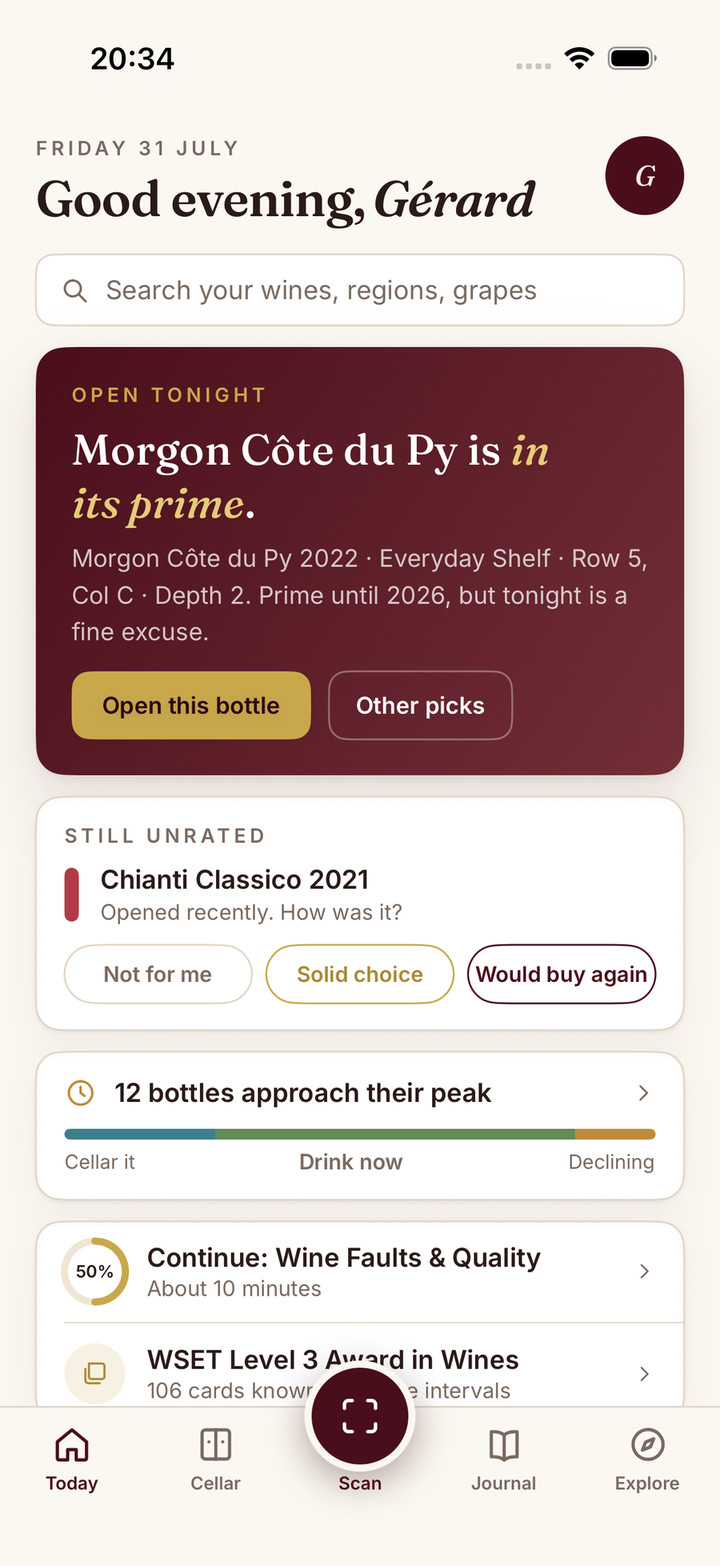
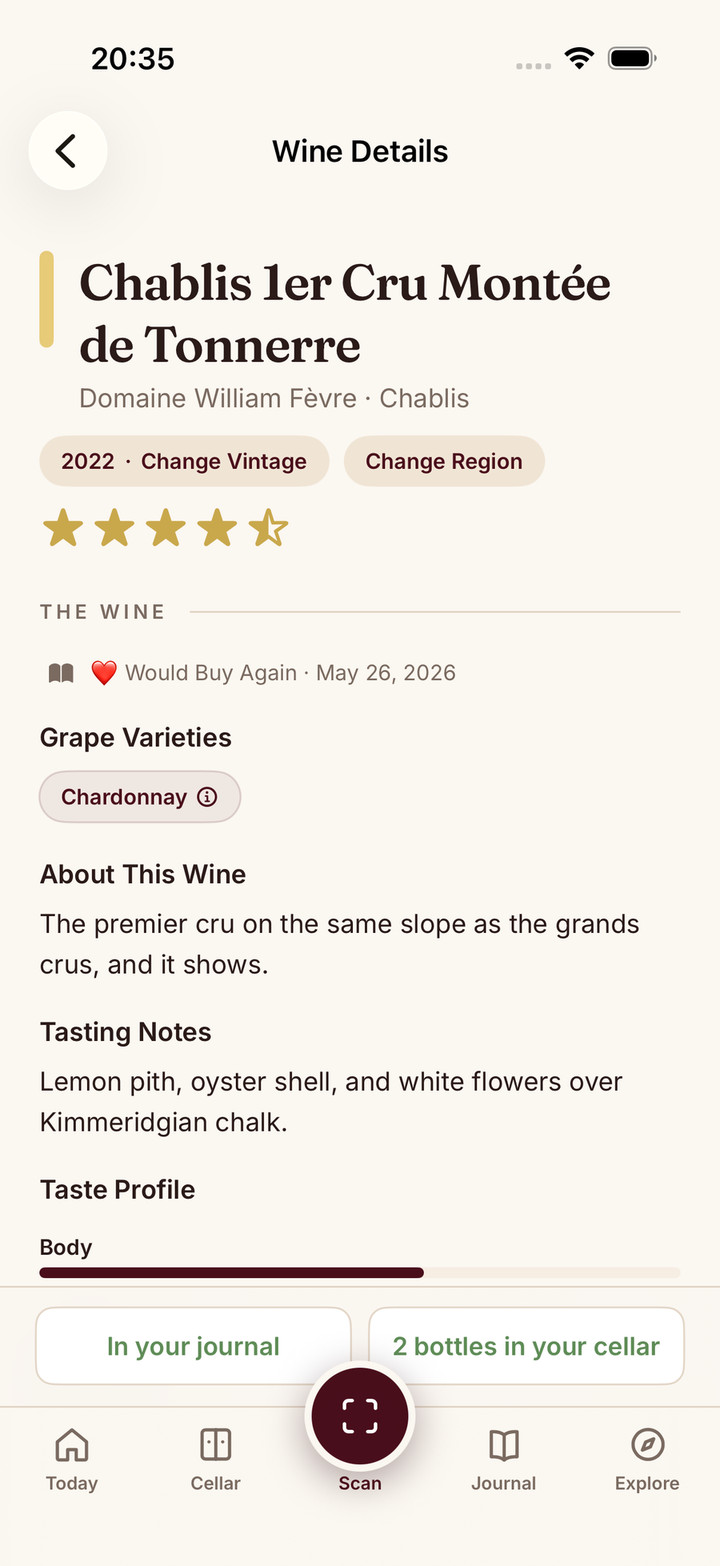
Whether you are choosing between a velvety Pomerol and a peppery Barossa Shiraz or simply trying to remember which red you preferred last week, Sommo has you covered. Scan any wine label with the app’s AI scanner to instantly learn about the grape, region, and style. Record your tasting notes and ratings in your personal wine journal to build a record of what you love. Explore the world’s great red wine regions on the interactive map, and deepen your knowledge through guided learning modules. Download Sommo and start exploring red wine with confidence.