Malbec is usually the smoother red: plush plum and blackberry, rounded tannin and enough freshness for steak. Shiraz is normally the bigger one, with darker fruit, black pepper, fuller body and more alcoholic warmth. Choose Malbec for sirloin, chimichurri and an easy crowd bottle. Choose Shiraz for smoked brisket, sticky ribs, pepper crusts and heavily charred meat. Both can deliver strong value, with Mendoza the dependable Malbec signal and South Australia the classic source of generous Shiraz.Quick answer
Side by side.
| Attribute | Malbec | Shiraz |
|---|---|---|
| Body | Medium plus to full | Full |
| Tannin | Medium and rounded | Medium plus, broad and ripe |
| Acidity | Medium | Medium |
| Sweetness | Dry, with ripe fruit | Dry, often jammy |
| Typical alcohol | 13 to 14.5% | 13.5 to 15.5% |
| Flavour profile | Plum, blackberry, violet, cocoa | Blackberry, blueberry, black pepper, smoke |
| Serving temperature | 60 to 64F (16 to 18C) | 60 to 64F (16 to 18C) |
| Price range | $10 to $60, premium higher | $10 to $75, old vine higher |
| Best food pairing | Steak and chimichurri | Brisket, ribs and peppered meat |
Taste profile, side by side.
Malbec or Shiraz: what is on the grill?
When to choose which.
Malbec
Choose Malbec for plush fruit, moderate grip and a reliable match with straightforward grilled steak or chimichurri.
Shiraz
Choose Shiraz when smoke, char, pepper and sweet barbecue sauce require more body, spice and warmth.
Malbec is usually the smoother red: plush plum and blackberry, medium to firm tannin and enough freshness for steak. Shiraz is usually the bigger one, with darker fruit, pepper, fuller body and more warmth. Pick Malbec for chimichurri and an easy crowd bottle; pick Shiraz for smoke, char, pepper crusts and sticky barbecue sauce.
The Difference at a Glance
| Question | Malbec | Shiraz |
|---|---|---|
| Body | Medium to full | Full |
| Tannin | Medium, rounded in ripe styles | Medium to high, broad and ripe |
| Acidity | Medium to medium high | Medium |
| Main flavours | Plum, blackberry, violet, cocoa | Blackberry, blueberry, black pepper, smoke |
| Best food | Steak and chimichurri | Brisket, ribs and peppered meat |
| Typical value zone | Mendoza | South Australia |
Malbec: Plush Fruit with a Fresh Edge
Malbec is most closely associated with Mendoza, where sunny conditions and altitude can combine ripe dark fruit with useful acidity. The classic profile is plum, blackberry, violet and a cocoa or tobacco note when oak is involved. Tannins are present, but ripe Argentine styles often feel velvety rather than severe.
The grape’s French home in Cahors produces a firmer, earthier expression. That distinction matters when buying. A Mendoza label is the safer cue for generous fruit; Cahors is the cue for more savoury grip.
Shiraz: More Power and Pepper
Shiraz and Syrah are the same grape. The name Shiraz usually signals the riper, broader style associated with Australia. Expect blackberry, blueberry, liquorice, black pepper and possible chocolate or vanilla from oak. Warm regions such as the Barossa Valley can produce very full wines with noticeable alcohol.
A bottle labelled Syrah may lean cooler and more savoury, but the label is a style clue rather than a legal guarantee. The Shiraz vs Syrah guide explains that naming choice.
Steak, Barbecue and the Sauce Question
For a simply grilled sirloin or New York strip, Malbec is hard to beat. Its tannin meets beef protein, ripe fruit handles char and acidity stays lively beside chimichurri. The steak pairing guide maps more cuts.
Shiraz wins when the cooking gets louder. Smoked brisket, ribs with a sweet glaze, peppered steak and lamb from the grill can absorb its extra body and spice. Avoid a high alcohol Shiraz with fierce chilli, since alcohol makes capsaicin feel hotter. For spicy barbecue, Malbec or a lower alcohol Syrah may be kinder.
Which Is Better Under $20?
Mendoza Malbec is one of the most reliable styles in the everyday red aisle because the regional identity remains clear across price tiers. Entry Shiraz can be equally generous, but check the alcohol line: a very warm bottle may feel heavy without food. At the next tier, single vineyard or higher altitude Malbec trades simple ripeness for detail, while old vine Australian Shiraz adds concentration and cellar potential.
Serve Malbec around 16 to 18 degrees Celsius. Give a powerful Shiraz a slight chill to the same range and, if young, 30 to 60 minutes in a decanter.
Read the Region Before the Grape
Mendoza and Barossa Valley are useful shorthand, but neither guarantees one fixed style. In Mendoza, altitude can preserve acidity and violet fragrance even when the fruit is fully ripe. Uco Valley on a label often points towards freshness and definition, while broad regional blends can favour generous plum fruit. In Australia, Barossa Shiraz commonly brings body and dark fruit, but cooler places such as Adelaide Hills or Victoria can produce brighter, pepperier examples.
Look at alcohol, vintage and producer notes together. A bottle above 14.5% alcohol is likely to feel broader and warmer, although balance matters more than the number alone. Whole bunch fermentation can add herbal lift to Shiraz; oak can add vanilla or smoke to either wine. If the barbecue sauce is sweet, choose fruit and moderate tannin. If the meat is lean or heavily peppered, favour freshness. Region turns the grape name into a much more reliable dinner prediction.
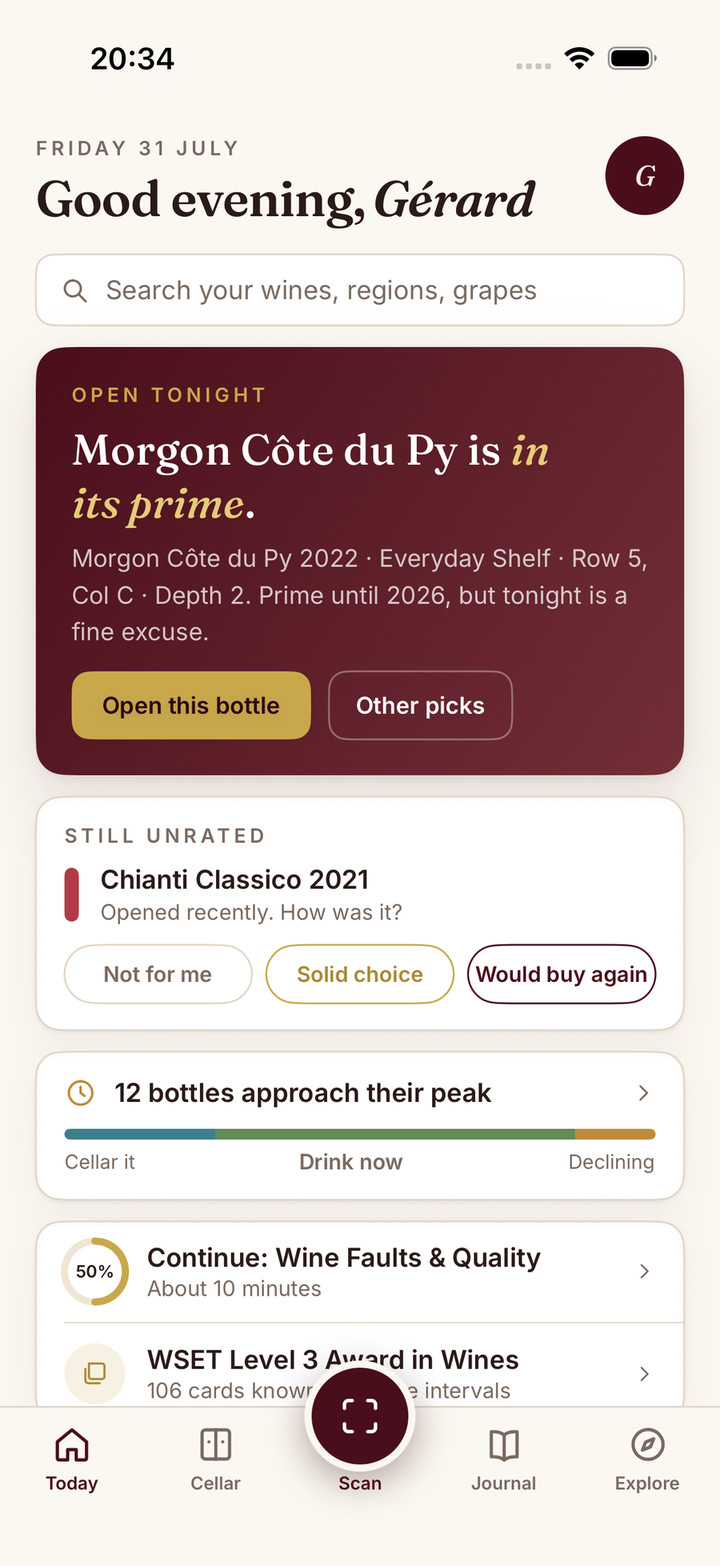
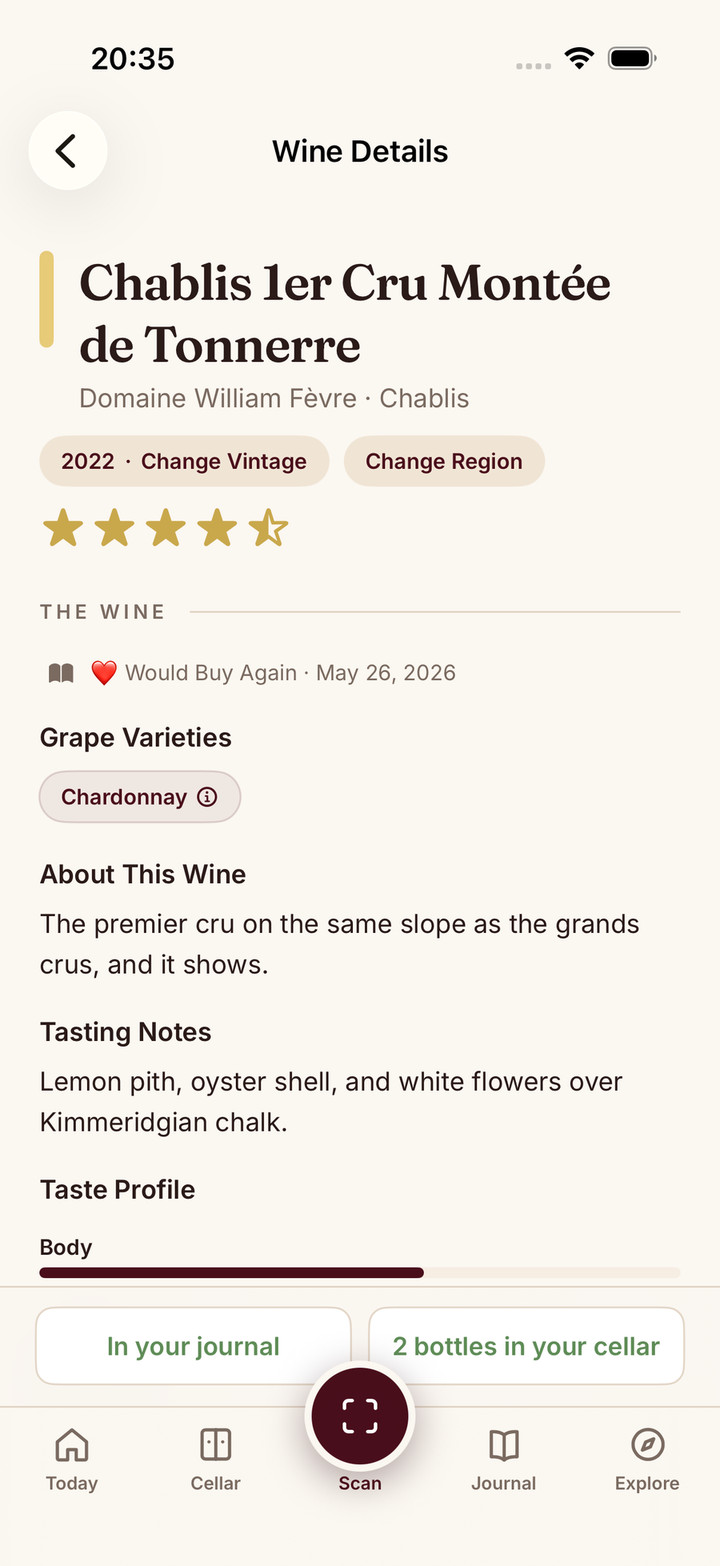
Explore with Sommo
Scan the bottle in Sommo to see whether region, alcohol and oak point towards plush or powerful, then save your verdict in the journal. Download Sommo and learn whether your palate reaches for Malbec’s softness or Shiraz’s scale.