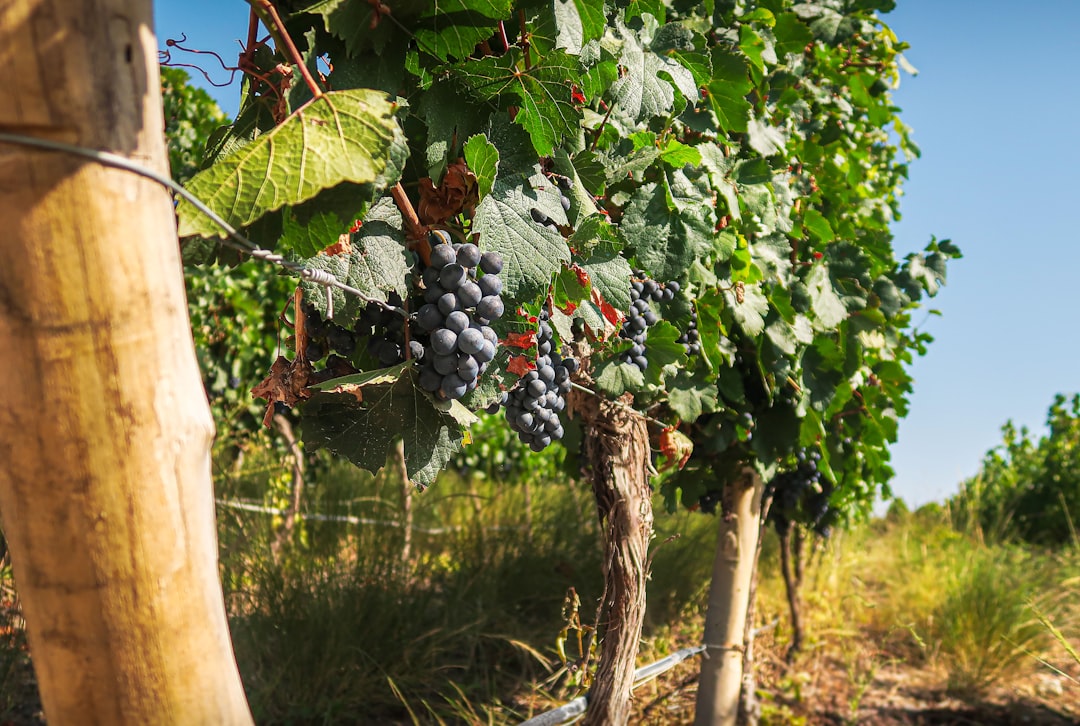
Malbec vs Cabernet Sauvignon: Which Bold Red Should You Buy?
Malbec delivers bold fruit at half the price; Cabernet brings structure that ages for decades. Taste, tannins, and value compared side by side.
Quick Answer
Malbec, especially from Argentina's Mendoza region, is plush and velvety with dark fruit, violet, and cocoa flavors and softer tannins. Cabernet Sauvignon is more structured, with firmer tannins, higher acidity, and classic blackcurrant, cedar, and tobacco notes. Malbec is more immediately approachable; Cabernet Sauvignon rewards patience and cellaring.
Side-by-Side Comparison
| Attribute | Malbec | Cabernet Sauvignon |
|---|---|---|
| Body | Medium-full to full | Full |
| Tannins | Medium, round, and velvety | High, firm, and structured |
| Acidity | Medium | Medium-high |
| Flavor Profile | Blackberry, plum, violet, cocoa, leather, sweet spice | Blackcurrant, cedar, tobacco, graphite, green pepper, mint |
| Best Food Pairing | Argentine steak, empanadas, grilled sausages, smoky BBQ | Grilled ribeye, lamb chops, aged hard cheeses, braised meats |
| Price Range | $8-$80 (outstanding value from Mendoza) | $12-$300+ (wide range, premium at the top) |
| Aging Potential | 3-12 years for top examples | 5-25+ years for quality producers |
Choose Malbec
Choose Malbec when you want a rich, smooth red for grilled meats and casual entertaining, especially if you prefer softer tannins and excellent value.
Choose Cabernet Sauvignon
Choose Cabernet Sauvignon when you want a structured, age-worthy wine for a prime steak dinner or when you enjoy firm tannins and classic cedar-and-blackcurrant complexity.
Malbec and Cabernet Sauvignon are both full-bodied red wines that deliver bold flavors and deep color, but they come from very different backgrounds and offer distinct drinking experiences. Malbec has risen to international fame as Argentina’s signature grape, while Cabernet Sauvignon has long reigned as the world’s most prestigious red variety. Comparing these two powerhouses reveals fascinating differences in origin, character, and the role that terroir plays in shaping a wine’s identity.
Origins and History
Malbec
Malbec’s story is one of reinvention. The grape originated in southwestern France, where it was historically known as Cot and played a significant role in the wines of Cahors. In Bordeaux, Malbec was one of the six permitted red grape varieties, used in blending to add color, flesh, and fruity mid-palate weight. However, the devastating frost of 1956 wiped out many of Bordeaux’s Malbec vines, and the grape was largely replaced by more reliable varieties.
Malbec’s second life began in Argentina, where it was introduced in 1853 by the French agronomist Michel Aime Pouget at the request of the Argentine government. The grape thrived in the high-altitude vineyards of Mendoza, producing wines of a quality and character that exceeded anything it had achieved in France. By the early twenty-first century, Argentine Malbec had become one of the wine world’s great success stories, establishing the country as a major force in international wine markets.
Cabernet Sauvignon
Cabernet Sauvignon’s pedigree is unassailable. Born from a natural crossing of Cabernet Franc and Sauvignon Blanc in seventeenth-century Bordeaux, it went on to become the world’s most widely planted red grape variety by the early 2000s. Its combination of intense flavor, structural complexity, and remarkable aging potential has made it the benchmark against which all other red wines are measured.
From its heartland in the Medoc, Cabernet Sauvignon has been successfully transplanted to virtually every wine-producing country, with particularly notable expressions from Napa Valley, Coonawarra, Margaret River, Maipo Valley, and Stellenbosch. It remains the undisputed king of prestigious red wines.
Grape Characteristics
Malbec in the Vineyard
Malbec is a mid-ripening variety that is sensitive to cold and frost. In its native France, it can be difficult to manage, prone to coulure (flower shatter) and susceptible to rot due to its thin skin and tight clusters. These challenges contributed to its decline in Bordeaux.
In Argentina, however, Malbec found ideal conditions. The high altitude of Mendoza’s vineyards (ranging from 800 to over 1,500 meters above sea level) provides intense UV radiation that thickens the grape’s skin, concentrating color, tannin, and flavor. The dry desert climate virtually eliminates the disease pressure that plagues the grape in France, and the dramatic temperature swings between day and night help preserve acidity and freshness.
Cabernet Sauvignon in the Vineyard
Cabernet Sauvignon is a late-ripening variety with small, thick-skinned berries. Its compact clusters and tough skins provide natural resistance to many vineyard diseases. The grape requires a long growing season with sufficient warmth to ripen fully; in cool or wet vintages, it can retain harsh, green tannins and herbaceous characters.
When conditions are right, Cabernet Sauvignon produces berries of extraordinary concentration. The high skin-to-juice ratio delivers deep color, pronounced tannins, and intense flavors that form the structural foundation for age-worthy wines.
Flavor Profiles
What Does Malbec Taste Like?
Argentine Malbec is known for its lush, generous fruit:
- Primary aromas: Ripe plum, blackberry, black cherry, and blueberry
- Secondary notes: Violet, cocoa, milk chocolate, vanilla (from oak), and sweet spice
- Tertiary development: Leather, tobacco, dried fruit, and earthy complexity with age
- Palate: Full-bodied with velvety, plush tannins and moderate acidity. The texture is smooth and round, with a generous, mouth-coating quality that makes Malbec immediately approachable.
- Finish: Typically fruit-driven with chocolate and spice notes lingering on the palate.
French Malbec from Cahors presents a different face of the grape. Known locally as “the black wine of Cahors,” it is typically more tannic, rustic, and savory than its Argentine counterpart, with darker fruit, more prominent earthiness, and firmer structure.
What Does Cabernet Sauvignon Taste Like?
Cabernet Sauvignon’s flavor profile is more structured and complex:
- Primary aromas: Blackcurrant (cassis), black cherry, blackberry, and sometimes green bell pepper in cooler-climate examples
- Secondary notes: Cedar, graphite, tobacco, dark chocolate, espresso, and vanilla from oak aging
- Tertiary development: Leather, cigar box, dried herbs, truffle, and forest floor
- Palate: Full-bodied with firm, gripping tannins and bright acidity. The structure is more angular and defined than Malbec, with layers of flavor that unfold slowly.
- Finish: Long and persistent, often with a mineral, graphite quality that is considered a hallmark of great Cabernet.
Structural Comparison
| Characteristic | Malbec | Cabernet Sauvignon |
|---|---|---|
| Body | Full | Full |
| Tannins | Medium to medium-high, velvety | High, firm and structured |
| Acidity | Moderate | Medium-high to high |
| Alcohol | 13.5-15% | 13-15% |
| Color | Deep purple, inky | Deep ruby to garnet |
| Oak Influence | Moderate | Moderate to heavy |
| Aging Potential | 5-15 years (top examples longer) | 10-30+ years (top examples) |
The most significant structural difference is in the tannin profile. Cabernet Sauvignon has firmer, more angular tannins that require time to soften and integrate, while Malbec’s tannins are naturally rounder and more approachable in youth. This makes Malbec a more immediately gratifying wine for many drinkers, while Cabernet Sauvignon often rewards patience.
Key Growing Regions
Malbec Regions
- Mendoza, Argentina: The world capital of Malbec. The Uco Valley (including Gualtallary, Altamira, and Vista Flores) produces the most refined, high-altitude expressions. Lujan de Cuyo is the historical heartland, with older vines and warmer conditions producing richer, more opulent wines.
- Cahors, France: The original home of Malbec, producing darker, more tannic, and earthier wines than Argentina. The best examples are powerful and age-worthy.
- Salta, Argentina: At elevations exceeding 2,000 meters, Cafayate and surrounding valleys produce Malbecs of exceptional intensity and aromatic complexity.
- Chile, California, and Australia: Emerging regions producing quality Malbec, often in blends.
Cabernet Sauvignon Regions
- Bordeaux Left Bank, France: The birthplace and benchmark, with classified growths from Pauillac, Margaux, and Saint-Julien producing the world’s most celebrated Cabernets.
- Napa Valley, California: Powerful, richly fruited Cabernets that have established themselves alongside the best Bordeaux.
- Coonawarra, Australia: Elegant Cabernets with distinctive eucalyptus and mint characters from the region’s famous terra rossa soils.
- Maipo Valley, Chile: Excellent value Cabernets with ripe fruit, structure, and a distinctly Chilean character.
- Stellenbosch, South Africa: Increasingly impressive Cabernets that combine Old World structure with New World fruit.
Food Pairing
Pairing with Malbec
Malbec’s soft tannins and generous fruit make it a superb partner for:
- Argentine-style grilled steak (asado), especially with chimichurri
- Empanadas and other Latin American dishes
- Barbecued or smoked meats
- Hamburgers and casual grilled fare
- Hard cheeses like aged Gouda or Manchego
- Spice-rubbed pork ribs
- Mild to medium-spicy Mexican and Tex-Mex cuisine
Malbec’s round, fruity character makes it forgiving with a wide range of foods. It rarely clashes with strong flavors, making it one of the most versatile red wines for entertaining.
Pairing with Cabernet Sauvignon
Cabernet Sauvignon’s firm structure demands food with substance:
- Premium cuts of beef, especially grilled ribeye and filet mignon
- Rack of lamb with herbs
- Braised short ribs and osso buco
- Rich, slow-cooked stews
- Aged hard cheeses like Parmigiano-Reggiano and aged Pecorino
- Dark chocolate with high cacao percentage
The tannins in Cabernet Sauvignon interact with protein and fat, softening on the palate and revealing the wine’s underlying fruit and complexity. Without food, young Cabernet Sauvignon can feel austere and drying.
Price and Value
Malbec is widely regarded as one of the best values in red wine. Argentine Malbec delivers outstanding quality at every price point:
- Entry-level Argentine Malbec: Eight to fifteen dollars for reliable, fruity, everyday wines
- Mid-range Malbec: Fifteen to thirty-five dollars for wines of genuine complexity and character
- Premium Malbec: Thirty-five to eighty dollars for top single-vineyard and high-altitude bottlings
- Icon Malbec: Eighty to two hundred dollars for wines from producers like Catena Zapata, Acheval-Ferrer, and Zuccardi
Cabernet Sauvignon’s price range is broader, reflecting the prestige of the grape:
- Entry-level Cabernet: Ten to twenty dollars from Chile, California, and Australia
- Mid-range Cabernet: Twenty-five to sixty dollars from Napa Valley, Bordeaux, and other premium regions
- Premium Cabernet: Sixty to two hundred dollars for classified Bordeaux and top Napa producers
- Cult and First Growth: Three hundred to several thousand dollars
Dollar for dollar, Malbec generally offers more immediate drinking pleasure and better value, particularly at the entry and mid-range tiers. Cabernet Sauvignon justifies its higher price points with greater complexity, structure, and aging potential at the premium level.
Aging Potential
Cabernet Sauvignon is one of the longest-lived red wines in the world. Top Bordeaux and Napa examples from great vintages can age for thirty to fifty years, gaining extraordinary complexity. Even mid-range Cabernets typically improve for five to fifteen years.
Malbec’s aging potential has been somewhat underestimated. While most everyday Malbec is best within five years, the top high-altitude wines from Mendoza have proven capable of aging beautifully for fifteen to twenty years, developing leather, tobacco, and dried fruit complexity while retaining their signature plush texture.
Which Should You Choose?
- Choose Malbec if you want a full-bodied red that is immediately approachable, with soft tannins, generous fruit, and outstanding value. It is perfect for barbecues, casual entertaining, and anyone who enjoys bold reds without excessive austerity.
- Choose Cabernet Sauvignon if you appreciate structure, complexity, and the potential for wines to evolve over years in the cellar. It is the classic choice for formal dining, special occasions, and serious wine collecting.
Both grapes produce outstanding wines at every level, and exploring the full spectrum of each will reward any curious wine drinker.
Explore Malbec and Cabernet Sauvignon with Sommo
Choosing between Malbec and Cabernet Sauvignon just got easier with Sommo. Scan any bottle with the app’s AI-powered label scanner to instantly learn about the grape, region, vintage, and style. Log your tastings in your personal wine journal, compare your scores and notes across varieties, and build your palate with structured learning modules that cover everything from grape characteristics to regional differences. Sommo makes wine exploration fun, educational, and rewarding. Download it today and start discovering your next favorite bottle.
Taste the difference yourself
Scan both bottles, compare your tasting notes, and find what you actually prefer.