Chianti vs Brunello di Montalcino: Which Tuscan Wine Is Worth Your Money?
Chianti from £12, Brunello from £40+. Both Sangiovese, totally different wines. Here's exactly when Brunello is worth the splurge — and when Chianti wins.
Quick Answer
Chianti is a versatile, medium-bodied Sangiovese blend (sometimes with small amounts of other grapes) meant for everyday drinking, with bright cherry flavors and lively acidity. Brunello di Montalcino is 100% Sangiovese Grosso, aged a minimum of four years before release (five for Riserva), producing a more concentrated, complex, and age-worthy wine with higher price tags.
Side-by-Side Comparison
| Attribute | Chianti | Brunello di Montalcino |
|---|---|---|
| Body | Medium | Full |
| Tannins | Medium, slightly grippy | High, firm, and structured |
| Acidity | High | High |
| Flavor Profile | Sour cherry, tomato leaf, dried herbs, balsamic notes | Dark cherry, leather, tobacco, dried roses, truffle, earth |
| Best Food Pairing | Pizza, pasta with tomato sauce, grilled chicken, bruschetta | Bistecca alla fiorentina, braised wild boar, aged Pecorino, truffle dishes |
| Price Range | $8-$35 (Chianti Classico Riserva can reach $60) | $40-$300+ (Riserva commands premium prices) |
| Aging Potential | 2-8 years; Riserva up to 12 years | 10-30+ years for great vintages |
Choose Chianti
Choose Chianti for everyday Italian meals, pizza nights, and pasta dinners when you want a bright, food-friendly red that does not break the bank.
Choose Brunello di Montalcino
Choose Brunello di Montalcino for a special occasion featuring rich Tuscan cuisine, aged cheeses, or grilled steak, when you want a complex, age-worthy wine.
Chianti and Brunello di Montalcino are both flagship wines of Tuscany, both made primarily or exclusively from the Sangiovese grape, and both carry DOCG status, Italy’s highest quality designation. Yet they occupy very different positions in the wine world in terms of prestige, price, aging potential, and style. Understanding the relationship between these two wines provides a master class in how a single grape variety can be expressed in radically different ways depending on terroir, winemaking regulations, and tradition.
The Sangiovese Connection
Before diving into the differences, it is important to understand what Chianti and Brunello share: the Sangiovese grape. Sangiovese is Italy’s most widely planted red grape variety and the backbone of Tuscan winemaking. It produces wines characterized by bright cherry fruit, firm tannins, lively acidity, and earthy, herbal complexity.
However, Sangiovese is not a single, uniform variety. It exists in numerous clones and biotypes adapted to different Tuscan environments. In the Chianti zone, Sangiovese (locally called Sangiovese) takes on one character; in Montalcino, where it is known as Brunello (meaning “little dark one”), it expresses itself quite differently. The Brunello clone tends to produce smaller berries with thicker skins, contributing to greater concentration, deeper color, and more robust tannins.
What Is Chianti?
The Chianti Region
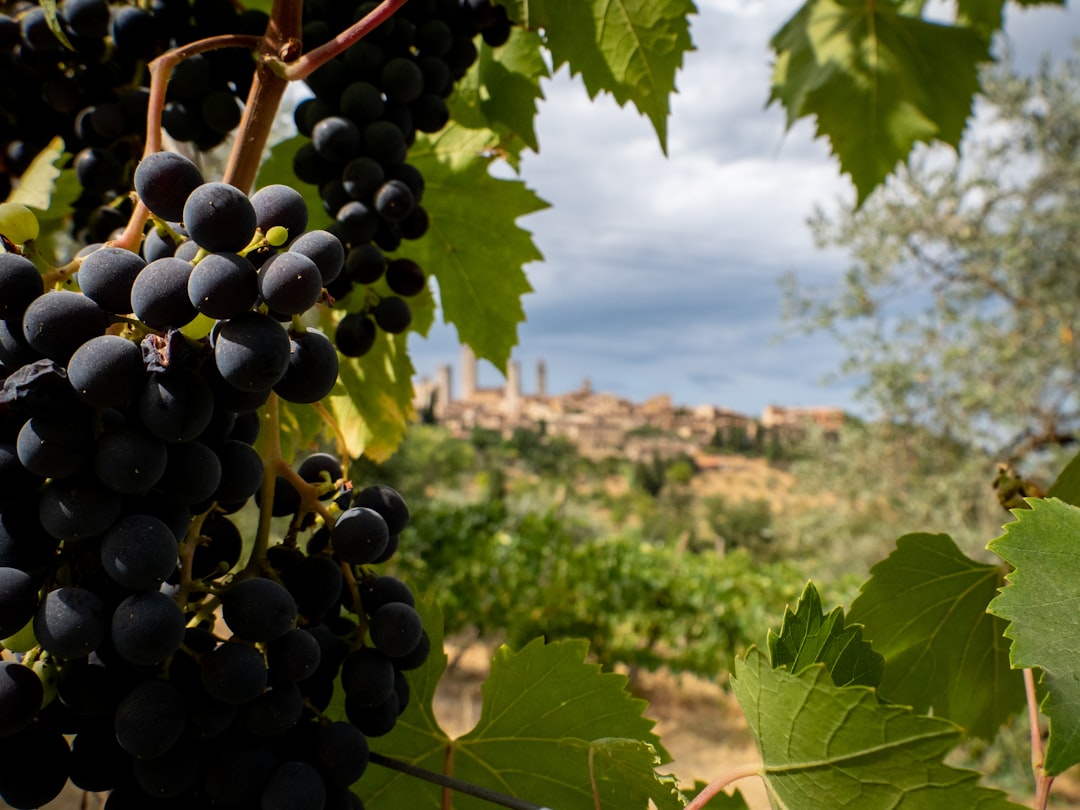
Chianti is a large wine production zone in central Tuscany, stretching across rolling hills between Florence and Siena. It is one of Italy’s most historic wine regions, with records of winemaking dating back to the thirteenth century. The zone was formally defined in 1716 by Grand Duke Cosimo III de’ Medici, making it one of the world’s earliest legally protected wine appellations.
Today, Chianti is divided into several sub-zones, the most important being:
- Chianti Classico: The historic heart of Chianti, between Florence and Siena. This is actually a separate DOCG from Chianti and produces the highest-quality wines.
- Chianti Rufina: A small zone northeast of Florence known for elegant, age-worthy wines.
- Chianti Colli Senesi: The hills around Siena, producing good-value wines.
- Other sub-zones: Chianti Colli Fiorentini, Chianti Montalbano, Chianti Colli Aretini, and Chianti Montespertoli.
Chianti Wine Regulations
Basic Chianti DOCG requires a minimum of seventy percent Sangiovese, with up to thirty percent of other approved varieties including Canaiolo, Colorino, Merlot, Cabernet Sauvignon, and Syrah. White grapes, once common in Chianti, are no longer permitted.
Chianti Classico DOCG is more restrictive, requiring a minimum of eighty percent Sangiovese with only approved red varieties permitted in the blend. Chianti Classico also has stricter yield limits and longer aging requirements.
The quality tiers within Chianti Classico are:
- Chianti Classico: Minimum twelve months aging, with the iconic black rooster (Gallo Nero) label.
- Chianti Classico Riserva: Minimum twenty-four months aging, of which three months must be in bottle.
- Chianti Classico Gran Selezione: Minimum thirty months aging, of which three must be in bottle. Must come from estate-owned vineyards. Introduced in 2014, this is the top tier.
Chianti Flavor Profile
Chianti, particularly Chianti Classico, is characterized by:
- Bright red cherry and sour cherry fruit
- Dried herbs, thyme, and oregano
- Earthy notes of leather, clay, and tobacco
- Firm, grippy tannins balanced by vibrant acidity
- Medium body with a savory, food-friendly character
- Tomato leaf and balsamic undertones
- In Riserva and Gran Selezione examples, greater depth, complexity, and oak-derived notes of vanilla and spice
What Is Brunello di Montalcino?
The Montalcino Region
Montalcino is a hilltop town located about forty kilometers south of Siena. The vineyards surrounding it occupy a distinct mesoclimate that is warmer and drier than the Chianti zone, with poor, rocky soils rich in galestro (limestone marl) and clay. The town sits at roughly 550 meters elevation, with vineyards planted on slopes between roughly 150 and 500 meters, exposing them to varying degrees of sun, wind, and temperature variation.
The relatively warm, dry conditions allow Sangiovese to achieve greater ripeness and concentration than in Chianti, producing wines with more power, depth, and aging potential. The poor soils stress the vines, limiting yields and further concentrating flavors.
Brunello Wine Regulations
Brunello di Montalcino DOCG is governed by some of Italy’s strictest winemaking regulations:
- Grape variety: One hundred percent Sangiovese (Brunello clone). No blending with other varieties is permitted.
- Aging: Minimum five years from harvest before release, including at least two years in oak barrels (of any size). Brunello di Montalcino Riserva requires a minimum of six years, with at least two in oak.
- Yields: Strictly controlled, producing smaller quantities per hectare than Chianti.
These rigorous requirements mean that Brunello is always a more concentrated, structured, and age-worthy wine than standard Chianti.
Brunello Flavor Profile
Brunello di Montalcino is characterized by:
- Dark cherry, ripe plum, and dried fig
- Dried rose petals and violet
- Earthy complexity: leather, truffle, tobacco, dried herbs
- Firm, well-integrated tannins that soften beautifully with age
- Bright acidity that provides freshness and longevity
- Full body with a powerful yet elegant structure
- In great vintages, extraordinary depth, complexity, and a finish that can last for minutes
Young Brunello can be austere and tannic, requiring patience. The best examples hit their stride at ten to fifteen years and can continue to improve for twenty to thirty years or more.
Key Differences
Blending vs. Purity
The most fundamental difference is composition. Chianti is a blended wine (or at least may include other grape varieties alongside Sangiovese), while Brunello must be one hundred percent Sangiovese. This varietal purity gives Brunello a more focused, singular expression of the grape, while Chianti’s blending potential allows for a wider range of styles and, in some cases, a more accessible, rounded character.
Aging Requirements
Brunello’s mandatory five-year aging period (six for Riserva) ensures that every bottle has significant development before release. By contrast, basic Chianti can be released after just a few months, and even Chianti Classico requires only twelve months of aging. This means Brunello arrives on the shelf more evolved, with softer tannins and more integrated flavors, though it often still benefits from additional cellaring.
Terroir and Climate
Montalcino’s warmer, drier climate produces riper, more concentrated fruit than the Chianti zone. The wines are fuller-bodied, with darker fruit flavors and greater tannic structure. Chianti’s cooler, more varied terrain produces wines with brighter acidity, lighter body, and more red-fruited character.
Price
The price difference between Chianti and Brunello is significant:
- Basic Chianti: Eight to fifteen dollars
- Chianti Classico: Fifteen to thirty dollars
- Chianti Classico Riserva/Gran Selezione: Thirty to sixty dollars
- Brunello di Montalcino: Forty to eighty dollars for entry-level
- Premium Brunello: Eighty to two hundred dollars
- Top Brunello (Biondi-Santi, Soldera, Casanova di Neri): Two hundred dollars and above
Rosso di Montalcino: The Bridge
For those who want a taste of Montalcino without the price or patience required for Brunello, Rosso di Montalcino DOC is an excellent option. Made from the same Sangiovese grapes and vineyards in Montalcino but with shorter aging requirements (minimum one year), Rosso di Montalcino is essentially a younger, more approachable version of Brunello. Many producers declassify fruit from their younger vines or less concentrated lots into Rosso, making it an outstanding value at twenty to thirty-five dollars.
Food Pairing
Pairing with Chianti
Chianti’s bright acidity and savory character make it one of the world’s great food wines, particularly with Italian cuisine:
- Pasta with tomato-based sauces (the acidity mirrors the tomato)
- Pizza Margherita
- Grilled chicken or pork
- Bruschetta and antipasti
- Hard Italian cheeses like Pecorino Toscano
- Tuscan bean soup (ribollita)
Pairing with Brunello
Brunello’s greater power and complexity demand more substantial dishes:
- Bistecca alla fiorentina (Florentine T-bone steak)
- Braised wild boar or venison
- Slow-cooked osso buco
- Aged Parmigiano-Reggiano
- Truffle dishes (fresh truffle shaved over pasta or risotto)
- Rich, long-cooked meat ragu
Aging Potential
Chianti Classico from top producers can age well for ten to fifteen years, with Riserva and Gran Selezione wines capable of twenty years or more. Basic Chianti is generally best consumed within three to five years.
Brunello di Montalcino is one of Italy’s most long-lived wines. Standard Brunello from good vintages drinks well from ten to twenty-five years, while Riserva examples from exceptional vintages can age magnificently for thirty to forty years. The legendary 1955 and 1964 vintages from Biondi-Santi, the estate that defined modern Brunello, are still drinking beautifully decades later.
Which Should You Choose?
- Choose Chianti (especially Chianti Classico) for everyday Italian dining, casual entertaining, and when you want a food-friendly red with bright acidity and approachable character. It offers outstanding value and pairs seamlessly with a wide range of dishes.
- Choose Brunello for special occasions, serious wine appreciation, and long-term cellaring. It offers one of Italy’s most profound expressions of Sangiovese and a drinking experience that rewards patience and attention.
Both wines deserve a place in any wine lover’s repertoire. Starting with Chianti Classico and working your way up to Brunello is one of the most natural and rewarding progressions in Italian wine exploration.
Explore Tuscan Wines with Sommo
Tuscany’s wine landscape can be complex, but Sommo simplifies the journey. Scan any bottle of Chianti or Brunello with the AI-powered label scanner to instantly understand its DOCG classification, aging tier, producer background, and ideal food pairings. Build your personal Tuscan wine journal, track your favorites, and compare wines across appellations and vintages. With structured learning modules on Italian wine regions and the Sangiovese grape, Sommo helps you develop genuine expertise with every glass. Download Sommo and start your Tuscan wine adventure today.
Taste the difference yourself
Scan both bottles, compare your tasting notes, and find what you actually prefer.