Sauvignon Blanc is the crisper, sharper wine: high acidity, no oak, and unmistakable grapefruit, gooseberry, and cut grass in every glass. Chardonnay is fuller and far more variable, running from lean, mineral Chablis to buttery, barrel-aged California. Both ferment dry, so the choice is texture and intensity rather than sugar. Pour Sauvignon Blanc with salads, goat cheese, and shellfish; pour Chardonnay with lobster, roast chicken, and cream sauces. Under $15 Sauvignon Blanc rarely disappoints, while Chardonnay rewards spending a little more.Quick answer
Side by side.
| Attribute | Chardonnay | Sauvignon Blanc |
|---|---|---|
| Body | Medium to full | Light to medium |
| Texture | Creamy and broad when oaked | Crisp and zesty, usually unoaked |
| Acidity | Medium, high in Chablis | High |
| Sweetness | Dry, though oak can read sweet | Dry |
| Typical alcohol | 12.5 to 14.5% | 12 to 13.5% |
| Flavor profile | Apple, pear, lemon, butter and vanilla when oaked | Grapefruit, lime, gooseberry, cut grass |
| Serving temperature | 48 to 55F (9 to 13C) | 45 to 50F (7 to 10C) |
| Price range | $10 to $200 plus, value under $25 | $8 to $40, value from Marlborough |
| Aging potential | 2 to 10 years, top Burgundy longer | 1 to 5 years, drink young |
Taste profile, side by side.
Which one should you open tonight?
When to choose which.
Chardonnay
Choose Chardonnay when you want a richer white wine for lobster, creamy pasta, or roast chicken, especially if you enjoy buttery, oak-aged flavors or elegant unoaked mineral styles.
Sauvignon Blanc
Choose Sauvignon Blanc when you want a refreshing, palate-cleansing wine for salads, seafood, goat cheese, or warm-weather sipping.
Chardonnay and Sauvignon Blanc dominate the white wine landscape, yet they could hardly be more different in style, personality, and the experiences they offer in the glass. If you have ever stood in a wine shop wondering which white to grab for dinner, understanding the fundamental differences between these two grapes will make the decision effortless. For deep-dive context, see our Chardonnay Without Apologies post and Sauvignon Blanc Decoded post.
Overview of Chardonnay and Sauvignon Blanc
Chardonnay is the world’s most popular white grape variety, planted in virtually every wine-producing country on earth. It is a remarkably adaptable grape, capable of producing everything from lean, mineral-driven Chablis to rich, butter-laden California bottlings. This chameleon-like quality is both its greatest strength and the source of considerable confusion among wine drinkers.
Sauvignon Blanc is Chardonnay’s polar opposite in many respects. Where Chardonnay adapts and transforms, Sauvignon Blanc is assertive and distinctive. Its piercing acidity, herbaceous aromatics, and vibrant citrus flavors are instantly recognizable regardless of where the grape is grown. Sauvignon Blanc made its name in the Loire Valley of France and gained worldwide fame through the explosive, tropical-fruited wines of Marlborough, New Zealand.
Grape Characteristics
Chardonnay
Chardonnay is an early-budding, early-ripening variety that thrives in both cool and warm climates. It is relatively neutral in flavor on its own, which means the winemaking process has an outsized influence on the finished wine. Decisions about oak aging, malolactic fermentation, lees stirring, and harvest timing all dramatically shape the character of the final product.
In cool climates, Chardonnay produces lean, high-acid wines with citrus and green apple flavors. In warmer regions, it develops tropical fruit notes of pineapple, mango, and ripe peach. This spectrum of styles, all from a single grape variety, is unmatched in the white wine world.
Sauvignon Blanc
Sauvignon Blanc is a vigorous, aromatic variety that ripens in mid-season. Unlike Chardonnay, it has a strong varietal identity that comes through regardless of winemaking technique. The grape is naturally high in acidity and produces wines with pronounced aromatic compounds, particularly thiols that are responsible for its characteristic grapefruit, passionfruit, and herbaceous notes.
Sauvignon Blanc is at its best when vinified in stainless steel to preserve its freshness and aromatic purity. Oak aging is used selectively, most notably in the Graves and Pessac-Leognan appellations of Bordeaux, where it adds complexity and weight without masking the grape’s essential character.
Flavor Profiles
What Does Chardonnay Taste Like?
The flavor of Chardonnay depends enormously on where it is grown and how it is made:
Unoaked Chardonnay (Chablis style): Green apple, lemon, white peach, wet stone, and chalk. These wines are crisp, lean, and mineral-driven with bright acidity and no discernible oak influence.
Lightly oaked Chardonnay (Burgundy Cote d’Or style): Ripe citrus, white flowers, hazelnut, butter, and brioche. Malolactic fermentation and time in barrel add richness and complexity while retaining elegance.
Full oaked Chardonnay (Napa Valley style): Tropical fruit, vanilla, toast, butterscotch, and cream. These wines are rich, full-bodied, and opulent, with a generous, mouth-coating texture.
What Does Sauvignon Blanc Taste Like?
Sauvignon Blanc’s flavor profile is more consistent across regions, though notable differences exist:
Loire Valley style (Sancerre, Pouilly-Fume): Flint, lemon, grapefruit, white peach, and herbs. These wines emphasize minerality and restraint, with a flinty, smoky quality in the best examples from Pouilly-Fume.
Marlborough style: Passionfruit, gooseberry, lime, cut grass, and jalapeno. These are exuberantly aromatic wines with explosive tropical fruit flavors and a zing of acidity that makes them irresistibly refreshing.
Bordeaux style: Lemon, grapefruit, fig, beeswax, and subtle oak. When blended with Semillon and barrel-fermented, Bordeaux Sauvignon Blanc gains weight and complexity while maintaining freshness.
Key Winemaking Differences
Oak and Malolactic Fermentation
The most significant stylistic divider in the Chardonnay versus Sauvignon Blanc debate revolves around oak. Chardonnay has a natural affinity for oak aging, which adds flavors of vanilla, toast, and spice while contributing to a creamier texture. Malolactic fermentation, a secondary fermentation that converts sharp malic acid into softer lactic acid, further rounds out the wine, producing the buttery quality many Chardonnay drinkers love.
Sauvignon Blanc is overwhelmingly fermented and aged in stainless steel tanks to preserve its trademark acidity and aromatics. The exceptions, such as white Bordeaux and some premium New Zealand producers, use oak judiciously and typically favor older, more neutral barrels that add texture without strong oak flavor.
Lees Contact
Both varieties benefit from lees aging, the practice of leaving the wine in contact with dead yeast cells after fermentation. For Chardonnay, extended lees contact adds bready, autolytic complexity reminiscent of freshly baked bread. For Sauvignon Blanc, brief lees contact can add a subtle creaminess that balances the wine’s bright acidity without compromising its freshness.
Body, Acidity, and Texture
- Body: Chardonnay ranges from light-bodied (Chablis) to full-bodied (oaked California and Australian styles). Sauvignon Blanc is typically light to medium-bodied.
- Acidity: Sauvignon Blanc is consistently higher in acidity, giving it a crisper, more refreshing character. Chardonnay’s acidity varies with climate and winemaking, from racy in Chablis to moderate in oaked examples where malolactic fermentation has softened it.
- Texture: Chardonnay can range from steely and mineral to creamy and buttery. Sauvignon Blanc is almost always bright, clean, and zippy.
Key Growing Regions
Chardonnay Regions
- Burgundy, France: The benchmark for Chardonnay, from the steely purity of Chablis to the rich complexity of Meursault and Puligny-Montrachet.
- Napa Valley and Sonoma, California: Rich, full-bodied Chardonnays with generous fruit and oak influence.
- Margaret River, Australia: Elegant, balanced Chardonnays that combine power with finesse.
- Champagne, France: The most important white grape in Champagne, forming the basis of Blanc de Blancs and contributing elegance to blends.
Sauvignon Blanc Regions
- Loire Valley, France: Sancerre and Pouilly-Fume produce the most mineral, terroir-driven expressions of the grape.
- Marlborough, New Zealand: The region that revolutionized Sauvignon Blanc with its exuberantly aromatic, tropical-fruited style.
- Bordeaux, France: Both as a varietal and blended with Semillon, producing wines that range from crisp and refreshing to complex and age-worthy.
- Stellenbosch, South Africa: Producing increasingly impressive Sauvignon Blancs that bridge the styles of the Loire and Marlborough.
Food Pairing
Pairing with Chardonnay
Chardonnay’s versatility at the table matches its stylistic range:
- Unoaked: Raw oysters, sushi, ceviche, light salads
- Lightly oaked: Roasted chicken, lobster, creamy pasta, soft cheeses
- Full oaked: Rich seafood like butter-poached lobster, roast pork, dishes with cream sauces, aged Comte cheese
The key is to match the wine’s weight and intensity to the dish. A rich, oaked Chardonnay would overwhelm a delicate fish course, while a lean Chablis would be lost alongside a rich cream sauce.
Pairing with Sauvignon Blanc
Sauvignon Blanc’s high acidity and herbaceous character make it a natural partner for:
- Fresh goat cheese, especially chevre
- Grilled asparagus and green vegetables
- Shellfish, particularly mussels, clams, and raw oysters
- Thai and Vietnamese cuisine
- Fresh salads with vinaigrette dressing
- Sushi and sashimi
The wine’s acidity acts as a palate cleanser, cutting through richness and amplifying fresh, green flavors in food. It is arguably the single best white wine for salads and vegetable-forward dishes.
Price and Value
Sauvignon Blanc generally offers excellent value across all price tiers. Marlborough Sauvignon Blanc, in particular, delivers remarkable quality at everyday prices, with many outstanding bottles available for under twenty dollars. Loire Valley options like Sancerre and Pouilly-Fume command a premium but remain accessible compared to top Burgundy.
Chardonnay has a wider price spread. Exceptional values exist from regions like the Macon in southern Burgundy, Chile, and parts of Australia. However, the world’s most celebrated Chardonnays from Burgundy’s Grand Cru vineyards (Le Montrachet, Corton-Charlemagne) are among the most expensive white wines produced anywhere, with prices reaching into the thousands.
Aging Potential
Top Burgundy Chardonnays, particularly from Premier and Grand Cru vineyards, can age magnificently for ten to twenty years or more, developing nutty, honeyed complexity. Oaked Chardonnays from California and Australia are generally best within five to ten years.
Sauvignon Blanc is predominantly a wine for youthful consumption, with most bottles best enjoyed within one to three years of release. The exceptions are premium Loire Valley wines and oak-aged white Bordeaux, which can develop beautifully for five to fifteen years.
Which Should You Choose?
- Choose Chardonnay if you enjoy whites with body, complexity, and the potential for richness. Its range of styles means there is a Chardonnay for virtually every palate, from crisp and mineral to full and buttery.
- Choose Sauvignon Blanc if you prefer whites that are bright, aromatic, and refreshing. Its consistency of style makes it a reliable choice, and its food-pairing versatility is unmatched among white wines.
The best approach is to explore both, paying attention to how region and winemaking shape each wine’s character. Side-by-side tastings of Chardonnay and Sauvignon Blanc are among the most illuminating exercises in wine education. For adjacent comparisons, see Pinot Grigio vs Sauvignon Blanc, Chardonnay vs Pinot Grigio, and Riesling vs Chardonnay.
Explore Chardonnay and Sauvignon Blanc with Sommo
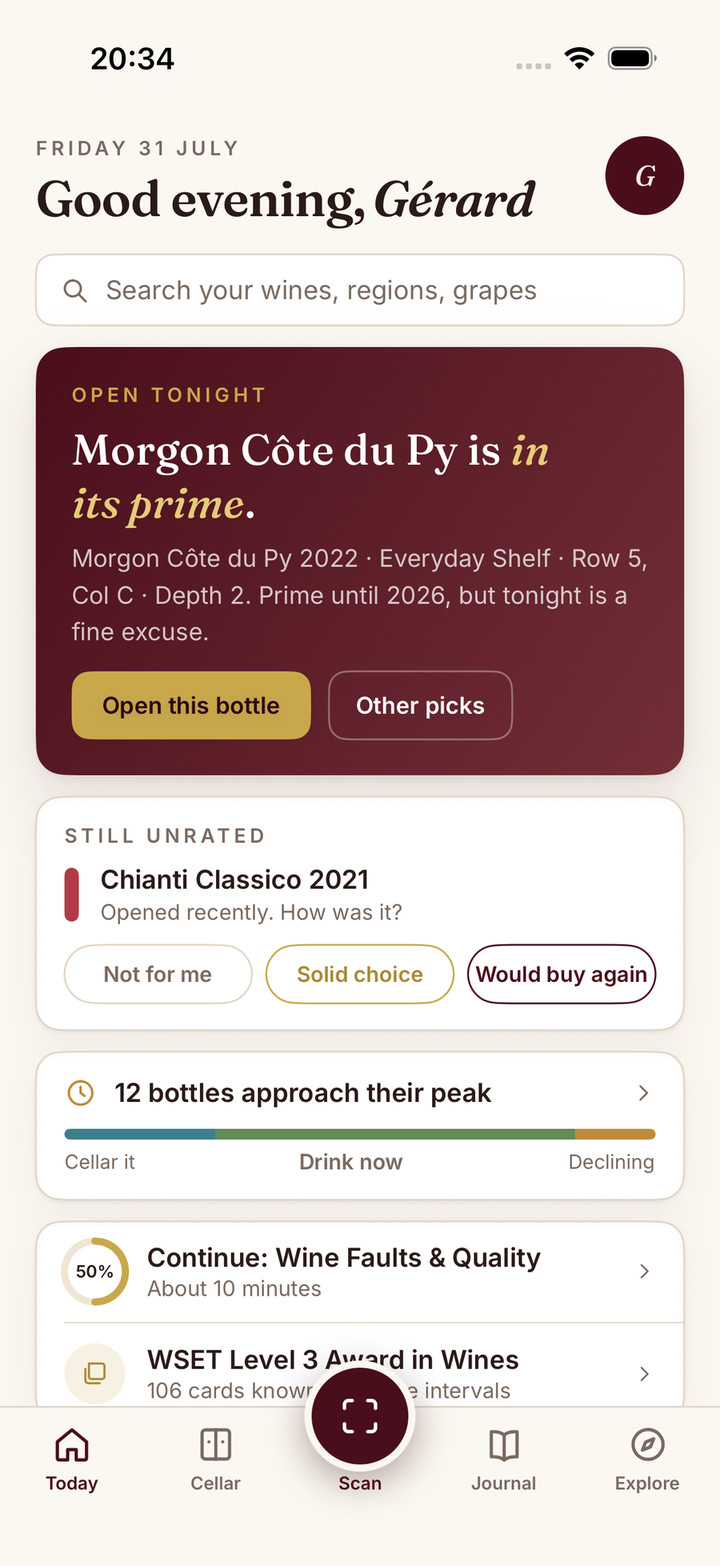
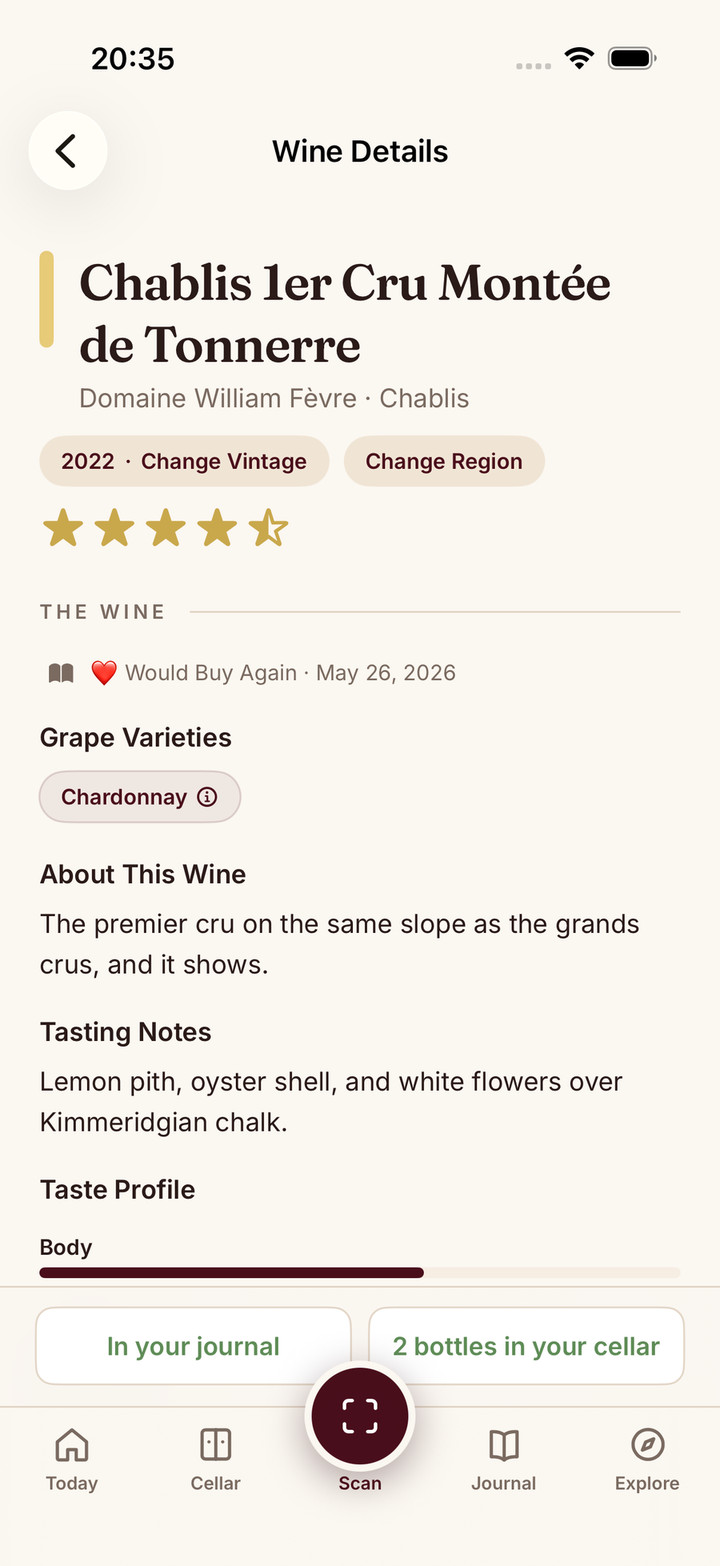
Sommo is your personal guide to understanding the world of white wine. Use the AI-powered label scanner to decode any bottle of Chardonnay or Sauvignon Blanc you encounter, getting instant insights into the winemaking style, flavor profile, and ideal food pairings. Keep a personal tasting journal to track your preferences and discover patterns in what you enjoy. With structured learning modules covering everything from grape varieties to winemaking techniques, Sommo transforms every glass into a learning opportunity. Download Sommo and take your white wine knowledge to the next level.