Champagne wins on prestige, fine mousse and the depth associated with longer minimum lees ageing. Cava wins on value: it also gets its bubbles through a second fermentation in the bottle, but uses Spanish grapes and starts at a lower price. Choose Champagne when origin and ceremony matter. Choose Cava for tapas, parties and traditional-method complexity without the premium.Quick answer
Side by side.
| Attribute | ChampagneSparkling | CavaSparkling |
|---|---|---|
| Origin | Champagne, France | Defined Spanish production zones |
| Body | Light to medium | Light to medium |
| Acidity | High | High |
| Sweetness | Brut common; several categories | Brut common; several categories |
| Bubble method | Second fermentation in bottle | Second fermentation in bottle |
| Minimum lees time | 15 months for non-vintage | 9 months for Cava de Guarda |
| Common grapes | Chardonnay, Pinot Noir, Meunier | Macabeo, Xarel-lo, Parellada |
| Flavour profile | Citrus, apple, chalk, brioche | Lemon, quince, almond, herbs |
| Serving temperature | 43 to 50F (6 to 10C) | 43 to 50F (6 to 10C) |
| Best food pairing | Oysters, chicken and aged cheese | Tapas, fried fish and rice dishes |
Taste profile, side by side.
Which sparkling wine should you buy?
When to choose which.
Champagne
Choose Champagne when protected origin, fine bubbles, long lees character and prestige are central to the occasion.
Cava
Choose Cava when traditional-method bubbles, savoury food pairing and a stronger quality-to-price ratio matter most.
Champagne wins on prestige, fine mousse and the depth created by longer minimum lees ageing. Cava wins on value: it also gets its bubbles through a second fermentation in the bottle, but uses Spanish grapes and starts at a lower price. Choose Champagne when the origin and occasion matter; choose Cava for tapas, parties and traditional-method complexity without the premium.
The Difference at a Glance
| Question | Champagne | Cava |
|---|---|---|
| Origin | Champagne, France | Defined Spanish production zones |
| Common grapes | Chardonnay, Pinot Noir, Meunier | Macabeo, Xarel-lo, Parellada and others |
| Bubble method | Second fermentation in bottle | Second fermentation in bottle |
| Minimum lees time | 15 months for non-vintage | 9 months for Cava de Guarda |
| Typical flavour | Citrus, apple, chalk, brioche | Lemon, quince, almond, herbs |
| Buying strength | Prestige and mature complexity | Value and food versatility |
The shared method is important, but it is only the start. Grapes, climate, time on lees and producer choices decide what reaches the glass.
Both Build Bubbles in the Bottle
In both regions, a still base wine goes into bottle with yeast and sugar. A second fermentation creates carbon dioxide that remains dissolved in the wine. Ageing on the spent yeast develops bread, biscuit and nutty aromas before riddling and disgorgement remove the sediment.
The Comité Champagne sets at least 15 months of maturation from second fermentation for non-vintage Champagne, with longer rules for vintage wine. D.O. Cava requires the same broad traditional method and starts Cava de Guarda at nine months. Reserva, Gran Reserva and Paraje Calificado extend that time substantially.
Taste: Chalk and Brioche or Almond and Herbs
Champagne commonly blends Chardonnay, Pinot Noir and Meunier. High acidity, cool-climate citrus and apple, chalky texture and extended lees character create the familiar lemon, toast and brioche profile.
Cava traditionally leans on Macabeo, Xarel-lo and Parellada. Young bottles can be brisk and fruity, with lemon, quince and herbs. More time on lees brings bread crust, almond and integrated bubbles. Chardonnay and Pinot Noir are also permitted, so the label and producer still matter.
Dryness Is on the Label
Do not assume Cava is sweeter or Champagne is drier. Both span sweetness categories. Brut Nature is the sharpest option, Extra Brut follows, and Brut may contain up to 12 grams of sugar per litre. Acidity and fruit ripeness change how that number feels.
If you want a bone-dry aperitif, read the term. If you want a rounder bottle for salty food, Brut can be more forgiving. The sparkling-wine beginner guide places both beside Prosecco and Crémant.
Food, Occasion and Value
Champagne’s acidity and lees complexity handle oysters, roast chicken, aged cheese and even chips. Cava is superb with tapas, fried fish, jamón, olives and rice dishes. Younger Cava also makes economic sense in cocktails; expensive Champagne loses much of its subtlety under orange juice.
At equal shelf price, Cava often buys more ageing. At equal prestige, Champagne has greater name recognition and a deeper secondary market. Compare a Cava Reserva or Gran Reserva with entry Champagne rather than assuming the lower-priced category must be simpler.
Serve both around 7 to 10 degrees Celsius in a tulip glass. A narrow bowl retains bubbles while allowing more aroma than a flute.
The Verdict
Choose Champagne when origin, long lees character and ceremony justify the premium. Choose Cava when you want bottle-fermented bubbles for food and a stronger quality-to-price ratio. The most useful upgrade is not a different name; it is more time on lees from a good producer.
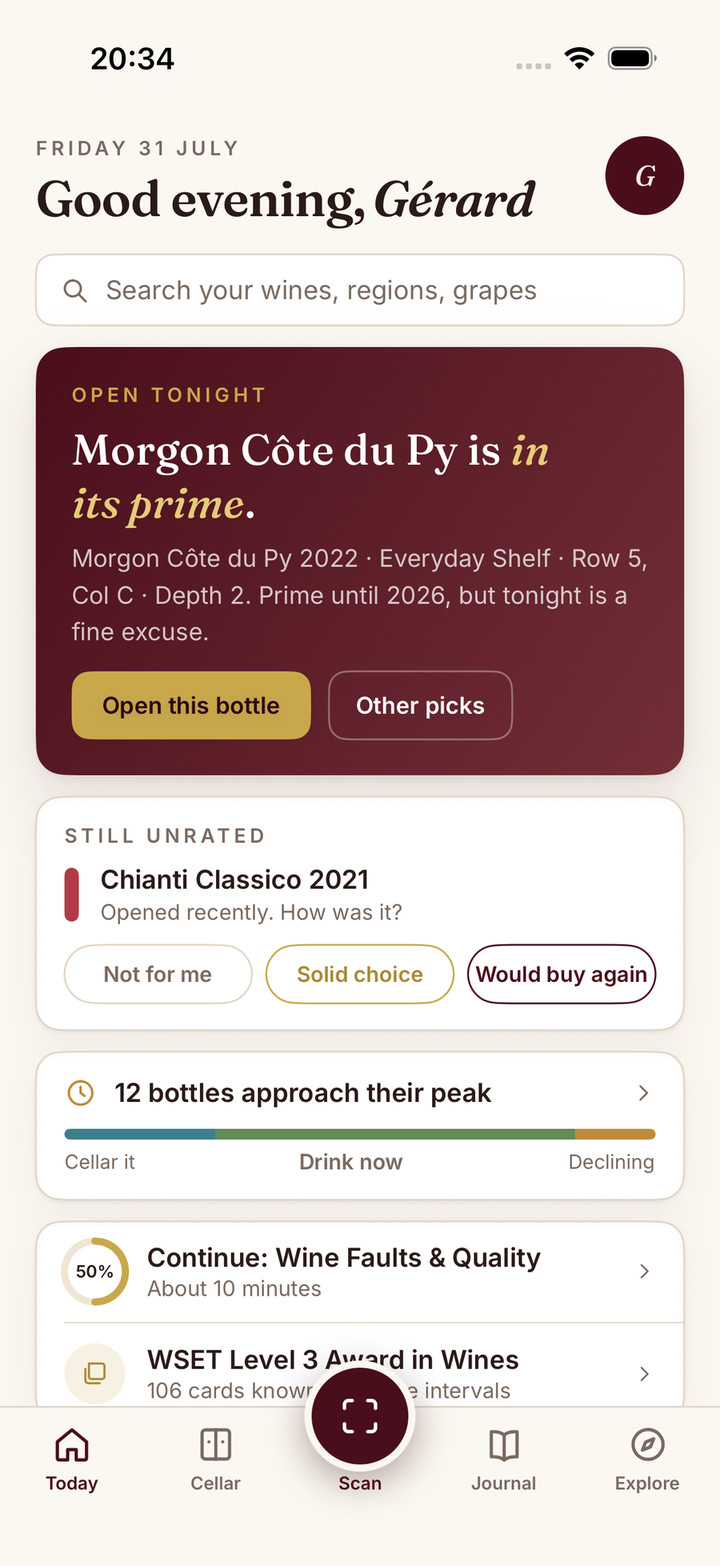
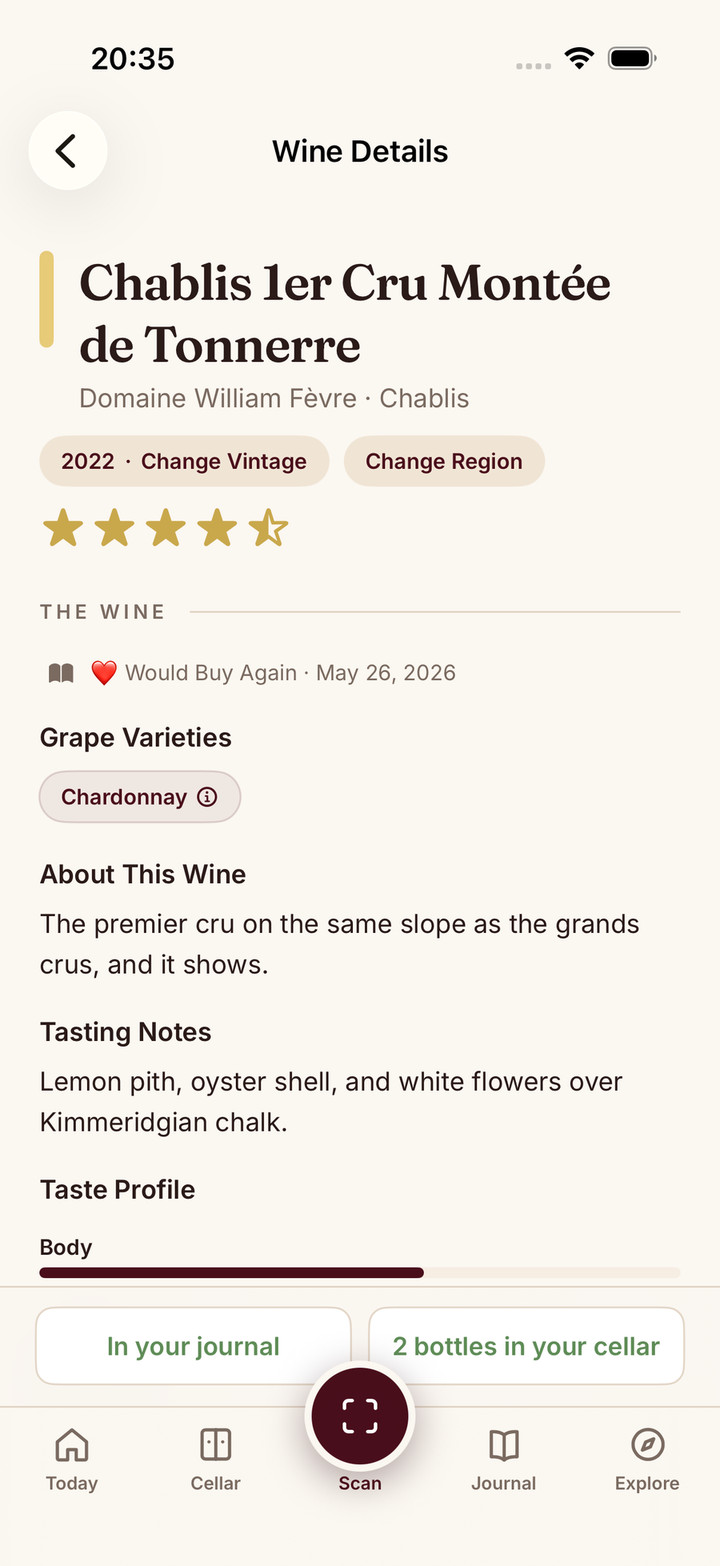
Sommo reads the category, sweetness term and producer on the exact label. Download Sommo and choose the bubbles the occasion can actually use.