Chablis is a place and Chardonnay is the grape grown there. Every Chablis is a dry white Chardonnay from northern Burgundy, but most Chardonnay comes from elsewhere. Chablis normally tastes leaner, higher in acidity and less obviously oaked, with lemon, green apple and a mineral or saline impression. Chardonnay from warmer regions or with barrel and malolactic influence can be broader, riper and creamier.Quick answer
Side by side.
| Attribute | Chablis | Chardonnay |
|---|---|---|
| Body | Light to medium | Light to full |
| Tannin | None | None |
| Acidity | High | Medium to high |
| Sweetness | Dry | Usually dry |
| Typical alcohol | About 12 to 13% | About 12 to 14.5% |
| Flavour profile | Lemon, green apple, chalk, subtle salinity | Apple to tropical fruit, butter and vanilla when made that way |
| Serving temperature | 46 to 50F (8 to 10C) | 46 to 55F (8 to 13C) |
| Price range | $18 to $100 plus by appellation | $8 to $200 plus by origin |
| Best food pairing | Oysters and simply cooked fish | Roast chicken, lobster and cream sauces |
Taste profile, side by side.
Chablis or another Chardonnay: what fits tonight?
When to choose which.
Chablis
Choose Chablis when you want a lean, high acid Chardonnay for oysters, shellfish or simply prepared fish, with little obvious oak.
Chardonnay
Choose Chardonnay by region and winemaking when you want anything from another crisp unoaked style to a broad, barrel influenced white for richer food.
Chablis is not a rival grape to Chardonnay. It is a protected wine region in northern Burgundy, and every Chablis is made from Chardonnay. The useful comparison is style: Chablis is usually lean, dry and high in acidity, while Chardonnay from warmer places or with more oak can taste broader, riper and creamier.
The Difference at a Glance
| Question | Chablis | Chardonnay elsewhere |
|---|---|---|
| What the name means | A place | A grape |
| Climate | Cool, semi continental | Cool to warm worldwide |
| Typical body | Light to medium | Light to full |
| Oak | Often none or restrained | None to strongly oaked |
| Flavour | Lemon, green apple, chalk, subtle salinity | Apple to tropical fruit, with butter or vanilla when made that way |
| Best pairing | Oysters and white fish | Roast chicken, lobster and cream sauces |
One Grape, Two Buying Signals
The word Chardonnay tells you the variety but little else. The grape is unusually responsive to climate and winemaking. In cool places it leans towards citrus and green apple. In warmer places it can show peach, melon and tropical fruit. Malolactic conversion can soften acidity and create buttery notes, while barrel fermentation or ageing can add toast and vanilla.
The word Chablis narrows the possibilities. The official Chablis body confirms one white grape, Chardonnay, across four appellation levels: Petit Chablis, Chablis, Chablis Premier Cru and Chablis Grand Cru. The region’s cool conditions preserve acidity, and its limestone rich soils are associated with the precise style buyers expect.
Does Chablis Use Oak?
The slogan that Chablis is always unoaked is useful until it becomes wrong. Many everyday examples rely on stainless steel to protect fresh citrus fruit. At Premier Cru and Grand Cru level, some producers use older barrels or a measured share of new oak to add texture. The goal is usually integration, not the obvious vanilla character found in a heavily oaked warm climate bottle.
If you want no obvious oak, begin with Petit Chablis or Chablis and check the producer’s notes. If you want more breadth without leaving the region, move to Premier Cru. The Chablis guide explains the hierarchy.
Food Pairing: Match the Sauce
For oysters, prawns, ceviche and simply grilled white fish, Chablis wins. Its acidity behaves like a squeeze of lemon, and a lean texture leaves delicate seafood intact. See the seafood pairing guide for preparation specific choices.
For butter poached lobster, roast chicken, creamy pasta or salmon, a broader Chardonnay often works better. Gentle oak and lees texture mirror butter and browning. The detailed Chardonnay pairing guide separates lean and rich styles.
Price and Label Strategy
Chardonnay is the value option when the label names only the grape and a broad region. Chablis costs more because the name covers a limited place and regulated production. Petit Chablis is the useful entry point; village Chablis offers the classic balance; Premier Cru adds site detail and depth; Grand Cru is a cellar purchase rather than an everyday seafood bottle.
Serve lean styles at 8 to 10 degrees Celsius and fuller, oaked Chardonnay at 10 to 13. Too cold and both lose aroma; too warm and oak or alcohol takes over.
A Better Way to Learn Chardonnay
Compare three bottles rather than treating Chardonnay as one flavour. Start with village Chablis, add an unoaked Chardonnay from another cool region, then add a gently oaked Chardonnay from a warmer site. Pour them at the same temperature. The first comparison separates place from grape: both cool wines may share citrus and acidity, but Chablis carries its own regional balance. The third bottle isolates the effects of riper fruit, malolactic conversion, lees and barrel work.
Taste each with an oyster, a piece of roast chicken and a spoonful of buttery sauce. Chablis should look most precise with the oyster; the broader bottle may gain ground as richness increases. This exercise also exposes a common buying mistake. Oak is not the definition of Chardonnay, and no oak is not the definition of Chablis. Climate, site, fermentation and maturation work together, so use the label as a starting signal rather than a complete tasting note.
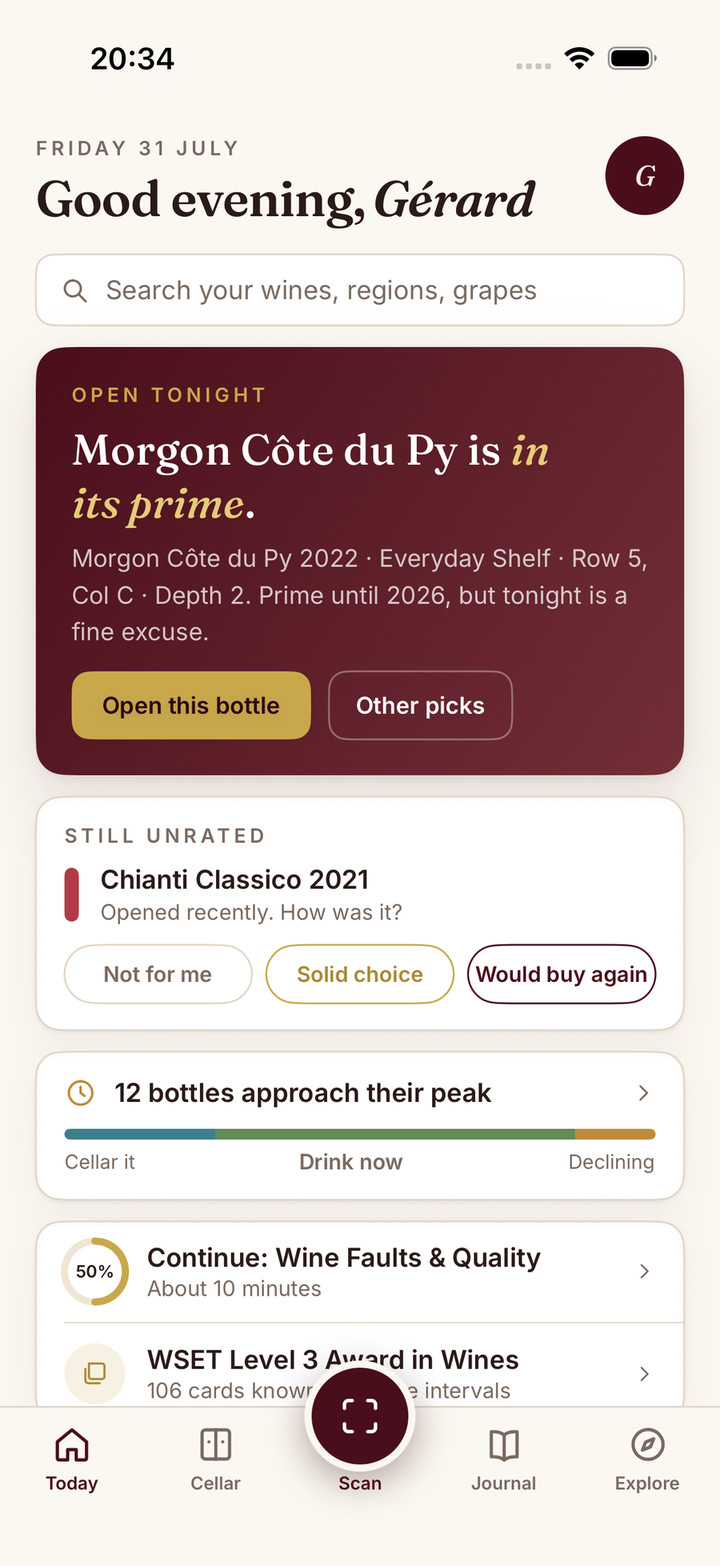
Explore with Sommo
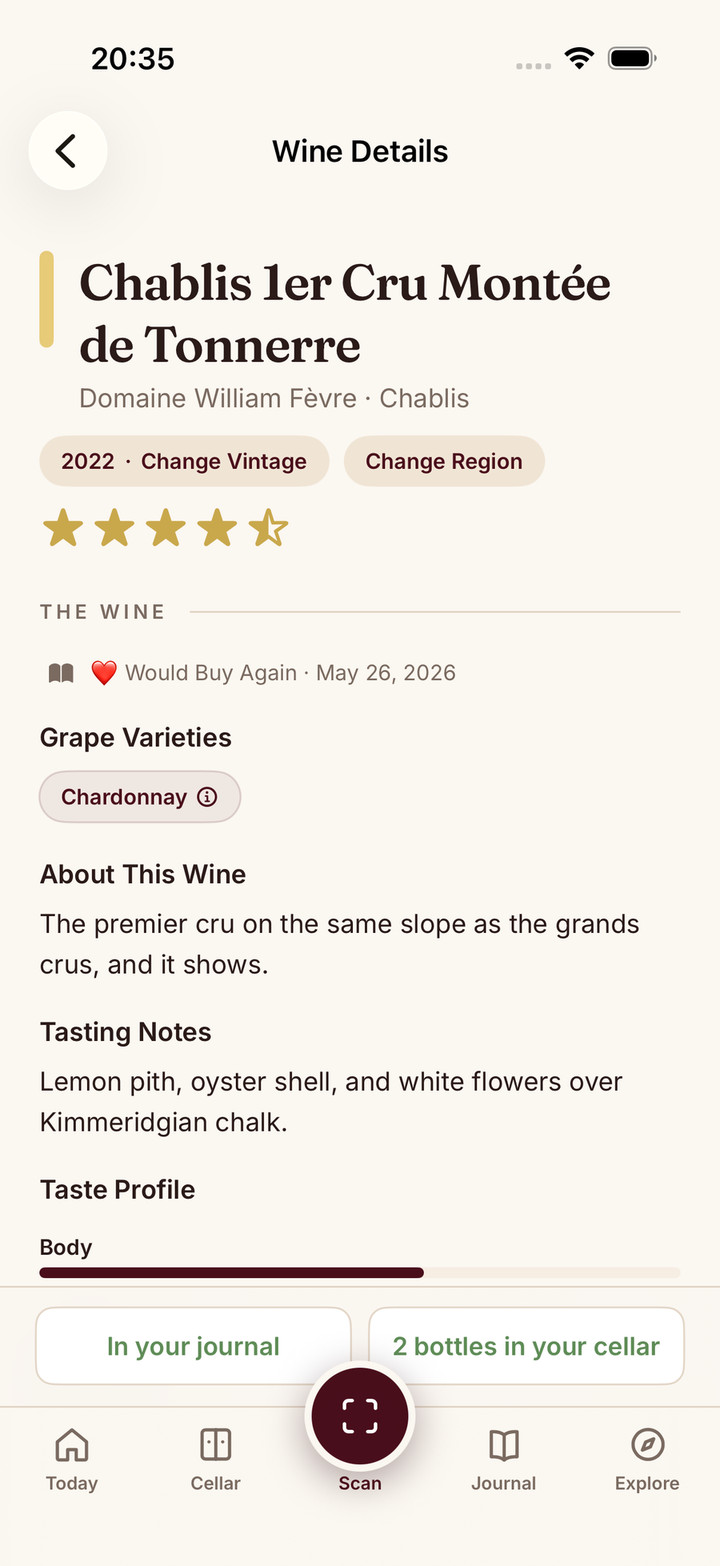
Scan a Chablis label in Sommo and the app resolves the place name to Chardonnay, then explains the appellation level, likely structure and food matches. Download Sommo and turn region first labels into useful buying clues.