Barolo vs Brunello: Which Italian Red Is Worth the Splurge?
One is built on Nebbiolo, the other on Sangiovese — and they age, taste, and pair with food differently. We break down price, peak drinking windows, and which to open tonight.
Quick Answer
Barolo is made from 100% Nebbiolo in Piedmont, producing a powerfully tannic wine with haunting aromas of tar, roses, and truffle that requires a decade or more to reach its peak. Brunello is made from 100% Sangiovese in Tuscany, offering firm structure anchored by vibrant acidity with flavors of dark cherry, leather, and dried herbs. Both are age-worthy Italian masterpieces, but Barolo is built on tannin while Brunello is built on acidity.
Side-by-Side Comparison
| Attribute | Barolo | Brunello di Montalcino |
|---|---|---|
| Body | Full, powerful, and structured | Full, firm, and generous |
| Tannins | Very high, grippy in youth, silky with age | High, firm, and well-integrated |
| Acidity | High | High (the primary aging backbone) |
| Flavor Profile | Tar, roses, dried cherry, truffle, camphor, licorice, tobacco | Dark cherry, leather, dried herbs, tobacco, dried rose, earth |
| Best Food Pairing | Braised beef, white truffle pasta, osso buco, aged Parmigiano | Bistecca alla fiorentina, braised wild boar, aged Pecorino, truffle dishes |
| Price Range | $30-$600+ (Monfortino and top crus at the peak) | $40-$400+ (Biondi-Santi and Soldera at the top) |
| Aging Potential | 10-45+ years for top producers and vintages | 10-35+ years for great vintages |
Choose Barolo
Choose Barolo when you want one of the most aromatically complex wines in the world, with tar-and-roses perfume and resolving tannins, ideal for truffle-laden Piedmontese cuisine and long cellaring.
Choose Brunello di Montalcino
Choose Brunello when you want a powerful, structured Tuscan red with generous cherry fruit and vibrant acidity, perfect alongside grilled steak, braised game, and robust central Italian cooking.
Barolo and Brunello di Montalcino stand as the twin pillars of Italian fine wine. Both carry DOCG status, both demand years of aging before release, and both produce some of the most profound, cellar-worthy red wines made anywhere in the world. Yet they are built from entirely different grapes, grown in entirely different landscapes, and express entirely different philosophies of what great Italian red wine can be. Barolo is Nebbiolo from the fog-shrouded hills of Piedmont; Brunello is Sangiovese from the sun-drenched slopes of Montalcino in Tuscany. Understanding the distinction between these two wines is one of the most rewarding journeys in the world of wine.
The Grapes: Nebbiolo vs Sangiovese
The fundamental difference between Barolo and Brunello begins in the vineyard with two very different grape varieties, each considered among Italy’s noblest.
Nebbiolo (Barolo)
Nebbiolo is one of the most paradoxical grapes in winemaking. Despite producing wines of enormous tannic structure and aging potential, its skins are thin and low in color pigment (anthocyanins). This means Barolo is often surprisingly pale, with garnet and brick-orange hues appearing within just a few years of bottling. Nebbiolo ripens late and buds early, giving it one of the longest growing seasons of any red variety. It is fiercely site-specific, performing at its best only on the calcareous marl and sandstone hillsides of the Langhe in Piedmont. The grape’s signature aromatic fingerprint is the legendary combination of tar and roses, joined by truffle, dried cherry, licorice, leather, and camphor as the wine ages.
Sangiovese (Brunello)
Sangiovese is Italy’s most widely planted red grape, but the clone grown in Montalcino, known locally as Brunello (meaning “little dark one”), is a distinct biotype with smaller berries, thicker skins, and greater concentration. Unlike Nebbiolo, Sangiovese produces wines with deeper ruby color and a different structural architecture: firm acidity is the primary aging backbone, supported by moderate to high tannins. The flavor profile centers on red and dark cherry, leather, dried herbs, tobacco, earth, and dried rose petals. Where Nebbiolo whispers of tar and truffles, Sangiovese speaks of sun-warmed leather and Tuscan earth.
The Regions: Piedmont vs Tuscany
Barolo’s Langhe Hills
Barolo comes from a compact zone of rolling hills in the Langhe, centered on five principal communes: Barolo, La Morra, Castiglione Falletto, Serralunga d’Alba, and Monforte d’Alba. The climate is continental with significant diurnal temperature variation, and the famous nebbia (fog) that rolls through the valleys in autumn plays a role in extending the growing season and moderating temperatures during Nebbiolo’s late harvest.
The soils vary dramatically across the zone. The Tortonian soils of La Morra and Barolo village are rich in calcareous blue-gray marl, producing more aromatic, elegant wines. The older Helvetian soils of Serralunga and Monforte contain compacted sandstone with higher iron content, yielding darker, more powerful, and more tannic wines that demand extended cellaring. This soil diversity means that Barolo encompasses a wide spectrum of styles under a single appellation.
Brunello’s Montalcino
Montalcino is a hilltop town roughly forty kilometers south of Siena in Tuscany. The vineyards surround the town on all sides, planted on slopes between 150 and 500 meters elevation. The climate is warmer and drier than the Chianti zone to the north, and significantly warmer than the Langhe. This extra warmth allows Sangiovese to achieve full phenolic ripeness, producing wines of greater concentration and power than other Tuscan Sangiovese expressions.
The soils are predominantly galestro (limestone marl) and clay, with some sandy areas particularly in the southern and southwestern parts of the appellation. The northern slopes near Sant’Angelo in Colle tend to produce more elegant wines, while the southern and southwestern exposures yield richer, more powerful expressions. Like Barolo, Montalcino’s terroir diversity creates meaningful variation within the appellation, though the overall stylistic range is narrower than Barolo’s.
DOCG Regulations and Aging Requirements
Both wines operate under Italy’s most stringent production regulations, but the specifics differ significantly.
Barolo DOCG
- Grape: One hundred percent Nebbiolo
- Minimum aging: Thirty-eight months from November first of the harvest year, including at least eighteen months in oak (of any size)
- Riserva: Sixty-two months total, with at least eighteen months in oak
- Maximum yields: Eight tonnes per hectare
- Minimum alcohol: Thirteen percent
Brunello di Montalcino DOCG
- Grape: One hundred percent Sangiovese (Brunello clone)
- Minimum aging: Five years from January first following the harvest, including at least two years in oak (of any size) and four months in bottle
- Riserva: Six years total, including at least two years in oak and six months in bottle
- Maximum yields: Eight tonnes per hectare
- Minimum alcohol: Twelve and a half percent
Brunello’s longer mandatory aging period (five years versus roughly three years for Barolo) means it spends more time developing in the winery before reaching consumers. However, Barolo’s higher minimum alcohol and greater tannic structure often mean it still requires more time in the cellar after release to reach its peak.
Winemaking: The Traditional vs Modern Debate
Both appellations have experienced passionate debates between traditional and modern winemaking approaches, and in both cases, the conversation has shaped the wines available today.
In Barolo
The Barolo Wars of the 1980s and 1990s pitted traditionalists like Bartolo Mascarello and Giuseppe Rinaldi, who favored long macerations in large Slavonian oak botti, against modernists like Angelo Gaja, Elio Altare, and Roberto Voerzio, who introduced shorter macerations, French barriques, and rotary fermenters. The traditionalists produced austere, tannic wines that required decades of cellaring; the modernists aimed for darker, more concentrated, and earlier-drinking wines. Today, most producers have converged on a middle path, though the philosophical divide still influences individual house styles.
In Brunello
Brunello experienced its own version of this debate, with producers like Biondi-Santi and Costanti representing the traditional approach of large Slavonian oak aging and restrained extraction, while estates like Casanova di Neri, Siro Pacenti, and Luce (a Frescobaldi-Mondavi joint venture) embraced smaller French oak and more concentrated extraction techniques. A 2008 scandal known as “Brunellogate,” in which some producers were accused of blending non-Sangiovese varieties into their Brunello, briefly shook the appellation but ultimately reinforced the commitment to varietal purity. As in Barolo, most modern Brunello producers have found a balanced approach that respects tradition while embracing selective technical improvements.
Flavor Profile Comparison
What Does Barolo Taste Like?
Young Barolo presents intense aromas of dried cherry, rose petal, tar, and licorice. The palate is powerfully structured, with firm, grippy tannins and piercing acidity that can make the wine seem austere and unapproachable. With a decade or more of aging, Barolo transforms dramatically: the tannins resolve into a fine, silky texture, and the aromatics develop extraordinary complexity. Truffle (both white and black), dried orange peel, camphor, tobacco leaf, leather, forest floor, and an ineffable earthy sweetness emerge. The best Barolos from great vintages can evolve for forty years or more, offering one of the most profound drinking experiences available in wine.
What Does Brunello Taste Like?
Brunello is built on a different structural framework. Where Barolo’s architecture is defined by its tannins, Brunello’s is anchored by its acidity. Young Brunello shows dark cherry, ripe plum, dried rose petals, and violet, with undercurrents of leather, tobacco, and dried herbs. The tannins are firm but generally less aggressive than young Barolo’s, and the fruit is riper and more generous. With age, Brunello develops earth, truffle, dried fig, balsamic undertones, and a savory complexity that is distinctly Tuscan. The best examples, from producers like Biondi-Santi, Soldera, Il Poggione, and Casanova di Neri, reach their stride at ten to fifteen years and can continue to improve for twenty-five to thirty-five years.
Key Differences
Structure
Barolo is built on tannin; Brunello is built on acidity. Both components serve as the wine’s aging backbone, but they create fundamentally different textural experiences. Barolo grips and envelops the palate with its tannic architecture, while Brunello lifts and stretches the palate with its vibrant acidity. This difference means that young Barolo often feels more imposing and austere, while young Brunello, despite its own considerable structure, tends to be somewhat more approachable.
Aromatics
Barolo’s aromatic signature, tar, roses, truffle, and camphor, is unlike anything else in wine. Brunello’s aromatic world, cherry, leather, earth, and dried herbs, is beautiful and complex but more within the mainstream of red wine aromatics. Many wine lovers consider Nebbiolo’s aromatics to be uniquely haunting and impossible to replicate.
Color
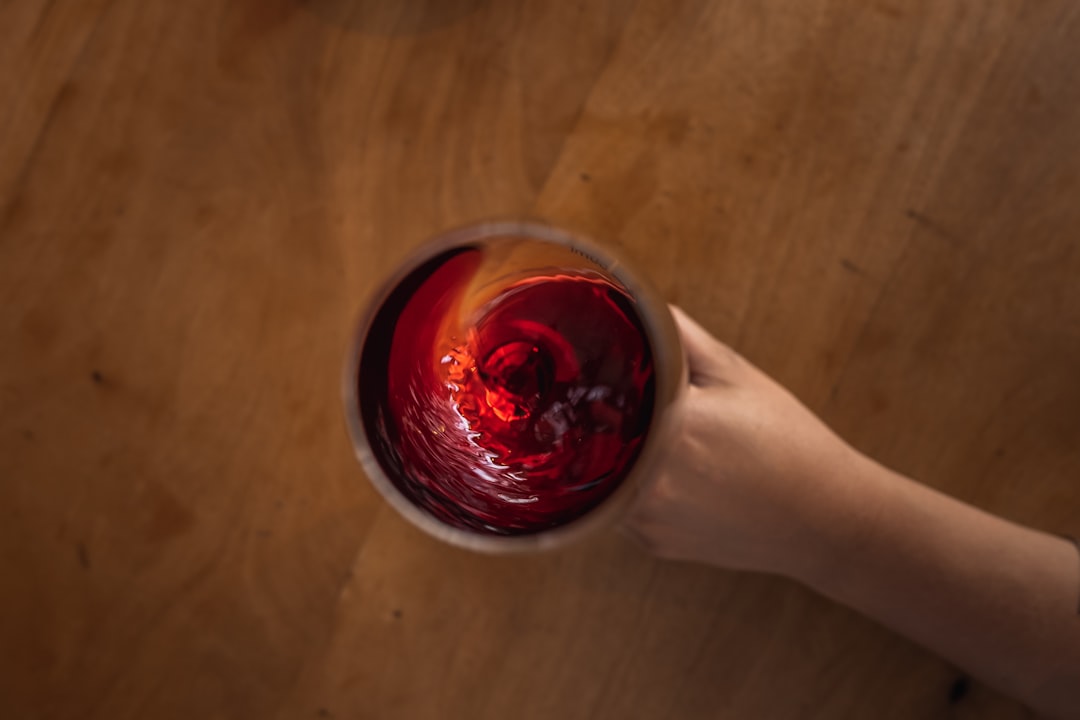
One of the most striking differences is visual. Barolo is often remarkably pale, with garnet and orange-tinged hues that can surprise drinkers expecting a deeply colored wine given its intensity on the palate. Brunello is deeper in color, with ruby to garnet tones that age to brick more slowly. The difference reflects Nebbiolo’s naturally low anthocyanin content compared to Sangiovese’s thicker-skinned Brunello clone.
Price
Both wines command serious prices, but the range differs:
- Barolo: Thirty to eighty dollars for quality village wines, eighty to two hundred dollars for single-vineyard crus, and two hundred to six hundred dollars for the most prestigious bottlings (Giacomo Conterno Monfortino, Bruno Giacosa Riserva).
- Brunello: Forty to eighty dollars for entry-level, eighty to one hundred fifty dollars for premium producers, and one hundred fifty to four hundred dollars for the most celebrated estates (Biondi-Santi, Soldera, Case Basse).
Food Pairing
Pairing with Barolo
Barolo demands rich, earthy, substantial food:
- Braised beef (brasato al Barolo is the canonical pairing)
- White truffle shaved over tajarin pasta or risotto
- Osso buco and other slow-braised meats
- Aged Parmigiano-Reggiano and Castelmagno cheese
- Wild boar and venison ragouts
- Bollito misto (Piedmontese mixed boiled meats)
- Rich mushroom risotto with porcini
Pairing with Brunello
Brunello pairs naturally with the robust cuisine of Tuscany:
- Bistecca alla fiorentina (Florentine T-bone steak)
- Braised wild boar (cinghiale) with pappardelle
- Slow-cooked meat ragu over hand-cut pasta
- Aged Pecorino Toscano and Parmigiano
- Roasted lamb with rosemary and garlic
- Truffle dishes (fresh black truffle is more typical in Montalcino than the white truffle of Piedmont)
- Ribollita and other hearty Tuscan soups alongside aged examples
Aging Potential
Barolo and Brunello are both among Italy’s most long-lived wines, and choosing between them for a cellar depends on patience and preference.
Barolo from top producers in great vintages (2010, 2013, 2016) can age for thirty-five to forty-five years, with legendary bottlings like Giacomo Conterno’s Monfortino Riserva demonstrating extraordinary development over five decades. Even standard Barolo from quality producers benefits from ten to fifteen years of cellaring after release.
Brunello has a slightly earlier drinking window on average. Standard Brunello typically shows beautifully at ten to twenty years, with Riserva examples from exceptional vintages capable of aging twenty-five to thirty-five years. The legendary Biondi-Santi Riservas from vintages like 1955 and 1964 demonstrate that the best Brunello can match Barolo’s ultimate longevity.
Which Should You Choose?
- Choose Barolo when you want one of the most aromatically complex wines in the world, built for decades of cellaring, and when you are serving rich, truffle-laden Piedmontese cuisine. Barolo rewards patience like few other wines and offers a sensory experience, the tar-and-roses perfume, the resolving tannins, the truffled earthiness, that is genuinely unique in wine.
- Choose Brunello when you want a powerful, structured red rooted in the warmth and generosity of Tuscany, ideal alongside grilled steak, braised game, and the robust flavors of central Italian cooking. Brunello is slightly more approachable in its youth and offers a broader window of enjoyment.
Both wines belong in the cellar of any serious wine collector, and exploring them side by side, a ten-year-old Barolo next to a ten-year-old Brunello, is one of the most illuminating tastings in Italian wine.
Explore Italian Wine with Sommo
Italy’s two greatest reds deserve to be understood in depth, and Sommo makes that journey intuitive. Scan any bottle of Barolo or Brunello with the AI-powered label scanner to instantly learn about its commune, vineyard, producer, DOCG classification, and optimal drinking window. Build your personal Italian wine journal, compare vintages and crus, and deepen your understanding with structured learning modules on Nebbiolo, Sangiovese, and Italy’s iconic wine regions. Whether you are opening your first Brunello or cellaring your tenth vintage of Barolo, Sommo helps you appreciate every glass more fully. Download Sommo and start exploring today.
Taste the difference yourself
Scan both bottles, compare your tasting notes, and find what you actually prefer.