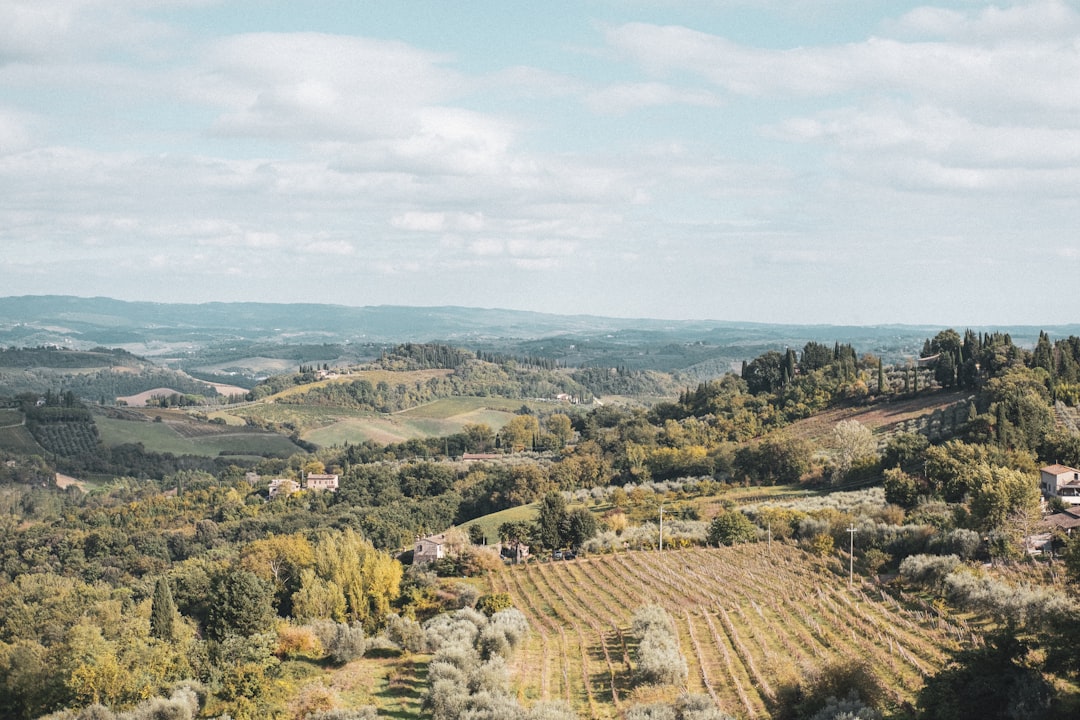
Barolo vs Barbaresco: Which Nebbiolo Should You Drink First?
Barolo or Barbaresco? Compare terroir, flavour, ageing, price, and food pairings to find the right Piedmont Nebbiolo for your palate and budget.
Quick Answer
Barolo is the more powerful and tannic of the two, requiring a minimum of 38 months aging (18 in oak) and often needing a decade or more to fully open up. Barbaresco is slightly lighter and more approachable, requiring only 26 months aging (9 in oak), with a more perfumed, elegant character. Both are 100% Nebbiolo and among Italy's greatest wines.
Side-by-Side Comparison
| Attribute | Barolo | Barbaresco |
|---|---|---|
| Body | Full, powerful, and structured | Medium-full, elegant and refined |
| Tannins | High, firm, and grippy in youth | High but finer and more approachable |
| Acidity | High | High |
| Flavor Profile | Tar, roses, dried cherry, leather, truffle, licorice, tobacco | Red cherry, violet, raspberry, spice, dried herbs, subtle tar |
| Best Food Pairing | Braised beef, osso buco, aged Parmigiano, truffle pasta, wild boar | Veal, roasted lamb, risotto, tajarin pasta, semi-aged cheeses |
| Price Range | $30-$500+ (top crus from Giacomo Conterno, Bruno Giacosa command premiums) | $25-$300+ (Gaja, Produttori del Barbaresco offer iconic examples) |
| Aging Potential | 10-40+ years for top producers and vintages | 5-25+ years; slightly earlier drinking window |
Choose Barolo
Choose Barolo when you want a powerful, age-worthy Nebbiolo for a special occasion with rich, braised meats or truffle dishes, and you have the patience to cellar it.
Choose Barbaresco
Choose Barbaresco when you want an elegant, slightly more approachable Nebbiolo for a refined meal, or when you prefer perfumed aromatics and a somewhat earlier drinking window.
Barolo and Barbaresco are the two crown jewels of Piedmont’s Langhe hills, both made from 100% Nebbiolo and both considered among the greatest wines produced in Italy or anywhere in the world. They are often mentioned in the same breath, yet they possess distinct personalities shaped by different terroirs, aging requirements, and winemaking philosophies. For serious wine lovers, understanding the nuances that separate Barolo from Barbaresco is one of the most rewarding chapters in Italian wine education.
Overview of Barolo and Barbaresco
Barolo, often called the “King of Wines and Wine of Kings,” comes from the communes of Barolo, La Morra, Castiglione Falletto, Serralunga d’Alba, and Monforte d’Alba in the Langhe hills south of Alba. The appellation covers roughly 2,100 hectares of vineyard and produces some of the most structured, powerful, and age-worthy red wines in the world. Barolo has been a DOCG since 1980, and its wines must age a minimum of 38 months after harvest (18 months in oak) before release, with Riserva requiring 62 months.
Barbaresco lies just northeast of Alba, encompassing the communes of Barbaresco, Neive, Treiso, and a small part of San Rocco Seno d’Elvio. The appellation is smaller than Barolo at roughly 800 hectares, and its wines tend to be somewhat more refined and approachable. Barbaresco received DOCG status in 1980 as well, requiring a minimum of 26 months aging (9 months in oak), with Riserva demanding 50 months. The shorter aging requirement reflects the wine’s generally lighter structure and earlier accessibility.
The Nebbiolo Grape
Both Barolo and Barbaresco are made exclusively from Nebbiolo, one of the world’s most complex and terroir-sensitive grape varieties. Nebbiolo is named either for the fog (nebbia) that blankets the Langhe hills during the October harvest or for the grape’s abundant bloom (pruina) that gives the berries a foggy appearance.
Nebbiolo is a late-ripening variety that buds early, giving it one of the longest growing seasons of any red grape. This extended hang time allows for the development of extraordinary aromatic complexity while the grape maintains its trademark high acidity and firm tannins. Paradoxically, despite producing wines of immense structure and tannin, Nebbiolo’s skin is relatively thin and contains low levels of anthocyanins, resulting in wines that are often surprisingly pale in color, with garnet to brick-orange hues even in relative youth.
The grape is notoriously sensitive to site. It performs best on south and southwest-facing slopes at altitudes between 200 and 450 meters, where it receives optimal sun exposure during the long autumn ripening season. The two dominant soil types in the Langhe are calcareous marl and sandstone, and the balance between these components in different vineyard sites is a primary driver of the stylistic differences between individual crus and between Barolo and Barbaresco more broadly.
Terroir and Climate Differences
Barolo’s Terroir
Barolo’s communes sit at slightly higher elevations on average than Barbaresco’s, and the appellation extends further from the moderating influence of the Tanaro River. This results in marginally cooler conditions and a longer growing season, which contributes to the wines’ greater structural intensity.
The soil composition varies significantly across Barolo’s communes. The Tortonian soils of La Morra and Barolo village are composed primarily of calcareous marl (blue-gray clay and limestone), producing wines that tend to be more aromatic, elegant, and earlier-drinking. The Helvetian soils of Serralunga d’Alba and Monforte d’Alba contain more compacted sandstone and are richer in iron, producing darker, more powerful, and more tannic wines that demand extended cellaring.
Legendary crus include Cannubi (Barolo village), often considered the appellation’s greatest single site, with wines of remarkable balance and complexity; Brunate (La Morra/Barolo), known for powerful, structured wines; Francia (Serralunga), producing profoundly concentrated wines from Giacomo Conterno; and Bussia (Monforte), yielding perfumed, complex Barolo from producers like Aldo Conterno and Giacomo Fenocchio.
Barbaresco’s Terroir
Barbaresco’s vineyards are generally situated at lower elevations than Barolo’s and benefit from greater proximity to the Tanaro River, whose moderating influence creates a slightly warmer microclimate. This means Nebbiolo ripens a few days to a week earlier in Barbaresco, producing wines that are somewhat less tannic and more immediately perfumed.
The soils in Barbaresco are predominantly Tortonian calcareous marl, similar to the soils of La Morra and Barolo village but generally with a higher proportion of limestone. This geological consistency, combined with the warmer microclimate, produces wines with a more unified stylistic identity than Barolo, which spans a wider range of soil types and exposures.
Barbaresco’s most celebrated crus include Asili and Rabaja in the commune of Barbaresco, producing wines of exceptional perfume and finesse; Santo Stefano in Neive, famous for the powerful, structured wines of Bruno Giacosa; Pajore in Treiso, yielding intensely mineral Barbaresco; and Montestefano in Barbaresco, known for aromatic complexity and structure.
Flavor Profiles
What Does Barolo Taste Like?
Barolo is one of the most aromatically complex wines in the world. In its youth, expect intense aromas of dried cherry, rose petal, tar, and licorice, the classic “tar and roses” combination that is Barolo’s aromatic signature. As the wine ages, it develops extraordinary tertiary complexity: truffle (both black and white), dried herbs, tobacco leaf, leather, dried orange peel, camphor, and an earthy, forest floor quality that is deeply evocative of the Piedmontese landscape.
On the palate, young Barolo can be formidably tannic, with a firm, gripping structure that demands patience. The acidity is high and penetrating, providing the wine’s aging backbone alongside its tannins. With a decade or more of cellaring, the tannins resolve into a fine-grained, silky texture, and the wine reveals layers of flavor that unfold over hours in the glass. The best Barolos from producers like Giacomo Conterno (Monfortino), Bruno Giacosa (Falletto), Bartolo Mascarello, Giuseppe Rinaldi, and Roberto Voerzio are among the most profound wines produced anywhere in the world.
What Does Barbaresco Taste Like?
Barbaresco shares many of Barolo’s aromatic hallmarks but expresses them with a lighter, more perfumed touch. The classic aromatics are similar: red cherry, rose, violet, dried herbs, and spice, with tar and licorice present but less dominant than in Barolo. Barbaresco tends to show more floral notes, more red fruit (as opposed to Barolo’s darker fruit), and a more immediately inviting aromatic profile.
On the palate, Barbaresco is medium-full bodied with high acidity and firm tannins, though the tannins are generally finer and less aggressive than Barolo’s in youth. The wine is often approachable at an earlier stage, with a grace and elegance that has led some commentators to call it the “Queen” to Barolo’s “King.” This does not mean Barbaresco is a lesser wine; rather, it emphasizes a different facet of Nebbiolo’s personality.
Benchmark producers include Angelo Gaja, whose single-vineyard Barbarescos (Sori San Lorenzo, Sori Tildin, Costa Russi) helped define the modern appellation; Produttori del Barbaresco, a cooperative that produces remarkable single-vineyard Riservas at accessible prices; Bruno Giacosa, whose Santo Stefano bottlings are legendary; and Roagna, whose traditional, long-macerated wines show extraordinary aging potential.
Winemaking: Traditionalists vs Modernists
Both Barolo and Barbaresco have been shaped by a philosophical debate between traditionalist and modernist winemakers that heated up in the 1980s and 1990s. Understanding this divide provides essential context for the wines you encounter today.
Traditionalists (Bartolo Mascarello, Giuseppe Rinaldi, Giacomo Conterno, Produttori del Barbaresco) favor long macerations (sometimes 30-60 days), large Slavonian oak botti for aging, and minimal new oak. Their wines tend to be more tannic and austere in youth but develop extraordinary complexity with extended cellaring. The traditionalist philosophy is that great Nebbiolo needs time, not technology.
Modernists (Angelo Gaja, Roberto Voerzio, Luciano Sandrone, Elio Altare) introduced shorter macerations, French barrique aging (small, often new oak barrels), temperature-controlled fermentation, and green harvesting for lower yields. Their wines are typically darker, more concentrated, and more approachable in youth, with more evident oak influence.
Today, the debate has largely resolved into a middle ground, with most producers combining elements of both approaches. Long maceration with some barrique aging, or moderate maceration with large botti, are common hybrid approaches that seek to honor tradition while producing wines that are enjoyable at different stages of their evolution.
Key Differences at a Glance
While Barolo and Barbaresco share the same grape and general region, several key differences distinguish them:
Structure and Power: Barolo is generally more powerful, tannic, and structured. Barbaresco is more elegant, refined, and approachable.
Aging Requirements: Barolo requires 38 months total aging (62 for Riserva). Barbaresco requires 26 months (50 for Riserva). These legal minimums reflect the wines’ different structural profiles.
Drinking Window: Barolo typically needs longer cellaring to reach its peak, often ten to fifteen years for standard releases and twenty to thirty years for Riserva from top vintages. Barbaresco is generally approachable five to eight years after release, though the finest examples age beautifully for fifteen to twenty-five years.
Price: Barolo generally commands higher prices, reflecting greater global demand and the appellation’s larger reputation. However, Barbaresco offers extraordinary value at its best, with producers like Produttori del Barbaresco delivering world-class wine at remarkably reasonable prices.
Food Pairing
Pairing with Barolo
Barolo’s power, tannin, and complexity demand equally substantial food:
- Braised beef (brasato al Barolo is the classic pairing)
- Osso buco and other long-braised meats
- Truffle pasta, particularly tajarin with white Alba truffle
- Wild boar ragu and game dishes
- Aged Parmigiano-Reggiano and Castelmagno cheese
- Bollito misto (Piedmontese mixed boiled meats)
- Rich, earthy risotto with porcini mushrooms
The traditional Piedmontese table is built around Barolo. The wine’s high acidity cuts through the richness of braised meats, while its tannic structure pairs naturally with protein-heavy dishes. Barolo and white truffle is one of the world’s great gastronomic combinations, with the wine’s earthy, tar-and-roses complexity echoing the truffle’s intoxicating aroma.
Pairing with Barbaresco
Barbaresco’s more refined character opens up slightly lighter pairing options:
- Roasted veal and lamb
- Tajarin pasta with butter and sage
- Vitello tonnato (cold veal with tuna sauce)
- Risotto al Barolo (or Barbaresco) with saffron
- Agnolotti del plin (small Piedmontese stuffed pasta)
- Semi-aged cheeses like Toma piemontese
- Roast duck and guinea fowl
- Mushroom-based dishes
Barbaresco’s elegance allows it to pair with dishes that might be overwhelmed by a young, tannic Barolo. It is a more versatile wine at the table, capable of complementing both rich braises and lighter preparations.
Price and Value
Barolo prices start around thirty dollars for entry-level village wines from reliable producers and climb steeply for single-vineyard crus. Mid-range Barolo from respected estates like Vietti, G.D. Vajra, Massolino, and Giacomo Fenocchio generally falls between forty and eighty dollars. The most prestigious crus from Giacomo Conterno (Monfortino Riserva), Bruno Giacosa (Rocche del Falletto Riserva), and Bartolo Mascarello command two hundred to five hundred dollars or more, with the rarest bottlings reaching into four figures at auction.
Barbaresco starts at a slightly lower price point, with excellent village wines available from twenty-five to forty-five dollars. Produttori del Barbaresco’s single-vineyard Riservas, widely considered among the best values in Italian wine, generally retail for thirty-five to fifty-five dollars. Top single-vineyard bottlings from Gaja, Bruno Giacosa, and Roagna range from one hundred to three hundred dollars, with Gaja’s flagship crus commanding the highest premiums.
For sheer value, Barbaresco, particularly from Produttori del Barbaresco, is one of the most compelling options in the world of age-worthy fine wine.
Aging Potential
Both Barolo and Barbaresco are among the longest-lived wines in the world, though Barolo has a slight edge in ultimate longevity.
Top Barolo from great vintages (2010, 2013, 2016) can age for forty years or more, with Monfortino Riserva from Giacomo Conterno and Riserva bottlings from Bruno Giacosa demonstrating evolution over five decades. Even standard Barolo from quality producers typically improves for ten to twenty years.
Barbaresco has a somewhat earlier drinking window, with most quality examples showing beautifully at five to fifteen years and the finest Riservas capable of aging twenty to thirty years. Bruno Giacosa’s Santo Stefano Riserva, with its red label indicating exceptional vintage quality, is perhaps the ultimate demonstration of Barbaresco’s aging potential, developing extraordinary complexity over decades.
Which Should You Choose?
The choice between Barolo and Barbaresco is more nuanced than simply choosing power versus elegance:
- Choose Barolo when you want a wine of commanding power and structure for a special occasion featuring rich, braised meats, truffle dishes, or aged cheese. If you have the patience to cellar wine for a decade or more, Barolo rewards waiting like few other wines on earth.
- Choose Barbaresco when you want an equally serious Nebbiolo with a more refined, perfumed character and a somewhat earlier drinking window. It is ideal for elegant dinners, lighter meat dishes, and occasions when you want complexity without the imposing tannin structure of young Barolo.
The most complete understanding comes from exploring both appellations. Tasting a Barolo from Serralunga alongside a Barbaresco from Neive, or comparing La Morra’s elegance with Asili’s perfume, reveals the full spectrum of what Nebbiolo can achieve in the hills of Piedmont.
Barolo, Barbaresco, and Brunello: How Do They Compare?
Many wine lovers arrive at Barolo and Barbaresco after encountering Brunello di Montalcino — Italy’s other great age-worthy red. All three share long ageing requirements, firm tannins, and the ability to develop extraordinary complexity over decades, but they are made from different grapes in different regions.
Brunello di Montalcino, made from Sangiovese (called Brunello locally) in Tuscany, tends to be somewhat more immediately approachable than Barolo in its youth, with a brighter fruit profile and less of the tar and rose character that defines Nebbiolo. Barolo and Barbaresco reach greater structural heights and offer more tertiary complexity with age, but require more patience. Brunello sits stylistically between the two Piedmontese wines in terms of power, though the finest examples rival Barolo for sheer profundity.
For a direct comparison, see our guide to Barolo vs Brunello.
FAQ
Q: Which is better, Barolo or Barbaresco?
A: Neither is objectively better — they are different expressions of the same grape. Barolo is more powerful, tannic, and structured, rewarding extended cellaring with extraordinary complexity. Barbaresco is more elegant, perfumed, and approachable at an earlier age. The best Barbarescos from producers like Bruno Giacosa and Produttori del Barbaresco rival the finest Barolos in quality. Your preference depends on whether you favour power and longevity or finesse and earlier drinkability.
Q: Is Barbaresco cheaper than Barolo?
A: Generally, yes. Entry-level Barbaresco starts around twenty-five to forty-five dollars, while Barolo typically begins around thirty dollars and climbs more steeply for single-vineyard crus. Barbaresco offers exceptional value at the mid-range, with Produttori del Barbaresco’s single-vineyard Riservas retailing for thirty-five to fifty-five dollars — widely considered among the best values in Italian fine wine. At the top end, Barolo’s most prestigious crus command higher prices, though Gaja’s Barbarescos are a notable exception.
Q: What food pairs with Barolo vs Barbaresco?
A: Barolo’s power and tannic structure pair best with rich, hearty dishes: braised beef (brasato al Barolo), truffle pasta, wild boar ragu, aged Parmigiano-Reggiano, and bollito misto. Barbaresco’s lighter, more refined character suits elegant dishes like roasted veal, agnolotti del plin, vitello tonnato, risotto, and roast duck. Both wines are natural partners for Piedmontese cuisine, but Barbaresco is more versatile at the table with lighter preparations.
Q: Which should a beginner try first, Barolo or Barbaresco?
A: Barbaresco is the better starting point for Nebbiolo beginners. Its shorter aging requirements mean it is more approachable in youth, with softer tannins and a more immediately inviting aromatic profile. A village-level Barbaresco from Produttori del Barbaresco or a producer like Paitin or Cascina delle Rose offers an accessible introduction to Nebbiolo’s signature tar, rose, and cherry character without the firm tannic grip that can make young Barolo challenging. Once you appreciate Barbaresco, graduating to Barolo with some bottle age is a natural next step.
Explore Barolo and Barbaresco with Sommo
The Sommo app is your guide to navigating the complexities of Piedmontese wine. Use the AI-powered label scanner to instantly identify any bottle of Barolo or Barbaresco, learning about its commune, vineyard cru, producer, aging classification, and optimal drinking window. Track your Nebbiolo journey in your personal wine journal, compare different crus and vintages, and deepen your knowledge with structured learning modules on Italian wine regions and grape varieties. Whether you are opening your first bottle of Barbaresco or building a Barolo cellar for the decades ahead, Sommo makes the experience richer and more rewarding. Download Sommo today and start exploring.
Taste the difference yourself
Scan both bottles, compare your tasting notes, and find what you actually prefer.