Syrah vs Shiraz: Same Grape, Two Worlds
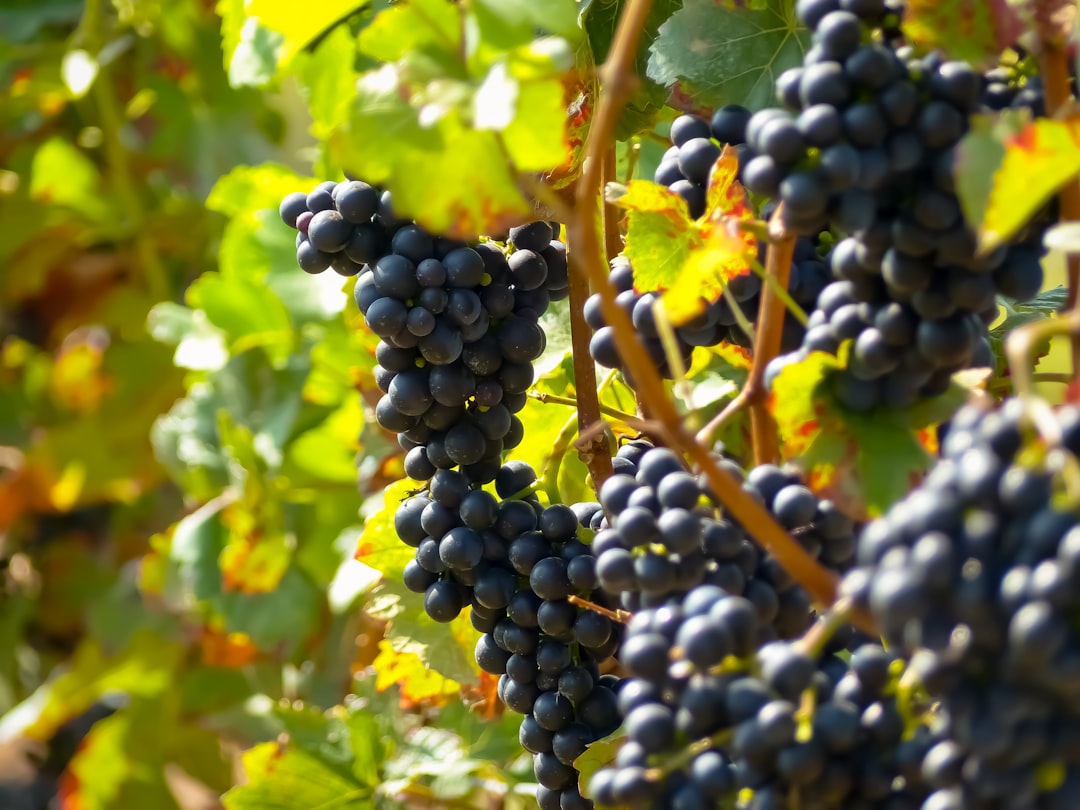
Syrah and Shiraz are the same grape but produce radically different wines. Discover how climate and winemaking create two distinct personalities from one variety.
Characteristics
- Syrah: pepper, violet, olive, structured elegance
- Shiraz: dark fruit, chocolate, licorice, bold richness
- Full-bodied with firm tannins in both expressions
- Exceptional aging potential from top producers
Key Regions
Food Pairings
- Syrah: duck confit, charcuterie
- Shiraz: BBQ ribs, braised short ribs
- Both: lamb, aged hard cheeses
Serving Temperature
60-65°F (16-18°C)
One Grape, Two Names
France calls it Syrah; Australia calls it Shiraz. It is the same variety, but the names often signal more than geography. They reflect different philosophies: restraint versus ripeness, savoury structure versus generous fruit, and traditions shaped by climate and cellar habit. The split is not snobbery; it is a useful shorthand for what tends to be in the bottle. For a full introduction to the grape, including classic Syrah benchmarks and general tasting vocabulary, start with our Syrah guide. This page leans into the comparison and, especially, what “Shiraz” has come to mean in the glass.
Syrah: The French Expression
In the Northern Rhône, Syrah shows its most detailed face. Appellations such as Côte-Rôtie, Hermitage, and Cornas deliver pepper, violet, olive tapenade, smoked meat, and a spine of acidity that keeps the wine lifted even when it is full-bodied. Tannins are firm but refined; alcohol is often moderate compared with the hottest New World sites. Farther south, Syrah is the structural backbone of many Rhône Valley blends, notably GSM (Grenache, Syrah, Mourvèdre), where it adds colour, spice, and age-worthiness. If you love linear, savoury reds that reward cellaring, the French Syrah lineage is your compass.
Shiraz: The Australian Expression
When the same clone meets a warmer, sunnier season and a culture that embraced richness, “Shiraz” became a style as much as a synonym. The heartland is the Barossa Valley, where old vines and generous ripeness yield dense blackberry, plum, dark chocolate, liquorice, and spice, with alcohol and texture to match. McLaren Vale often adds blue fruit and a polished, modern gloss; Hunter Valley can show earthier, medium-bodied characters in cooler years. Eucalyptus or menthol hints appear in some Australian bottlings, a signature of place and canopy as much as the grape itself. Shiraz, in this sense, is the bold, fruit-forward pole of the variety’s personality.
The New World Spectrum
Outside France and Australia, producers choose labels deliberately. South Africa may bottle “Syrah” for a leaner, peppery profile or “Shiraz” for a riper, plusher wine from the same country. Washington State, particularly the Columbia Valley, often splits the difference: ripe dark fruit with fresher acidity than the warmest Australian examples. Chile illustrates the grape’s chameleon quality: cooler coastal or high-altitude sites echo Northern Rhône elegance, while warmer inland valleys push concentration and sweetness of fruit. The lesson is simple: read the back label, the region, and the alcohol level, not only the word on the front.
Food Pairings
Lean into contrast. Classic Syrah suits duck confit, game birds, charcuterie boards with olives and cured meats, and roasted vegetables with herbs and smoke. Big Australian Shiraz calls for barbecue, braised short ribs, smoked brisket, and sticky glazes where the wine’s richness meets the dish head-on. Both sides of the family handle lamb and mature hard cheeses with ease; adjust your pick to whether you want lift and pepper or depth and decadence.
Learn More with Sommo
Download Sommo to scan labels, compare Syrah and Shiraz in the wild, and remember which style you prefer. Whether you are hunting peppery Rhône Valley structure or plush Barossa Valley generosity, the app helps you decode the bottle and build confidence glass by glass.
Get to know this grape better
Scan wines, build tasting notes, and learn what makes every grape unique.
This grape features in the WSET Level 2 Cheat Sheet. Studying for your exam? Try the free Level 2 mock exam.