Sangiovese Wine Guide
Explore Sangiovese, the heart of Italian wine. Learn about Chianti, Brunello di Montalcino, and the grape that defines Tuscan winemaking.
Characteristics
- Medium to full-bodied with high acidity
- Flavors of sour cherry, plum, herbs, and leather
- Firm tannins that soften with age
- Highly food-friendly due to natural acidity
Key Regions
Food Pairings
- Pasta with tomato-based sauces
- Grilled steak Florentine
- Wild boar ragu
- Aged Pecorino cheese
Serving Temperature
60-65°F (16-18°C)
The Soul of Tuscany
Sangiovese is Italy’s most planted red grape and the defining variety of Tuscany. Its name derives from Latin, meaning “blood of Jove” (Jupiter), reflecting its ancient heritage in Italian winemaking. From everyday Chianti to prestigious Brunello di Montalcino, Sangiovese produces wines of remarkable versatility.
Tasting Sangiovese
Classic Flavors
- Fruit: Sour cherry, red plum, strawberry, tomato
- Secondary: Dried herbs, tea leaves, leather, earth
- With age: Tobacco, balsamic notes, tar, dried flowers
On the Palate
Medium to full-bodied with high acidity and firm tannins. The naturally high acidity makes it exceptional with food. Typically 12.5-14% alcohol.
World Regions
Chianti, Tuscany
The most famous Sangiovese region, producing wines ranging from everyday sippers to age-worthy Chianti Classico Riserva. The wines often show the classic cherry and herbal character with firm structure.
Montalcino, Tuscany
Home to Brunello di Montalcino, 100% Sangiovese wines that must age for five years before release. These are powerful, complex wines built for decades of cellaring.
Montepulciano, Tuscany
Vino Nobile di Montepulciano uses Sangiovese (locally called Prugnolo Gentile) to produce elegant, refined wines at more accessible prices than Brunello.
Food Pairings
Sangiovese’s high acidity and savory character make it the perfect partner for Italian cuisine:
- Pasta with tomato-based sauces
- Grilled steak Florentine
- Wild boar ragu
- Aged Pecorino cheese
The Super Tuscan Revolution
In the 1970s, pioneering winemakers began blending Sangiovese with Cabernet Sauvignon and Merlot, creating “Super Tuscan” wines that broke tradition but gained worldwide acclaim. Wines like Tignanello and Sassicaia showed Sangiovese’s potential for greatness.
Learn More with Sommo
Use the Sommo app to discover Sangiovese wines from different Tuscan appellations, compare styles, and find your ideal Italian red for pasta night.
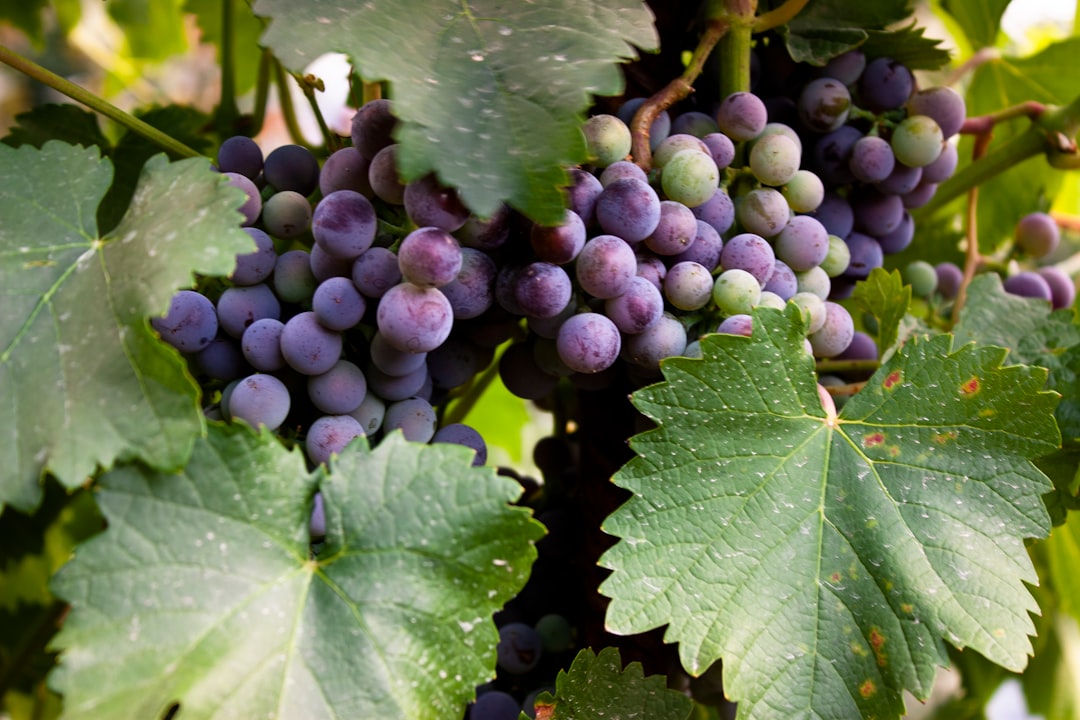
Photo by Eugenia Romanova on Unsplash