Pinot Noir Wine Guide
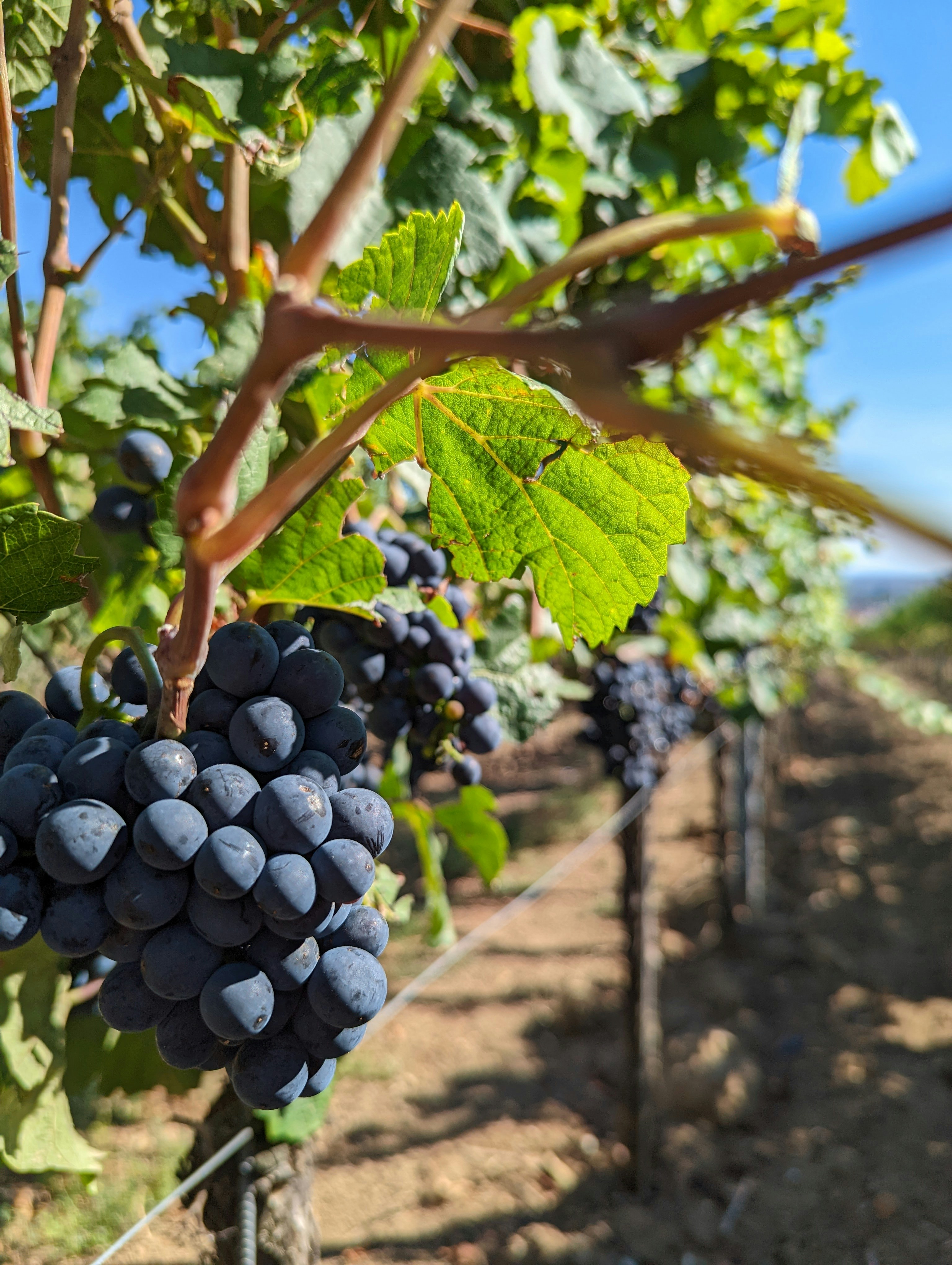
Discover Pinot Noir, the elegant heartbreak grape producing ethereal red wines. Learn about Burgundy, Oregon, and the art of this temperamental variety.
Characteristics
- Light to medium body with silky tannins
- Flavors of red cherry, raspberry, earth, and mushroom
- Translucent ruby color
- Highly sensitive to terroir and vintage
Food Pairings
- Duck breast
- Salmon
- Mushroom dishes
- Soft aged cheeses
Serving Temperature
55-60°F (13-16°C)
The Heartbreak Grape
Pinot Noir is called the “heartbreak grape” for good reason. This temperamental variety demands perfect conditions and meticulous care, but rewards patience with wines of ethereal beauty and unmatched elegance.
What Makes Pinot Noir Special
Unlike bold Cabernet Sauvignon, Pinot Noir seduces with subtlety:
- Light, translucent ruby color
- Silky, gossamer tannins
- Extraordinary aromatic complexity
- Remarkable terroir expression
Tasting Pinot Noir
Primary Flavors
Red cherry, raspberry, strawberry, cranberry
Secondary Characteristics
Earth, mushroom, forest floor, dried leaves
With Age
Game, truffle, leather, smoke
World Regions
Burgundy, France
The gold standard. From powerful Gevrey-Chambertin to delicate Volnay, Burgundy demonstrates Pinot Noir’s potential.
Oregon, USA
America’s best Pinot Noir region, producing wines that rival Burgundy at friendlier prices.
New Zealand
Central Otago and Martinborough offer vibrant, fruit-forward expressions.
Champagne
Pinot Noir provides structure to Champagne blends and shines in Blanc de Noirs.
Food Pairings
Pinot Noir’s light body and acidity make it remarkably food-friendly:
- Duck (classic pairing)
- Salmon and tuna
- Mushroom dishes
- Soft-aged cheeses
The Pursuit of Great Pinot
Finding great Pinot Noir requires attention to producer and vintage. Use Sommo to learn about quality producers and track the Pinots that move you.
This grape features in the WSET Level 2 Cheat Sheet. Studying for your exam? Try the free Level 2 mock exam.